

A Guide to Sustainable Fabric Labels
That tiny fabric tag decides more than most shoppers realize. It tells you how a piece will feel at 8 a.m., how it will hold up after repeated wear, and whether "sustainable" means something real or just sounds good on a product page. This guide to sustainable fabric labels is for anyone building a smarter wardrobe - one with breathable, polished pieces you will reach for often.
If you shop with a capsule mindset, fabric matters as much as silhouette. A clean-cut blazer in the wrong blend can feel stiff, trap heat, and age quickly. A relaxed shirt in the right natural fiber can become the piece you wear to work, travel in, and style again on the weekend. Reading labels well is not about memorizing jargon. It is about knowing what to look for, what to question, and where trade-offs come in.
How to read a guide to sustainable fabric labels in real life
Start with the fiber content, not the marketing headline. Terms like conscious, eco, and responsible can be useful signals, but they are not the same as material facts. The label that matters most usually lists the percentage of each fiber in the garment.
If you see 100% linen or 100% cotton, that is straightforward. If you see a blend like 55% linen and 45% cotton, that can still be a strong choice, especially if the goal is softness with structure. If you see a long list of mixed fibers in small percentages, pause. Blends can improve drape, durability, or stretch, but they can also make recycling harder and make the garment feel less breathable.
Then look for certification language if it is provided. A credible label will usually name the fiber clearly and, when relevant, mention a recognized standard rather than relying on vague green claims. Specificity is a good sign. General language without proof deserves more caution.
What sustainable fabric labels usually mean
Not every "better" fabric label points to the same benefit. Some speak to how a fiber is grown. Others refer to how it is processed, dyed, or certified. Some focus on renewable plant sources. Others are about lower-impact chemistry or fairer production systems. That is why a label should be read in layers.
A natural fabric is not automatically low impact. Conventional cotton, for example, can still be resource-intensive depending on how and where it is grown. On the other hand, a regenerated fiber may come from plant pulp and still involve heavy processing. The point is not to chase perfection. It is to understand what the label is actually claiming.
For most everyday wardrobes, the strongest starting point is simple: prioritize natural and plant-based fibers that feel good on the body, wear well across seasons, and support repeat use. Pieces that are comfortable enough to become favorites usually outperform trend-driven items that sit in the closet.
The fibers worth knowing
Linen
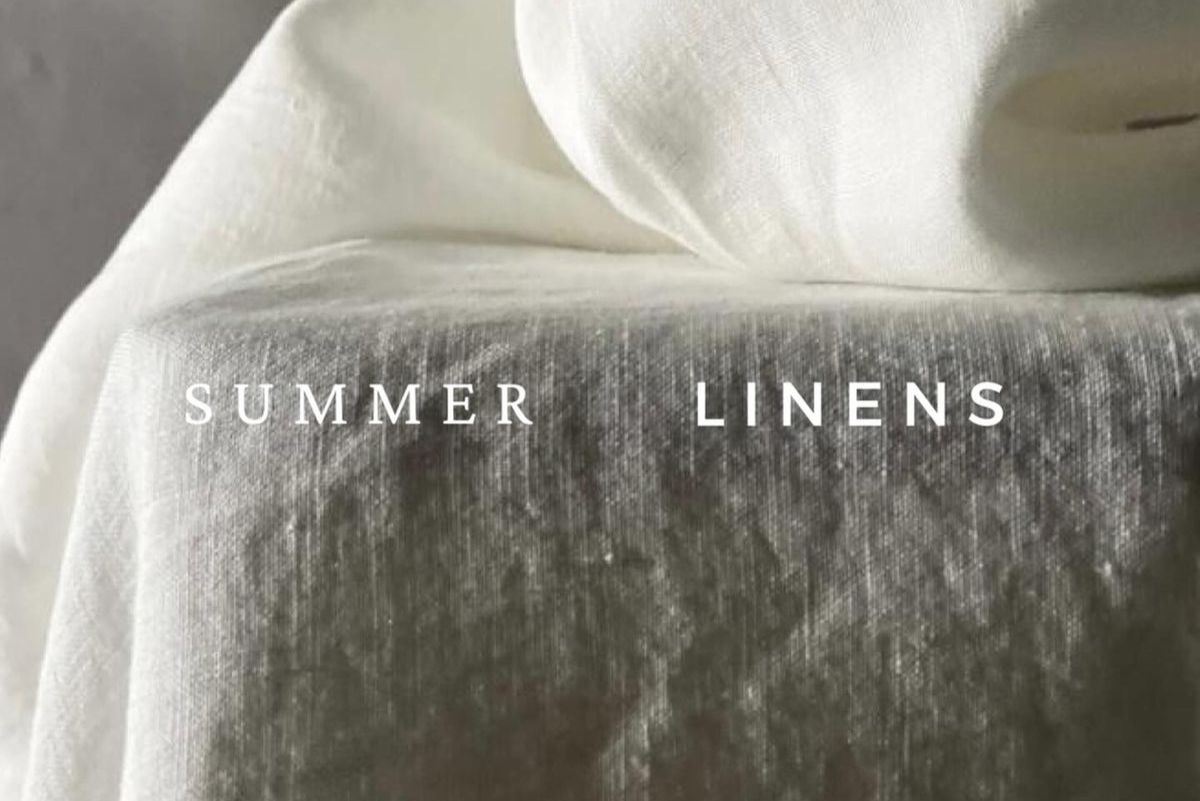
Linen is one of the clearest examples of why labels matter. It is breathable, naturally textured, and especially well suited to warm weather, layered dressing, and travel. It tends to use fewer inputs than many conventional fibers and has the kind of easy structure that works beautifully in shirts, trousers, dresses, and relaxed tailoring.
The trade-off is that linen wrinkles. For some shoppers, that is part of the appeal. For others, a linen blend offers a more polished finish with less creasing. A label that says 100% linen signals maximum breathability. A linen-cotton blend may give you softness and shape retention with a cleaner day-to-night look.
Cotton
Cotton is familiar for a reason. It is soft, versatile, and easy to wear across basics, workwear, and off-duty pieces. But "cotton" alone is not the full story. If a label specifies organic cotton or another verified standard, that adds useful context. If it does not, cotton may still be a practical choice, but it is worth recognizing that the sustainability case is stronger when the sourcing is more transparent.
Cotton also depends heavily on construction. A crisp poplin shirt, a brushed knit top, and a structured twill trouser can all carry the same fiber name and perform very differently. Read the label, then consider the fabric hand and the role the piece will play in your wardrobe.
Viscose, rayon, lyocell, and modal
These labels can be confusing because they sound technical while often coming from plant-based sources. The difference is in how the fiber is processed. Viscose and rayon are regenerated cellulose fibers, but their environmental profile varies widely depending on manufacturing methods. Lyocell is often seen as a better option when it comes from more controlled production systems.
This is where details matter. A label that simply says viscose is not automatically a red flag, but it is not automatically a strong sustainability signal either. If the brand offers more information about sourcing or certified production, that helps. If not, treat it as a "maybe" rather than a guaranteed yes.
Recycled synthetics
Recycled polyester and similar materials often appear in activewear, outerwear, and occasion pieces that need durability or wrinkle resistance. They can reduce reliance on virgin fossil-fuel-based inputs, which is meaningful. But they are still synthetics, and that comes with limitations, especially for breathability and end-of-life recyclability.
For elevated everyday dressing, this is usually an area where balance matters. A small percentage of synthetic fiber may improve function in a blazer or trouser. A fully synthetic garment marketed as sustainable deserves a closer look.
Red flags in sustainable fabric labeling
A few patterns are worth watching. One is broad claims with no material detail. If a garment is described as eco-friendly but the fabric composition is hard to find, that is not a great sign. Another is when the language leans heavily on one small sustainable element while ignoring the rest of the blend.
Be careful with terms like bamboo fabric unless the label clarifies the exact fiber type. Many so-called bamboo fabrics are processed into rayon or viscose, which changes the sustainability picture considerably. The original plant source sounds appealing, but the production method is what completes the story.
Also pay attention to percentages. A garment made from 5% linen and 95% polyester should not be read the same way as a piece made from 70% linen and 30% cotton. The order and ratio matter.
A practical guide to sustainable fabric labels for wardrobe building
The easiest way to use fabric labels well is to match them to category. You do not need the same performance from every piece.
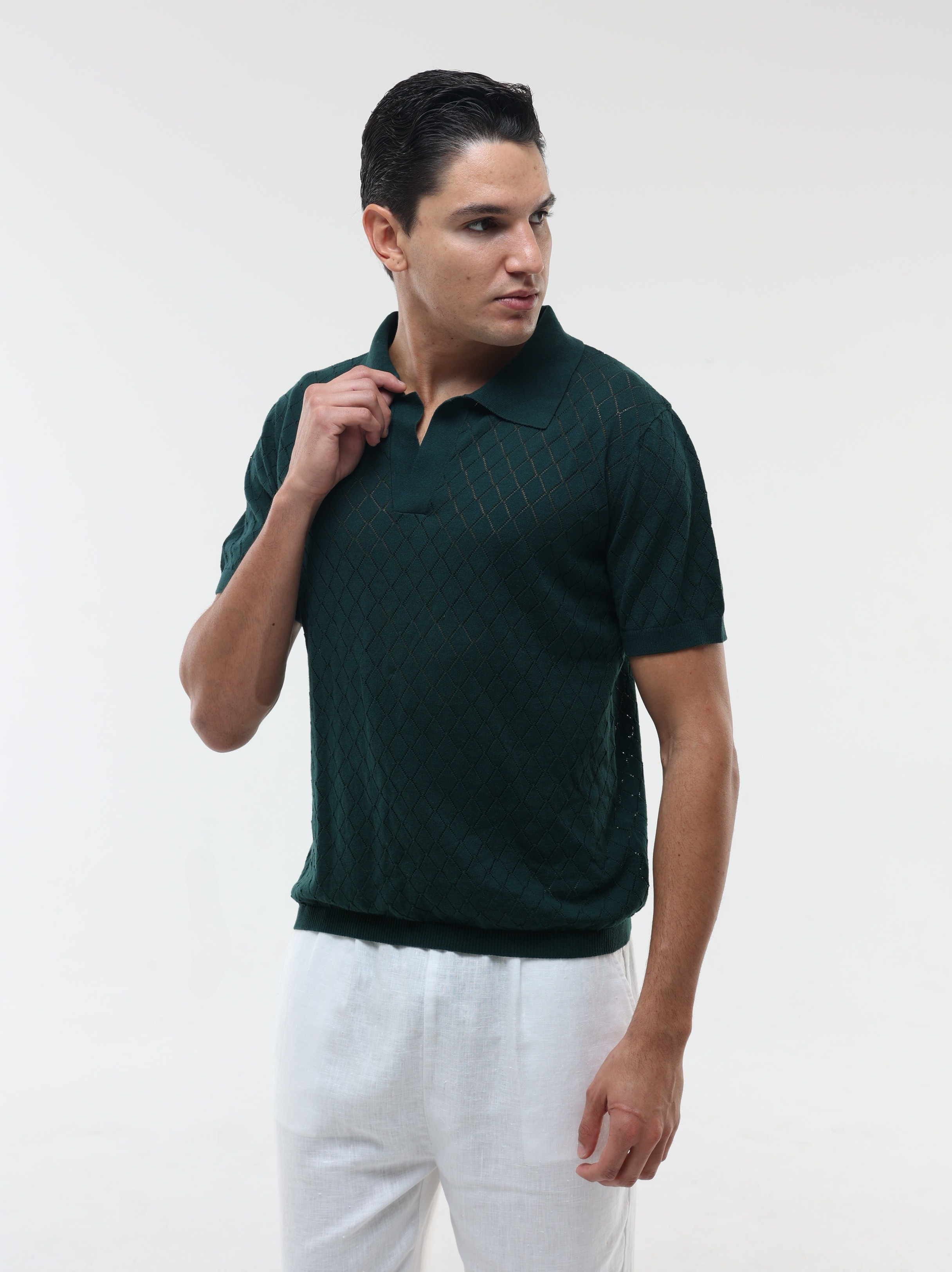
For shirts, dresses, and resort wear, prioritize breathable plant-based fibers like linen and cotton. These are the pieces that sit close to the skin and need to feel light, especially in warm climates. For tailored items like blazers, trousers, and waistcoats, a blend can make sense if it improves structure and repeat wear. For loungewear and off-duty essentials, softness and washability matter as much as the sustainability claim itself.
This is also where personal routine comes in. If you travel often, wrinkle resistance may matter more. If your wardrobe leans minimal and repeated, natural fibers with strong styling range will likely give you more value over time. A good label is not just about ethics on paper. It should support how the garment actually lives in your closet.
Why repeat wear is part of the label story
The most sustainable piece is rarely the one with the most impressive buzzwords. It is the one you wear often, care for properly, and keep in rotation for years. Fabric labels help predict that.
A breathable linen shirt in a clean cut may earn dozens of wears across workdays, weekends, and vacations. A synthetic trend piece with a persuasive sustainability tagline may lose appeal after one season. Longevity is not as flashy as marketing language, but it is often the better measure.
That is why consciously designed wardrobes tend to start with fabric honesty. Clear labels. Useful percentages. Fibers that align with comfort, climate, and personal style. At ZAVI, that principle shows up in the focus on plant-based and natural fabrics designed for everyday life rather than one-time impact.
What to ask before you buy
Before adding any piece to cart, ask three simple questions. What is it made of, in exact percentages? Will this fabric feel good enough for repeat wear? And does the sustainability claim describe the actual material, or just the mood around it?
Those questions cut through most of the noise. They also keep your wardrobe aligned with what usually matters most: comfort, breathability, polish, and longevity. The best labels do not need dramatic language. They are clear, specific, and easy to trust.
The next time you turn over a tag or scan a product description, read it like a stylist and an editor at once. Look for what is there, notice what is missing, and choose the piece that earns its place.