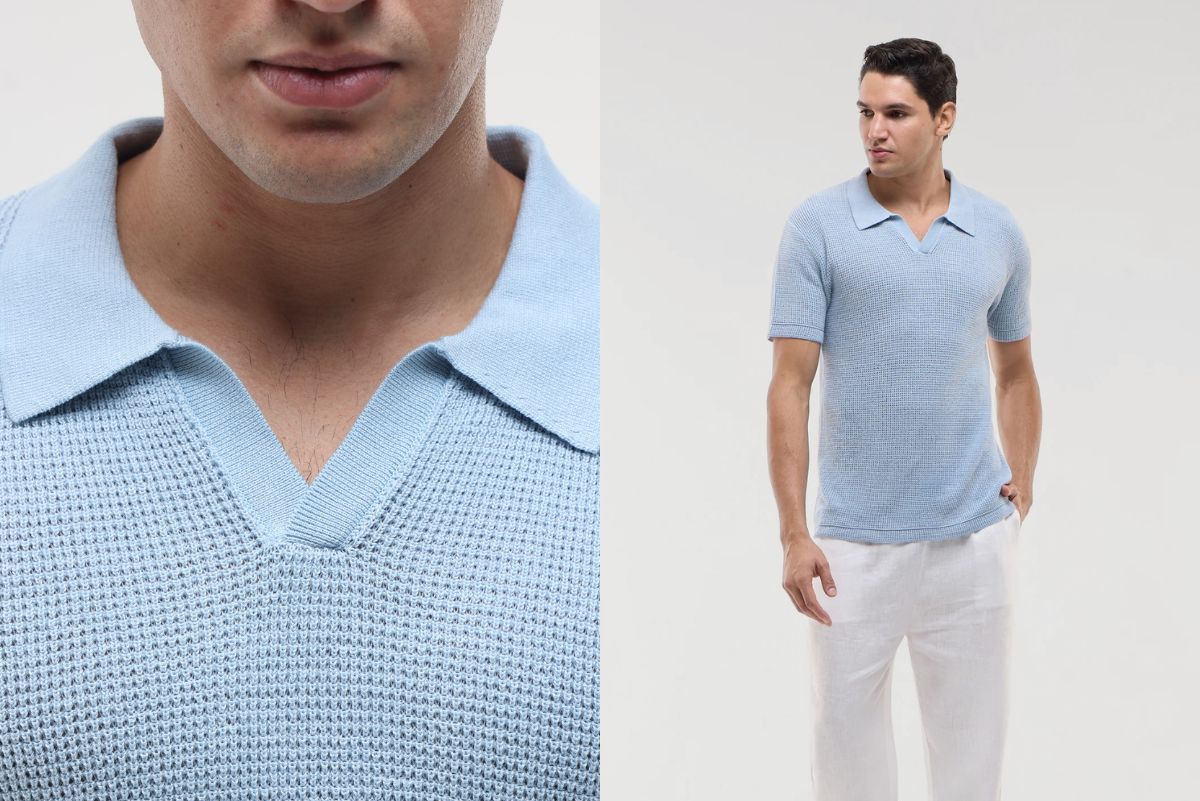

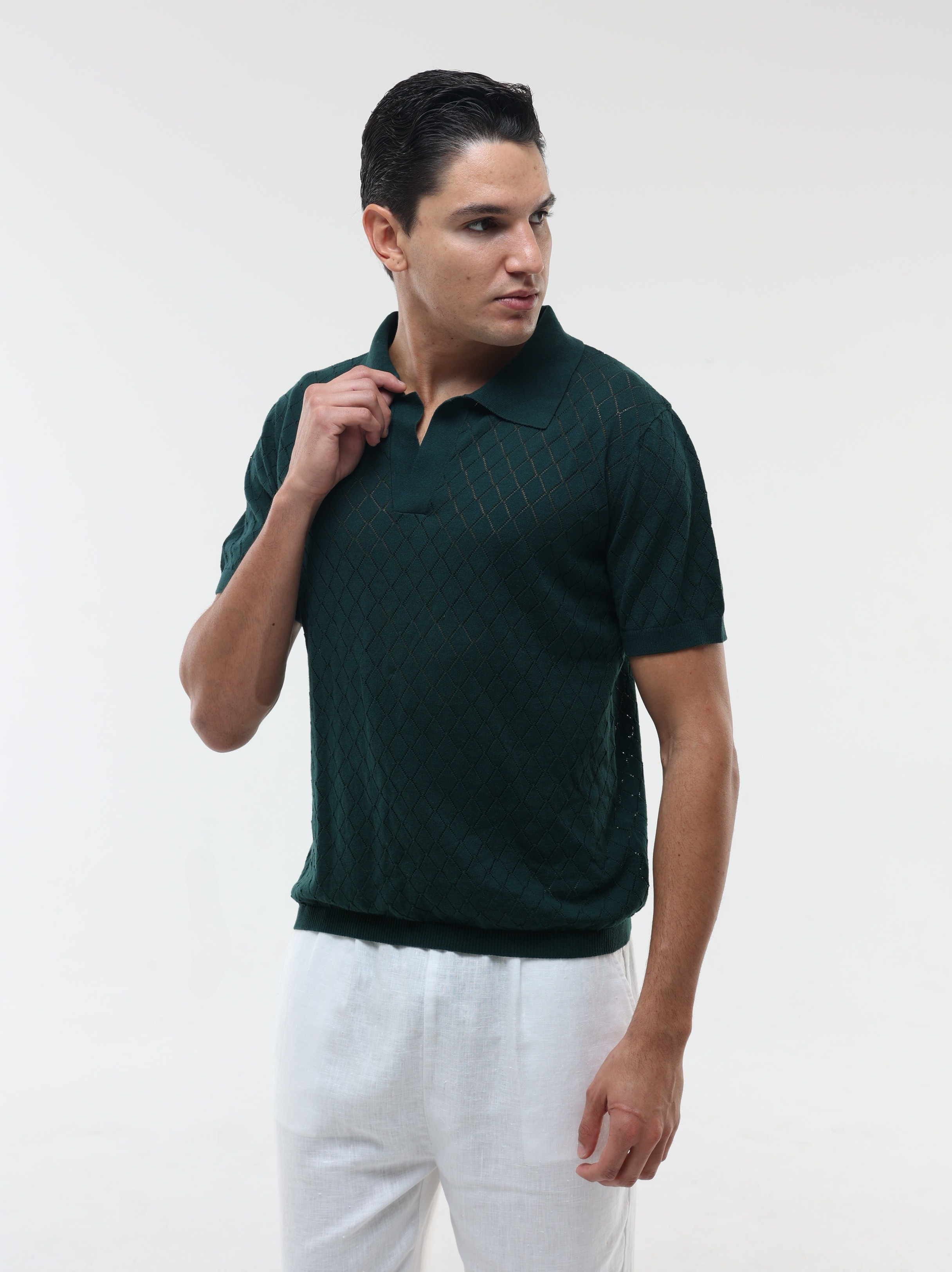
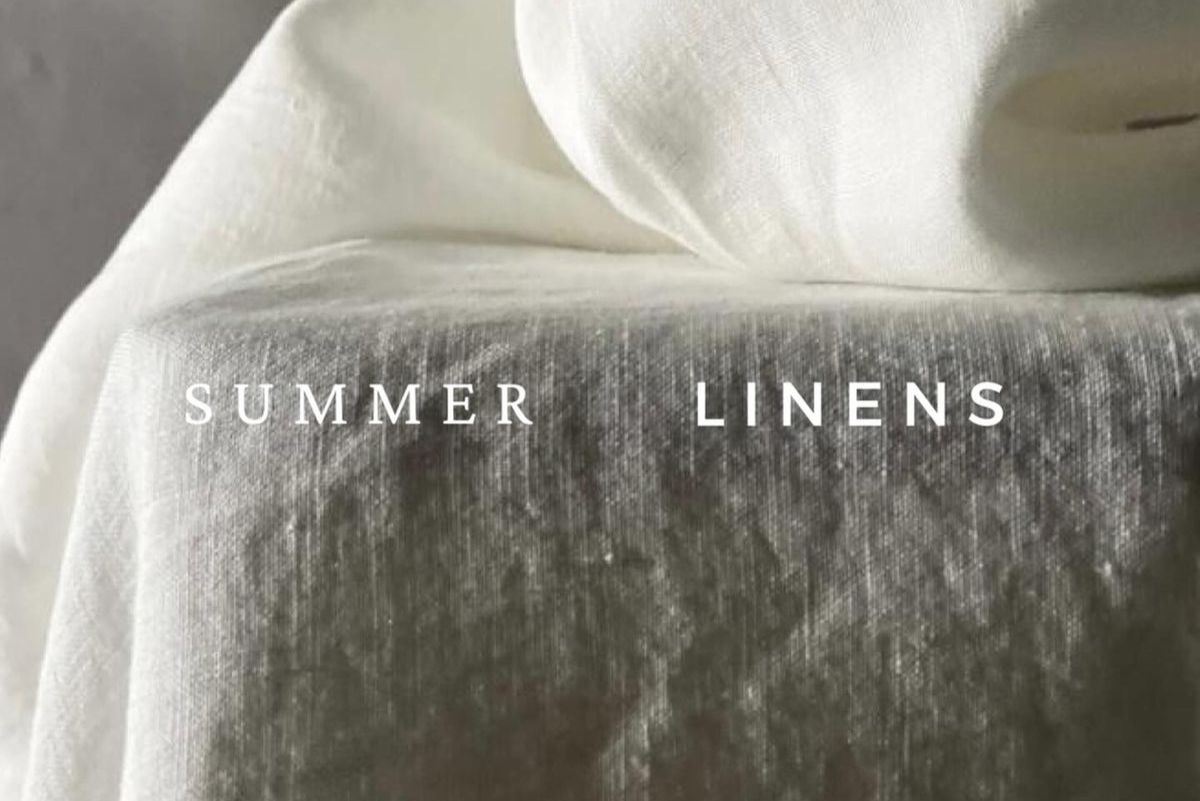
How to Stop Linen Wrinkling
Linen looks best when it feels easy - but there is a difference between relaxed texture and full-on creasing by 10 a.m. If you have ever put on a linen shirt, blazer, or wide-leg trouser and wondered how to stop linen wrinkling without giving it up entirely, the answer is not to fight the fabric. It is to handle it better, style it smarter, and choose the right finish for the way you wear it.
Why linen wrinkles so easily
Linen is made from flax fibers, and those fibers are naturally crisp, breathable, and less elastic than many other materials. That is a large part of the appeal. Linen holds a clean shape, feels cool against the skin, and brings that matte, elevated texture that makes simple dressing look more considered.
The trade-off is that low elasticity means the fabric does not spring back as easily after pressure. Sitting, folding your arms, leaning against a desk, and even wearing a crossbody bag can leave marks behind. This is not a flaw. It is part of linen's character.
Still, not every wrinkle has to stay. There is a clear difference between soft movement through the fabric and deep-set creases caused by overwashing, harsh drying, or poor storage. If your linen always looks more crushed than polished, the fix usually starts before you get dressed.
How to stop linen wrinkling at the washing stage
A lot of wrinkling is created in the laundry. Linen responds best to a gentler routine, especially if you want pieces to feel modern and refined rather than stiff and rumpled.
Wash linen in cold or lukewarm water on a gentle cycle. High heat and aggressive spinning can twist the fibers and set in hard creases before the garment is even dry. Use a mild detergent and avoid overloading the machine. When linen is packed too tightly, it rubs and folds into itself, which leads to heavier wrinkling.
It also helps to wash similar weights together. A lightweight linen shirt mixed with heavy towels or denim will come out more beaten up than it needs to. If the piece is tailored, like a linen blazer, vest, or structured pant, a mesh laundry bag can reduce friction and help it hold its shape.
Skip the idea that more washing equals better freshness. Linen does not need to be over-laundered. Spot clean when possible, air pieces between wears, and wash only when truly needed. Less agitation means fewer wrinkles and longer fabric life.
Drying matters more than most people think
If you want linen to look polished, do not let it sit in a heap after washing. That is where deep wrinkles begin.
Remove the garment promptly, give it a firm shake, and smooth seams, collars, plackets, and hems with your hands. This one step makes a visible difference. Then air dry on a hanger or lay flat, depending on the garment. Shirts, dresses, and blazers usually benefit from hanging. Knit-lined or heavier items may do better flat to avoid stretching.
A dryer is where things get more specific. If you love a softer hand feel, a short tumble on low heat can work - but only for a few minutes, and only if you remove the garment while it is still slightly damp. Leave linen in too long and the wrinkles tend to bake in. From there, hang it immediately and smooth it into shape.
For people who want the cleanest result with the least effort, the sweet spot is usually this: gentle wash, quick shake, partial air dry, then steam while faintly damp.
Steaming beats pressing for everyday linen
An iron has its place, especially for crisp shirting or more formal dressing. But for day-to-day wear, steaming is often the easier and better-looking option.
Steam relaxes the fibers without flattening the fabric too much. That matters because linen looks best with a natural finish, not a stiff, over-pressed one. A handheld steamer is especially useful for trousers, matching sets, resort dresses, and relaxed workwear pieces you want to refresh quickly before leaving the house.
If you do iron, work while the garment is still slightly damp and use medium to high heat with steam. Iron on the inside when possible, especially for darker shades, to help avoid shine. Focus on the visible areas that define the look - collar, cuffs, front placket, waistband, and hem. You do not need to press every inch into submission.
That is often the difference between linen that looks expensive and linen that looks overworked.
The fabric blend changes everything
Not all linen wrinkles the same way. Pure linen tends to crease more because there is nothing in the fabric to soften that natural rigidity. Linen blended with cotton or viscose can drape more easily and wrinkle less aggressively, while still keeping the breathable feel people want from natural fibers.
This is worth paying attention to when shopping. If you love the look of linen but know you are commuting, traveling, or sitting through long workdays, a linen blend may make more sense than 100 percent linen. You still get that airy, minimal finish, but with a little more forgiveness.
The weave and weight also matter. Lightweight linen wrinkles faster and more visibly. Midweight linen tends to fall better and recover more gracefully. A softly structured linen trouser or shirt dress will usually wear more cleanly than an ultra-thin, gauzy piece.
So if your real question is how to stop linen wrinkling enough to fit a busy schedule, the answer may start at checkout. Fabric composition is not a detail. It is the whole experience.
How to wear linen so wrinkles look intentional
Styling can reduce the appearance of wrinkles even when it cannot prevent them completely. This is where linen becomes easier to live with.
Choose silhouettes that suit the fabric. Relaxed shirts, wide-leg pants, easy dresses, co-ord sets, and softly tailored separates all work with linen's natural movement. A body-skimming shape tends to wrinkle less obviously than something skin-tight, because the fabric is not pulling and folding in as many stress points.
Color helps too. Lighter neutrals, warm sand tones, olive, black, and softened white often disguise creasing better than very bright or ultra-saturated shades. Texture is read differently in minimalist palettes. It looks designed, not accidental.
Layering also changes the effect. A linen waistcoat under a blazer, or a relaxed button-down worn open over a tank, tends to look composed even if the fabric softens through the day. Matching sets are especially useful because the consistency of fabric and tone makes minor wrinkling feel cohesive.
If you carry a bag, be aware of pressure points. Crossbody straps can leave lines across the chest or shoulder. If you are wearing linen to the office or for travel, a tote or top-handle bag may be kinder to the fabric.
Storage can prevent wrinkles before you wear it
Closet habits matter. Linen should have room to breathe. If it is pressed tightly between other garments, wrinkles form before the piece ever reaches your body.
Use proper hangers for shirts, blazers, dresses, and jumpsuits. Fold heavier knit-backed linen carefully if hanging would stretch it. Avoid overcrowding the rail. If you are storing linen seasonally, make sure pieces are fully clean and dry first, then fold along natural seams rather than forcing sharp creases.
For travel, rolling is often better than folding. It creates softer bends instead of hard lines. Once you arrive, unpack linen immediately, hang it in the bathroom while you shower, or steam it lightly. A little preparation saves a lot of effort later.
What not to do if you want smoother linen
There are a few habits that make linen wrinkle faster and wear out sooner. High heat drying is one. Letting wet linen sit in the washer is another. Over-ironing can also strip away the natural ease that makes the fabric feel premium in the first place.
Heavy starch is usually not the answer either, unless you specifically want a very crisp finish. For most modern wardrobes, it makes linen feel too rigid and can create more obvious break lines through the day.
And sometimes the issue is expectation. Linen will never behave like a synthetic performance fabric, nor should it. If you want breathability, natural texture, and that understated summer-to-workwear versatility, some movement in the cloth is part of the deal.
At ZAVI, that is exactly the appeal of consciously designed natural fabrics. They are meant to be worn, not frozen in place.
When a little wrinkling is the right look
The most polished way to wear linen is not perfectly pressed from collar to hem. It is clean, softened, and intentional. Think smooth through the key lines, relaxed everywhere else.
That mindset makes linen easier to style and easier to enjoy. Steam the areas that frame the outfit. Let the fabric move where it naturally will. Choose better blends when your day demands more structure. Wash gently. Dry with attention. Store it properly.
Then let linen do what it does best - bring comfort, breathability, and a quieter kind of confidence to the way you get dressed.