

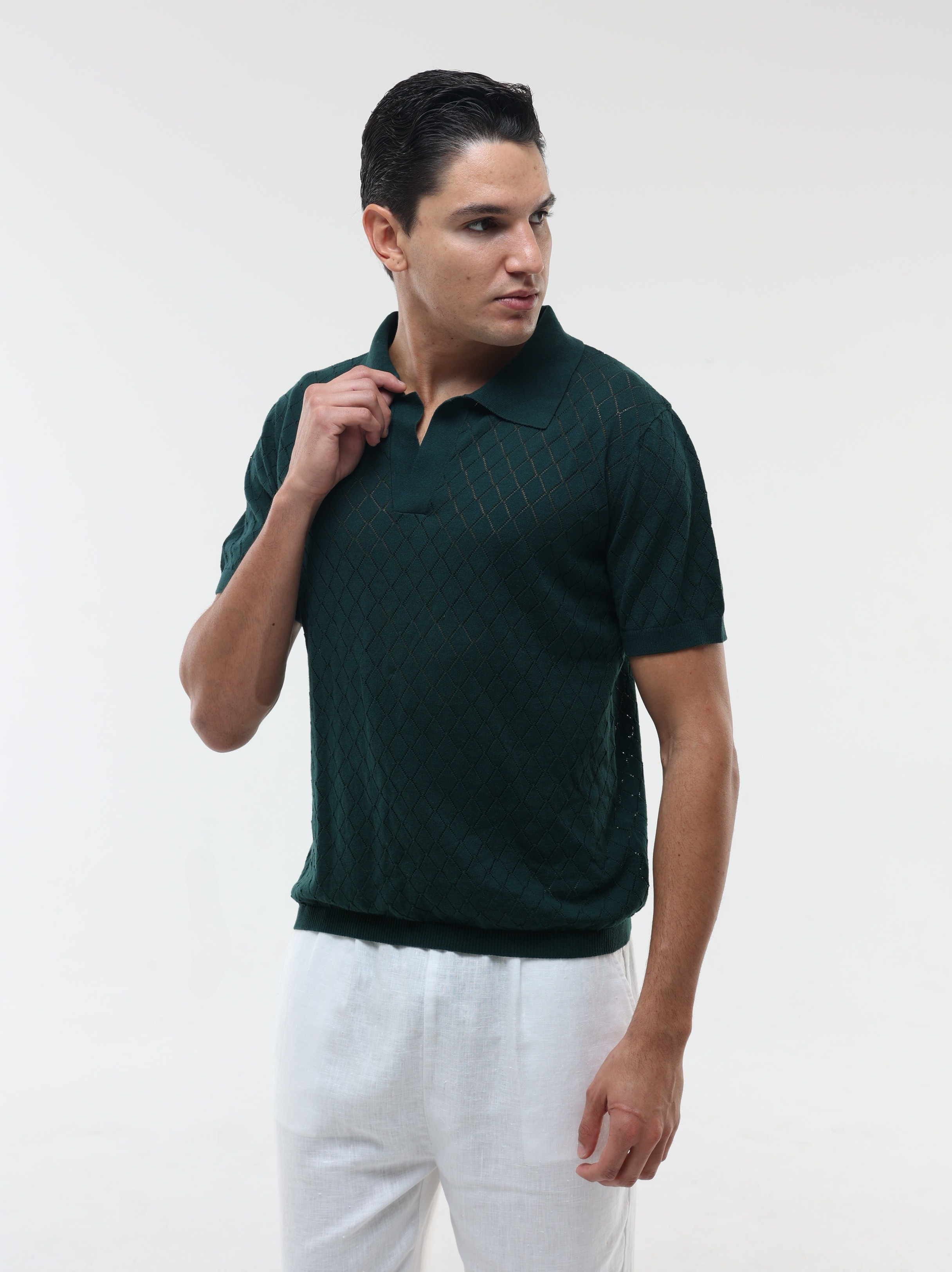

How to Build a Capsule Wardrobe
A crowded closet can still leave you with nothing to wear at 8:15 a.m. That is usually the sign you do not need more clothes. You need better structure. If you have been wondering how to build capsule wardrobe pieces into something that feels polished, practical, and easy to repeat, the goal is not restriction. It is clarity.
A well-built capsule wardrobe makes daily dressing faster, but that is only part of the appeal. The bigger shift is that every piece earns its place. The blazer works with trousers and denim. The shirt works for office hours and dinner plans. The dress can stand alone or layer under a jacket. Less visual noise. More outfit mileage.
What a capsule wardrobe actually is
A capsule wardrobe is a small, intentional collection of clothes that mix easily, wear often, and reflect how you actually live. Not an idealized version of your life. Your real one. If your week includes work meetings, casual coffee runs, weekend dinners, and warm-weather travel, your wardrobe should support those moments without forcing separate closets for each.
This is where many people overcomplicate the process. A capsule is not about owning exactly 30 pieces or following someone else’s formula. It is about reducing duplication and building around categories that matter to you. For one person, that may mean tailored trousers, breathable shirts, and elevated basics. For another, it may lean into dresses, matching sets, and lightweight layers.
The best capsule wardrobes also make room for repetition. Rewearing a linen shirt three ways is the point. Choosing a clean black trouser because it works across five outfits is smart. When pieces are consciously designed and easy to style, repeating them feels refined rather than predictable.
How to build capsule wardrobe pieces around your real life
Start with your calendar, not your wish list. Before you buy anything, look at the rhythm of your week. If 60 percent of your time is spent at work, 30 percent off-duty, and 10 percent at events or travel, your closet should roughly reflect that. A common mistake is investing heavily in occasional outfits and neglecting the everyday core.
Next, identify your most-worn silhouettes. You probably already have them. Maybe it is a relaxed button-down, straight-leg pants, a midi dress, or a structured blazer. Pay attention to what you reach for on days when you want to look put together quickly. Those are the shapes worth repeating in better fabrics and more versatile colors.
Then edit without sentimentality. If something has not been worn in a year, does not fit, or only works with one other item, it is probably not serving your wardrobe. You do not need to get rid of everything at once, but you do need to be honest about what belongs in daily rotation.
Step 1: Choose a focused color palette
Capsule wardrobes work because the pieces coordinate with very little effort. A tight color palette makes that possible. For most people, the strongest base is built around neutrals such as black, white, ivory, navy, stone, beige, olive, or chocolate. You do not need all of them. You need a few that suit your style and skin tone.
From there, add one or two accent colors if they genuinely integrate with the rest of your closet. Soft blue, rust, muted green, or burgundy can work well when the base remains clean. If a color is beautiful but hard to style, it may be better as a single statement piece rather than a category-wide commitment.
This is also where minimal wardrobes feel premium. The consistency reads as intentional. It becomes easier to dress across seasons because your layers, tops, and bottoms already speak the same language.
Step 2: Build from categories, not outfits
Instead of shopping for isolated looks, build by category. Think in terms of tops, bottoms, dresses or jumpsuits, layers, and shoes. Within each category, focus on pieces that can move across settings.
For tops, that might mean a crisp shirt, a few elevated basic tees or tanks, and a lightweight knit. For bottoms, tailored trousers, quality denim, and one relaxed option often cover most needs. In outer layers, a blazer and a transitional jacket can transform simple bases into complete outfits. If dresses or jumpsuits are part of your style, choose silhouettes that can be worn casually with flats or sharpened with structured layering.
The trade-off here is real. A highly versatile piece may feel less exciting than a trend-forward one. But excitement without repeat wear is expensive and short-lived. The sweet spot is modern pieces with enough personality to feel current and enough simplicity to stay relevant.
The fabrics matter more than people think
If you want fewer clothes, fabric quality becomes non-negotiable. A capsule wardrobe depends on comfort, longevity, and repeat wear. That is hard to achieve with materials that trap heat, lose shape, or wear out quickly.
Natural and plant-based fabrics such as linen and cotton make strong capsule foundations, especially if you live in a warm climate, commute often, or travel regularly. They breathe well, layer easily, and support the kind of effortless dressing capsule wardrobes are built on. A linen shirt can read polished at work and relaxed on weekends. Cotton basics earn their place because they are dependable, comfortable, and easy to repeat.
That does not mean every item must be identical in feel. Structure still matters. A blazer should hold its shape. A trouser should drape cleanly. But when in doubt, choose comfort you will genuinely want to wear. The most sustainable piece in your closet is usually the one you keep reaching for.
What to include in a modern capsule wardrobe
There is no universal formula, but most strong wardrobes include a consistent base of essentials and a smaller layer of directional pieces. In practical terms, that often looks like a few reliable tops, two to four bottoms, one or two dresses or jumpsuits if you wear them, one blazer, one casual jacket, and matching sets or separates that can be styled multiple ways.
For professionals, workwear deserves extra attention. A well-cut blazer, tailored pants, and refined shirts can carry a large share of the wardrobe because they can be broken apart and restyled. For off-duty dressing, clean tees, breathable shirts, relaxed pants, and loungewear that still looks considered will do more work than impulse purchases ever will.
Matching sets are especially useful if you like ease. Worn together, they create instant polish. Split apart, they expand the wardrobe quickly. The same logic applies to a waistcoat and trouser pairing or a shirt and short set for resort dressing.
How to shop without overbuying
The smartest way to build a capsule is slowly. Shop after you identify gaps, not before. If your wardrobe already has great tops but weak bottoms, start there. If your layers are outdated, invest in one excellent blazer instead of five almost-right jackets.
It also helps to test every potential purchase with a simple question: Can I style this at least three ways with what I already own? If the answer is no, it may still be worth buying, but it is probably not a capsule essential. This is where many wardrobes drift off course.
When you do add new pieces, think in terms of longevity over volume. A consciously designed cotton shirt or linen trouser that works for years is more valuable than several lower-quality versions that need replacing after one season. If you are refining your wardrobe with this mindset, brands built around elevated everyday dressing and natural fabrics, such as ZAVI, tend to align well with the process.
Common mistakes when building a capsule wardrobe
One mistake is making the wardrobe too minimal for your actual lifestyle. If everything is neutral basics and nothing feels like you, getting dressed can become flat. Personality still matters. Keep the base clean, then add shape, texture, or one signature category you love.
Another mistake is copying someone else’s capsule exactly. A wardrobe built for a cold city, corporate office, or trend-heavy social life may not suit someone living in a warm climate with a more relaxed schedule. Your capsule should respond to your environment, not just aesthetics.
The last mistake is expecting perfection on the first attempt. Capsule wardrobes evolve. Seasons change. Work shifts. Personal style sharpens. You are not building a museum collection. You are building a wardrobe that supports your life now, with enough flexibility to adapt.
How to keep your capsule wardrobe working
Once the core is in place, maintenance becomes simple. Review it each season. Notice what you wore on repeat and what stayed untouched. Replace worn essentials before they become urgent. Add trend-led pieces carefully, so they refresh the wardrobe without disrupting it.
You may also find that a capsule wardrobe changes how you shop. Fewer random purchases. More intentional edits. More appreciation for cut, fabric, and fit. That shift matters because style gets better when there is less clutter competing for attention.
A good capsule wardrobe does not ask you to own less for the sake of it. It asks you to dress with more purpose, more ease, and more confidence every day.


