

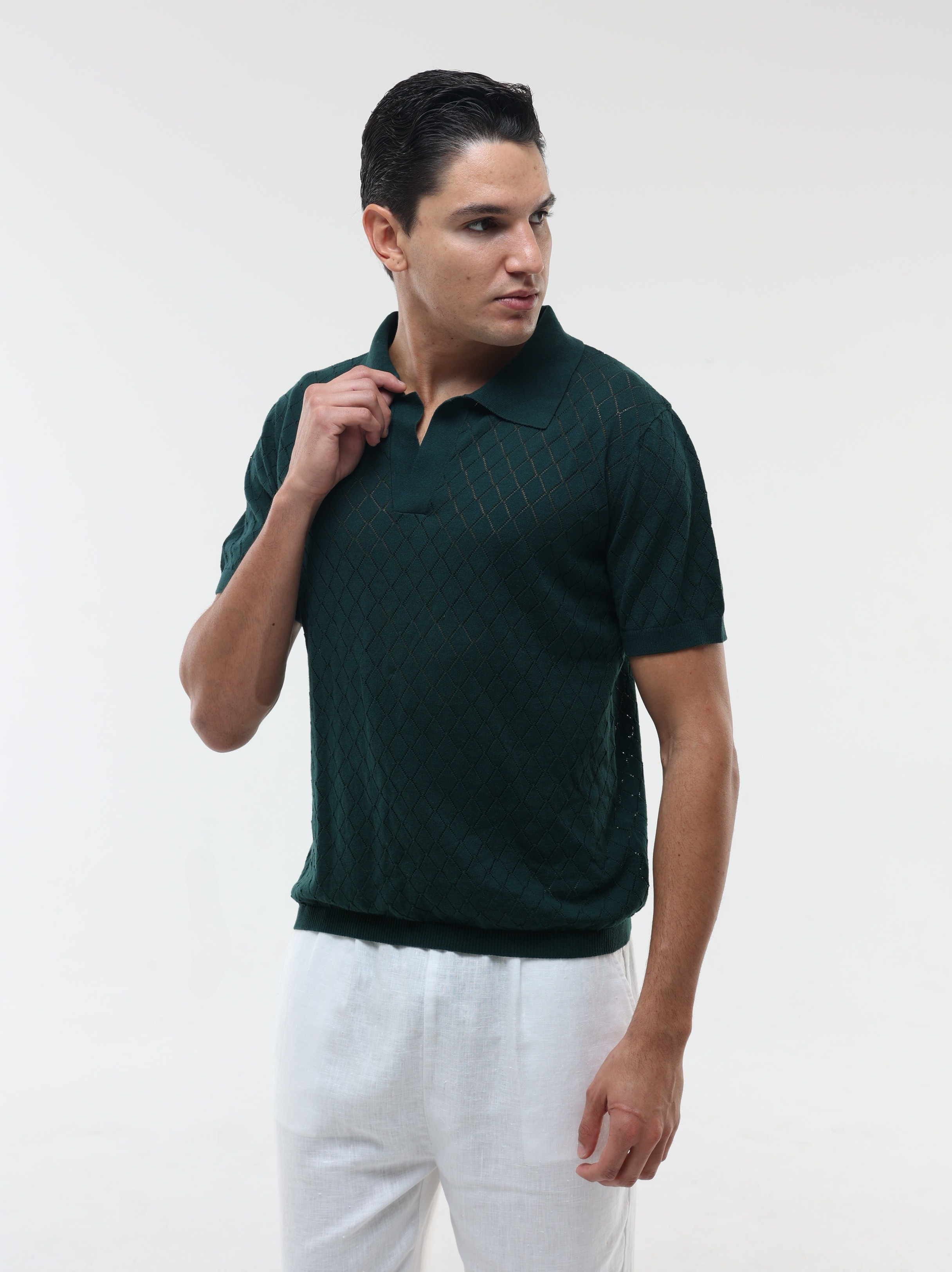

Is Viscose Fabric Sustainable or Not?
That soft, fluid drape you love in a dress, blouse, or relaxed set often comes with a question attached: is viscose actually a better choice, or just better marketing?
The honest answer is less tidy than a label. Viscose can come from wood pulp, which sounds naturally aligned with a more conscious wardrobe. But the way it is sourced and processed matters just as much as the plant origin. For anyone building a modern wardrobe around fabric feel, breathability, and long wear, that distinction matters.
Viscose fabric sustainable or not? The short answer
Viscose is not automatically sustainable. It sits in the middle.
It can be a better option than fully fossil-fuel-based synthetics in some cases because it starts with plant material rather than petroleum. It is also breathable, soft, and comfortable in warm weather, which makes it appealing for everyday dressing, travel, and elevated basics. But conventional viscose can carry serious environmental costs if forests are poorly managed or if chemical processing is handled irresponsibly.
So if you are asking whether viscose fabric sustainable or not, the real answer is this: it depends on the fiber source, the manufacturing system, and how transparent the brand is about both.
What viscose actually is
Viscose is a type of rayon made from regenerated cellulose. In simple terms, manufacturers take plant pulp, usually from trees such as eucalyptus, pine, beech, or bamboo, dissolve it into a pulp solution, and turn it into fiber.
This is why viscose is often described as plant-based. That part is true. But plant-based does not always mean low-impact.
Unlike linen or cotton, which are spun more directly from a natural fiber, viscose goes through heavy chemical processing before it becomes wearable fabric. That processing is where the sustainability conversation gets more complicated.
Why viscose appeals to fashion brands and shoppers
There is a reason viscose shows up so often in contemporary wardrobes. It has a smooth hand feel, elegant movement, and a polished finish that works well across dresses, shirts, wide-leg pants, and occasion pieces. It can mimic the softness of silk or the drape of more premium fabrics without the same price point.
For shoppers, it often feels breathable and light on the skin. For design, it delivers clean lines and fluid silhouettes. That makes it especially attractive for minimal wardrobes where one piece needs to move easily from work to dinner to vacation.
The problem is that comfort and sustainability are not always the same thing. A fabric can wear beautifully and still have a supply chain that raises concerns.
Where viscose goes wrong
The biggest issues with conventional viscose usually come down to forests and chemicals.
First, sourcing. If the wood pulp comes from ancient or endangered forests, or from supply chains with weak traceability, the fiber may be contributing to deforestation and biodiversity loss. A fabric starting with trees sounds renewable, but that promise falls apart if those forests are not responsibly managed.
Second, processing. Traditional viscose production uses chemicals to break down wood pulp and regenerate it into fiber. If factories do not recover and manage those chemicals properly, workers and surrounding water systems can be exposed to harmful pollution. This is one of the main reasons viscose has a mixed reputation in sustainable fashion.
Third, durability can vary. Viscose feels luxurious, but some lower-quality versions can weaken when wet, wrinkle easily, or lose shape faster than fabrics built for frequent wear. If a garment only looks good for one season, the sustainability case gets weaker.
When viscose is a better choice
Viscose becomes more credible when brands can show that the pulp comes from responsibly managed forests and that the manufacturing process reduces chemical waste and emissions.
This is where supply chain quality matters more than the fiber name alone. Responsibly sourced viscose can be part of a more thoughtful fabric mix, especially when compared with cheap synthetics that shed microplastics and rely on fossil fuels. It may not be the most natural or lowest-impact option available, but it can be a reasonable choice in the right system.
You may also see more advanced regenerated cellulosic fibers, such as lyocell or modal, discussed alongside viscose. These are in the same broader family, but some are made in more controlled systems with higher solvent recovery rates. That does not make every version perfect, but it often signals progress.
Is viscose better than polyester?
Sometimes. Not always.
Polyester is durable, affordable, and easy to care for, but it is made from petroleum and can release microplastics during washing. Viscose starts from plant cellulose, which gives it a different environmental profile. It usually feels cooler and more breathable too, which can improve wear frequency in hot climates.
But polyester can outlast poorly made viscose by years. If a polyester blazer becomes a wardrobe staple and a viscose top pills, shrinks, or twists after a handful of washes, the more sustainable choice is not as obvious as the fiber label suggests.
This is why fabric decisions should not be reduced to one question. Origin matters. Longevity matters. So does actual wear.
Is viscose better than linen or cotton?
Usually not, if the goal is the most straightforward plant-based option.
Linen is widely seen as one of the strongest choices for a conscious wardrobe because flax typically requires fewer inputs than many conventional crops, and the fabric is durable, breathable, and timeless. Cotton can also be a strong option, especially when grown and processed with better standards, though its impact depends heavily on water use, farming practices, and finishing.
Viscose tends to sit behind both linen and well-sourced cotton for shoppers prioritizing natural, lower-processing fabrics. It still has a place, especially when drape and softness are non-negotiable, but it is not usually the first choice for a wardrobe centered on simplicity, repeat wear, and lower impact.
How to shop viscose more carefully
If you love the feel of viscose, the smartest move is not necessarily to avoid it entirely. It is to buy it with more precision.
Look first for brand transparency. A responsible brand should be able to say something meaningful about where the fiber comes from and how it is processed. Vague claims like eco-friendly or consciously made are not enough on their own.
Next, consider the role of the garment in your wardrobe. Viscose can work well in pieces where drape is essential, like a relaxed shirt, an occasion dress, or fluid pants. If you know you will wear it often and care for it well, the value equation improves.
Then pay attention to fabric blends. A viscose blend with linen or cotton may offer the softness and flow you want with better structure or longevity. On the other hand, blends can also make recycling harder at end of life, so there is always a trade-off.
Finally, think beyond fiber content. Construction, fit, and seasonless styling matter. A well-cut piece in a versatile shape is more likely to stay in rotation than something trend-driven, no matter how sustainable the fabric claim sounds.
Care changes the equation
Even a better-sourced fabric loses ground if it is treated as disposable.
Viscose usually benefits from gentler care. Cold water, mild detergent, and air drying can help preserve the hand feel and shape. Heat can be rough on it, and overwashing shortens the life of almost any garment. If a piece needs dry cleaning often, that adds another layer to its impact, both environmentally and practically.
The most sustainable item in your closet is usually the one you keep wearing. That applies to viscose too.
So, should you buy viscose?
If your wardrobe priorities are breathability, softness, and elegant movement, viscose can make sense. But it is not a fabric to buy blindly.
For shoppers who want a cleaner, more considered closet, the better approach is simple: prioritize linen, cotton, and other natural fabrics when possible, and treat viscose as a case-by-case decision. Choose it when the brand offers real sourcing clarity, when the garment fills a genuine need, and when you expect to wear it on repeat.
That is the standard a consciously designed wardrobe deserves. Not perfection. Just better choices, made with open eyes.
If you are refining your closet around comfort, longevity, and plant-based fabrics, keep the question simple at the rack: does this piece only feel good now, or does it still make sense after the label, after the wash, and after the season has passed?


