
What Makes Clothing Ethically Produced Today?
A linen blazer can look considered on the rack. The real question is what happened before it reached your wardrobe: who cut and stitched it, what materials were used, how resources were managed, and whether it was designed to be worn well beyond one season. That is what makes clothing ethically produced - not a single fabric claim or a carefully chosen label, but a series of accountable decisions.
Ethical production asks fashion to meet a higher standard. It considers people, materials, process, and product life at the same time. For a wardrobe built around modern essentials, that matters. The most responsible piece is not simply the one with the lowest impact on paper. It is the piece you reach for often, care for properly, and keep in rotation.
What Makes Clothing Ethically Produced?
Ethically produced clothing is made with respect for the workers, communities, animals, and natural resources involved in its creation. It also requires honesty from the brand. A garment cannot be called ethical solely because it contains natural fibers, was made in a particular country, or comes in recyclable packaging.
The standard is broader. It includes fair and safe working conditions, responsible sourcing, reduced environmental harm, transparent supplier relationships, and durability. The details vary by garment and supply chain, but the principle stays clear: no polished final product should depend on hidden harm.
This is why ethical fashion is rarely about perfection. Cotton, linen, viscose, recycled fibers, and synthetic performance materials all come with different benefits and limitations. A credible approach recognizes those trade-offs, makes more thoughtful choices where possible, and keeps improving rather than relying on a vague sustainability claim.
Fair Labor Is the Foundation
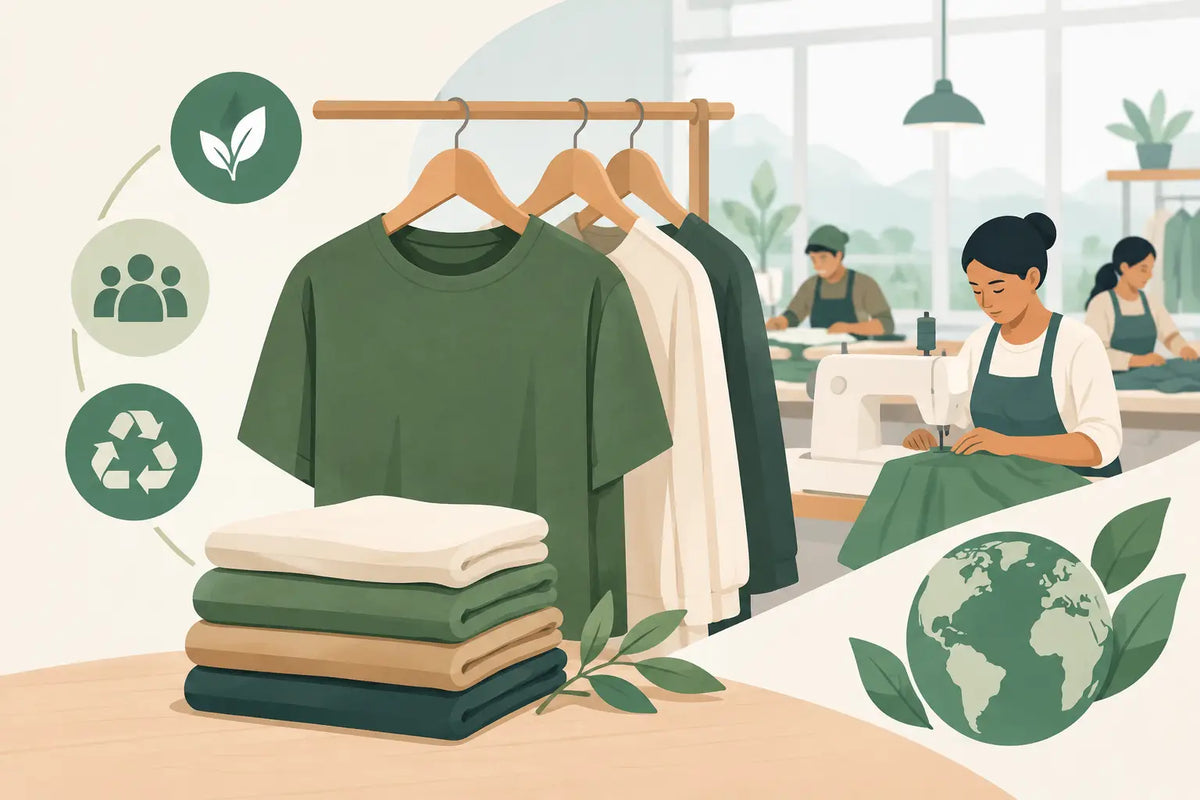
Clothing is made by people. From farming and fiber processing to dyeing, cutting, sewing, finishing, and packing, each stage depends on skilled work. Ethical production starts with the expectation that workers should be treated with dignity.
That means safe workplaces, reasonable working hours, clear contracts, and pay that supports a decent standard of living. It also means zero tolerance for forced labor, child labor, harassment, and discrimination. For brands, this work extends beyond signing a supplier code of conduct. Policies matter, but regular oversight, long-term partnerships, and direct communication with factories matter more.
Price pressure is part of the conversation. When clothing is expected to be endlessly cheap, suppliers may be pushed to absorb impossible deadlines or costs. Ethical production requires more realistic planning: fairer purchasing practices, dependable orders, and lead times that do not force people to work excessive hours to meet a launch date.
For shoppers, factory transparency is a useful signal. A brand does not need to publish every commercial detail, but it should be able to explain where its garments are made and what standards guide those partnerships. Specificity builds more trust than broad statements about caring.
Better Materials, Chosen With Context
Fabric is one of the first things you feel, and one of the biggest decisions a garment makes. Plant-based and natural materials such as linen and cotton can be excellent choices for breathable, comfortable everyday dressing. Linen is valued for its lightness, strength, and relaxed texture. Cotton is familiar, versatile, and easy to wear across seasons.
But natural does not automatically mean low impact. Cotton production can require significant water and agricultural inputs, depending on where and how it is grown. Linen may need fewer inputs in some growing conditions, yet processing, transport, dyeing, and finishing still shape its overall footprint. Responsible material sourcing means looking beyond the fiber name.
A more considered approach may include traceable natural fibers, lower-impact agricultural practices, recycled inputs where they make sense, and careful chemical management during processing. It should also consider the garment's purpose. A crisp linen shirt, for example, may earn its place through repeat wear in warm weather. A technical outer layer may require synthetic fibers to deliver durability and performance. The ethical choice depends on how the item will actually be used.
Safer Dyeing and Finishing Matter
Much of fashion's environmental impact happens after the fiber is grown or made. Dyeing, washing, printing, and finishing can use large amounts of water and energy. They can also introduce chemicals that affect workers, waterways, and the people living near production facilities.
Ethical manufacturers work to manage these stages more carefully. This can mean treating wastewater, using approved chemical systems, reducing unnecessary washes, and selecting processes that use less water or energy. It also means protecting the people who handle dyes and finishes every day with training, equipment, and safe operating practices.
Some finishes serve a genuine function. Others exist mainly to create a short-lived trend effect. A garment designed for a clean, enduring wardrobe does not need every possible treatment. Thoughtful restraint can reduce impact while keeping the fabric's natural character intact.
Traceability Turns Claims Into Accountability
Fashion supply chains are complex. A single pair of trousers may involve fiber grown in one region, fabric woven in another, and construction completed elsewhere. Traceability is the ability to follow those steps and understand who is involved.
No brand can improve what it cannot see. Knowing suppliers helps identify risks, verify standards, and build better working relationships. It also makes it easier to respond when conditions change, whether that involves labor concerns, raw-material shortages, or environmental regulations.
For customers, traceability does not have to mean a spreadsheet for every seam. It means a brand can speak clearly about its materials, production partners, and priorities. Look for information that answers practical questions: What is this made from? Where was it made? Why was this fabric selected? How is the brand working to improve?
Design for Repeat Wear
Ethical production does not end when a garment leaves the factory. Clothing that falls apart quickly, loses its shape after a few washes, or only works for one occasion creates a cycle of replacement. Longevity is therefore a design decision.
Well-made clothing considers fabric weight, stitching, fit, construction, and care from the beginning. It also considers versatility. A tailored waistcoat that works with matching trousers, denim, or a fluid skirt has more potential uses than a piece designed around a passing microtrend. A relaxed dress that moves from work to dinner to travel earns value through wear.
This is where a minimal wardrobe has real power. Fewer, better pieces can create more outfits when proportions, colors, and fabrics are designed to work together. Ethical fashion is not about making every closet identical or refusing joy. It is about choosing clothes with a longer point of view.
Certifications Help, but They Are Not the Whole Story
Independent certifications and standards can offer helpful evidence around organic fibers, chemical safety, recycled content, or social compliance. They can make it easier to compare certain material and manufacturing practices.
Still, a certification is one part of a larger picture. It may apply to a particular fiber, facility, or process rather than the entire garment. Smaller makers may also face cost or administrative barriers to certification while still operating responsibly. The strongest signal is a combination of verification, transparency, and clear action.
Be cautious with language that says only “eco-friendly,” “conscious,” or “responsible” without showing what those words mean. Ethical production deserves specifics. Brands should be prepared to explain both progress and the work still ahead.
How to Shop With More Intention
You do not need to investigate every purchase like an auditor. Start with a few useful questions. Consider whether you will wear the piece at least 30 times, whether the fabric suits your climate and routine, and whether the brand shares meaningful information about materials and manufacturing.
Then look at construction and styling potential. Choose breathable shirts, trousers, dresses, and layers that coordinate with what you already own. Prioritize pieces you can repair, alter, or re-style. Care matters too: washing less often when appropriate, using cool water, air-drying, and mending small issues can extend a garment's life considerably.
Ethical clothing is a practice, not a purity test. Choose the linen shirt you will wear on repeat. Choose the blazer that brings structure to your workweek for years. Ask better questions, expect clearer answers, and let your wardrobe reflect what you value.