

Buying Fewer Better Clothes That Last
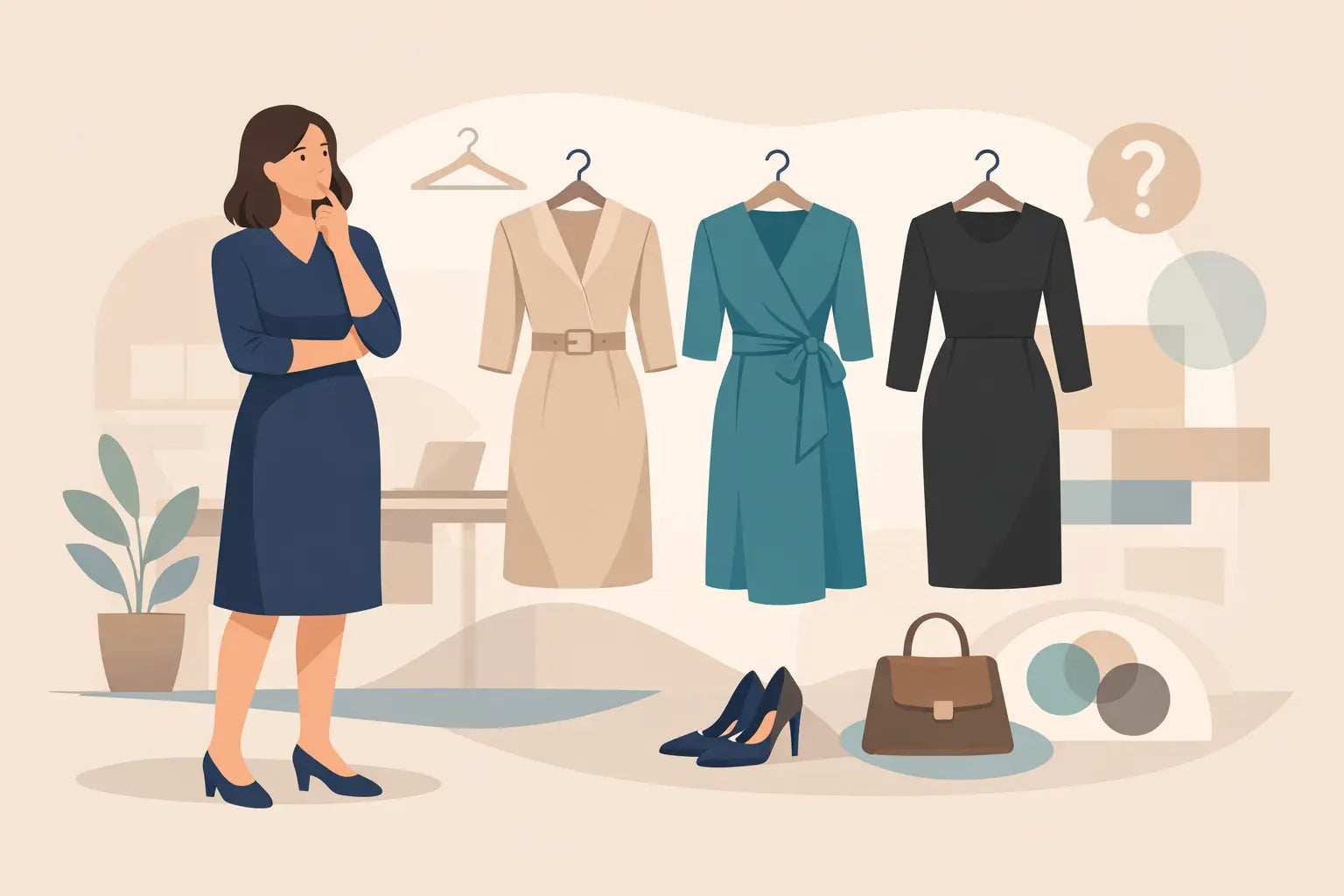
That overflowing closet and the feeling of having nothing to wear usually come from the same habit: buying too much of the wrong thing. Buying fewer better clothes is less about restriction and more about precision. When every piece earns its place, getting dressed feels faster, cleaner, and far more personal.
For anyone building a modern wardrobe, this shift makes sense on both style and sustainability. Fewer pieces mean less visual noise, fewer impulse buys, and more room for clothes that actually suit your life. Better pieces mean stronger fabrics, smarter cuts, and the kind of versatility that takes you from work to weekend without looking overthought.
Why buying fewer better clothes works
A smaller wardrobe only works if the clothes in it work harder. That is the real point. The goal is not deprivation or owning the least. It is owning pieces you reach for again and again because they fit well, feel comfortable, and move across settings with ease.
There is also a cost logic that often gets missed. Cheap trend pieces can feel like a win at checkout, but they become expensive when they lose shape after a few washes or sit unworn with tags still attached. A breathable linen shirt, a structured blazer, or tailored cotton trousers may ask for more upfront, but the value shows up in repeat wear.
Style improves too. A wardrobe built on better clothes usually looks more refined because there is more consistency in silhouette, fabric, and color. Instead of competing pieces, you get combinations that make sense together.
Start with your real wardrobe needs
Before replacing anything, look at what your week actually requires. Not your aspirational life. Not a vacation mood board. Your real schedule.
If most days move between meetings, coffee runs, and dinner plans, elevated basics and polished separates will do more for you than occasionwear. If you travel often or live in a warm climate, breathable fabrics matter more than novelty. If modest styling is part of your preference, layering pieces, longer lines, and coordinated sets deserve more space in your wardrobe than trend-led statement items.
This is where many people go wrong with buying fewer better clothes. They buy for fantasy, then call the wardrobe boring when it does not function. A better approach is to identify your highest-use categories first. For some people, that is relaxed shirts, wide-leg trousers, and lightweight blazers. For others, it is easy dresses, matching sets, and polished knit tops.
Better starts with fabric
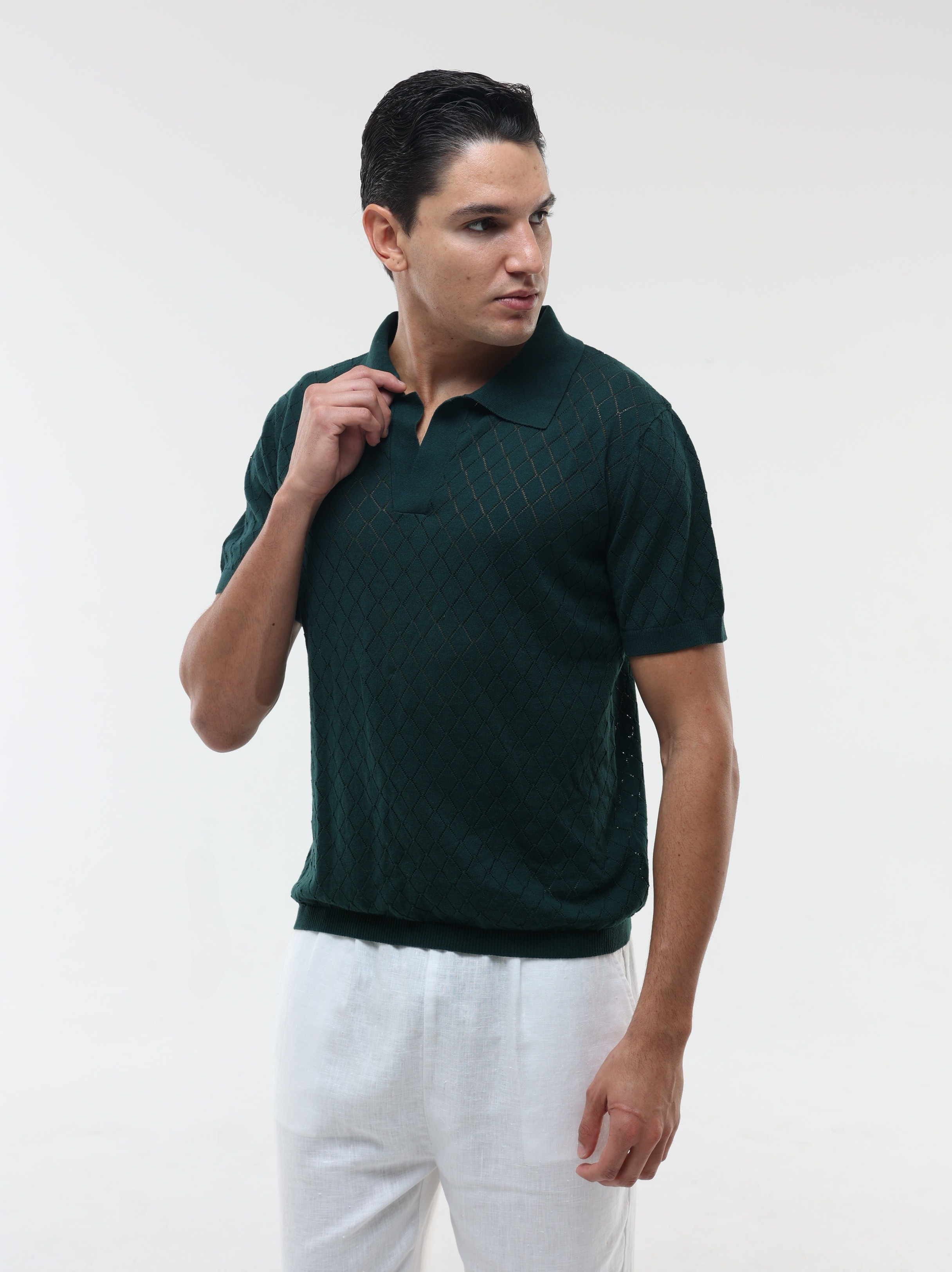
Fabric is often the clearest difference between a piece that lasts and a piece that disappoints. Natural and plant-based fabrics such as cotton and linen tend to offer the breathability, softness, and ease that make clothes wearable on repeat. They also align well with a wardrobe built for longevity rather than single-season use.
That does not mean every synthetic blend is automatically wrong. Sometimes a small blend improves drape, durability, or wrinkle resistance. But if a garment feels stiff, traps heat, or looks tired quickly, it will not become a favorite no matter how current the cut is.
For everyday dressing, fabric should support movement and comfort without sacrificing structure. Crisp cotton shirts, soft jersey basics, linen trousers, and tailored pieces with a clean hand feel often outperform trend pieces made to sell on appearance alone.
Fit matters more than quantity
One excellent blazer will do more than three mediocre ones. The same goes for trousers, shirting, and dresses. Fit changes everything.
When a piece sits properly on the shoulders, skims the body cleanly, and works with your proportions, it immediately becomes easier to style. You stop compensating with extra layers or accessories. You wear it more. That is the standard to aim for.
This does not mean every item needs to be sharply tailored. Oversized can still be precise. Relaxed can still look intentional. Better clothes are not always formal. They are simply well considered.
If you are unsure whether something qualifies, ask a practical question: would you want to wear it twice in one week? If the answer is no, the issue is usually not excitement. It is fit, comfort, or styling range.
Build around repeat-wear pieces
The strongest wardrobes are built from pieces with range. A clean button-down can be worn open over a tank, tucked into tailored pants, or paired with denim. A matching set can be styled together for impact or split into multiple looks. A minimal dress can shift from daytime to evening with only a change of shoes and jewelry.
That is what makes buying fewer better clothes realistic. You are not asking each item to play one role. You are choosing pieces that can shift with your calendar.
A useful test is the rule of three. Before buying, imagine at least three outfits you would realistically wear with that piece using what you already own. If you struggle to get there, it may not be as versatile as it seems.
Color helps here. Neutrals, soft earth tones, black, white, and deep navy usually create more outfit combinations than highly specific seasonal shades. That does not mean avoiding color completely. It means being selective, especially when adding pieces intended for frequent wear.
How to shop with more intention
Buying less does not happen by accident. It usually requires a slower decision-making process.
Start by noticing your repeat patterns. Which items do you wear most? Which silhouettes make you feel pulled together quickly? Which fabrics do you keep reaching for in warm weather, long workdays, or travel? Those answers should guide your next purchase more than trend cycles do.
Then pay attention to wardrobe gaps, but define them clearly. A vague gap like "I need more tops" leads to random purchases. A specific gap like "I need two breathable tops that work with trousers and skirts for office days" leads to better ones.
Timing matters too. Seasonal buying can be smart when it aligns with need. A resort edit is useful if you want lightweight, breathable dressing that also works in warm climates beyond a single trip. Autumn layers are worth buying when they complement your existing basics rather than replace them. Better shopping is not about avoiding newness. It is about choosing newness with purpose.
The trade-off: fewer pieces means higher standards
There is a trade-off with this approach. When you buy fewer items, each one has to deliver more. That can make shopping feel more demanding.
You may pass on pieces that are attractive but not quite right. You may wait longer before buying. You may spend more on the categories you wear hardest. That is normal.
It also means being honest about maintenance. Linen wrinkles. White requires care. Tailored garments may need occasional pressing or minor alterations. Better clothes are not always lower effort. They are simply more worth the effort.
Still, the result is usually a wardrobe that feels calmer and more complete. You stop chasing quick fixes because your foundation is already there.
Buying fewer better clothes without losing style
There is a common fear that restraint leads to sameness. In practice, the opposite is often true. Personal style becomes clearer when it is not buried under impulse buys.
A minimal wardrobe does not have to be plain. Texture, shape, layering, and proportion create interest without requiring excess. A waistcoat over wide-leg pants, an oversized shirt with a clean column skirt, a softly tailored blazer over a matching set - these combinations feel current because the styling is considered.
This is where consciously designed fashion earns its place. Pieces made with longevity in mind tend to support repeat wear without feeling repetitive. They are designed to integrate, not just stand out for a moment.
For a brand like ZAVI, that philosophy sits naturally in the product itself: modern, minimal pieces in plant-based and natural fabrics that work across seasons, settings, and styling moods. That kind of wardrobe building is not about owning less for the sake of it. It is about owning better so every piece gets the life it deserves.
What to stop buying
Sometimes the easiest way to improve your wardrobe is to identify what no longer serves it. Stop buying clothes that need a whole new outfit around them. Stop buying fabrics you already know feel uncomfortable by noon. Stop buying duplicates that solve the same problem in slightly different ways.
And be careful with sale logic. A discount does not make something useful. If a piece does not fit your wardrobe at full price, it probably does not fit it at a reduced price either.
The smartest wardrobes are edited, not just expanded. They leave space for quality, clarity, and ease.
Buying fewer better clothes is a style decision, a sustainability decision, and often a financial one too. But most of all, it is a daily ease decision. When your wardrobe reflects how you actually live and what you genuinely want to wear, getting dressed becomes simple in the best way.