
Build a Minimalist Wardrobe That Works Hard
You should be able to get dressed in five minutes and still look intentional. If your closet feels full but your outfits feel repetitive, that is usually a sign of friction: too many one-off pieces, not enough foundations, and fabrics that do not earn repeat wear.
Minimalism is not “own less for the sake of less.” It is “own the right things for the life you actually live.” Here is how to build a minimalist wardrobe that looks modern, feels good on the body, and stays relevant beyond a season.
Start with your real week, not your ideal one
A minimalist wardrobe works when it matches your calendar. Before you declutter anything, map your most common weeks. Think in outfits, not items.If you split time between office days, dinners, travel, and off-duty weekends, your wardrobe needs pieces that can cross those boundaries. If your job is mostly video calls, you will wear tops and lightweight layers far more than statement shoes. If you live in a warm climate, breathability becomes a design requirement, not a preference.
This step prevents a common minimalist mistake: building a “perfect” capsule that photographs well but fails on Tuesday.
Choose a tight color story that still feels like you
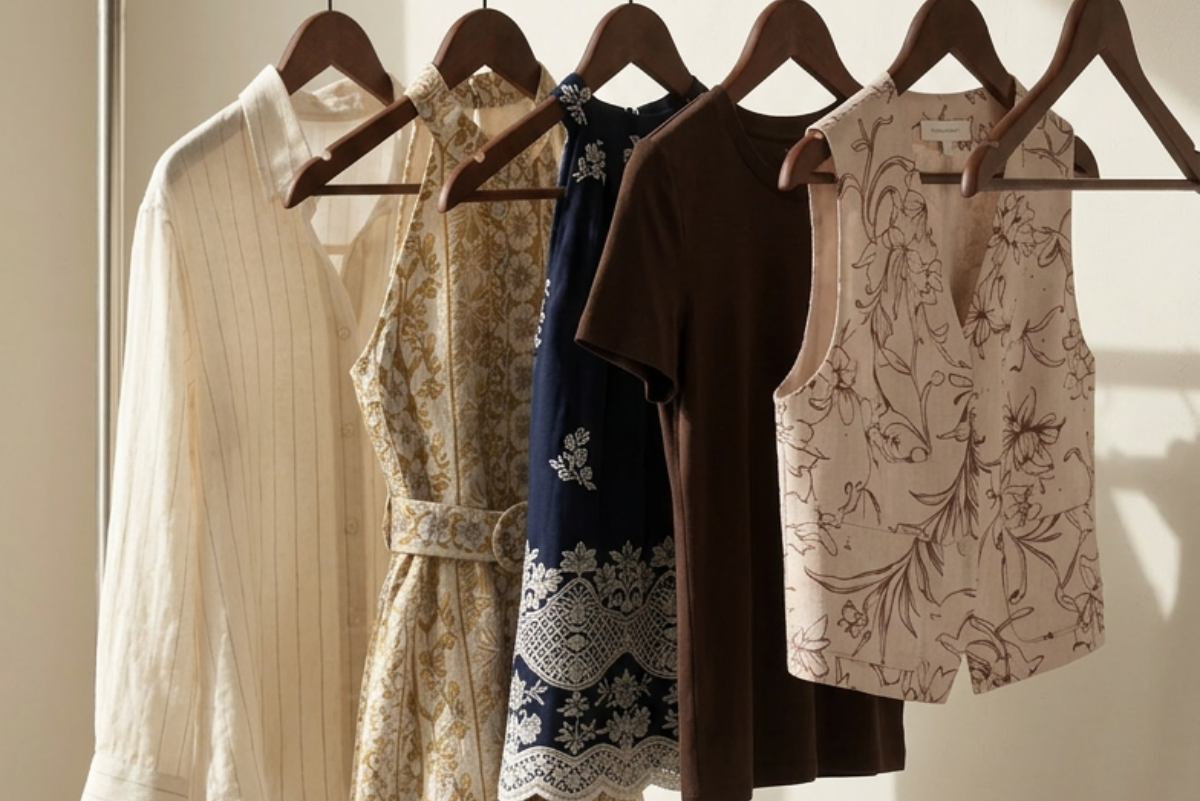
A minimalist closet is less about owning only neutrals and more about building easy coordination. Pick a base palette you can repeat without thinking, then add one accent color if you genuinely wear it.A clean starting point for most wardrobes is a mix of black, white, ivory, navy, and stone. These colors layer easily and read elevated in both casual and workwear settings. If you love color, make it deliberate. One deep accent (olive, chocolate, burgundy) tends to behave like a neutral and still keeps outfits calm.
The trade-off: the tighter your palette, the more outfits you can create with fewer pieces, but the more you rely on silhouette and texture to keep things interesting. That is a good thing if you like a modern, minimal look.
Audit your closet with one rule: “Would I buy this again?”
Forget complicated sorting systems. Pull out your most-worn items first. These are your clues. Then look at what you never reach for and ask why.Fit is usually the real issue. If the shoulder line is off, the waist pulls, or the fabric feels fussy, it will never become a hero piece. Lifestyle mismatch is the second issue. A dry-clean-only blazer can be beautiful, but if your week is built around commuting, travel, and long days, it might not be realistic.
As you edit, aim for a closet where every item can be styled at least three ways. That does not mean every piece has to do everything. It means each piece needs a clear job and at least a few reliable partners.
Build your core around fabric and feel
Minimalism gets easier when your clothes are comfortable enough to repeat. That is why fabric choice matters as much as cut.Natural and plant-based fabrics like linen and cotton tend to breathe well and feel better over long hours. They also support a wardrobe that moves from day to night with less effort, especially in warmer weather or travel-heavy seasons.
There is a nuance here. Linen will wrinkle - that is part of its character. If you want a crisp look all day, linen might be best for relaxed silhouettes, resort sets, and off-duty tailoring rather than a meeting schedule where you need sharpness by 5 p.m. Cotton can be more structured and easier for polished basics, but it depends on weight and weave.
In a minimalist wardrobe, you are not chasing novelty. You are choosing materials you can live in.
Get the silhouettes right, then repeat them
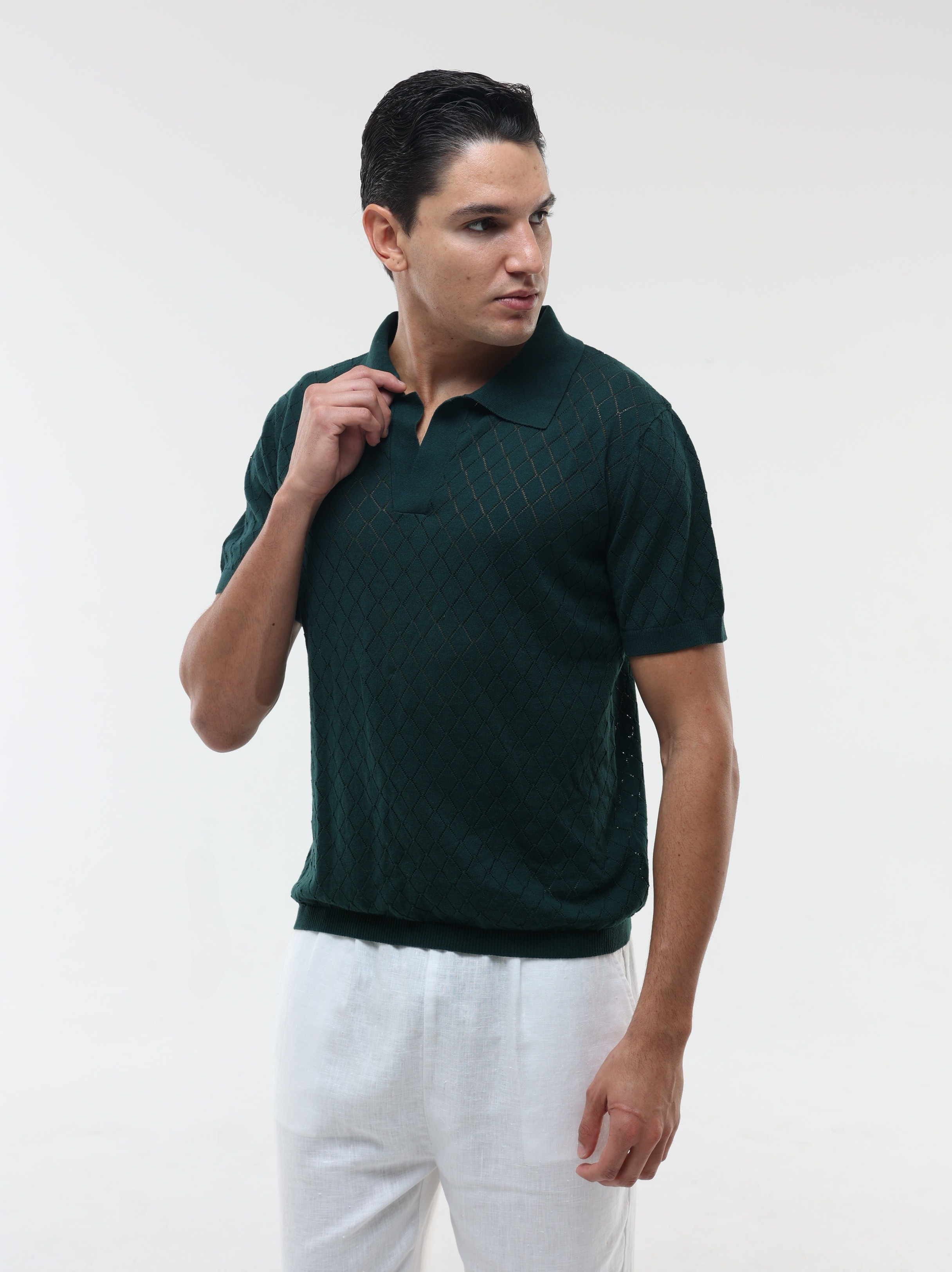
Trends come and go, but silhouettes create consistency. Find 2-3 shapes you love and build around them.For tops, that might mean a clean crewneck tee, a refined tank, and a button-up shirt you can wear open as a layer. For bottoms, it is usually a straight-leg trouser, a relaxed pant, and a denim cut that sits where you like on the waist.
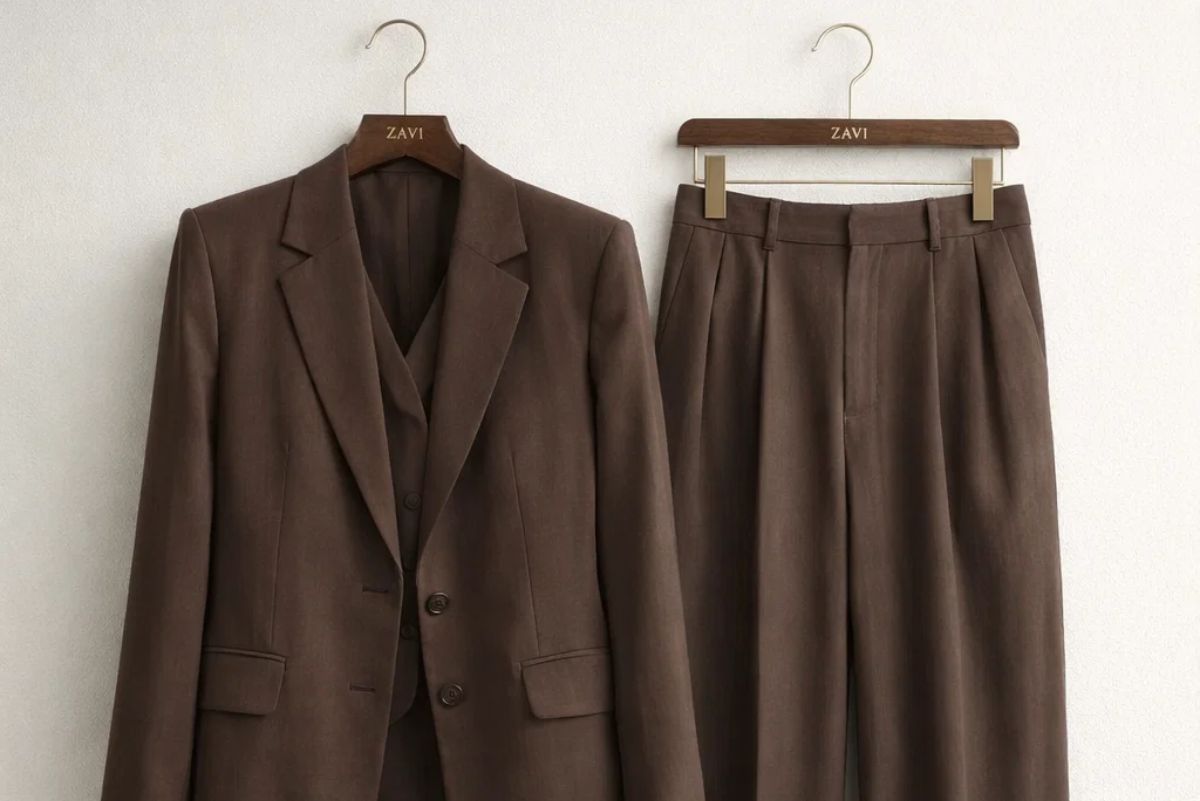
If you wear dresses, one day-to-night dress that works with flat sandals and a blazer is more useful than four occasion-only pieces. If you prefer separates, a matching set can function like a “dress substitute” with more styling range.
The goal is visual calm. When your shapes are consistent, you can change the mood with small styling moves instead of buying new outfits.
The minimalist wardrobe essentials, kept modern
You do not need a rigid checklist, but most people benefit from a tight set of foundations across categories. Think in a small range of elevated everyday pieces.You want a rotation of tops that covers bare-arm days, layered days, and polished moments. You want bottoms that move between work and weekend. You want one or two light jackets or blazers that instantly make an outfit look intentional.
If you are building from scratch, prioritize the pieces you wear closest to the skin and most often: tees, tanks, shirts, and pants. Then add the “finishers” - a blazer, a lightweight jacket, a waistcoat - once your base outfits are already working.
Create repeatable outfits that you can trust
Minimalism sticks when you can default to outfits that always look right. Build a small menu of combinations and repeat them.A simple formula is: clean top + tailored bottom + intentional layer. Another is: matching set + minimal shoe + one accessory. For travel, lean on sets and easy dresses because they reduce decision fatigue and pack well.
If you are someone who gets bored easily, you do not need more clothes - you need more permutations. Swap footwear, change your tuck, switch from buttoned to open shirt styling, add a waistcoat over a tank. These are small shifts that keep the look fresh while staying inside a minimal framework.
Shop like a minimalist: slower, stricter, and more specific
A minimalist wardrobe is built in purchases, not in purges. The discipline is in how you buy.Use a short waiting period for anything that is not a replacement. If you still want it after a few days, it is more likely to fit your real style rather than a passing mood. Shop with your existing closet in mind. If a top only works with one bottom, it is not a minimalist piece.
Be strict about fit. Tailoring can help, but it should be the exception, not the plan. If you constantly need to “make it work,” it will not become a repeat-wear favorite.
And be honest about care. If your life does not support high-maintenance fabrics, do not pretend it does. Minimalism is supposed to reduce friction.
Sustainability that fits the minimalist mindset
Minimalism and sustainability align when you buy fewer pieces and wear them more. The best sustainable move is repeat wear.That does not mean you must be perfect. It means choosing quality, comfortable fabrics, and designs that are meant to stay in rotation. It also means avoiding “closet clutter” purchases that look good for one event and then disappear into the back.
When you do shop, look for brands that treat sustainability as a design standard - thoughtfully chosen materials, consciously made collections, and modern pieces that are not built around a single trend cycle. If you want a clean, contemporary edit built around plant-based and natural fabrics, ZAVI is one place to start.
Keep it minimal over time with a simple reset rhythm
The hardest part is not building the wardrobe. It is maintaining it.Once a month, do a five-minute reset: hang everything back properly, pull out anything that needs mending, and note what you are reaching for. Before each season shift, do a quick try-on of your core pieces and check for gaps created by wear, weight changes, or lifestyle shifts.
If you find yourself shopping out of boredom, that is a signal to restyle, not to buy. A minimalist closet stays exciting when you treat it like a system you refine, not a collection you constantly expand.
Choose fewer pieces. Choose better fabrics. Choose shapes you repeat. Then let your wardrobe do what it is supposed to do - make your life easier, and make your style look effortless on purpose.