

How to Dress Sustainably Without Losing Your Style
A better wardrobe rarely begins with more. It begins with the pieces you reach for on a busy Monday, a warm weekend, or the morning before a flight. To dress sustainably is to make those repeat wears count - choosing clothes that feel right, work harder, and stay relevant beyond one season.
This is not a call for a uniform or a closet filled only with beige basics. Personal style still matters. So does ease. The most considered wardrobes have character, but they are built with enough intention that getting dressed feels simpler, not stricter.
Dress Sustainably by Starting With What You Wear
The most sustainable garment is not automatically the one with the longest list of credentials. It is the one you genuinely wear often and keep in your rotation. Before buying anything new, look closely at your existing wardrobe. Which trousers make you feel polished without effort? Which shirt works under a blazer, over a tank, and with denim? Which dress survives a full day without asking you to compromise on comfort?
Those answers reveal your real style better than a trend report. Build from there.
A useful standard is the repeat-wear test: can you picture wearing this piece at least 30 times, in more than one setting? A relaxed linen shirt may work at the office with tailored pants, open over a tank on vacation, and with shorts on a weekend. A sharply cut blazer can define workwear, dinner plans, and an otherwise simple T-shirt-and-trouser outfit. Versatility is not boring. It is what gives a wardrobe range.
This approach also makes shopping more precise. Instead of searching for a whole new look every season, you can identify the missing layer, the better-fitting pant, or the breathable top that completes several outfits already in your closet.
Choose Fabrics You Want to Live In
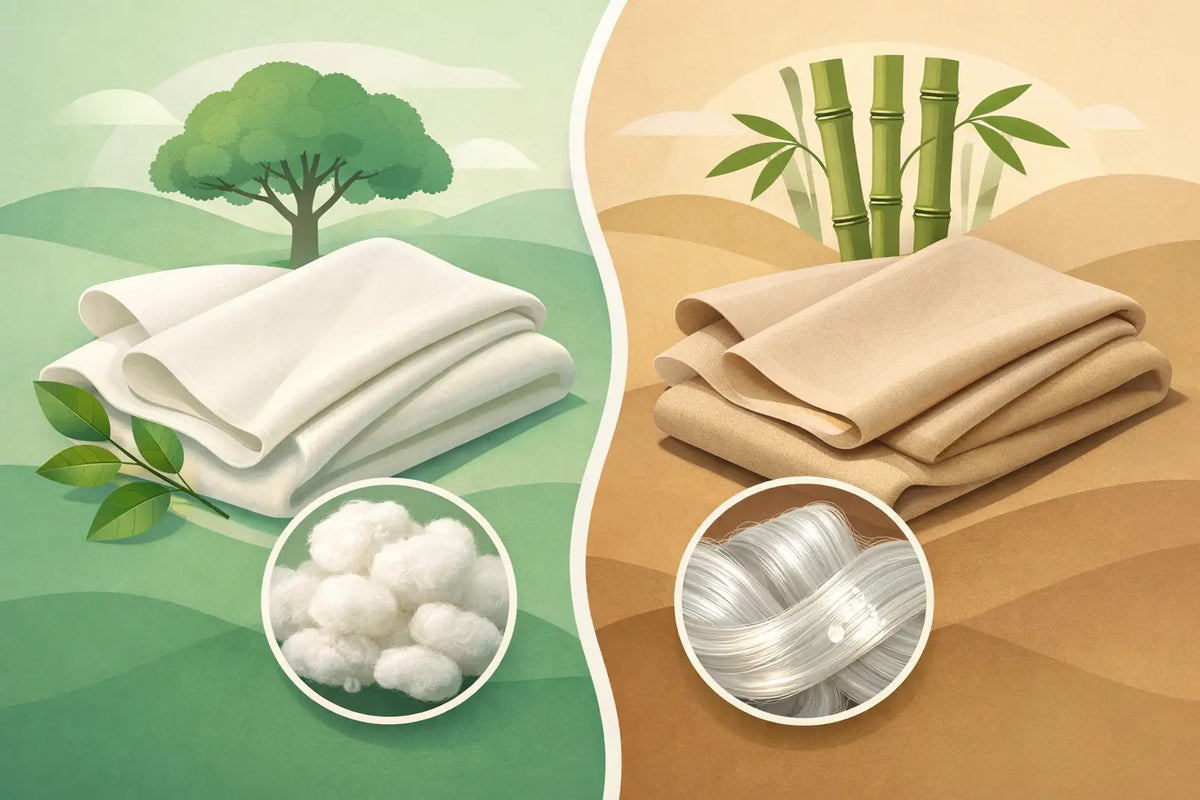
Fabric affects how a garment feels, wears, washes, and lasts. For everyday dressing, plant-based and natural materials such as linen and cotton offer a practical place to start. They are breathable, comfortable against the skin, and especially appealing in warm climates, on travel days, and during long hours at work.
Linen has an easy texture that makes simple silhouettes feel intentional. It is a natural fit for relaxed shirts, wide-leg pants, dresses, and matching sets. Its characteristic creasing is part of the fabric's look, so it suits people who prefer a lived-in, effortless finish over a perfectly pressed appearance.
Cotton is equally versatile, depending on its weight and construction. A crisp cotton shirt brings structure to a work wardrobe, while a softer cotton jersey top can become an everyday essential. The goal is not to declare one fabric perfect for every need. A lightweight linen pant may be ideal for summer but less practical in a cold, wet winter. A cotton tee may be a frequent favorite, but its longevity still depends on fabric quality, construction, and care.
When comparing pieces, pay attention to more than the fiber label. Consider opacity, weight, recovery after wear, seam finish, and whether the fabric suits the garment's purpose. A white summer shirt should feel substantial enough to wear with confidence. A trouser should retain its shape through a day of sitting, walking, and moving between plans. Thoughtful design and appropriate fabric need to work together.
Build a Wardrobe Around Outfit Formulas
Sustainable style becomes easier when individual pieces connect. Rather than buying isolated items, think in outfit formulas you can repeat and refine. This is where a minimal wardrobe becomes expressive rather than limiting.
For work, a blazer, tailored trousers, and a clean top create a reliable foundation. Change the proportions - a waistcoat instead of the blazer, a fitted knit instead of the top, a wide-leg silhouette instead of a straight leg - and the formula stays polished without feeling repetitive.
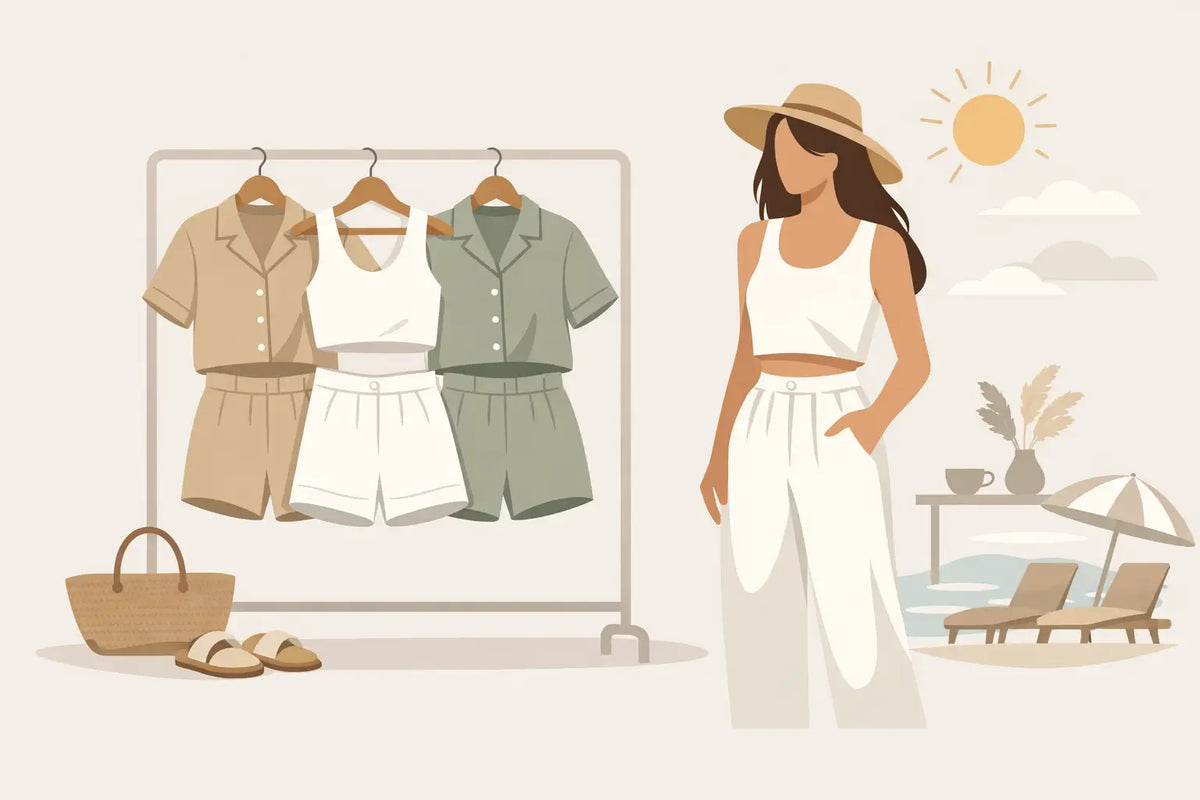
For off-duty days, pair an elevated basic top with easy pants, denim, or a matching set. A co-ord can be worn together when you want a complete look in seconds, then separated to create entirely different outfits. This is one of the strongest arguments for matching sets: they offer the visual impact of a styled outfit with the flexibility of multiple pieces.
For travel and resort dressing, prioritize breathable layers and a limited color story. A linen shirt, relaxed pant, sleeveless top, and simple dress can create enough variation for several days away. Neutral tones make packing easy, while one deeper color, subtle print, or distinctive accessory keeps the result personal.
A smaller color palette does not mean every item must match exactly. It means your wardrobe has a natural conversation. Black, ivory, warm white, navy, olive, chocolate, and soft blue can all work together when you choose the shades you truly wear.
Buy Less Carefully, Not Less Joyfully
There is a difference between thoughtful shopping and denying yourself clothes you love. Dressing sustainably should not mean buying only because something is practical. A piece can be joyful, memorable, and still earn its place through repeat wear.
The key is to pause before purchase. Ask whether the fit is right now, not whether it might work after alterations you may never arrange. Ask whether it fits your life, not just a single event. Ask whether you can style it with at least three things you already own.
Trend-led pieces deserve a more specific question: will you still want this when the trend has moved on? Sometimes the answer is yes. If a silhouette feels aligned with your personal style, it may become a signature. If you are unsure, consider trying the proportion through an accessory, a top, or a more accessible piece before committing to a full outfit.
Sales and promotions can be useful when they help you replenish proven essentials or invest in a piece already on your list. They become less useful when the discount is the only reason an item enters your cart. A lower price does not create a stronger wardrobe.
Care Is Part of the Purchase
A garment's impact does not end when it arrives in your closet. The way you care for it determines how long it looks and feels good. Follow the care label, wash only when needed, and use cooler cycles when appropriate. Air-drying can be gentler on many fabrics and helps preserve shape, color, and elasticity.
Small habits make a visible difference. Hang blazers and structured jackets on supportive hangers. Fold knits rather than stretching them across a hanger. Treat a loose button or small tear early, before it becomes the reason a favorite piece stops being worn. Linen benefits from being reshaped while damp, and a little steam can refresh it between washes.
Care also includes storage. Keep seasonal pieces clean before putting them away, avoid overcrowding, and give natural fabrics room to breathe. When clothing is easy to see and access, you are more likely to wear what you own.
Let Your Wardrobe Evolve at a Human Pace
A considered closet is not built in one order. It develops through real life: a new role, a move, a changed climate, a different routine, or simply a clearer understanding of what feels like you. Give yourself permission to refine rather than replace.
When an item no longer serves you, pass it on responsibly if it remains wearable. Resell, donate thoughtfully, or offer it to someone who will use it. For pieces that are worn beyond repair, look for local textile recycling options where available. The goal is not perfection. It is to extend usefulness and reduce the habit of treating clothing as disposable.
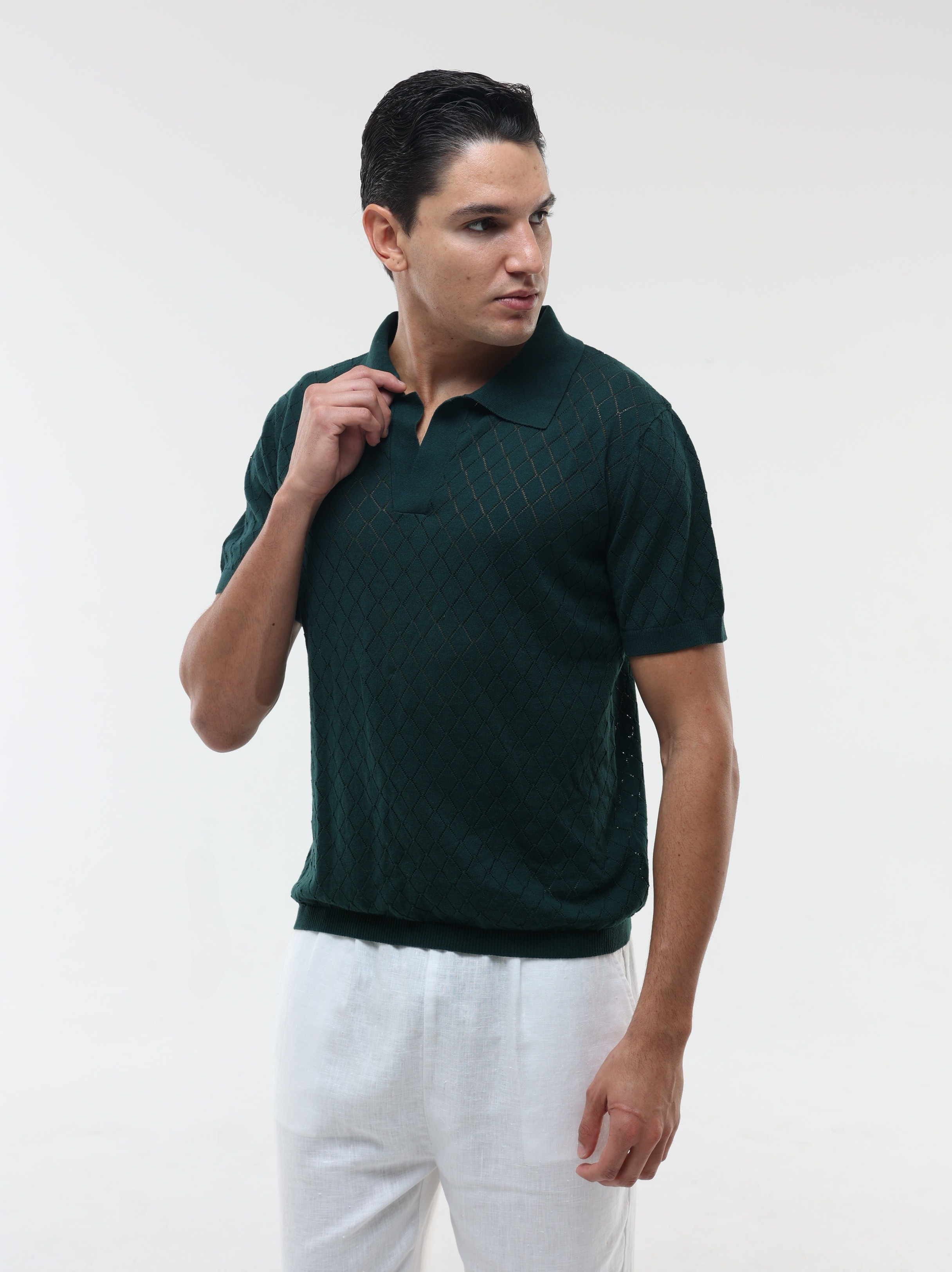
At ZAVI, consciously designed linen and cotton pieces are made for this kind of dressing: modern, modest, minimal, and ready to return to again and again. Choose the shirt that earns its place on ordinary days. Choose the trousers that make every top look more considered. The wardrobe you will value most is the one that supports your life, then quietly becomes part of your signature.