
What to Wear When the Heat Won’t Quit
The difference between getting dressed well in summer and regretting your outfit by 10 a.m. usually comes down to fabric.
Heat changes the way clothes behave. A sharp silhouette can feel heavy fast. A pretty top can turn clingy the second humidity rises. And pieces that look good on the hanger often fail outside, where real life means walking, commuting, sitting in traffic, and moving through air that feels almost still. If you want your wardrobe to work in warm conditions, start with breathable clothes for hot weather and build from there.
What makes clothes feel breathable in hot weather?
Breathability is partly about fabric, partly about construction, and partly about fit. People often focus on fiber first, and for good reason. Natural and plant-based fabrics like linen and cotton tend to allow more airflow than dense synthetics. They absorb moisture differently, dry at a different pace, and usually feel cooler against the skin.
But fabric content alone does not decide everything. A lightweight cotton poplin shirt can feel far cooler than a fitted synthetic tank, even if the tank looks smaller and simpler. A loose linen trouser can outperform a thick jersey short because air can actually circulate. Breathability comes from how a garment sits on the body, how tightly it is woven, and whether the cut gives heat somewhere to go.
That is why summer dressing is rarely about wearing less. It is about wearing smarter.
The best fabrics for breathable clothes for hot weather
Linen
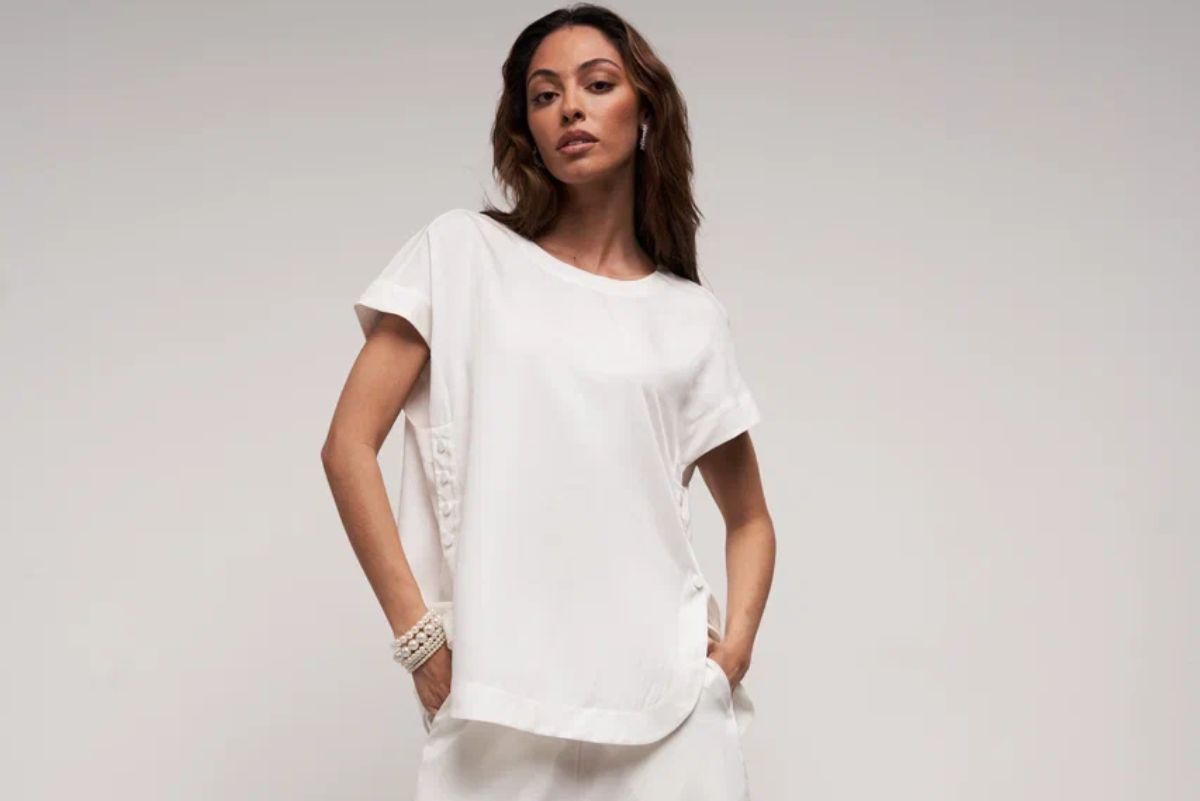
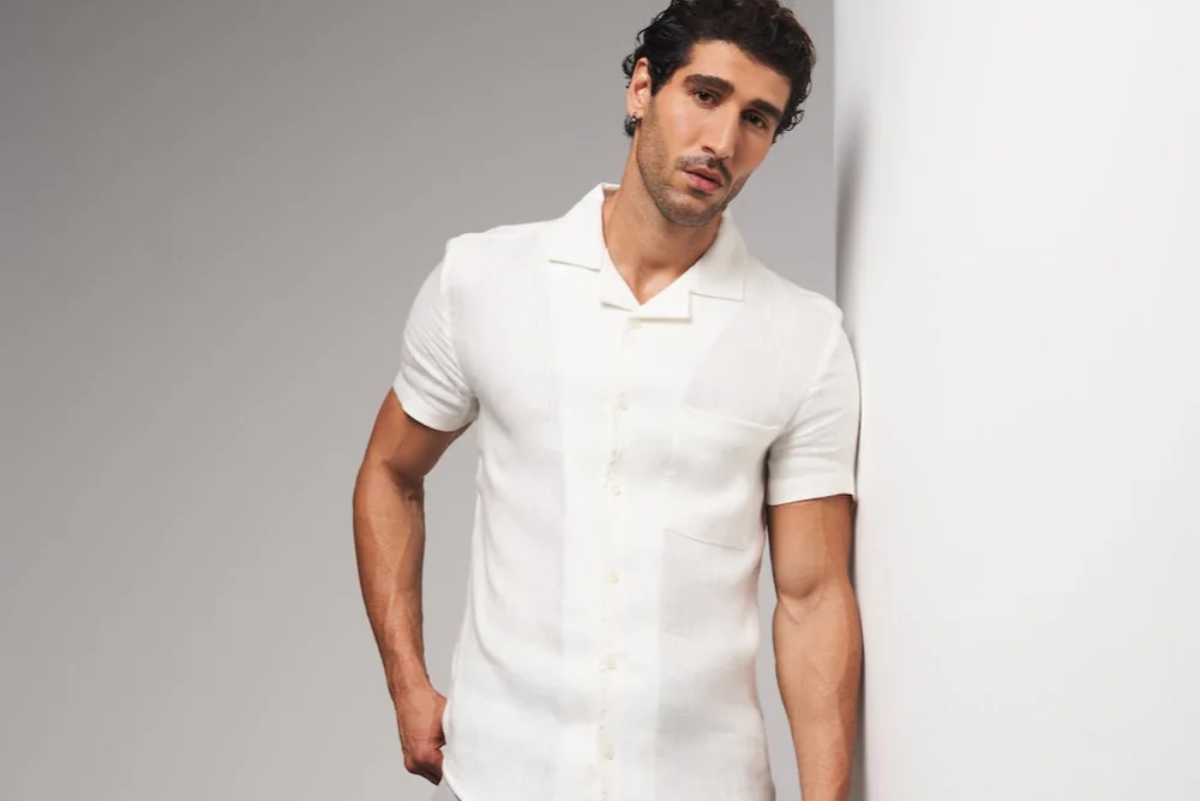
Linen is the standard for a reason. It is light, airy, and naturally suited to high temperatures. It does wrinkle, which some people still see as a drawback, but in hot weather that lived-in texture is often part of the appeal. Linen looks relaxed without looking underdressed, especially in clean tailoring, matching sets, oversized shirts, wide-leg pants, and easy dresses.
The trade-off is structure. Pure linen can feel crisp at first and may crease quickly through the day. If you prefer a smoother finish, a linen blend can offer a slightly more polished look while keeping much of that breezy comfort.
Cotton
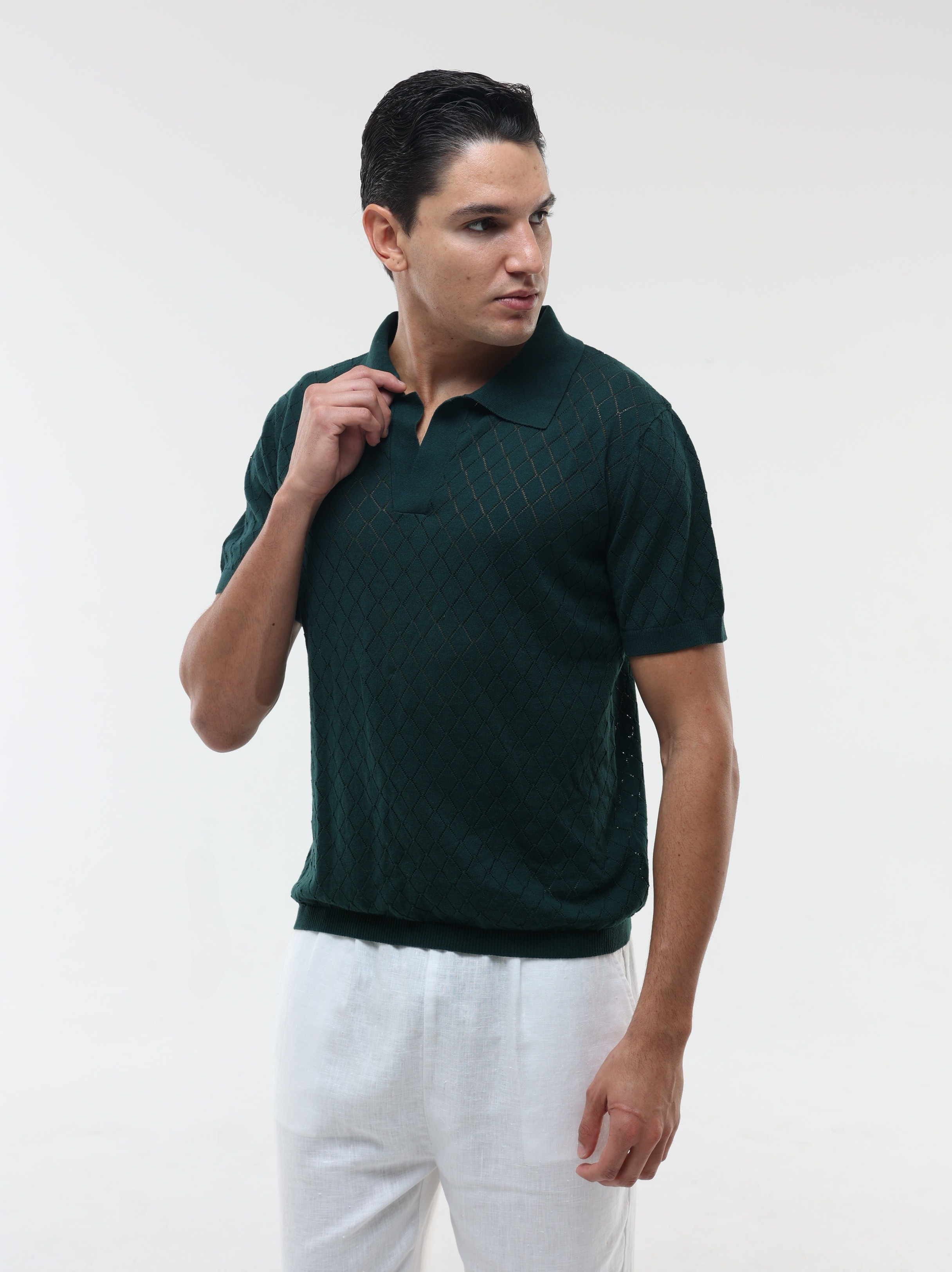
Cotton is one of the easiest warm-weather choices because it is familiar, versatile, and available in many finishes. Still, not all cotton feels the same in heat. Lightweight cotton voile, poplin, gauze, and seersucker tend to feel cooler than heavy cotton jersey or thick fleece-backed basics.
For everyday wear, cotton works especially well in shirts, relaxed trousers, T-shirts with room through the body, and dresses that skim rather than cling. If your summers are humid, cotton can absorb moisture well, though it may stay damp longer than linen. That makes garment shape even more important.
Lightweight blends
Some blends are worth considering, especially if you want less wrinkling or easier care. A linen-cotton blend can strike the balance many people want: breathable, soft, and more refined in appearance. The key is to check whether the blend keeps the fabric light. If added fibers make the garment dense or slick, the benefit disappears quickly.
This is where thoughtful design matters. Consciously designed pieces in natural-forward fabrications often feel better not just because of what they are made from, but because the fabric was chosen for the season, not just the silhouette.
Silhouettes that keep you cooler
A breathable fabric can only do so much if the cut traps heat.
Loose tailoring tends to outperform anything overly fitted in summer. Wide-leg pants, straight trousers with movement, oversized button-downs, boxy tops, relaxed dresses, and easy jumpsuits all create a little space between the body and the garment. That space matters. It allows air to move and reduces the sticky, clingy feeling that makes an outfit feel heavier than it is.
Sleeves can help too. This surprises people, but a lightweight long-sleeve linen shirt can feel cooler than a tight sleeveless top under direct sun. Coverage protects the skin, and if the fabric is airy enough, it can keep the overall outfit feeling balanced.
Length is also more flexible than most summer dressing advice suggests. You do not need to default to shorts to stay cool. Full-length linen trousers, airy maxi dresses, and relaxed jumpsuits often feel better in real heat, especially when you are moving between outdoor temperatures and heavily air-conditioned interiors.
How to dress for different kinds of heat
Dry heat
In dry climates, airflow is your advantage. Linen shirts, cotton dresses, and relaxed separates tend to perform well because sweat evaporates more easily. You can wear longer layers without feeling weighed down, provided the fabric stays light.
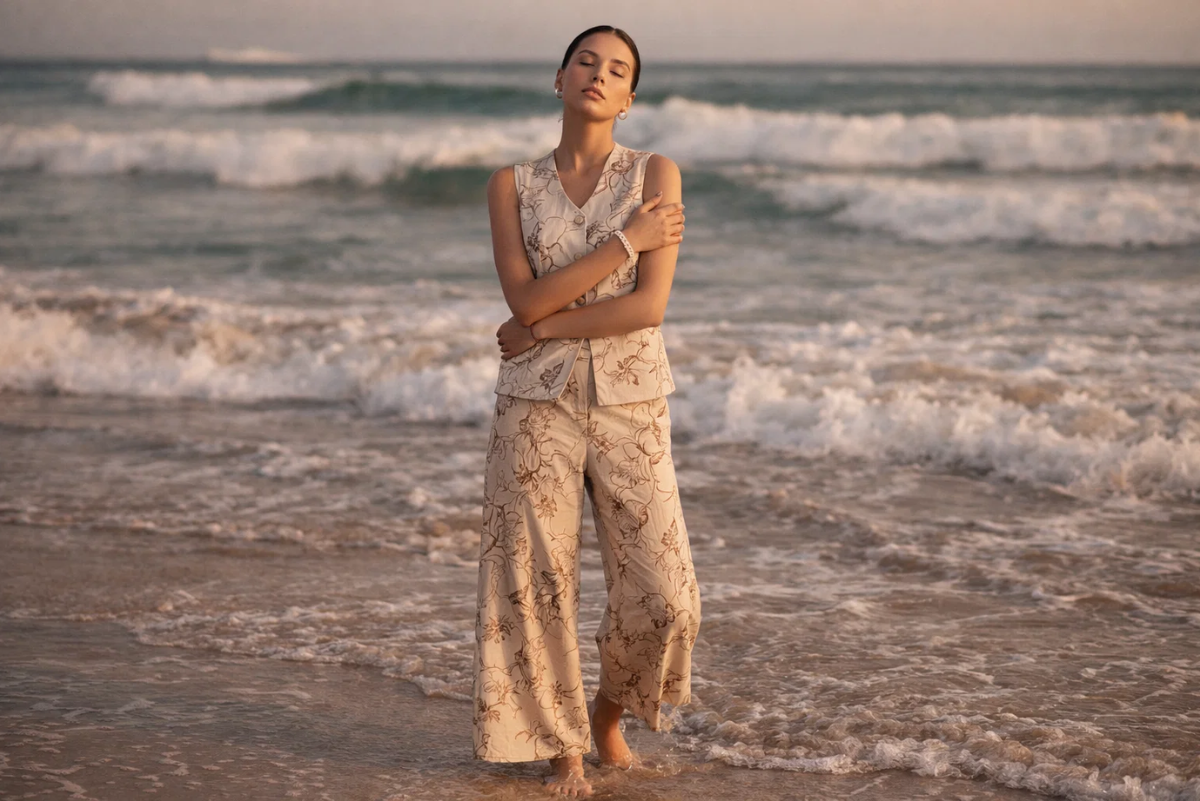
This is a good setting for structured minimal pieces that still breathe: a crisp cotton shirt with loose trousers, a linen waistcoat with matching pants, or a sleeveless dress with clean lines.
Humid heat
Humidity is less forgiving. Clothes that touch too much of the body can quickly feel uncomfortable, even if the fabric is technically breathable. In these conditions, prioritizing roomier silhouettes matters as much as fabric choice.
Look for pieces that skim the body instead of hugging it. A-line dresses, wide-leg pants, airy co-ords, and popover shirts tend to work well. If you know you will be outside for long stretches, avoid anything too layered or lined unless the lining is equally light.
Travel heat
Travel wardrobes need versatility. The best hot-weather pieces move across settings and repeat easily without feeling stale. A linen shirt can work as a top layer, beach cover-up, airport piece, or dinner separate. A matching set saves mental effort and still looks considered. Neutral tones also help because they style across more combinations while keeping the wardrobe visually calm.
This is where a minimal closet earns its place. Fewer pieces, better fabrics, stronger repeat wear.
The summer pieces worth prioritizing
If you are editing your wardrobe rather than rebuilding it, start with the pieces that do the most work.
A breathable button-down is one of them. It can be worn open over a tank, tucked into trousers for work, or paired with shorts or a skirt on weekends. A relaxed trouser in linen or lightweight cotton is another. It solves the common summer problem of wanting coverage without discomfort.
Dresses are efficient in heat because they create airflow with very little styling effort. The best options are not overly complicated. Clean lines, light fabrics, and easy movement matter more than excessive detail. Jumpsuits can work the same way, though fit matters more. If the rise, waist, or torso feels restrictive, they can become less practical in high temperatures.
Matching sets are especially useful for a polished summer wardrobe. They look intentional with almost no effort and can be split into separate outfits later. For professionals, this matters. You want pieces that hold their shape and appearance through a long day, not just for the first hour.
What usually makes summer clothes feel wrong
Sometimes the issue is not that a garment is heavy. It is that it is working against the weather in small ways.
A polyester lining inside an otherwise lightweight dress can trap heat. A top with a very tight armhole can restrict airflow. Thick waistbands, bulky pockets, and synthetic-heavy stretch fabrics can all make a piece feel warmer than expected. Even color can play a role outdoors, though fabric weight and fit matter more than many people assume.
This is why shopping for summer is less about trend language and more about reading a garment honestly. Touch the fabric. Check the lining. Notice the cut. Ask whether it will still feel good after a commute, not just under indoor lighting.
Building a more breathable wardrobe, not a bigger one
The smartest summer wardrobes are not packed. They are selective.
Choose a small set of breathable foundations in shapes you actually wear: an oversized linen shirt, a cotton poplin top, easy pants, one or two dresses, and a matching set that can flex between weekday and weekend. When the fabric is right and the silhouette is considered, repetition looks intentional rather than repetitive.
This approach also aligns with a more conscious way of buying. Natural and plant-based fabrics tend to support the kind of repeat wear people actually want in warm weather. You reach for them often because they feel better. That matters more than having more options that sit untouched.
For shoppers building a modern, minimal wardrobe, this is where brands like ZAVI make sense - clean silhouettes, breathable fabrications, and consciously designed pieces that fit into real daily wear rather than one-off moments.
Care matters more than people think
Even the best breathable clothes for hot weather lose their appeal if they are not cared for properly. Overdrying can make natural fabrics feel rough. Improper storage can leave linen deeply creased. Heavy starch or harsh finishing products can change the hand feel of a garment and make it less comfortable against the skin.
A little softness goes a long way in summer. Wash gently, avoid unnecessary heat, and let the fabric keep some of its natural character. Perfectly pressed is not always the goal. Comfortable, easy, and polished enough usually is.
The best hot-weather wardrobe should feel like relief the moment you put it on. If a piece looks beautiful but makes you think about heat all day, it is not doing enough. Choose fabric first, shape second, and keep the rest simple.