

Are Matching Sets Worth Buying for Everyday Wear?
A well-cut matching set solves the 8 a.m. question of what to wear without making your wardrobe feel predictable. But are matching sets worth buying when you could choose separates with more obvious styling options? For a considered wardrobe, the answer is often yes - provided the fit, fabric, and individual pieces earn their place.
The best sets offer more than a ready-made outfit. They create a polished silhouette in seconds, then break apart into reliable everyday layers. A linen shirt and wide-leg pant can become a travel uniform, a meeting-ready look, or two separate foundations for the rest of your closet. That is where their value lives.
Are Matching Sets Worth Buying? Start With Versatility
A matching set is not worth buying simply because it looks good together on a product page. It is worth buying when each piece works just as hard alone.
Think of a relaxed cotton overshirt paired with matching trousers. Worn together, it feels intentional and refined. On another day, the shirt can sit open over a tank and denim, while the trousers work with a fitted knit, crisp button-down, or simple tee. One purchase creates several distinct outfit directions without asking you to buy more.
This is particularly useful for a capsule wardrobe. Coordinated pieces reduce decision fatigue while preserving options. The color, texture, and proportions are already resolved, so getting dressed is faster. Yet unlike a dress or jumpsuit, a two-piece set gives you flexibility when the weather, dress code, or your plans change.
The strongest sets tend to have clean lines and restrained details. A neutral palette, considered cut, and minimal hardware make them easier to restyle across seasons. A bold print can be beautiful, but it may limit how often you reach for the individual pieces. If repeat wear is your priority, let the silhouette do the work.
The Cost-Per-Wear Test
The price of a matching set can initially feel higher than buying one top or one pair of pants. The better comparison is not one garment against another. It is the set against the number of outfits it can realistically create.
Before buying, picture the set worn three ways: together, with the top styled separately, and with the bottom styled separately. Then picture each piece in at least two more looks using items you already own. If the answers come quickly, the set has real wardrobe potential.
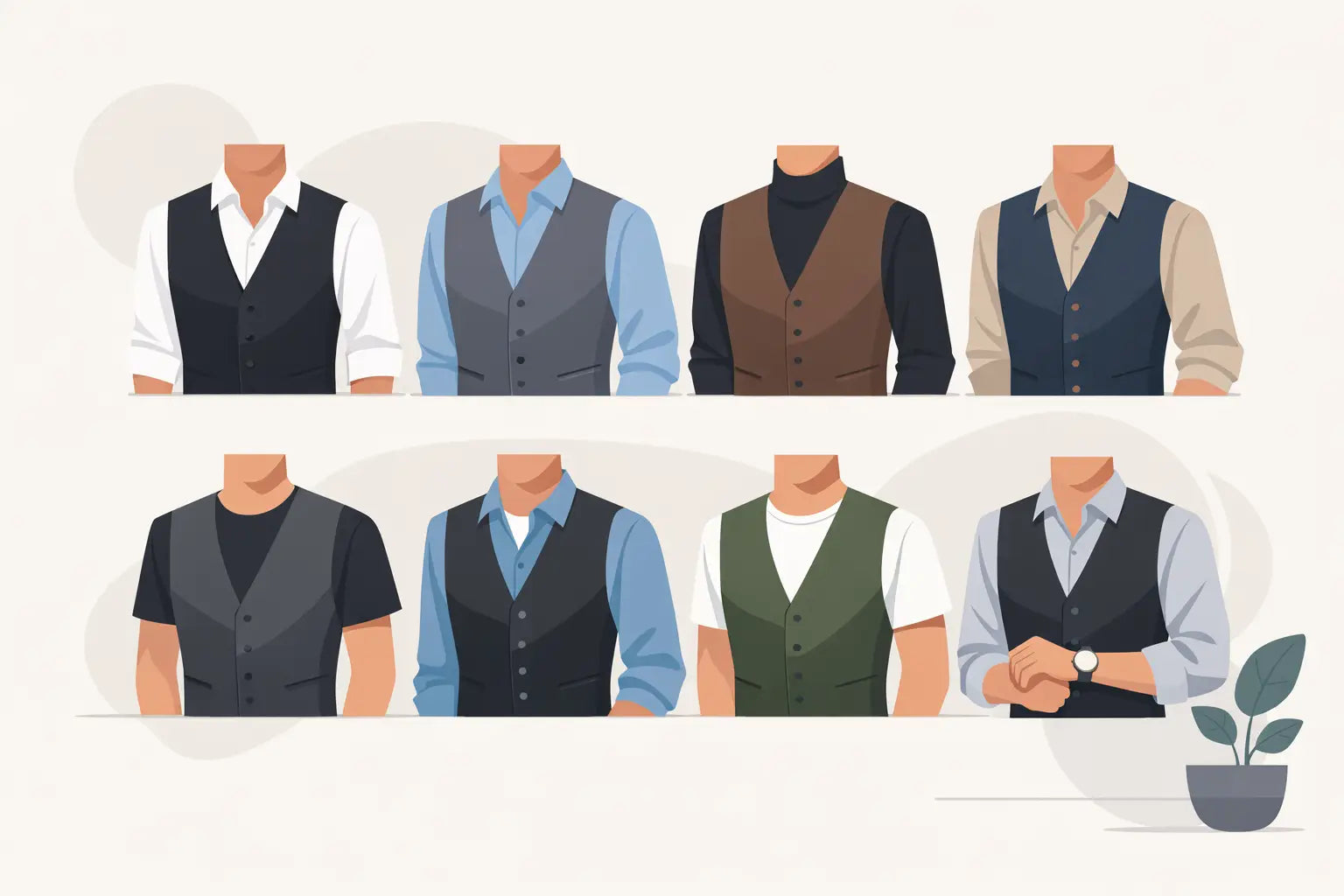
A tailored waistcoat and trouser set, for example, can move beyond one formal look. Wear both with a crisp shirt for work. Style the waistcoat with relaxed jeans for dinner, or pair the trousers with a lightweight knit for an understated office outfit. When the pieces are comfortable enough to wear often, their cost per wear drops naturally.
A set is less compelling when it only works as a full look, requires a specific shoe to feel right, or sits outside your actual routine. Occasionwear has its place, but it should be purchased with clear intention. An outfit designed for one vacation dinner is not necessarily a wardrobe investment.
Fabric Changes the Equation
Matching sets are often chosen for ease, especially in warm climates, on travel days, and during full schedules. Fabric determines whether that ease lasts beyond the first wear.
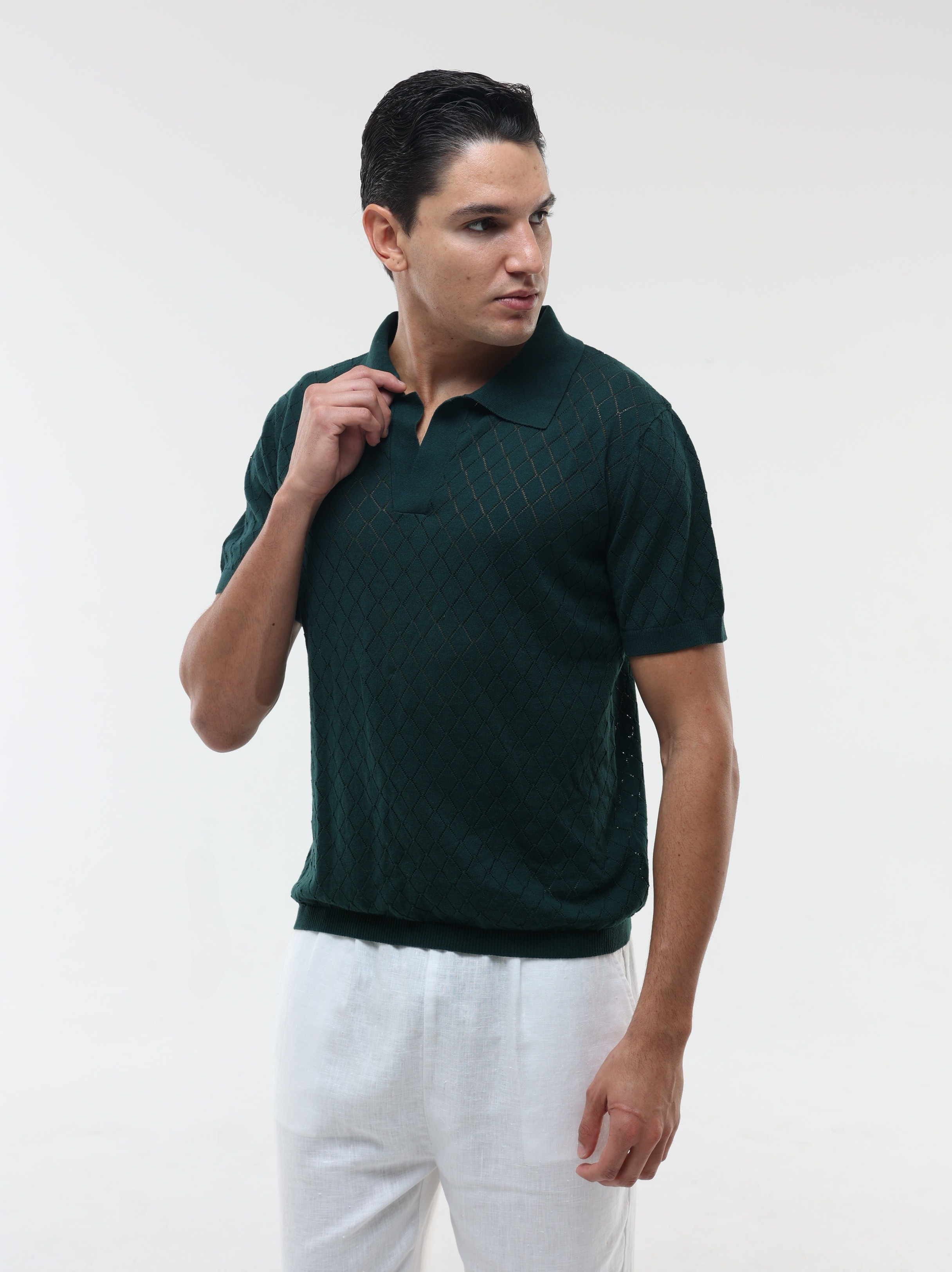
Natural and plant-based fabrics such as linen and cotton bring breathability, softness, and an unfussy finish that suits coordinated dressing. Linen has an airy, lived-in texture that makes a matching shirt-and-pant set feel relaxed rather than overdone. Cotton offers structure and comfort, making it especially useful for elevated basics and everyday loungewear.
Fabric also affects how easily a set transitions between settings. A lightweight linen set can work with flat sandals for a daytime coffee, then take on a sharper mood with leather slides or a low heel in the evening. A dense cotton set may hold its shape better for work and travel while still feeling comfortable off duty.
Care is part of the calculation, too. Choose materials you are prepared to maintain. Linen’s natural creasing is part of its character, not a flaw. If you prefer a crisp finish, you may need to steam it. A set that suits your habits is more likely to be worn, cared for, and kept.
Fit Matters More Than the Match
A coordinated color story cannot compensate for a poor fit. Because both pieces are visually connected, proportions become more noticeable. The goal is not necessarily a body-hugging shape. It is balance.
With relaxed trousers, a more defined top can create contrast. With an oversized shirt, a straight or tapered bottom may keep the overall look grounded. If both pieces are intentionally loose, look for details that bring shape: a structured collar, a drawstring waist, a cuffed sleeve, or a clean shoulder line.
Pay attention to where you will wear the set most. For work, a blazer-and-trouser or waistcoat-and-pant pairing should allow easy movement when sitting and commuting. For resort wear, breathable fabric and a relaxed cut may matter more than sharp tailoring. For loungewear, softness is essential, but a clean silhouette keeps the look polished enough for plans beyond home.
It is also worth checking whether the top and bottom need different sizes. Many people have different proportions above and below the waist. Separates sold as a set can be limiting if the sizing is fixed, while coordinated pieces available individually offer a more personal fit with the same finished effect.
When a Matching Set May Not Be the Right Buy
Matching sets are not a shortcut for every wardrobe. If you already own several similar trousers but rarely wear button-down shirts, another shirt-and-pant pairing may create duplication rather than flexibility. The same is true if the color does not work with your existing shoes, outerwear, and bags.
Trend-led details deserve a pause as well. An exaggerated cut or highly specific print can make an outfit feel current, but it may not offer the longevity that a minimalist wardrobe needs. This does not mean avoiding personality. It means choosing one distinctive element - a rich color, textured fabric, or interesting shape - while keeping the rest easy to style.
A matching set can also feel too formal if every element is perfectly coordinated. The fix is simple: break it up. Add a contrasting tee, wear the shirt open, introduce denim, or switch tailored shoes for clean sneakers. The set should support your style, not make you feel dressed for a role.
How to Make a Matching Set Work Harder
Start by wearing the full set with simple accessories. Let the shape and fabric speak first. Then separate the pieces early, rather than saving them for a special occasion. This is how a coordinated purchase becomes part of your real wardrobe.
For a polished weekday look, pair matching trousers with a fine knit or fitted tee and wear the coordinating overshirt or blazer as an outer layer. For an off-duty version, style the set’s top with relaxed denim or shorts. On vacation, a linen set can be split between daytime sightseeing and evening plans with only a change of shoes and jewelry.
Keep the supporting pieces quiet. Leather sandals, a structured tote, a minimal belt, and simple jewelry give coordinated outfits range without competing with them. In cooler months, layer a neutral coat, trench, or knit over the set instead of treating it as a warm-weather-only purchase.
The most worthwhile matching sets make getting dressed feel easier while giving you more ways to dress. Choose breathable fabrics, a silhouette you will return to, and pieces that stand confidently on their own. Then wear them together first - and everywhere else after.