
What Makes Clothing Sustainable?
A blazer you wear twice a week for three years is usually a better sustainability choice than a cheaper one that loses shape after one season. That is the real starting point for understanding what makes clothing sustainable. It is not one label, one fabric, or one claim. It is the full picture - how a garment is made, what it is made from, how often it gets worn, and how long it stays in your wardrobe.
For a style-conscious shopper, sustainability is less about perfection and more about design with intention. The best pieces do more with less. They fit into real life, work across seasons, and feel good enough to wear on repeat. That matters because the most sustainable clothing is rarely the item with the loudest marketing. It is the one that earns its place in your closet.
What makes clothing sustainable in practice
Sustainable clothing starts with materials, but it does not end there. Fabric choice affects water use, chemical use, comfort, durability, and how a garment performs over time. Natural and plant-based fibers such as linen and cotton are often part of the conversation because they are breathable, versatile, and familiar for everyday wear.
Still, no fabric is automatically sustainable in every context. Cotton can be soft, durable, and easy to wear, but its impact depends on how it is grown and processed. Linen is widely valued because flax typically requires fewer inputs than many conventional crops, yet the finishing, dyeing, and transport still matter. A better question than “Is this fabric sustainable?” is “How was this fabric sourced, treated, and used?”
Construction matters just as much. If a shirt is made from a lower-impact fabric but twists after washing or wears thin too quickly, its sustainability claim weakens fast. A garment that holds shape, resists pilling, and stays relevant beyond one trend cycle is usually the stronger choice. Longevity is not a nice extra. It is central to the equation.
Materials are the beginning, not the whole answer
There is a reason shoppers increasingly look for linen, cotton, and other natural fibers. They tend to feel better against the skin, especially in warm weather and layered wardrobes. They also align well with a modern, minimal closet built around repeat wear.
But sustainable materials are not just about being natural. They should also serve the garment well. A workwear trouser needs structure. A resort shirt needs breathability. A lounge set needs softness and resilience. When fabric and function match, the piece gets worn more often. That is where sustainability becomes practical, not just theoretical.
Blended fabrics can be a gray area. Sometimes they improve stretch, durability, or drape. Sometimes they make recycling harder at end of life. Neither side tells the whole story on its own. The right material choice depends on the category, the intended use, and whether the garment is built to justify its footprint through long-term wear.
Design is one of the most overlooked sustainability decisions
A sustainable garment should be easy to keep in rotation. That sounds simple, but it changes everything. Trend-driven design often creates a short shelf life in the wardrobe, even when the item is physically intact. On the other hand, clean lines, modern silhouettes, and versatile colors tend to support repeat styling.
This is where minimal design has an advantage. A well-cut shirt, tailored trouser, relaxed dress, or sharp blazer can move across settings with minor changes in styling. When a piece works for work, weekends, travel, and dinner plans, it reduces the need for excess buying. Fewer pieces. More outfits. Better wear count.
Fit also matters. Clothing that feels restrictive, overly delicate, or hard to care for often gets ignored. Sustainable fashion has to function in real wardrobes. If it cannot keep up with daily life, it will not stay in use long enough to matter.
What makes clothing sustainable beyond the fabric
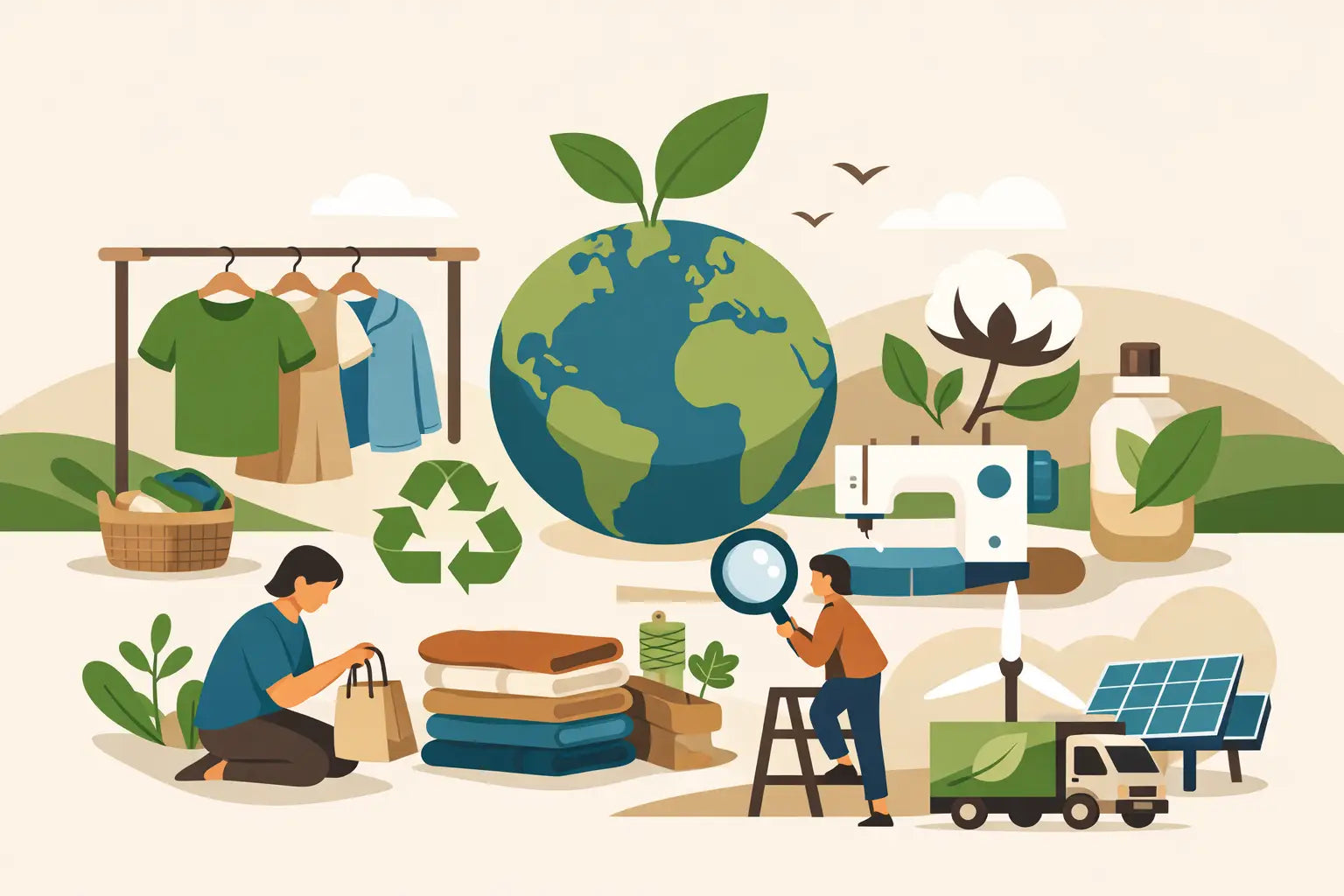
Production methods shape impact in ways shoppers do not always see at first glance. Dyeing, washing, finishing, cutting, and shipping all add up. Waste can happen at every stage, especially when brands overproduce or chase micro-trends that quickly lose demand.
That is why thoughtful production is part of what makes clothing sustainable. Smaller runs, intentional collections, and limited-edition capsules can help reduce excess inventory. So can designing by category and season in a way that reflects how people actually dress, rather than flooding the market with disposable options.
Packaging and logistics matter too, though they should not distract from the garment itself. A recycled mailer is positive, but it does not compensate for poor-quality clothing. The biggest wins usually come from making fewer, better pieces and helping customers choose well the first time.
Cost, value, and the fast fashion trap
Sustainable clothing often costs more upfront. That can be frustrating, and it is one reason the conversation gets simplified too often. Price alone does not make a garment ethical or sustainable. But very low prices usually signal pressure somewhere in the system - materials, labor, quality, or all three.
The better way to think about value is cost per wear. If a linen shirt becomes your go-to for office days, vacations, and weekends, its value changes quickly. The same goes for a structured blazer or a matching set that can be styled together or separately.
This does not mean every sustainable purchase has to be expensive or precious. It means the piece should justify its place. Good design, lasting quality, and everyday versatility are often better indicators than a broad claim on a tag.
Care is part of sustainability
Even well-made clothing can lose years of life through poor care. Washing too often, using high heat, or storing pieces badly shortens their lifespan. Sustainable clothing should be designed to last, but customers also play a role in that lifespan.
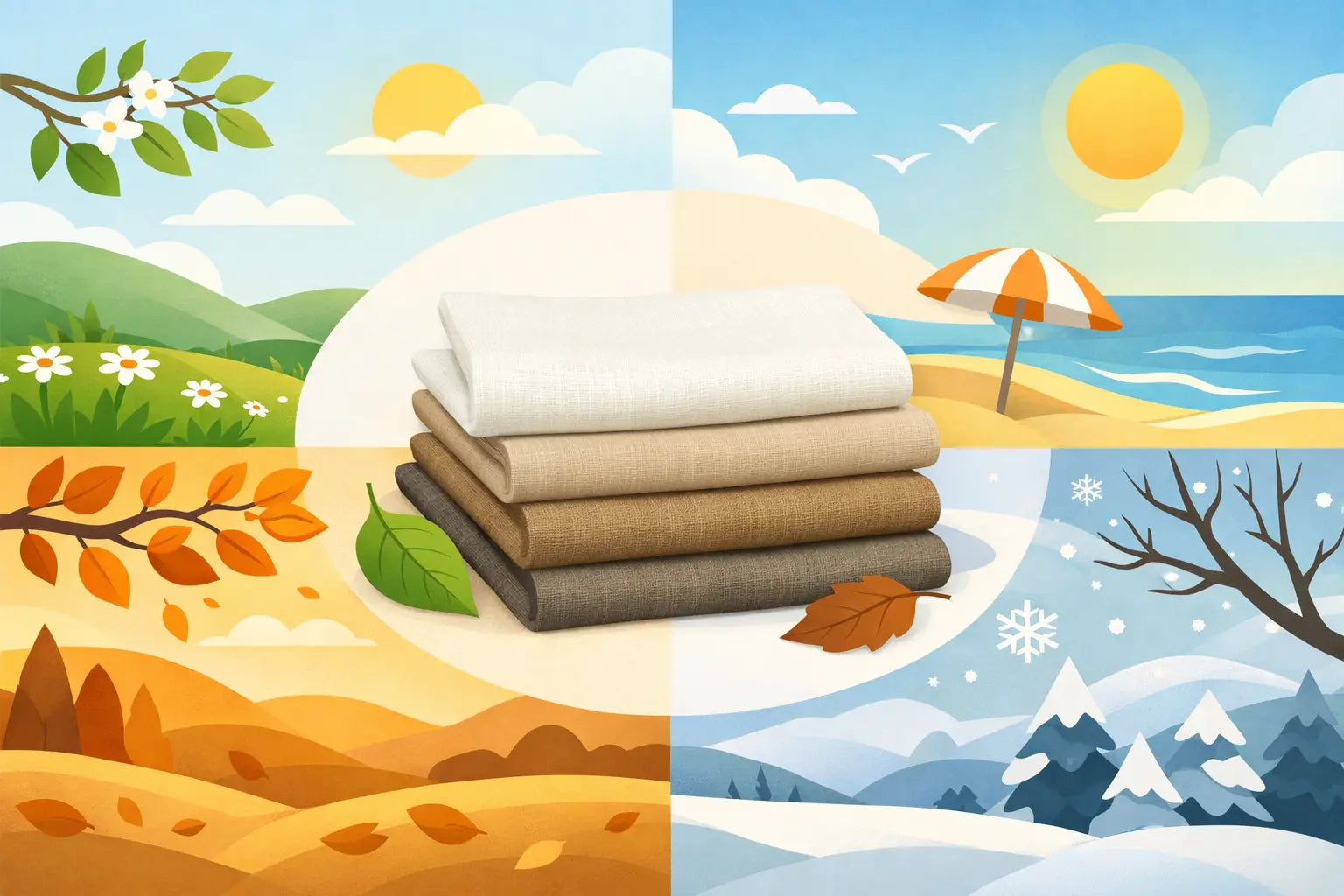
This is where natural fabrics can be appealing. Many are comfortable, breathable, and easier to wear repeatedly before washing, depending on the garment. That can reduce energy and water use over time. Still, each fabric has its own needs. Linen softens beautifully with wear, but it benefits from gentle care. Cotton is versatile, but better results come from avoiding excessive heat and over-drying.
A sustainable wardrobe is not just what you buy. It is what you maintain. Repairing a loose button, steaming instead of overwashing, and storing garments properly are small decisions with real impact.
How to spot better choices without overcomplicating it
Most shoppers do not want to investigate a garment like a supply chain analyst. Fair enough. The goal is not to turn every purchase into homework. It is to know what signals matter.
Start with the fabric composition and ask whether it suits the garment’s purpose. Then look at the build - seams, weight, lining, and overall finish. Consider whether the silhouette has staying power in your wardrobe and whether you can style it at least three ways. Finally, ask the simplest question: will you actually wear it often?
Brand clarity matters too. If a company talks about sustainability, the message should be specific enough to mean something. Plant-based fabrics, conscious design decisions, and a visible values framework are stronger signals than vague language. The best brands make sustainability part of the product standard, not a separate capsule meant to offset everything else.
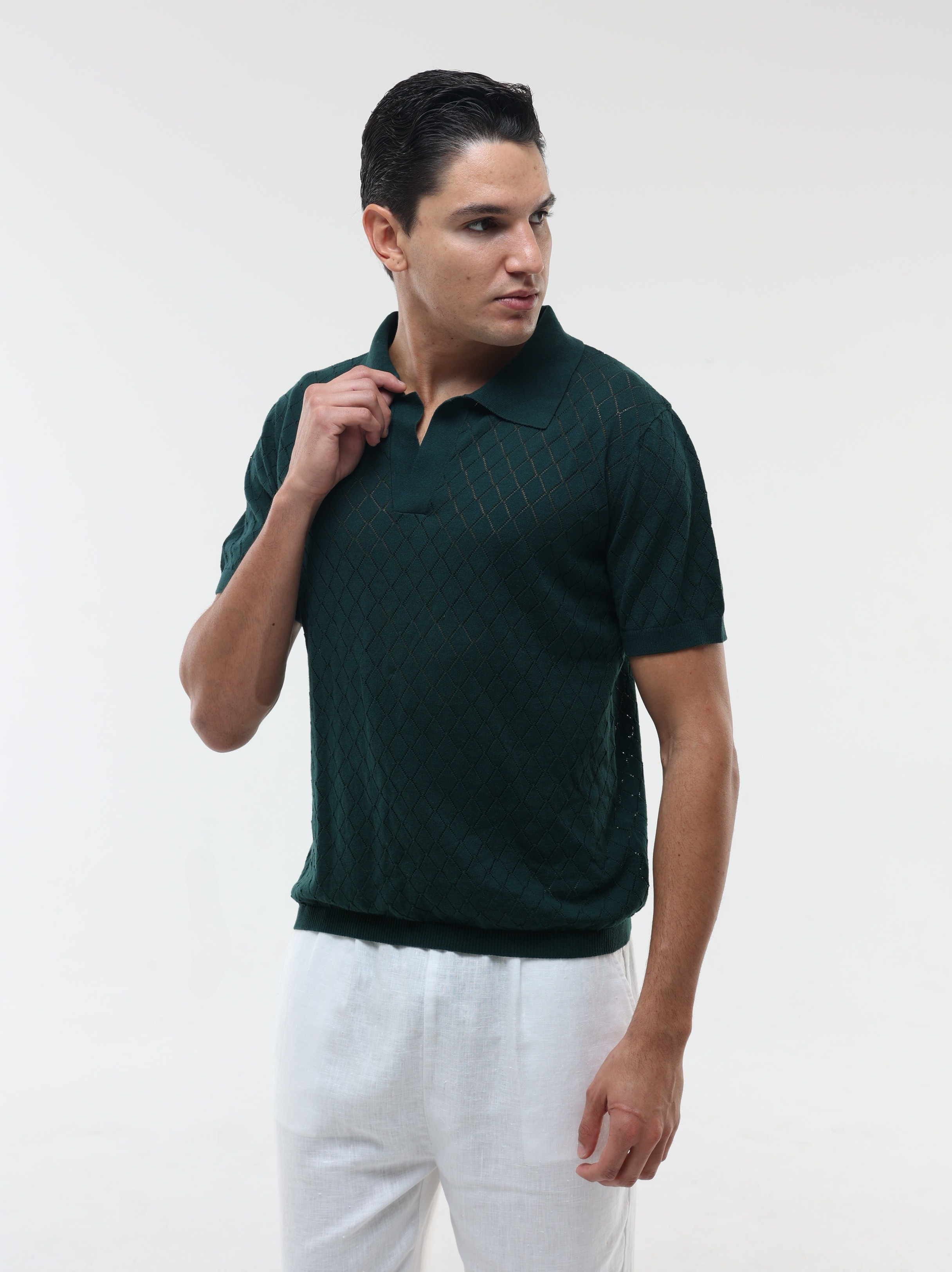
For shoppers building a cleaner, more versatile closet, that often means choosing pieces that feel elevated but unfussy. Shirts that breathe. Trousers that hold shape. Dresses that move from day to night. Layers that work across seasons. At ZAVI, that idea shows up in consciously designed clothing built around natural and plant-based fabrics, with a focus on modern repeat wear rather than short-term novelty.
The real test of sustainable fashion
A sustainable garment should meet three standards at once. It should be made with better material choices, produced with more care, and designed to stay relevant in your wardrobe. Miss one of those, and the claim gets weaker.
That is the trade-off many people miss. The lowest-impact fabric on paper is not necessarily the best option if the item is poorly made or rarely worn. A highly durable piece is not automatically the answer if the material and production process are needlessly intensive. Sustainability is not one feature. It is the balance between impact, wearability, and longevity.
A good wardrobe does not need to be oversized to feel complete. It needs pieces that work harder, last longer, and feel right every time you put them on. When clothing is designed that way, sustainability stops feeling abstract and starts looking a lot like everyday style done well.