

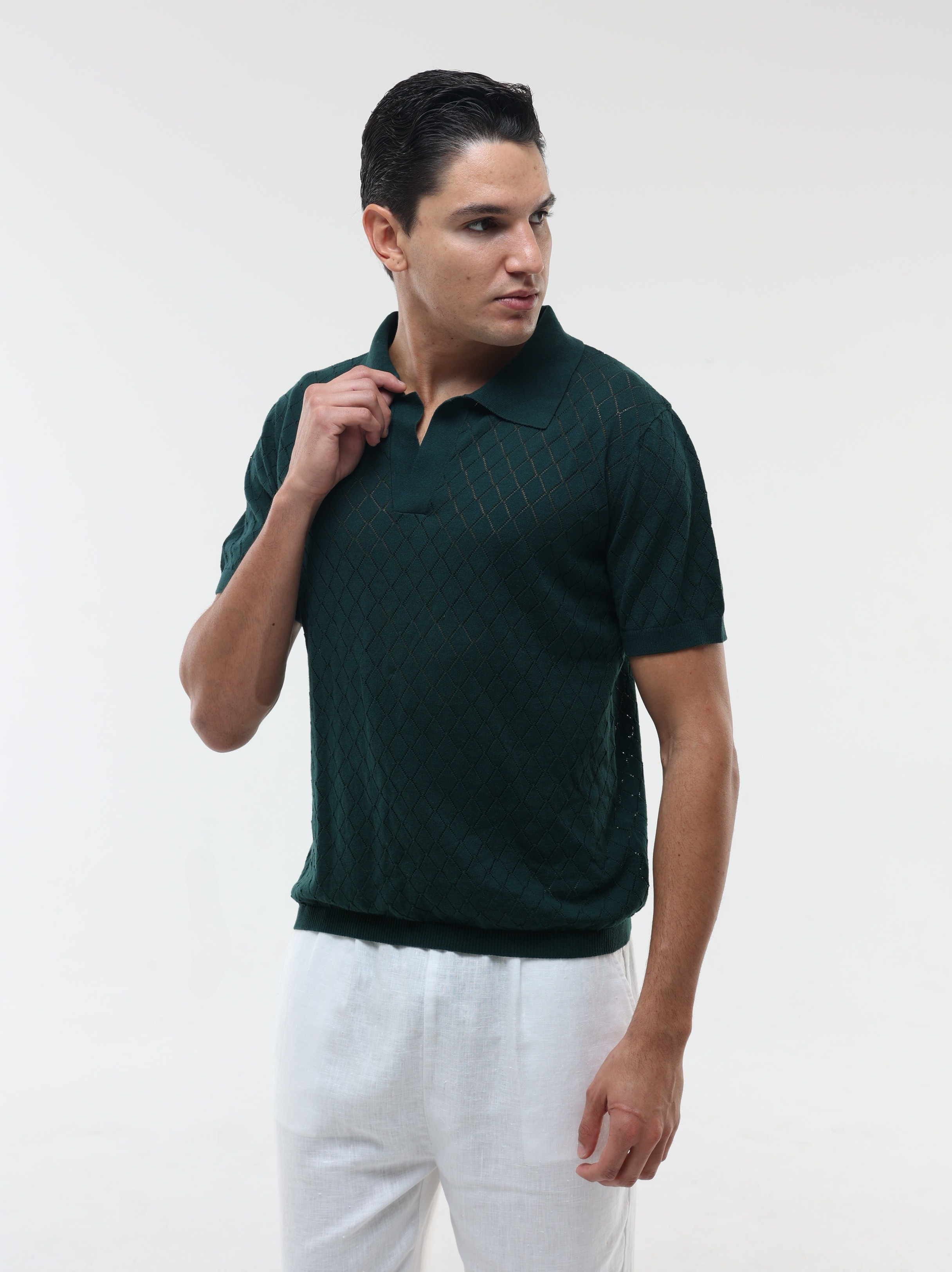

Cotton Basics for Workwear That Last
A work wardrobe gets tested fast. Long commutes, over-air-conditioned offices, warm afternoons, back-to-back meetings, last-minute dinners - few pieces earn their place unless they feel good for hours and still look pulled together. That is exactly why cotton basics for workwear matter. They bring ease, breathability, and structure to the part of your closet that gets the most repeat wear.
Not every cotton piece belongs in a professional rotation, though. The difference is in the weight, finish, fit, and how the garment works with the rest of your wardrobe. When chosen well, cotton basics can look sharp enough for the office and relaxed enough for everything after.
Why cotton basics for workwear make sense
Cotton has range. It can feel crisp and tailored in a poplin shirt, soft and refined in a jersey top, or more substantial in twill trousers and structured overshirts. For workwear, that range matters because most people are not dressing for one fixed setting anymore. The same outfit often needs to move across desks, coffee meetings, travel days, and evening plans.
Comfort is the obvious advantage, but it is not the only one. Cotton is breathable, easy to layer, and familiar against the skin, which makes it more wearable over long days. It also supports a cleaner, more minimal wardrobe because the best cotton basics are simple by design. They do not need much styling to look intentional.
There is a trade-off, and it is worth acknowledging. Cotton can wrinkle, especially in lighter weaves, and not every knit or woven fabric will hold a sharply tailored line all day. If your workplace leans highly formal, cotton basics work best as balancing pieces rather than the full look. In most modern offices, though, that slight softness is part of the appeal. It reads polished without feeling overdone.
The pieces worth building around
The strongest work wardrobe basics are the ones that solve multiple outfit decisions at once. A cotton button-down is the clearest example. It works tucked into tailored pants, layered under a blazer, or worn with a matching waistcoat for a more directional look. A good one should feel crisp but not stiff, with enough structure at the collar and cuffs to hold shape through the day.
A fitted or clean-cut cotton top is equally useful, especially in warm climates or transitional offices where heavy layering is unrealistic. It can anchor wide-leg trousers, soften the line of a structured blazer, or sit neatly under a lightweight jacket. The key is restraint. Clean necklines, smooth finishes, and an intentional fit make a basic top look elevated.
Cotton trousers deserve more attention than they usually get. In a twill or structured weave, they offer the comfort people want from everyday dressing while still holding a refined silhouette. Straight-leg, tapered, and wide-leg cuts all work, depending on your office and your proportions. What matters more is drape and finish. If the fabric collapses too easily or clings in the wrong places, it will read casual fast.
Then there are the pieces that bridge categories: cotton shirt dresses, utility-inspired jackets, and matching sets. These are especially strong for professionals who want fewer items with more styling mileage. A shirt dress can shift from desk to dinner with a belt and better shoes. A cotton jacket can replace a blazer on less formal days while still giving the outfit definition.
What separates elevated basics from average ones
Minimal wardrobes live or die on fabrication. When a piece is simple, every detail becomes more visible. That is why cotton basics for workwear should never be chosen on softness alone.
Start with weight. Very thin cotton often feels good at first touch, but it may turn sheer, wrinkle heavily, or lose its shape by midday. A slightly more substantial fabric usually performs better for work. It hangs more cleanly, offers better coverage, and tends to look more premium.
Then look at the surface. Crisp poplin brings more structure and formality. Brushed cotton feels softer and more relaxed. Jersey can work beautifully for tops, but it should not look flimsy. Ribbed cotton can be flattering and modern, especially under tailoring, as long as it keeps a clean line.
Fit matters just as much as fabric. Oversized can be elegant, but only when it looks deliberate. Too much volume without structure can make even a beautiful cotton piece feel unfinished. The same goes for body-skimming basics. Close fit is useful under blazers and jackets, but it should never feel tight enough to pull or twist through the day.
Color also changes the effect. White, black, navy, stone, and soft neutrals tend to give cotton basics a more elevated presence. These shades make it easier to build repeat outfits and keep the overall wardrobe aligned. Brighter colors can work, but in workwear they are often strongest as accents rather than foundations.
How to style cotton basics without looking too casual
The easiest way to make cotton feel office-ready is to pair softness with structure. A cotton tee or top under a tailored blazer creates that balance immediately. So does a crisp cotton shirt with clean trousers and a strong belt. When one piece is simple, another piece should define the outfit.
Proportion helps. If your top is relaxed, choose a more tailored bottom. If your pants are wide and fluid, keep the top neater through the shoulders or waist. Cotton basics shine when the silhouette feels considered, not accidental.
Texture is another quiet tool. Smooth cotton paired with woven tailoring, a matte waistcoat, or a structured jacket adds depth without relying on prints or excess detail. This is where minimal dressing becomes more interesting. You do not need more pieces. You need the right contrast.
Shoes and accessories finish the look. Loafers, clean heels, sleek flats, and structured bags pull cotton into workwear territory quickly. The same shirt that feels casual with sneakers can look fully office-ready with sharper styling.
For warmer months, this matters even more. Lightweight cotton tops, breathable shirts, and easy trousers can carry a full work wardrobe if the styling stays clean. In that kind of rotation, simplicity is a strength. It keeps getting dressed fast and reliable.
Building a better rotation with fewer pieces
A strong workwear wardrobe does not need volume. It needs consistency. That is where cotton basics perform especially well because they invite repeat wear without feeling repetitive.
Think in combinations rather than single items. A crisp shirt that works with two trousers, one skirt, and under a blazer is more valuable than a statement piece you wear once a month. The same logic applies to cotton tops, matching separates, and lightweight layers. When each piece connects to several others, the closet becomes easier to use.
This is also where consciously designed materials matter. Natural fabrics support the kind of wardrobe people actually keep reaching for - breathable, dependable, and comfortable enough for real days. For a brand like ZAVI, that balance between modern minimalism and plant-based fabrics is not a trend move. It is the foundation of better repeat wear.
There is no single formula for every office. Some workplaces still call for more traditional tailoring, while others allow a much softer dress code. Cotton basics fit both, but the mix changes. In more formal settings, keep cotton closer to shirts and refined base layers. In creative or modern offices, cotton can carry most of the outfit, especially when the cut is clean and the palette stays restrained.
Care is part of the look
Even the best cotton basics will not stay polished without proper care. This is not about making clothing precious. It is about keeping good pieces in regular rotation longer.
Wash less when possible, especially for structured items that are not visibly soiled. Overwashing fades color, stresses fibers, and can wear down shape faster than people expect. A quick steam often revives cotton better than another full wash cycle.
When laundering, pay attention to temperature and drying. High heat can shrink fabric, dull the finish, and change the fit. Air drying or low heat usually preserves the garment better. For shirts and trousers, taking a minute to smooth seams and collars before drying can make a noticeable difference.
Storage matters too. Fold heavier knits so they do not stretch. Hang shirts and jackets on proper hangers to maintain shoulder shape. These are small habits, but they keep basics looking intentional rather than tired.
The best workwear pieces are rarely the loudest ones. They are the shirts, tops, trousers, and layers you trust on a Monday morning when there is no time to second-guess the outfit. Choose cotton basics with structure, wear them with purpose, and let simplicity do more of the work.