
What Makes a Minimal Wardrobe Truly Sustainable?
You can spot the difference in five seconds.
A “minimal” brand that cycles micro-trends every week looks clean on a grid, then falls apart in real life - after two washes, after one long day, after one season. A sustainable minimalist wardrobe does the opposite. It holds its shape, repeats without effort, and gets better at the job the more you wear it.
That is the real test of a sustainable minimalist clothing brand: not how neutral the color palette is, but how reliably the pieces earn their place.
Minimalism is a wear strategy, not an aesthetic
Minimal style is often treated like a look: beige tops, straight-leg pants, a blazer, a crisp shirt. But minimalism that actually serves your life is a wear strategy. It is fewer decisions, fewer “special occasion” purchases, fewer regrets.Sustainability fits naturally here because repeat wear is the most underrated environmental choice. A garment worn 80 times is, by definition, more efficient than one worn eight times - even when both claim to be “eco.”
This is why the best sustainable minimalist clothing brand does not build around hype. It builds around outfits that cycle through your week: commute to meetings, travel days, warm evenings, polished weekends, and the quiet in-between.
What “sustainable” should mean when you shop minimal
Sustainability is not a single feature. It is a system of decisions that starts with fabric, continues through construction, and ends with how the piece lives in your closet.If you want the short version: sustainable should make a garment easier to keep and easier to re-wear.
Start with fibers that feel like real life
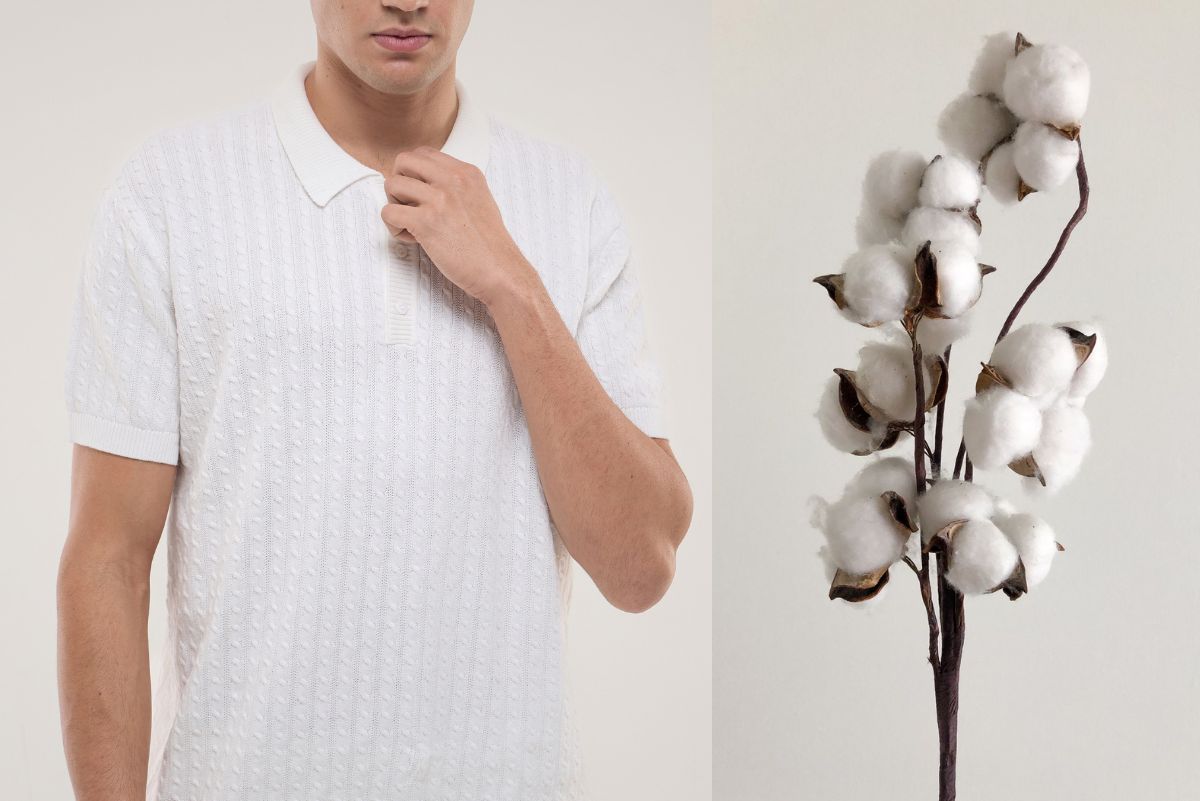
Plant-based and natural fibers tend to make sense for minimalist wardrobes because they breathe, layer well, and can look elevated without extra styling. Linen and cotton are staples for a reason - especially if you live in warm climates, travel often, or want pieces that hold up across long days.But it depends. Linen wrinkles. Some people love the relaxed texture; others want a sharper finish for work. Cotton varies widely in weight and hand-feel, from crisp shirting to soft jersey. The sustainable move is choosing the right fabric for the way you actually wear clothes, not the way you imagine wearing them.
A good brand makes fabric choice feel intentional. Not a buzzword. A design standard.
Construction is the unglamorous dealbreaker
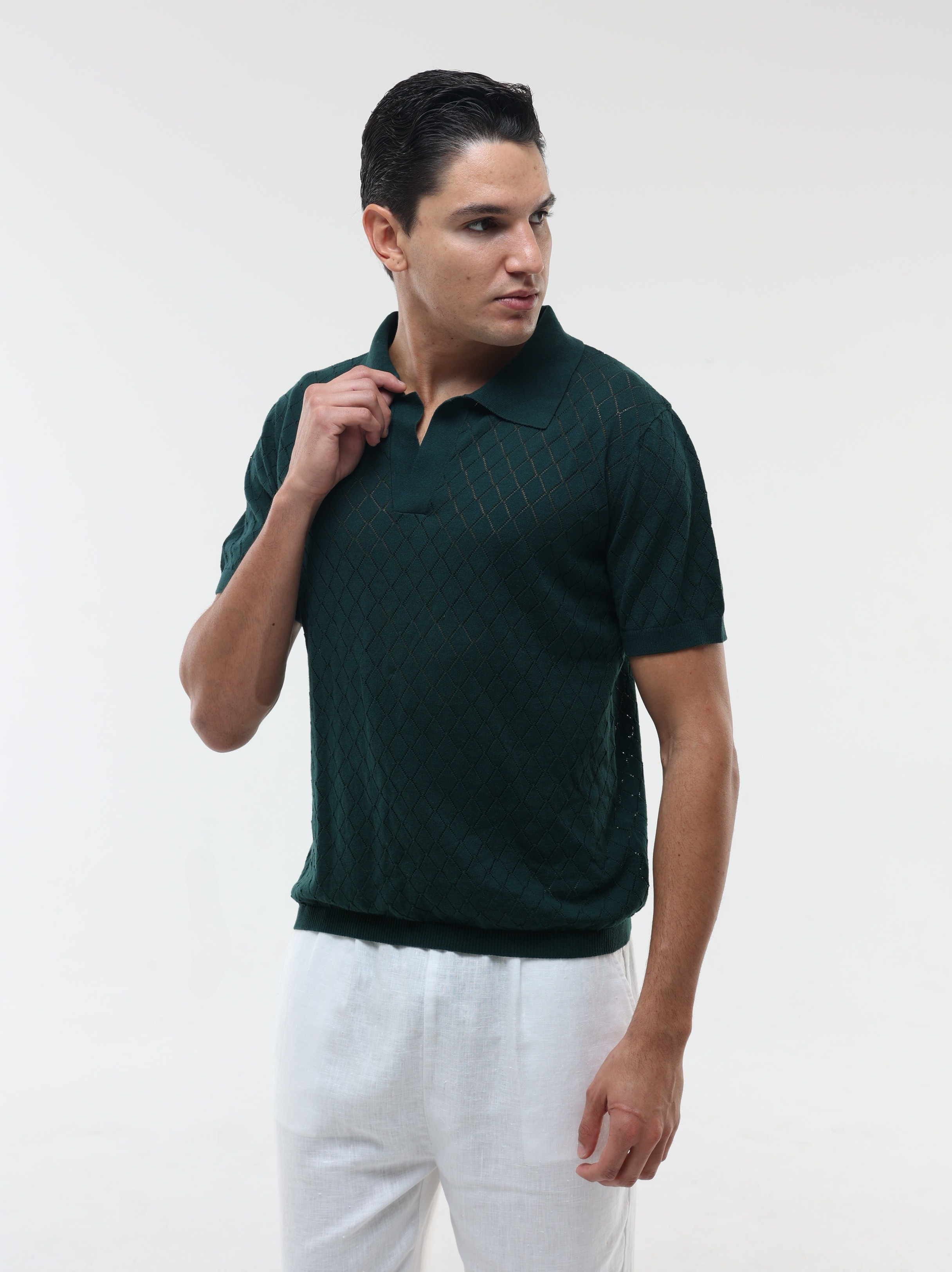
Minimal pieces have no place to hide. When a garment is simple, every seam matters. If you have ever tried on a “perfect” white tee that twists at the side seam or a pair of tailored pants that bags at the knee, you already understand this.Look for details that signal longevity: consistent stitching, clean finishing, and structured areas that stay structured (waistbands, collars, cuffs). The goal is not perfection. The goal is fewer pieces that keep their shape through repeat wear.
Transparency should answer your real questions
A sustainable minimalist clothing brand should be able to explain the choices behind the product without turning it into a lecture. You do not need a 30-page report to buy a great shirt. You do need clarity on what the item is made of, how it is meant to fit, and how to care for it so it lasts.If “sustainability” is only a label and not supported by materials, care guidance, and consistent design, it is marketing.
The minimalist closet that actually works: build around categories
Minimalism does not mean you own ten items. It means your items work together. The easiest way to do this is by building a tight set of categories that cover your calendar.You do not need a list of 40 essentials. You need a small number of silhouettes you can repeat.
Elevated everyday basics that do not look basic
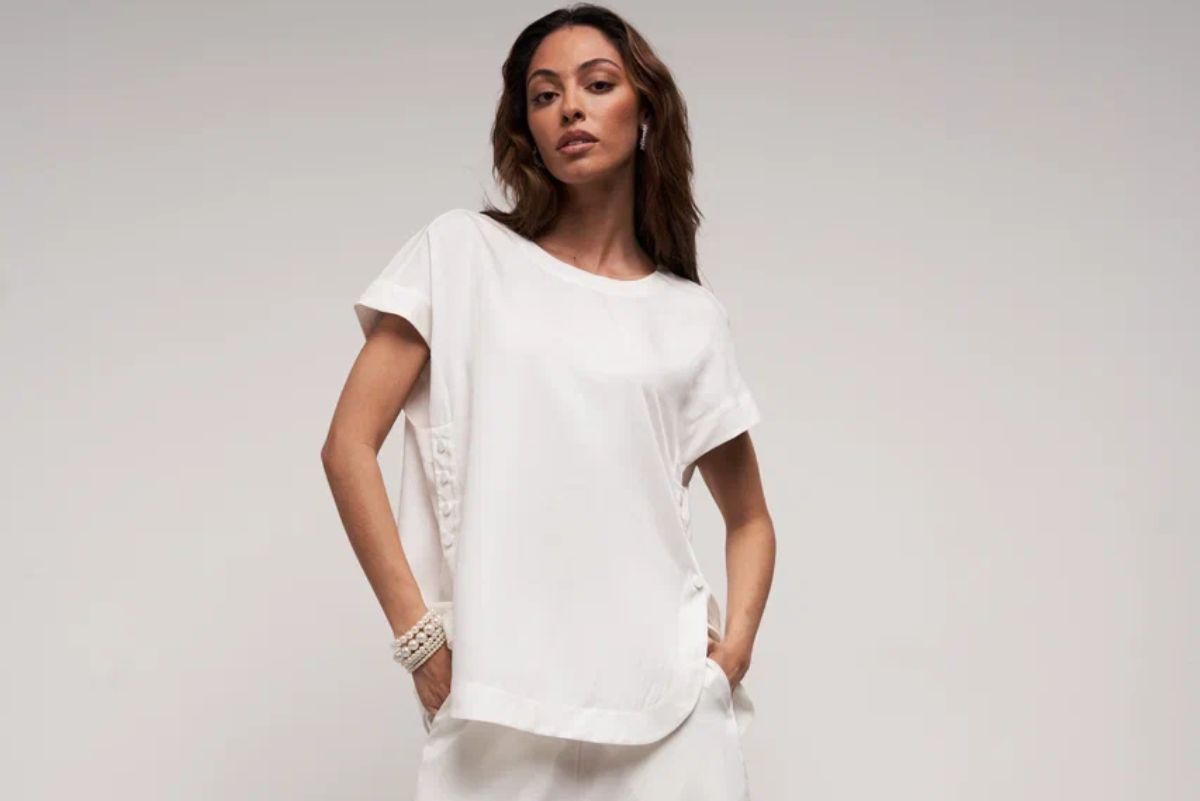
The core of a sustainable minimalist wardrobe is the everyday layer: tees, tanks, lightweight tops, long-sleeves. The difference between “basic” and “elevated” is proportion and fabric.A tee that hits the right point on the shoulder, a tank with a clean neckline, a long-sleeve that skims without clinging - these are the pieces that let you outfit-repeat without looking like you are repeating.
This is also where promotions can be genuinely useful. When you find your exact base layer, buying multiples is not excess. It is uniform thinking.
Shirts that move from desk to dinner
A well-cut shirt is minimalist gold. Wear it open over a tank, buttoned for meetings, half-tucked for weekends, layered under a blazer when you need structure.If you lean sustainable, consider how the shirt behaves in motion and in heat. Breathability matters more than trend. The best shirts are not loud, but they are never forgettable.
Bottoms that anchor everything
Minimal wardrobes are won or lost in bottoms. The right trousers or straight-leg pants turn a simple top into a full look. The right skirt makes resort wear feel city-ready. The right shorts travel without looking like gym clothes.Fit is the trade-off zone here. Tailored silhouettes can feel sharp but less forgiving across long days or flights. Relaxed silhouettes are easy but can skew too casual if the fabric lacks structure. Choose based on your week, not your mood board.
Matching sets for instant polish
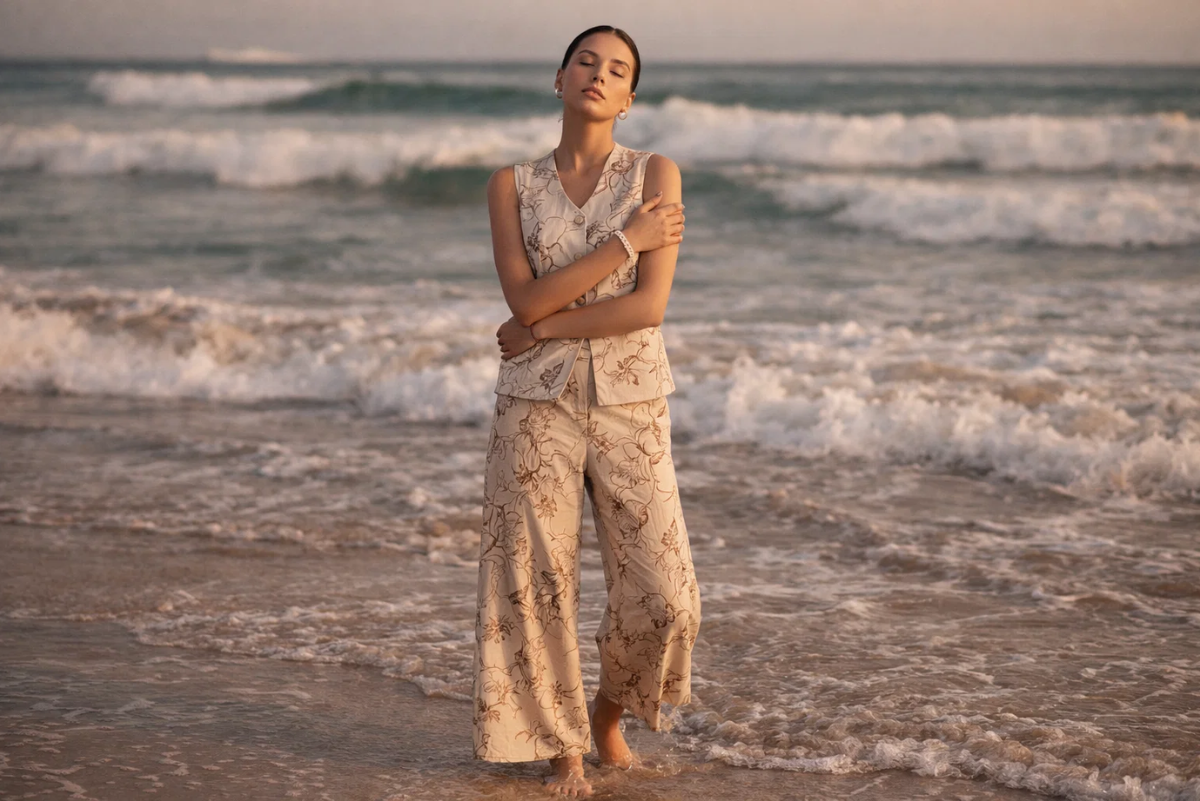
If you want the fastest path to repeatable outfits, build around matching sets. Co-ords solve the “what do I wear with this?” problem, and they multiply outfits when you separate them.The sustainable angle is simple: sets increase repeat wear because they remove friction. You actually reach for them.
Outer layers that define your look
A blazer, jacket, or waistcoat is not just a top layer - it is the piece that makes your closet feel intentional. Minimal wardrobes benefit from one or two strong outer shapes you can throw over everything.The trick is choosing a silhouette that matches your lifestyle. If your week is meeting-heavy, a blazer earns its cost-per-wear quickly. If you travel often or live in heat, a lighter layer that still reads polished may be the smarter anchor.
The “cost-per-wear” mindset that makes minimalism sustainable
Sustainable shopping can get stuck on price tags. Minimalism fixes that by shifting the question from “How much is it?” to “How many times will I wear it?”A higher-quality linen shirt worn twice a week for a year becomes a very different purchase than a cheaper version you stop wearing after three outings.
Cost-per-wear is not about justifying impulse buys with math. It is about refusing to buy anything that cannot earn its keep.
Try this before you check out: picture three outfits you will wear in the next 30 days using the item. If you cannot build them quickly, the piece is probably a “nice idea” rather than a real wardrobe tool.
How to spot greenwashing in minimalist clothing
Minimal branding can make anything look responsible. Clean fonts and earth tones are not sustainability.Greenwashing usually shows up as vagueness: vague fabric claims, vague production claims, vague everything - with lots of “eco” language and very little product-level clarity.
A brand does not need to be perfect to be credible. But it should be consistent. If it claims sustainability, you should see that reflected in material choices, longevity, and the way collections are designed to be re-worn, not replaced.
Caring for natural fabrics without overthinking it
A sustainable minimalist clothing brand can design the right pieces, but the lifespan still depends on care. The good news is that caring for linen and cotton does not need to be complicated.Wash less when you can. Air out pieces between wears. Use gentle cycles. Skip high heat when possible, especially for items you want to keep crisp in shape.
And accept the character. Linen softens. Cotton relaxes. Minimalism looks better when it feels lived-in - not fragile.
Minimal, sustainable, still modern: the balance to aim for
The fear with “sustainable” is that it will look too earnest. The fear with “minimalist” is that it will look too plain. The best brands avoid both by treating sustainability as a baseline and design as the point.You want pieces that are modest when you need them to be, modern when you want them to be, and minimal in the way they fit into your life - not minimal in ambition.
If you are shopping for a sustainable minimalist clothing brand and you want one north star, make it this: buy fewer pieces, but insist they work harder. If you want to see what that looks like in practice across modern categories and plant-based fabrics, ZAVI builds its collections around that exact standard at https://Www.shop-Zavi.com.
The best compliment your closet can get is silence - no second-guessing, no frantic outfit changes, no “I have nothing to wear.” Just pieces that show up, day after day, and make getting dressed feel easy again.