
How to Choose an Organic Cotton Basics Brand
A white tee that turns sheer by noon. A rib tank that twists after one wash. A “perfect” long sleeve that clings at the shoulders and bags at the waist.
Basics fail quietly - and then they fail often. If you wear minimal, repeatable outfits, you feel the difference immediately. The right organic cotton basics brand does not just check a sustainability box. It carries your week: office hours, airport days, warm-weather commutes, and the off-duty reset.
What you’re really buying when you buy basics
A basic is a system piece. It anchors outfits, it repeats without looking tired, and it holds its shape when styled three different ways in the same week.
That’s why “soft” is not enough. The best basics are engineered around three priorities: breathability (especially in warm climates), recovery (how the fabric bounces back), and finish (how clean it looks under light, in photos, and after laundering).
Organic cotton can support all three. But only if the brand cares about construction as much as fiber.
Organic cotton, explained in plain terms
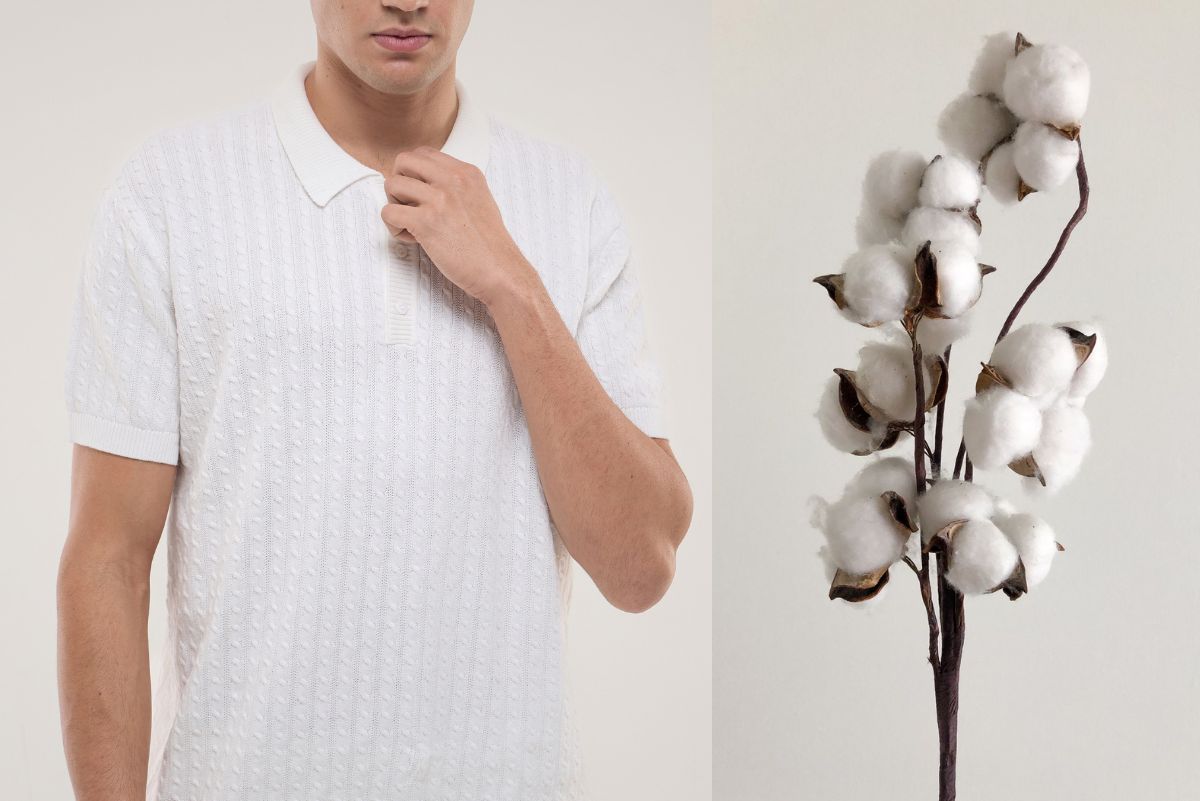
Organic cotton starts with how the cotton is grown and processed. It’s typically cultivated without certain synthetic pesticides and fertilizers, and it’s handled with standards that aim to reduce harm to soil and ecosystems.
What it does not guarantee is that the tee will be opaque, the neckline will stay crisp, or the hem won’t torque. Those are design and manufacturing decisions. Organic is the starting point. A great basics brand treats it as the baseline, then builds the garment properly.
The fabric questions that separate “nice” from “wear-everywhere”
If you want basics that look elevated without effort, focus on the fabric choices you can feel and see.
Weight matters more than you think
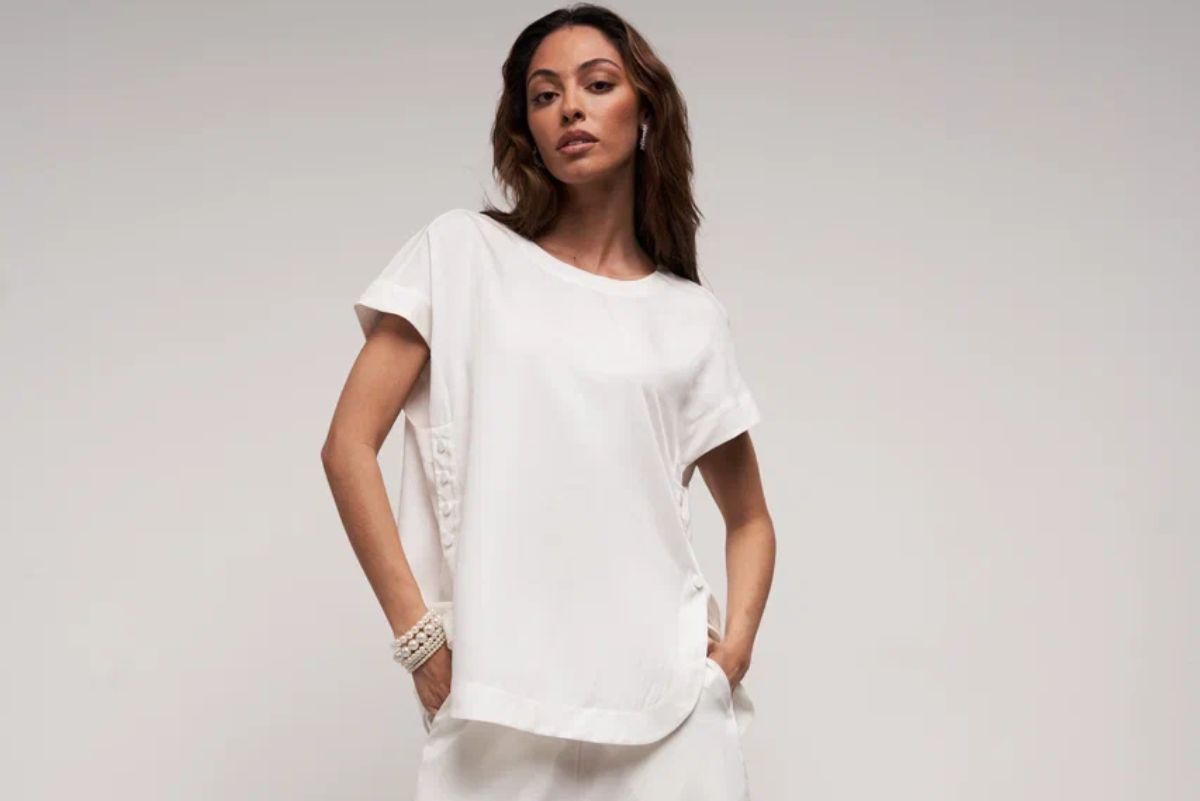
Lightweight cotton is comfortable, but it can skew clingy or transparent. Midweight cotton usually gives you the polished drape that reads “intentional,” not “undershirt.” Heavyweight can be structured and durable, but it may feel too warm for summer or travel.
It depends on your climate and how you style. If you layer under blazers or wear lighter colors, midweight is often the safest daily driver.
Knit vs. weave: your closet needs both
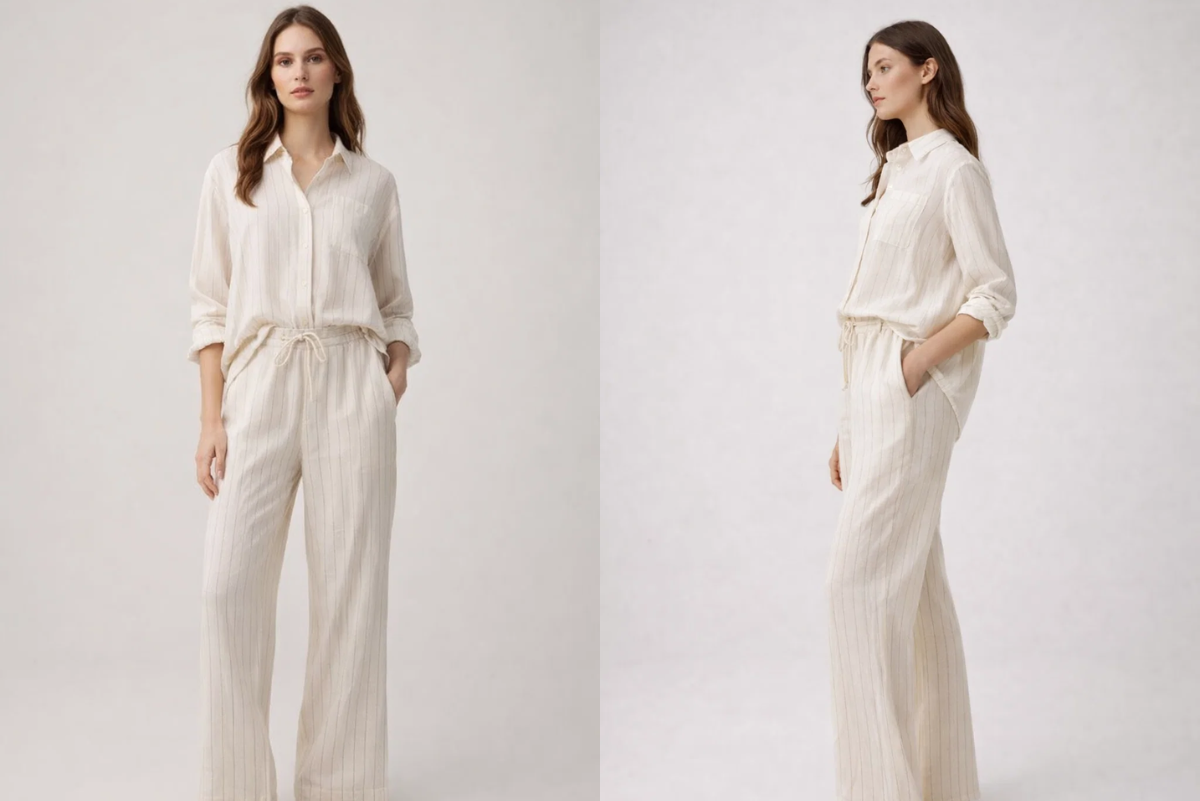
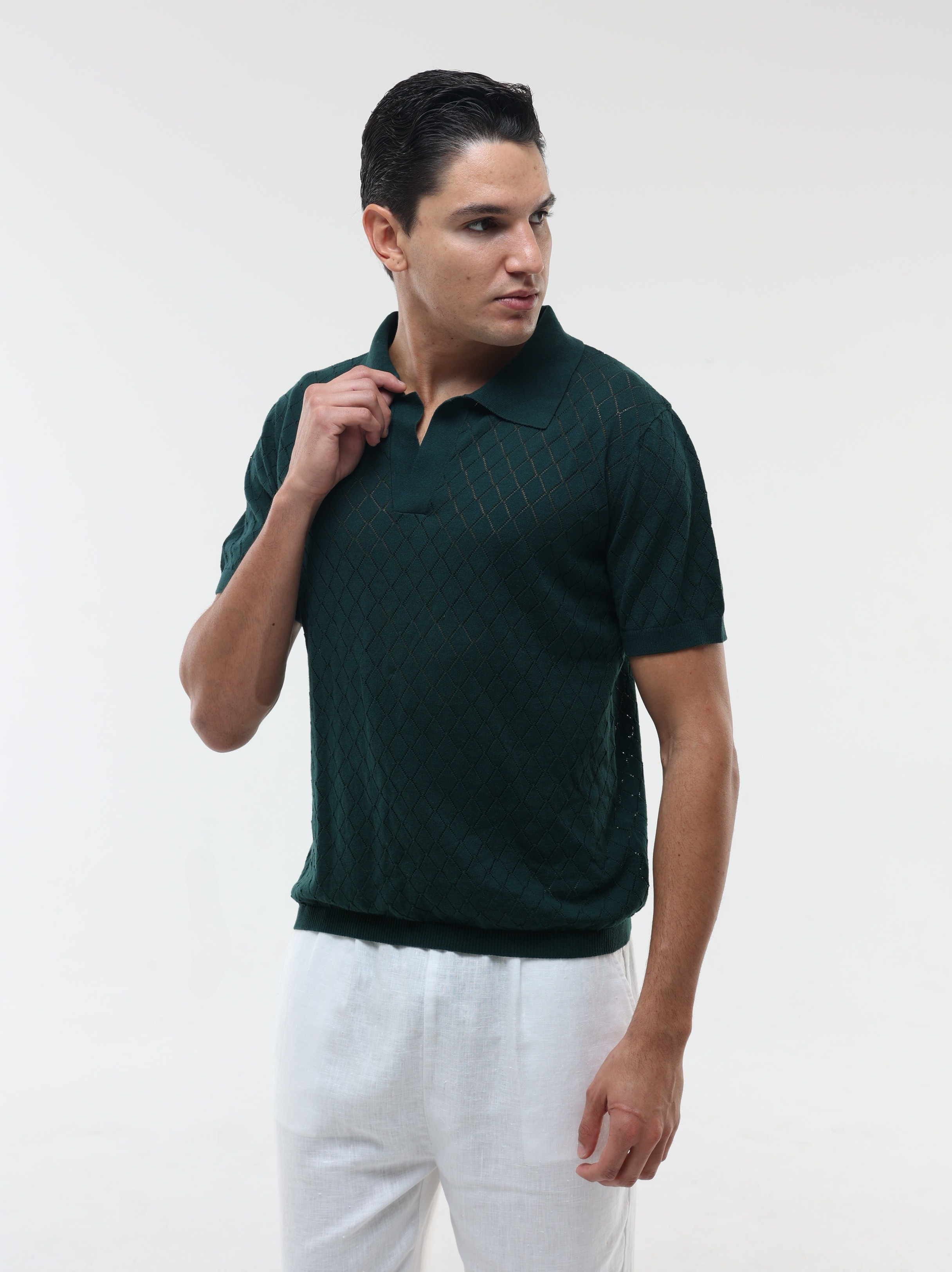
Most tees and tanks are knits. Knits stretch, move, and feel relaxed. Wovens (like poplin shirts) hold a crisp line and read more work-ready. A strong basics wardrobe usually includes both: knit tops for softness and everyday ease, woven shirts for structure and clean proportions.
If a brand only does one well, your outfits will start to look one-note.
Stretch can be helpful - or a shortcut
A touch of stretch can improve recovery, especially in fitted silhouettes like rib tanks or long sleeves. But high stretch can lead to shine, quicker wear, or a “too tight, too casual” look.
For minimal wardrobes, aim for cotton-forward fabrics that feel breathable and matte. If the fabric looks glossy under indoor lighting, it may not deliver that quiet, premium finish.
Fit: the invisible difference between basics and “basics”
You don’t need dozens of tops. You need the right silhouettes.
Start with your repeat shapes
Most people rely on a small rotation: a tee that works with trousers, a tank that layers cleanly, a long sleeve that can stand alone, and a button-down that sharpens everything.
A good organic cotton basics brand designs these shapes with proportion in mind - neckline depth, sleeve length, shoulder width, and overall length. That’s what makes a piece feel styled even when it’s simple.
Pay attention to necklines and armholes
Necklines are where basics show wear first. If the rib is weak or the opening is cut too wide, it will relax fast. Armholes tell you if a tank will sit clean under a blazer or bunch up at the chest.
Small pattern decisions create big wardrobe outcomes.
Size range and grading are part of quality
Fit is not just one sample size scaled up and down. Quality brands grade patterns intentionally so proportions remain balanced across sizes. If a top gets wider without getting longer (or vice versa), it will never sit right.
If you’re between sizes, look for brands that describe intended fit clearly - fitted, relaxed, oversized - rather than leaving you guessing.
Construction details you can actually check
Sustainability and quality meet at construction. The garment should be built to last.
Seams should look clean and feel stable
Look for neat stitching, consistent seam width, and no rippling along hems. If you see twisting side seams on product photos, that can be a warning sign for poor fabric alignment or tension issues.
Hems and cuffs reveal the brand’s standards
A flimsy hem can flip or wave after washing. A better hem lies flat and keeps the silhouette sharp. Cuffs on long sleeves should feel intentional - not tight, not loose, and not overly thin.
Color and dye choices affect longevity
Basics usually live in neutrals. Blacks should stay deep, whites should stay bright, and beiges should stay clean. Gentle dyes and solid fabric quality help reduce fading and uneven wear.
It also depends on laundry habits. If you wash hot and tumble dry everything, even great cotton will show age faster.
The sustainability side: what to look for without over-reading labels
For an organic cotton basics brand, sustainability should feel like a standard, not a marketing moment.
Look for clarity on material sourcing and fabric composition. If a brand is specific about organic cotton and other natural fabrics, that’s a stronger signal than vague “eco” language.
Also consider the brand’s design philosophy. Minimal, repeatable pieces are inherently more wearable. If you can style the same top across seasons, cost-per-wear improves and overbuying drops.
Building a modern basics wardrobe that looks elevated
Basics should do more than fill gaps. They should create outfits.
Pair soft with structured
A clean tee with tailored trousers. A rib tank under a blazer. A crisp cotton shirt with relaxed bottoms. This contrast is what makes minimal wardrobes look intentional.
Choose a tight color palette
If you want maximum repeat wear, keep your core in whites, blacks, creams, and muted earth tones. Add one accent color per season if you want variety. A consistent palette makes mixing effortless - and keeps your closet calm.
Buy fewer, better, and replace less often
A good basics wardrobe is not built in a single cart. Start with your most-used category (usually tees and tanks), confirm the fit, then add layers like long sleeves and shirts.
If you travel often or live in warm climates, prioritize breathable cotton knits and lightweight wovens that pack well and release wrinkles more easily.
Where ZAVI fits in
If you like modest, modern, minimal dressing and you shop with fabric first, ZAVI builds consciously designed everyday pieces with plant-based and natural fabrics, keeping the silhouettes clean and the styling easy to repeat.
A few trade-offs to be honest about
Organic cotton basics are not always the cheapest, and they shouldn’t be. Better material sourcing and cleaner construction typically cost more.
They also won’t behave like performance fabrics. Cotton breathes, but it can wrinkle. It’s comfortable, but it won’t dry as fast as technical blends. If you need sweat-wicking gym gear, cotton basics are a different lane.
Finally, fit is personal. The “perfect” tee on a model can feel wrong on your shoulders or chest. That’s not failure - it’s feedback. When a brand gives clear fit intent and consistent sizing, you can dial in your silhouettes quickly.
The test that tells you if a brand is worth repeating
After your first wash, ask three questions. Did the shape stay true? Does the fabric still look clean in daylight? Do you want to wear it again tomorrow?
When the answer is yes, you’ve found what basics are supposed to be: simple, reliable, and quietly sharp. Buy the second color, build the set, and let the rest of your wardrobe get easier from there.