

Our Environment, Our Responsibility in Style
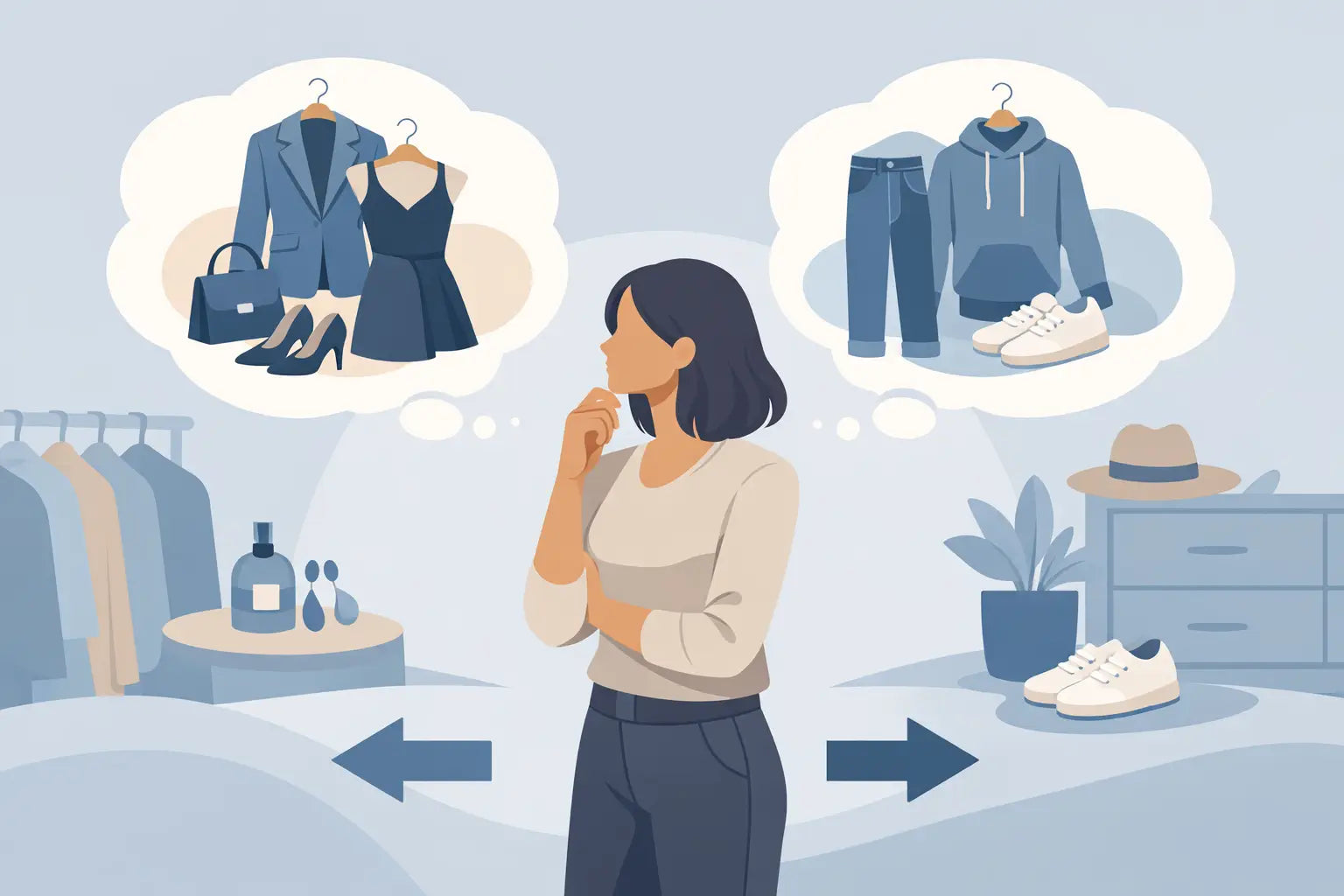
A full closet can still leave you with nothing that feels right at 8 a.m. That tension says a lot about how we shop - and why our environment, our responsibility belongs in the wardrobe conversation, not just the recycling one. The clothes we reach for every day shape demand, resource use, and waste far more than most polished marketing campaigns would like to admit.
Fashion is personal. It is also industrial. A shirt is never just a shirt - it is fiber, water, land, labor, transport, care, and eventually disposal. When you look at clothing through that lens, responsibility stops sounding abstract. It becomes practical. It shows up in the fabric against your skin, the number of times you wear a piece, and whether your wardrobe is built for repeat use or quick replacement.
What our environment, our responsibility really means
The phrase can sound broad, but in daily life it comes down to one question: what are we supporting when we buy? Every purchase backs a system. Sometimes that system prioritizes speed, volume, and short-term trend turnover. Sometimes it prioritizes quality, longevity, and materials chosen with more care.
Responsibility does not mean perfection. It means paying attention. It means understanding that the lower-impact choice is often the one that stays in your wardrobe for years, not weeks. It means choosing fewer pieces that work harder - a linen shirt that moves from office to weekend, tailored trousers that pair with everything, a matching set that earns its place across seasons.
That shift matters because overconsumption is rarely about need. More often, it comes from buying pieces that were never designed to last in quality or relevance. Minimal dressing is not only an aesthetic choice. It can also be an environmental one when it is backed by better materials and longer wear.
The wardrobe is where responsibility gets real
People often think environmental action begins with major lifestyle changes. In reality, it usually starts smaller. It starts with categories you buy most often and wear most frequently. Tops, shirts, pants, blazers, dresses, and sets have an outsized impact simply because they are core wardrobe builders.
A responsible wardrobe is not the same as a tiny wardrobe. It is a functional one. It reflects your climate, your workweek, your routines, and your personal style. If you live in a warm city, breathable fabrics are not a nice extra - they help clothes stay comfortable and wearable, which increases how often you reach for them. If you travel often or dress for long workdays, ease and versatility matter just as much as design.
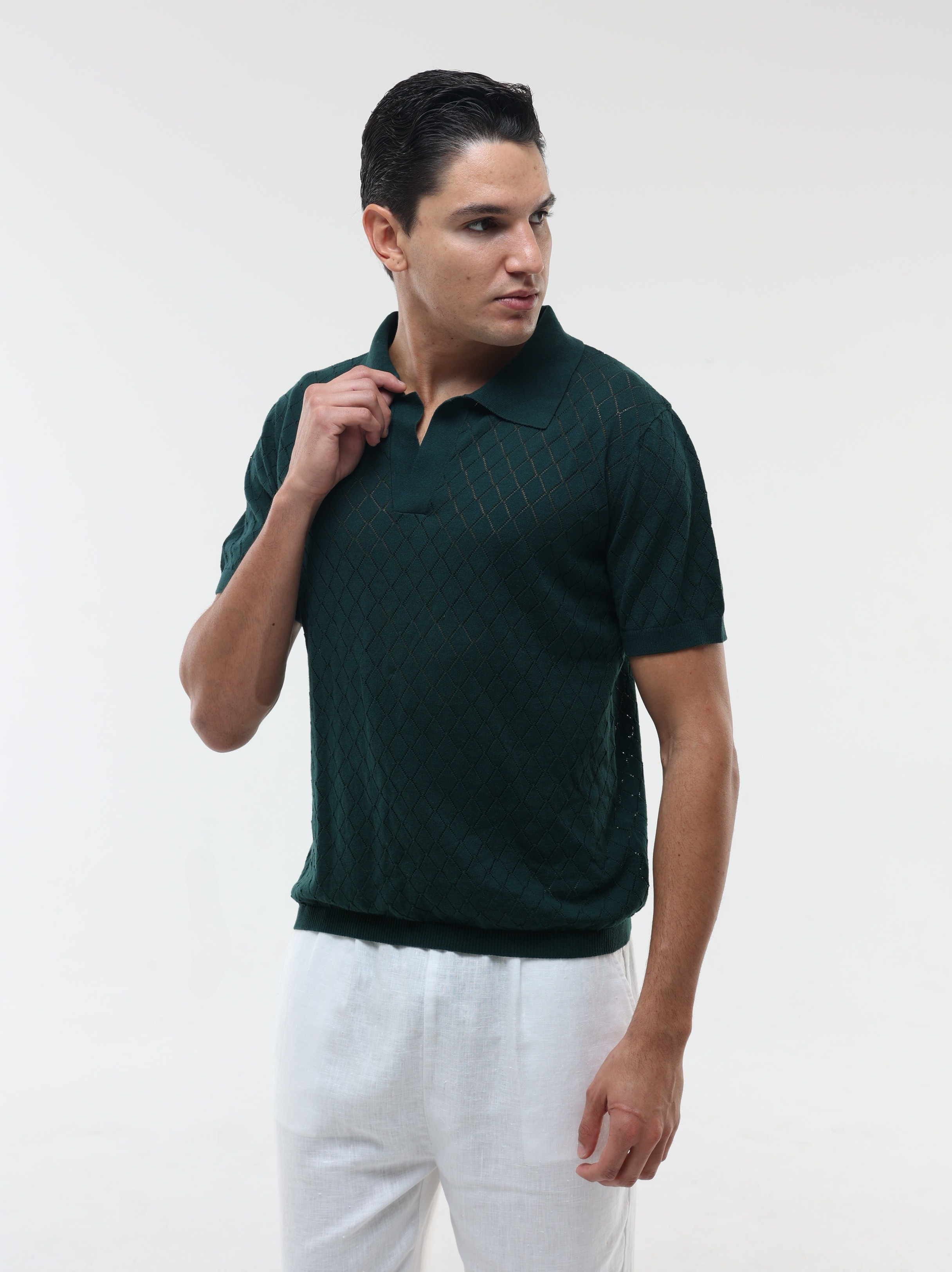
This is where natural and plant-based fabrics earn attention. Linen and cotton are popular for good reason. They are breathable, familiar, and easy to integrate into modern dressing. They suit elevated basics, workwear, resort wear, and off-duty pieces without requiring a compromise on style. That does not make every garment made from them automatically sustainable. Fabric choice is one part of the picture, not the whole picture. But it is a meaningful part.
Why fabric choice changes the equation
Synthetic-heavy wardrobes often promise convenience, stretch, and a lower ticket price. Sometimes those features make sense. Performance wear, for example, may require blends. But when synthetics dominate categories that could function beautifully in natural fabrics, trade-offs appear. Breathability can suffer. Comfort can decline in warm weather. And garments that feel less pleasant to wear tend to spend more time unworn.
Natural fabrics can support a more intentional closet because they often align with everyday use. Linen brings airflow and ease. Cotton offers softness and versatility. Both can be styled cleanly, worn repeatedly, and layered across settings. For a modern, minimal wardrobe, that matters. The most responsible piece is often the one you genuinely want to wear on an ordinary Tuesday.
Still, nuance matters. Natural fibers are not a free pass. Farming practices, dyeing, finishing, and transportation all affect impact. Responsibility means looking at the full design approach, not just the label on the fabric composition tag.
Buying less works best when you buy better
"Buy less" is good advice, but it can feel vague or unrealistic when your closet is missing key pieces. A more useful standard is this: buy with a repeat-wear mindset. Before adding anything new, ask whether it fits at least three parts of your life. Work. Weekend. Travel. Evening plans. If a piece only serves one narrow moment, it may not earn long-term space unless you truly need it.
This is where contemporary, minimal design has an advantage. Clean lines and balanced silhouettes age better than hyper-specific trends. A crisp shirt, relaxed linen pants, a structured blazer, or a simple jumpsuit can move through changing seasons without looking dated after one cycle of social content.
Price is part of the equation too. Lower upfront cost can feel practical, especially when wardrobes need refreshing. But cheap clothing often becomes expensive in aggregate because it is replaced so quickly. Better construction and more versatile design usually ask for more consideration at the start and less replacement later. It depends on budget, of course, and not everyone can rebuild a closet overnight. The smarter move is gradual: fewer impulse buys, more strategic additions.
How to dress with responsibility, not guilt
Guilt is not a strong styling strategy. Clarity is. Start by identifying what you wear most. If you live in trousers, shirts, and lightweight layers, that is where better choices will make the biggest difference. There is no prize for buying an "eco" category you will barely use.
Build from foundations. Choose tops that layer easily, bottoms that work across multiple shoes, and outer layers that sharpen simple outfits. Prioritize breathable fabrics where climate and lifestyle call for them. Look for silhouettes that do not rely on one-season novelty to feel current.
Care matters as much as purchase. Washing less often, using gentler cycles, air drying when possible, and storing garments properly can extend the life of what you own. This sounds basic because it is. But basic habits are often where environmental responsibility becomes visible. A well-cared-for shirt worn 80 times is a stronger environmental decision than a "better" shirt worn five.
Our environment, our responsibility at the personal level
Responsibility becomes easier when your wardrobe reflects who you are instead of who trends tell you to be. Personal style reduces waste because it reduces churn. When you know your palette, preferred shapes, and everyday categories, you shop with more precision. Fewer mistakes. Fewer almost-right purchases. Fewer items with tags still on months later.
This is also why capsule thinking remains relevant. Not because every closet should be stripped to ten items, but because coordination increases wear. When pieces work together naturally, they get used more. A waistcoat that pairs with matching trousers, a dress that layers under a jacket, a sweatshirt that works with both denim and tailored pants - these combinations create value beyond the hanger.
For brands, responsibility means designing for this reality. Consciously designed clothing should not ask customers to choose between aesthetics and principles. It should offer pieces that feel refined, wearable, and built for real life. That is when sustainability stops feeling like a separate category and starts becoming a standard.
The strongest environmental choice is often consistency
Big environmental promises can be appealing. But everyday consistency usually does more. Wearing what you own. Repeating outfits without apology. Repairing a favorite item. Choosing natural fabrics when they fit your needs. Buying one great blazer instead of three mediocre ones. These decisions are not dramatic, but they add up.
They also make style better. There is confidence in a wardrobe that does not need constant replacement to feel fresh. There is ease in clothes selected for comfort, breathability, and longevity. And there is real value in dressing from a place of intention rather than excess.
The idea behind our environment, our responsibility is simple: the planet does not need more performative concern. It needs better habits, better design, and better standards for what deserves to be made and worn. In fashion, that starts close to home - with the shirt you buy, the blazer you keep, and the quiet decision to choose less, but choose well.