
Linen vs Cotton for Summer: What to Wear
The first real heatwave of the season usually answers one question fast: which pieces still feel good by noon? When it comes to linen vs cotton for summer, the right choice depends less on trend and more on how you live, dress, and move through warm days.
Both fabrics earn their place in a well-built summer wardrobe. Both are natural, breathable, and easy to style. But they behave differently on the body, in the closet, and over a long day that starts with work, moves through errands, and ends outdoors at dinner.
If your wardrobe leans minimal and intentional, this is not really a question of which fabric is better in general. It is a question of which fabric works better for the specific pieces you wear most.
Linen vs cotton for summer: the core difference
Linen is made from flax and has a naturally airy, slightly crisp hand feel. Cotton comes from plant fibers too, but it is usually softer, smoother, and more familiar against the skin. In summer, that difference matters immediately.
Linen allows more airflow and tends to feel cooler in high heat. It does not cling as easily, which makes it especially appealing in humid weather or on days when you are outside for long stretches. That is why linen shirts, wide-leg pants, relaxed dresses, and matching sets feel so effortless in peak summer.
Cotton is more adaptable across different temperatures and occasions. It can feel light and breathable in warm weather, but the experience depends heavily on the weave and weight. A lightweight cotton poplin shirt will feel very different from a dense cotton tee or structured cotton twill trouser. Cotton is not one thing. It is a broad category, and that is where shoppers sometimes oversimplify the comparison.
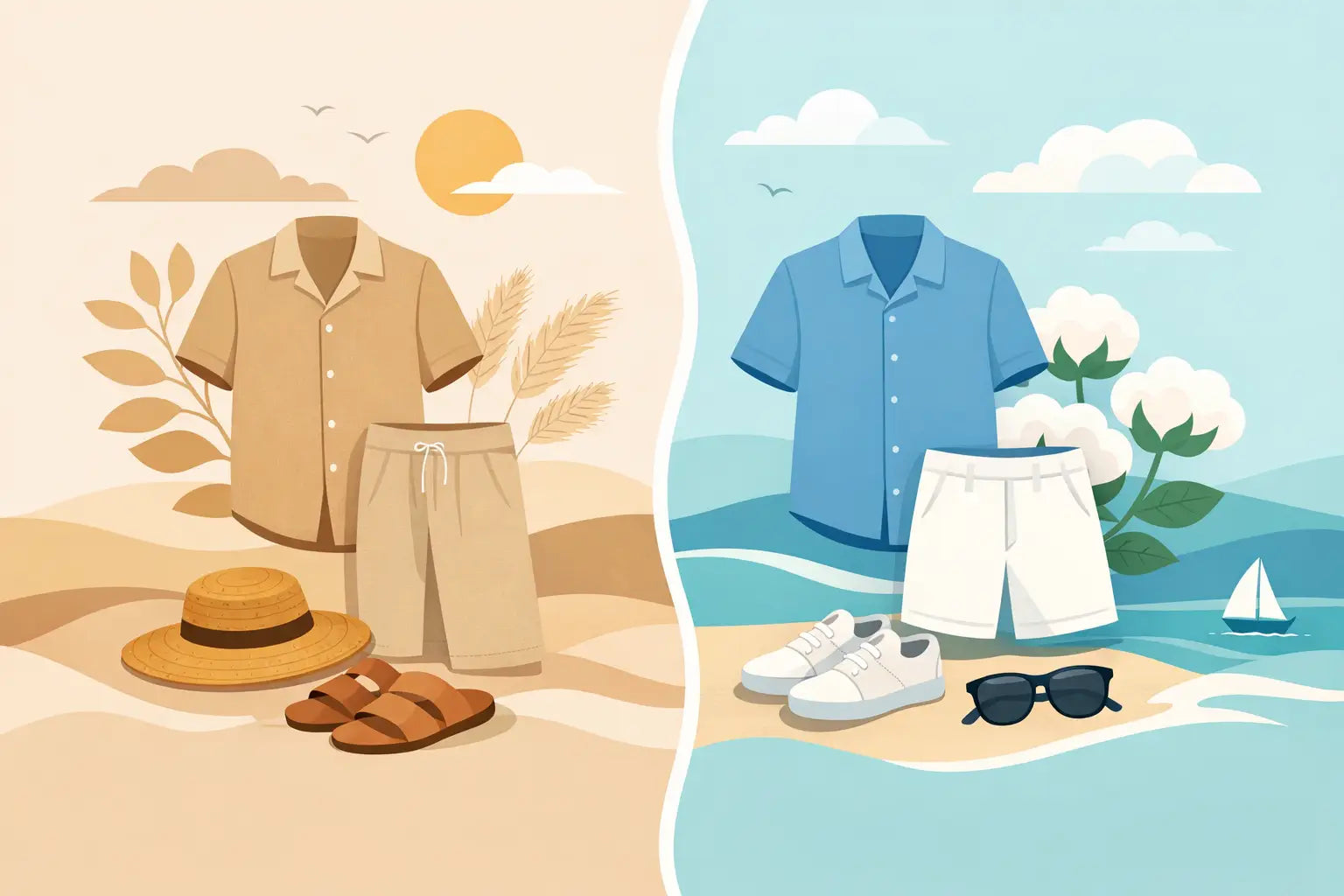
So if you want the shortest answer, linen usually feels cooler. Cotton usually feels softer. The better choice depends on whether you prioritize airflow, polish, structure, or ease of care.
Which fabric feels cooler in real heat?
For very hot weather, linen usually wins. Its fibers are less dense, which helps heat escape and lets air circulate more freely. That translates to a looser, drier feel on the skin.
This is especially noticeable in silhouettes with room to move - oversized shirts, pull-on pants, tailored shorts, longline dresses, and resort-ready sets. Linen works with the body rather than against it. It tends to skim instead of stick.
Cotton can still be excellent in summer, especially if it is lightweight. Fine cotton voile, gauze, jersey, and poplin can all feel breathable and comfortable. But in direct comparison, cotton often holds a bit more warmth and moisture than linen. On a dry, mild summer day, that may not matter. On a humid commute, it probably will.
If you live in a consistently hot climate, travel often, or build your wardrobe around warm-weather dressing for most of the year, linen has a clear advantage.
What linen and cotton look like on the body
Fabric is not just about comfort. It shapes the entire look.
Linen has texture. It creates movement, softness, and a slightly undone finish that feels elevated without trying too hard. That natural texture is part of its appeal. In minimal wardrobes, it adds depth without relying on print or excess detail.
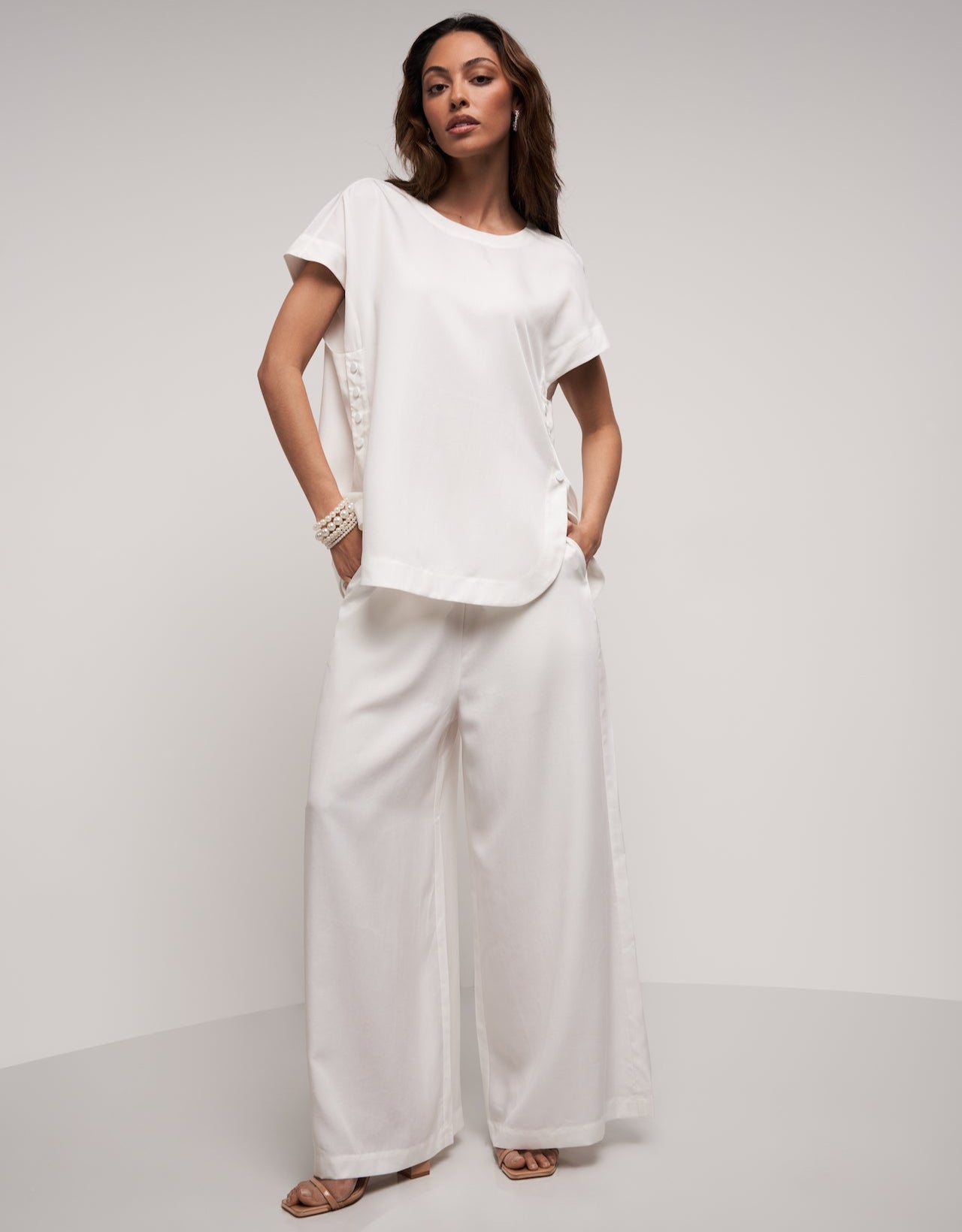
This is why linen often works beautifully in relaxed tailoring, monochrome sets, and easy resort wear. A linen shirt looks considered even when worn loose. A linen trouser still reads polished when the fit is fluid. The fabric brings character on its own.
Cotton gives a cleaner, more structured finish. It can look crisp, sharp, and refined, especially in shirting, dresses, and workwear-inspired pieces. If your summer wardrobe needs to move between office hours and evening plans, cotton often feels more controlled.
For shoppers who want modern, modest, minimal dressing, this distinction matters. Linen leans effortless. Cotton leans polished. Neither is one-note, but each creates a different kind of presence.
Linen vs cotton for summer workwear
For workwear, the answer is usually not all linen or all cotton. It is selective use.
Linen is ideal for relaxed blazers, breathable trousers, waistcoats, and shirts where comfort is the priority. It works best when the cut is clean and the styling is intentional. Neutrals especially make linen feel more refined because the texture stays subtle and the silhouette stays sharp.
Cotton often performs better in pieces that need more structure or fewer visible wrinkles over the course of the day. Think cotton shirts, tailored midi dresses, or lightweight trousers with a more formal finish. If you want something that looks crisp from morning meetings to late afternoon, cotton may feel easier.
A blended wardrobe often makes the most sense. Linen for airflow and comfort. Cotton for structure and consistency. The smartest summer wardrobes do not force one fabric into every role.
Wrinkles, maintenance, and daily wear
This is where the conversation gets practical.
Linen wrinkles easily. That is not a flaw. It is part of the fabric’s character. But whether that works for you depends on your expectations. If you like a clean, lived-in look, linen wrinkles can feel relaxed and expensive rather than messy. If you want your outfit to stay perfectly pressed all day, linen may test your patience.
Cotton usually wrinkles less visibly, though that varies by weave. It tends to be easier for daily rotation, especially if your schedule is fast and your wardrobe needs to work with little effort. Cotton can also feel more familiar to care for, which matters if you want pieces you can reach for without much thought.
That said, linen often gets better with wear. It softens over time and develops a more fluid drape. Good linen ages well, which is one reason it remains such a strong investment in consciously designed wardrobes.
Which fabric lasts longer?
Both can last beautifully if the quality is strong and the garment is well made. But they wear differently.
Linen fibers are naturally durable and can hold up exceptionally well over time, especially in looser silhouettes that reduce stress on seams. It is one of those fabrics that often looks better after repeated wear because the stiffness eases and the texture settles.
Cotton is also durable, but longevity depends more on construction, weight, and how often the piece is washed. Lightweight cotton basics can wear out faster than well-made linen separates, especially if they are part of your constant weekly rotation.
If you are building a smaller wardrobe with repeat wear in mind, both fabrics deserve space. The better long-term investment depends on the category. A linen co-ord or button-down may become a summer staple for years. A cotton tee or shirt may win on frequency and versatility.
Choosing by garment, not just by fabric
The easiest way to decide between linen and cotton for summer is to stop treating it as one big category and start thinking piece by piece.
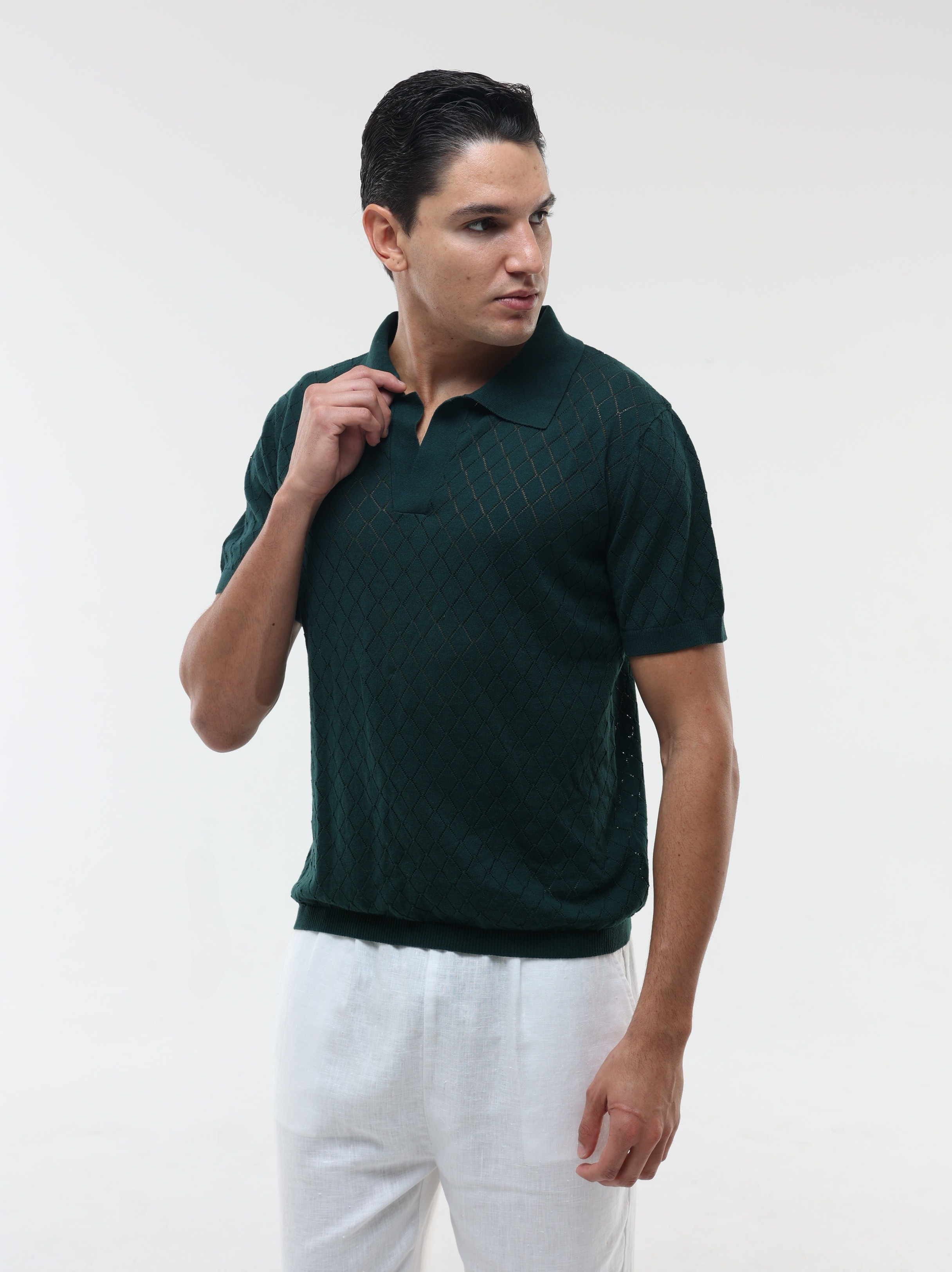
For shirts, linen gives a relaxed drape and cooler feel, while cotton offers more crispness. For trousers, linen is ideal for wide-leg and easy tailoring, while cotton can work better in slim or structured shapes. For dresses, linen creates movement and breathability, while cotton often feels smoother and slightly more dressed. For loungewear and basics, soft cotton usually feels easiest. For resort wear and vacation packing, linen is hard to beat.
This is also where personal styling habits matter. If you love steamed, sharp silhouettes, cotton may suit you better for everyday wear. If you prefer ease, texture, and pieces that look better slightly undone, linen will likely feel more natural.
At ZAVI, the appeal of both fabrics is not just comfort. It is versatility. Natural fabrics support wardrobes built around repeat wear, clean lines, and season-long relevance.
The sustainable choice is not only about fiber
Linen and cotton are both plant-based fabrics, which is part of why they appeal to shoppers looking for more conscious choices. But sustainability is not only about whether a fiber is natural. It is also about how often you wear the piece, how long it lasts, and whether it continues to earn its place in your wardrobe.
That is why fit, styling range, and fabric weight matter as much as the label. The most responsible summer purchase is usually the one you wear on repeat - to work, on weekends, while traveling, and through more than one season.
A breathable linen set that becomes your default in hot weather may be a better choice than a cotton piece you rarely reach for. The reverse can be true too. The best fabric is the one that aligns with your climate, your routine, and your real wardrobe habits.
So, should you wear linen or cotton in summer?
If your priority is staying cool in serious heat, choose linen. If your priority is softness, structure, and easier maintenance, choose cotton. If your wardrobe needs to do both, build with intention and let each fabric do what it does best.
Summer dressing works better when it feels considered but uncomplicated. Start with the days you actually have, then choose the fabric that helps you move through them with ease.