

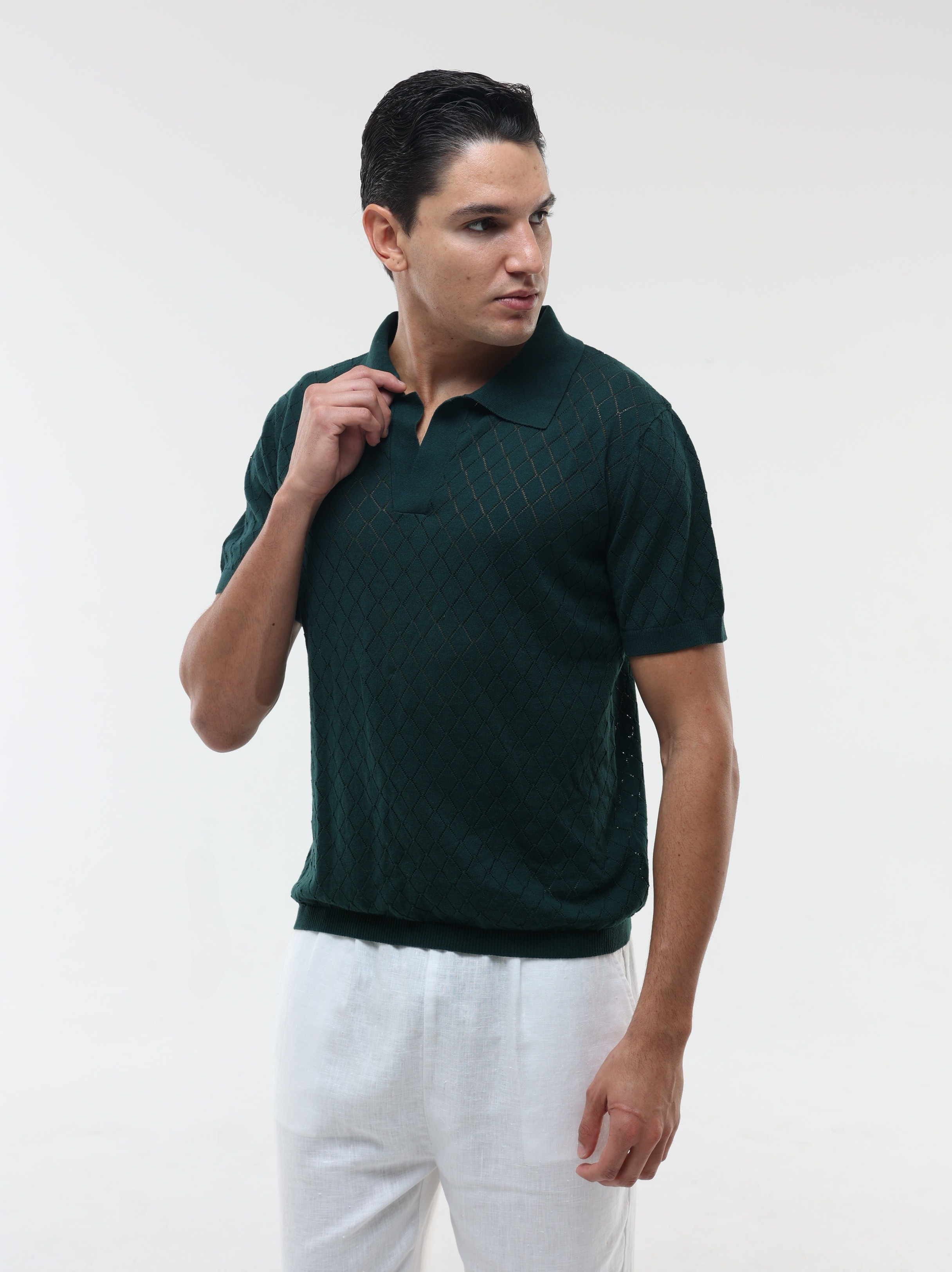

Minimalist Travel Wardrobe Example That Works
Packing fails usually start with one mistake: treating travel like a special category of dressing. It rarely is. The best minimalist travel wardrobe example looks a lot like a strong everyday wardrobe - edited down, built around repeat wear, and shaped by climate, movement, and real plans.
That matters if you like to travel light without looking underdressed, overpacked, or stuck in the same outfit every day. A thoughtful wardrobe does more than save suitcase space. It makes mornings easier, keeps laundry manageable, and helps every piece earn its place.
What makes a minimalist travel wardrobe example useful
A good example is not just a tiny packing list. It is a system. The right pieces work across airports, coffee meetings, city walks, dinners, beach mornings, and the occasional change in weather. They layer cleanly, resist feeling fussy, and still look considered.
This is where many capsule guides go wrong. They aim for the smallest possible number, not the smartest mix. Minimalism works best when it feels wearable. If your wardrobe is so reduced that one spill, one hot afternoon, or one dress code change throws everything off, it is not efficient. It is fragile.
For most trips, the sweet spot is enough variety to repeat outfits differently without carrying “just in case” pieces. Think fewer categories, stronger fabrics, and a tighter color story.
A minimalist travel wardrobe example for a 7-day trip
This example is designed for a warm-weather or mixed-climate trip where you want polished casual outfits with room for day-to-night dressing. It suits city breaks, coastal travel, and work-leisure itineraries equally well.
The core pieces
Start with three tops: a crisp button-down shirt, a fitted tank or tee, and one elevated top with shape or texture. Then add three bottoms: tailored wide-leg pants, relaxed shorts or a skirt depending on your style, and one pair of straight or soft trousers that can dress up or down.
For one-piece dressing, pack either a midi dress or a jumpsuit. One lightweight outer layer matters even in warmer places - a linen blazer, light jacket, or overshirt works well on planes and in air-conditioned spaces. Add one matching set if that is how you naturally dress. It counts as easy styling, not excess, because the pieces can also separate.
Shoes should stay disciplined: one walking shoe, one refined sandal or slide, and optionally one evening-leaning flat if your trip truly calls for it. Finish with a compact bag for day use and a slightly more polished option if needed, though often one structured crossbody can do both.
That gives you around 10 to 12 clothing pieces, excluding sleepwear, underwear, and workout gear. For most travelers, that is enough.
How those pieces actually build outfits
The button-down with tailored pants works for travel days, lunch, or a casual meeting. The same shirt can be worn open over a tank with shorts for a more relaxed look. A midi dress handles dinner, daytime sightseeing, and beach-to-city transitions with a simple shoe change.
The elevated top with straight trousers creates a cleaner evening outfit. The matching set can be worn together for impact, then split apart through the week to create two or three additional looks. A blazer over a tank and skirt sharpens everything instantly.
This is the point of a minimalist wardrobe: not fewer outfits, but more combinations from fewer pieces.
Build around fabric first, not trend
Travel wardrobes succeed or fail at the fabric level. If a piece wrinkles instantly, traps heat, feels synthetic in humidity, or needs delicate care, it becomes dead weight fast.
Natural and plant-based fabrics tend to work harder on the road, especially for warm destinations and long transit days. Linen brings breathability and ease, though it does wrinkle more. Cotton is dependable, comfortable, and easy to rewear. The right blend can also help with drape and recovery, so this is not about rigid rules. It is about choosing materials that support real movement.
If you are building a modern capsule, prioritize pieces that feel good after eight hours of wear. A sharp silhouette matters, but comfort decides whether you reach for it again on day four.
Color is where minimalism becomes practical
A minimalist travel wardrobe example only works if the palette is tight. That does not mean boring. It means coordinated.
Choose one base color family such as black, navy, stone, olive, or chocolate. Then add two to three lighter or softer tones around it, like white, sand, oatmeal, or pale blue. This lets almost every top work with every bottom, which is the whole strategy.
Prints are not off-limits, but they should behave like neutrals. A subtle stripe, a tonal pattern, or a restrained texture is easier to repeat than a loud statement print. If a piece only works once, it is probably not a travel piece.
Minimalist does not mean one aesthetic for every trip
This is where nuance matters. A minimalist travel wardrobe example for Rome in June will not look exactly like one for New York in October or a resort week in the Gulf. The principle stays the same, but the mix changes.
For city travel, lean into structured separates, comfortable walking shoes, and one polished layer. For resort trips, lighter fabrics and easy one-piece outfits do more of the work. For business travel, shift the ratio toward blazers, trousers, shirts, and elevated knits while still keeping the count tight.
You also need to account for laundry access, trip length, and your own habits. Someone who wears dresses on repeat can pack far less than someone who prefers multiple separates. Someone traveling carry-on only for ten days needs stronger outfit repetition than someone checking a bag for four.
Minimalism should fit your style, not flatten it.
The easiest way to edit before you pack
Lay everything out and ask three questions. Can this piece work in at least three outfits? Can I wear it for more than one setting? Would I choose it at home without forcing it?
If the answer is no, remove it.
This is especially useful for “backup” items. The extra pair of pants, the novelty top, the heels you might wear once - these are usually what make a suitcase feel full and a wardrobe feel incoherent. Strong packing is not about discipline for its own sake. It is about keeping only what supports the trip.
A quick fitting session helps too. Try on your main combinations before you leave. If something needs a specific bra, shoe, or layer you are not already planning to bring, it is creating friction.
Accessories should refine, not complicate
Accessories can make a compact wardrobe feel finished, but they should stay simple. A belt, a clean pair of sunglasses, understated jewelry, and a scarf or light wrap are often enough.
The test is whether they change the feel of an outfit without demanding extra space or special care. If they tangle, crush, or only work with one look, they are not helping. Travel style looks best when it feels easy.
This is also why sleek, minimal shapes tend to outperform trend-heavy accessories on the road. They move across outfits without announcing themselves every time.
A better mindset for repeat wear
Many people overpack because they are trying not to repeat. But stylish travel wardrobes depend on repeating well. The goal is not to look different every day. The goal is to look consistent, intentional, and comfortable.
That is easier when the wardrobe is built from pieces with clean lines, modern proportions, and enough subtle variation in texture and silhouette. A linen shirt, a cotton tank, tailored trousers, and a fluid dress do not feel repetitive when styled with purpose. They feel like a point of view.
That is also where consciously designed basics earn their place. Pieces that feel elevated without trying too hard tend to travel best because they adapt. They are ready for daytime, dinner, transit, and spontaneous changes in plan.
If your wardrobe already leans modern, minimal, and breathable, you are closer than you think. ZAVI’s approach to everyday dressing - refined silhouettes, natural fabrics, repeat-ready styling - fits this mindset naturally.
When to pack more, not less
There are times when strict minimalism is the wrong call. If you are traveling somewhere with extreme weather shifts, formal events, or very limited laundry access, packing a few extra pieces can be smarter. The same goes for trips built around specific activities like hiking, training, or swimming.
The key is intentional expansion. Add only what answers a real need, not a vague possibility. A minimalist wardrobe is not about proving how little you can bring. It is about making every item count.
The best travel packing always feels calm before it feels clever. Choose breathable fabrics. Keep the palette focused. Pack pieces that move across settings without effort. Then leave a little room in your bag - and in your plans - for the trip itself.