

How to Choose Sustainable Loungewear Sets
The difference between a set you reach for once and a set you live in usually comes down to fabric, fit, and how well it works beyond the couch.
That is where sustainable loungewear sets earn their place. When they are thoughtfully made, they do more than feel soft for a weekend at home. They become the pieces you wear on a coffee run, on a flight, during a work-from-home day, or layered under a blazer when comfort still needs to look considered.
For a modern wardrobe, that matters. Fewer pieces. Better fabrics. More repeat wear.
Why sustainable loungewear sets make sense
Loungewear used to sit in a separate category from the rest of your closet. It was casual, often disposable, and rarely something you styled with intention. That has changed. Today, the best sets are designed with the same standards as ready-to-wear: cleaner lines, better drape, and enough polish to move through different parts of the day.
Sustainability adds another layer of value, but only if it is built into the design rather than added as a label. Natural and plant-based fabrics like cotton and linen tend to appeal for a reason. They breathe well, feel better against the skin, and suit warm climates, travel, and long hours of wear. They also support the kind of wardrobe people actually want now - versatile, minimal, and easy to repeat.
That does not mean every sustainable set is automatically better. Some prioritize eco claims and miss the basics, like shape retention or comfort. Others look elevated online but lose their structure after a few washes. The right choice sits in the middle: consciously designed, practical, and refined enough to justify frequent wear.
What to look for in sustainable loungewear sets
The first place to start is fabric. If a set is meant to be worn often, its material needs to support real life. Cotton is a strong everyday option because it is breathable, soft, and generally easy to care for. Linen brings a lighter, airier feel that works especially well in warm weather or on vacation, though it will crease more naturally. That is part of its appeal for some people and a drawback for others.
Fabric blends can also make sense. A cotton-rich blend may offer softness with a little more resilience. The key is to look at how the fabric behaves, not just what it is called. Does it feel substantial enough to hold its shape? Is it breathable enough for long wear? Does it look clean and intentional, not flimsy?
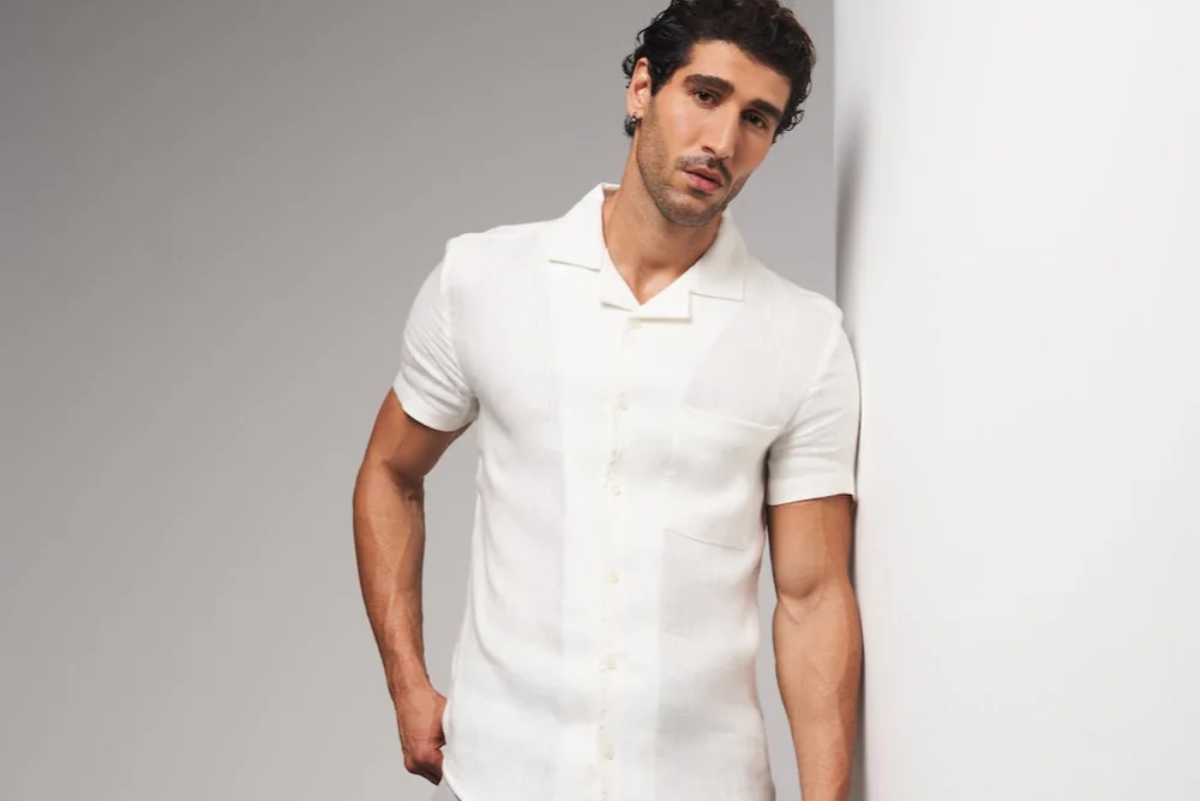
Fit matters just as much. The most wearable loungewear sets avoid extremes. Too oversized, and they can read sloppy rather than relaxed. Too fitted, and they lose the ease that makes them appealing in the first place. A straight-leg pant, a softly structured short, a relaxed button-down, or a clean sweatshirt silhouette often gives you more styling range than anything overly trend-led.
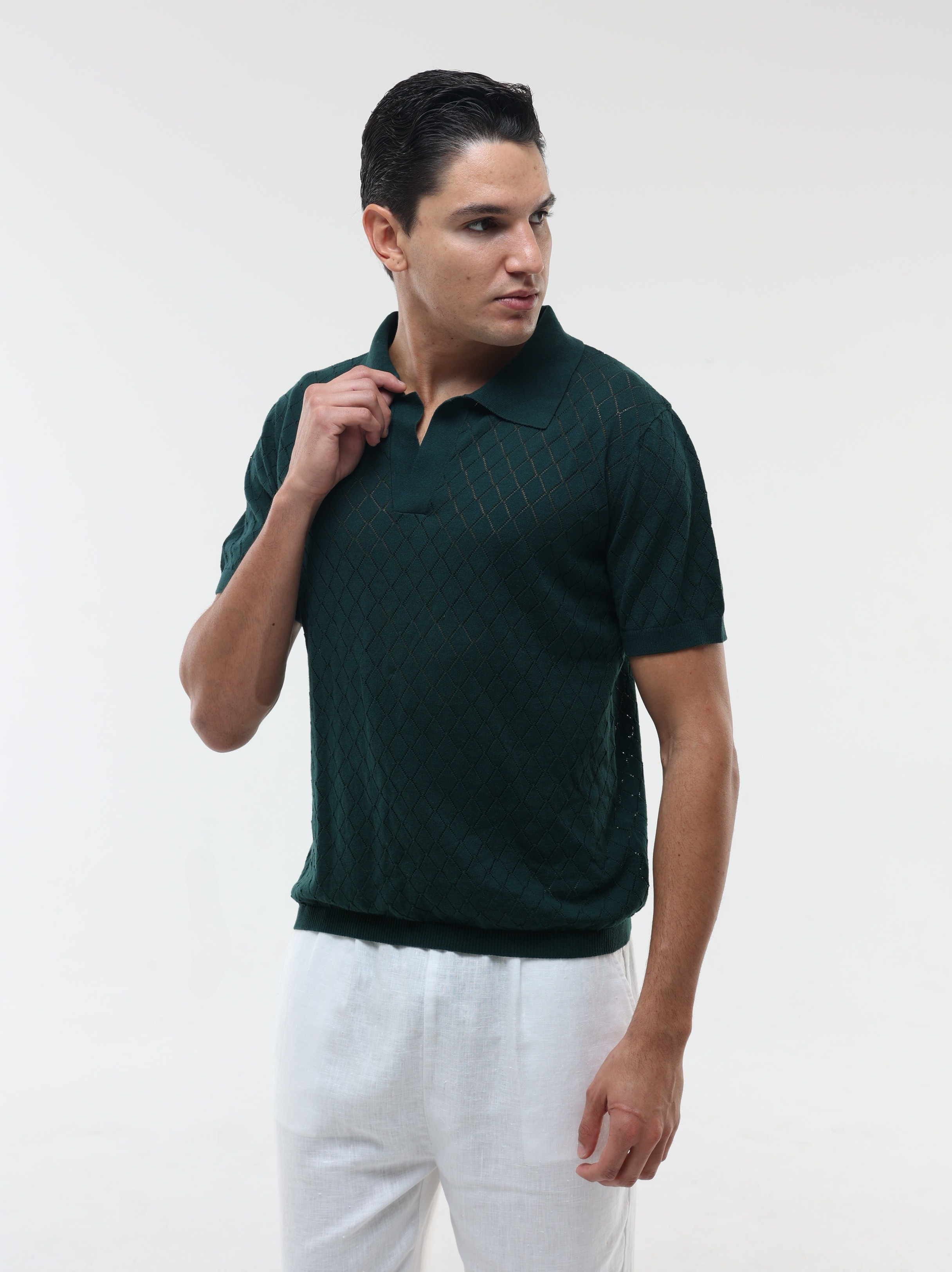
Color is another quiet differentiator. Minimal shades tend to work harder: black, white, sand, olive, navy, soft gray. These tones integrate into a capsule wardrobe without effort. They also make it easier to split a set and wear each piece separately, which is one of the simplest ways to get more value from a purchase.
Fabric first, always
If you are deciding between multiple options, start with the hand feel and breathability of the fabric before anything else. A beautiful silhouette means less if the material traps heat or feels synthetic against the skin.
For warm climates, cotton and linen usually lead. Cotton jersey or brushed cotton can feel especially comfortable for everyday wear, while woven linen or linen blends offer a cooler, more elevated finish. For transitional weather, slightly heavier cotton fabrics and sweatshirting can provide comfort without tipping into bulk.
There is also a styling difference between fabrics. Linen tends to look more resort-ready and relaxed. Cotton sweats feel sportier and more off-duty. A crisp cotton set can sit somewhere in between, which is often ideal if you want one set to cover home, errands, and casual plans.
That is why the best choice depends on your routine. If you spend most of your time indoors in air conditioning, you may want something softer and cozier. If you move between meetings, errands, and warm outdoor settings, breathability and polish become more important.
Design details that make a set feel elevated
Small details decide whether a set feels premium or forgettable. Clean seams, a balanced drape, and a waistband that sits comfortably without digging in all matter more than flashy design elements. So do practical features like pockets, sleeve shape, and hem length.
A top with a slightly boxy cut can look sharper than an overly clingy one. A wide-leg pant can feel elegant, but only if the fabric has enough weight to fall well. Elastic waists are useful, but they should still look streamlined under a tucked-in tee or lightweight knit.
This is where minimal design earns its keep. Without heavy prints or trend details, quality becomes more visible. You notice if the fabric pills. You notice if the neckline stretches out. You also notice when a piece holds up beautifully and keeps returning to the front of your wardrobe.
How to style sustainable loungewear sets beyond home
A strong set should never feel limited to one setting. That is part of its sustainability value. The more ways you can wear it, the more likely it is to become a repeat piece instead of a short-term purchase.
A cotton set with a relaxed shirt and matching pants can shift easily from home to street with leather slides, simple jewelry, and a structured tote. A sweatshirt and matching trouser-style jogger can look intentional with sleek sneakers and a tailored coat. Even a lightweight shorts set can feel polished when paired with a crisp button-down or an oversized blazer.
The easiest approach is to think in layers. A matching set gives you the base. Then you add one elevated element: a clean sandal, a longline outer layer, a refined knit, or a sharp bag. The result still feels comfortable, but not underdressed.
This is also why sets work so well for travel. They reduce styling decisions, pack efficiently, and can be broken apart once you arrive. One pair of pants worn with a tank, one shirt worn over swimwear, one complete look for the airport - that is functional dressing in the best sense.
How to shop with more intention
The smartest way to buy loungewear is to be honest about how you live. Not how you imagine dressing on a perfect weekend, but how you actually move through your week.
If you work from home, look for sets that feel comfortable seated for long periods but still look pulled together on camera. If you travel often, prioritize breathable fabrics and pieces that resist looking rumpled by the end of the day. If your wardrobe is already built around neutrals, choose a set that will integrate with what you own rather than stand apart from it.
Price deserves a clear-eyed view too. Sustainable pieces can cost more upfront, and sometimes that is justified by better materials and construction. Sometimes it is not. The real test is cost per wear. A set you wear twice a week for months is a better buy than a cheaper option you stop reaching for after three washes.
When shopping, it helps to ask a few simple questions. Will I wear the pieces together and separately? Does the fabric suit my climate? Can I style this outside the house? If the answer is yes across the board, the purchase is usually stronger.
For shoppers building a more refined everyday wardrobe, this is where consciously designed collections stand out. Brands like ZAVI make the case clearly: plant-based fabrics, minimal silhouettes, and matching sets that feel easy to wear on repeat.
Caring for sustainable loungewear sets so they last
Longevity is part of the point. Even well-made pieces need the right care if you want them to hold their look.
Cotton usually benefits from a gentle wash cycle and lower heat drying, or air drying when possible. Linen responds well to careful washing and a light steam if you prefer a cleaner finish. Harsh detergents and high heat tend to wear down natural fibers faster, especially in pieces you wash often.
Storage matters too. Fold heavier sets rather than hanging them if you want to avoid stretching. Keep lighter pieces clean and dry between wears. It sounds basic, but these habits protect fit and fabric over time.
A good set should soften with wear, not fall apart from it. That is the standard worth shopping for.
The real value of a better set
The appeal of sustainable loungewear sets is not just comfort. It is clarity. Getting dressed becomes easier when one set can carry you from a slow morning to an afternoon out, from travel day to dinner at home, from one season into the next with a few small styling changes.
That kind of versatility is what modern wardrobes need more of. Not more pieces. Better ones.
Choose the set that feels good at first touch, wears well in real life, and still looks like you meant to put it on.