
Is Viscose Biodegradable? What Your Closet Should Know
A fluid viscose dress can feel like an easy choice for warm days: soft against the skin, light in motion, and polished enough for work, dinner, or travel. But is viscose biodegradable? The short answer is yes, potentially. The more useful answer is that it depends on what the fiber is blended with, how the garment is finished, and where it ends up after its last wear.
For a considered wardrobe, biodegradability is one part of the picture. Fabric source, manufacturing, longevity, care, and the ability to wear a piece repeatedly matter just as much.
Is Viscose Biodegradable?
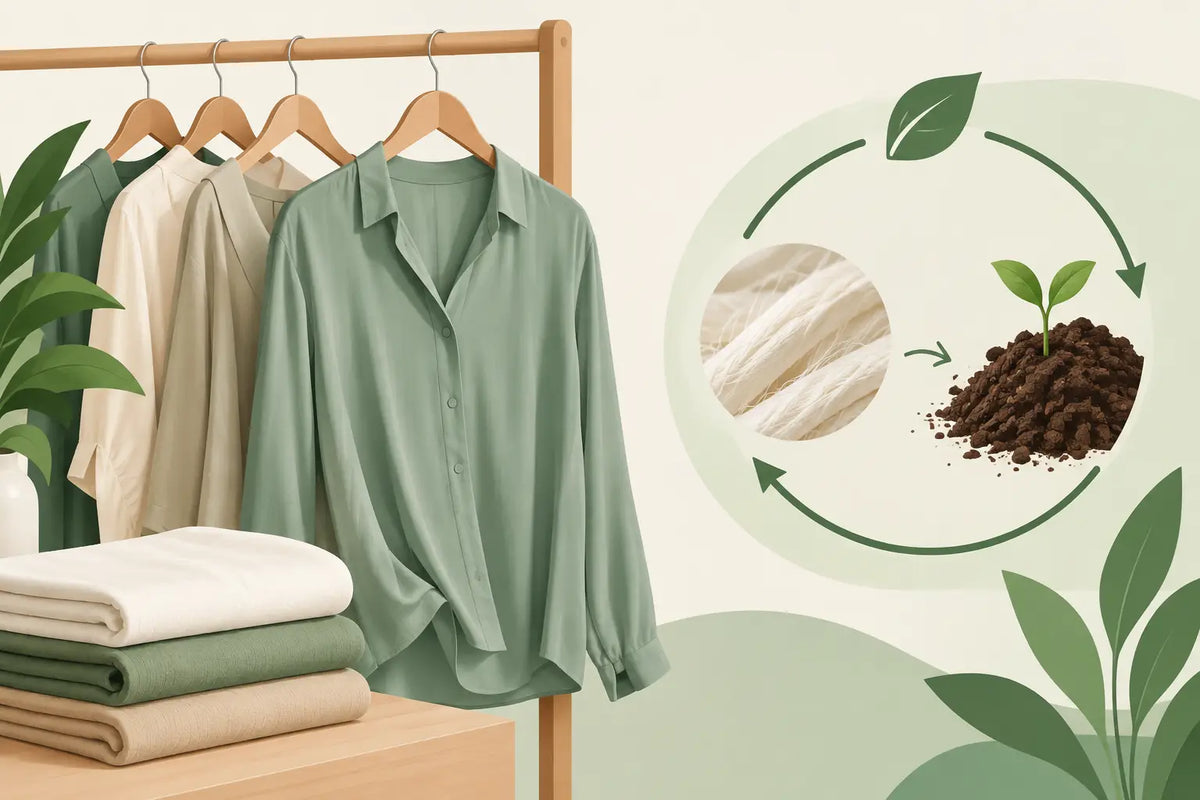
Viscose is a regenerated cellulosic fiber. It begins with cellulose, usually wood pulp from trees such as beech, pine, eucalyptus, or bamboo. That plant-based origin means pure viscose can biodegrade under the right conditions, particularly in environments with moisture, oxygen, microorganisms, and warmth.
Unlike polyester, nylon, or acrylic, viscose is not a petroleum-based synthetic fiber. Its cellulose structure is closer to natural fibers such as cotton and linen. When a viscose fabric is untreated and made from 100% viscose, microbes can break down its cellulose over time.
That does not mean every viscose garment will quickly disappear in a backyard compost pile. Biodegradation is not a label that works the same way in every setting. A garment sent to landfill may break down slowly because oxygen and microbial activity are limited. A fabric treated with certain dyes, coatings, or performance finishes may also behave differently than unfinished fiber.
The practical takeaway: viscose has the potential to biodegrade, but “viscose” alone is not a complete environmental verdict.
Why the Manufacturing Process Matters
Viscose is made by dissolving wood pulp and regenerating it into fibers. Conventional viscose manufacturing often uses chemicals including sodium hydroxide and carbon disulfide. These chemicals can create serious environmental and worker-safety concerns when factories do not recover, manage, and control them responsibly.
This is the central distinction shoppers often miss. A fiber can be plant-based and biodegradable at the end of its life while still carrying a meaningful manufacturing footprint. The origin of the raw material does not erase the impact of processing it.
Responsible sourcing also matters. Wood pulp should come from forests managed to protect biodiversity, avoid ancient or endangered forests, and respect communities. Traceable supply chains and credible forestry standards can offer more confidence, though no single certification tells the entire story of a garment.
Some regenerated cellulosic fibers are produced with processes designed to recover more of the water and solvents used in manufacturing. Lyocell is frequently discussed in this category. It is still worth looking beyond the fiber name to understand how a specific manufacturer operates, how its pulp is sourced, and what finishes are added to the final fabric.
Pure Viscose Versus Blended Fabric
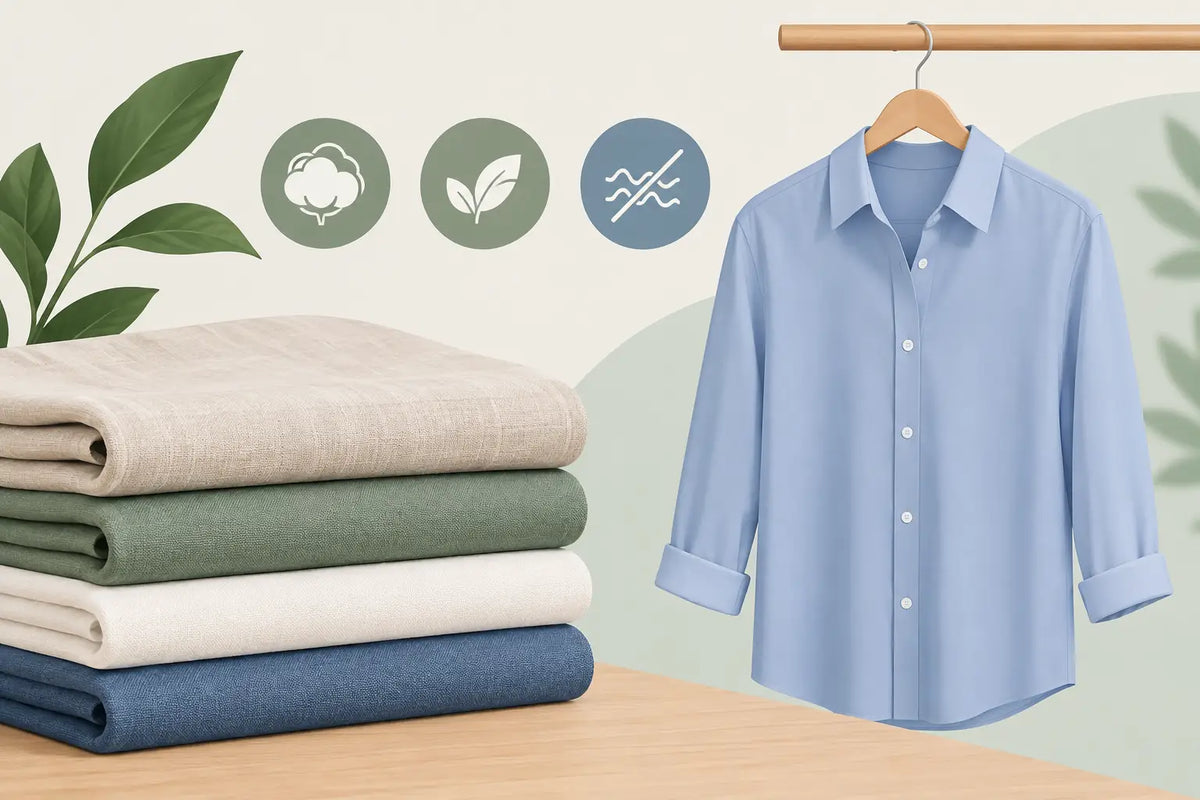
The fiber content label is one of the most useful details on any garment. A 100% viscose blouse is very different from a viscose-polyester blend when it comes to potential biodegradability.
When viscose is blended with synthetic fibers, the cellulose portion may break down while polyester, nylon, elastane, or acrylic remains. Even a small amount of elastane, often added for stretch and shape retention, complicates end-of-life options. The garment is no longer fully biodegradable as a whole.
Blends are not automatically a poor choice. They can improve durability, recovery, wrinkle resistance, or fit. A tailored pant that holds its shape and earns years of regular wear may be more useful than a delicate single-fiber garment that wears out quickly. The trade-off is that blended fabrics are typically harder to recycle and less likely to biodegrade completely.
Details matter, too. Thread, labels, buttons, elastic waistbands, zippers, heat-transfer graphics, and metallic trims can all be made from different materials. A garment is a small system, not just one fabric composition.
Dyes and finishes can change the answer
Color and finish influence a viscose fabric’s end-of-life profile. Most dyed viscose will still contain cellulose, but certain chemical finishes can slow biodegradation or introduce substances that are not appropriate for home composting. Water-repellent treatments, plastic-based coatings, foil prints, and heavy embellishment are especially relevant.
This is not a reason to avoid color or design. It is a reason to choose with clarity. If you want the simplest end-of-life profile, look for minimally treated, single-fiber fabrics and avoid unnecessary coatings. If you want a sharper finish, a saturated color, or added performance, recognize that the garment may need a different disposal route later.
Biodegradable Does Not Mean Disposable
A biodegradable claim can sound reassuring, but it should never make clothing feel temporary. The most responsible garment is usually one that is worn often, cared for well, repaired when possible, and kept in circulation for as long as it still serves you.
Viscose is valued for drape. It works beautifully in relaxed shirts, fluid dresses, wide-leg pants, and elevated matching sets because it moves without stiffness. That softness also means it benefits from thoughtful care. Heat, aggressive washing, and rough handling can shorten its life.
Check the care label first. In general, cold or cool washing, a gentle cycle, and air drying can help preserve viscose fabric. Reshape pieces while damp when needed, and use a low iron setting or steam carefully. For structured or lined pieces, professional cleaning may be the right choice.
The goal is simple: buy the silhouette you will reach for, then give it the care required to keep earning its place in your wardrobe. A versatile piece worn across seasons is more valuable than a garment purchased for one occasion, regardless of its fiber content.
What Happens When Viscose Reaches the End of Its Life?
When a viscose garment is no longer wearable, first consider whether it can be repaired, altered, passed on, resold, or donated. Clothing in good condition should stay in use whenever possible.
If the fabric is damaged beyond wear, textile collection programs may be an option in some areas. However, recycling infrastructure varies widely, and blended garments remain difficult to process. Do not assume that placing clothing in a donation bin guarantees recycling or reuse.
Home composting is also more complicated than it appears. A plain, untreated 100% viscose textile may biodegrade eventually, but most finished garments include dyes, stitching, tags, or trims that do not belong in a home compost system. Municipal compost programs may have different rules, and many do not accept textiles at all.
Landfill is the least circular outcome. Even materials that can biodegrade may do so slowly there, and landfill does not recover the resources already used to make the garment. Keeping a piece in use, then finding the most appropriate local textile channel, is generally the better path.
How to Shop for Viscose More Thoughtfully
Start with the fabric label, then ask a few direct questions. Is it 100% viscose or a blend? Does the garment have a role beyond one event? Will its shape, weight, and color work with what you already own? Can you care for it in a way that supports repeat wear?
For a capsule wardrobe, choose pieces with range. A softly tailored viscose shirt can move from office hours to weekend plans. A fluid midi dress can be styled with sandals, flats, or a blazer. A matching set can create multiple looks when each piece also works separately. These are the details that turn a purchase into a lasting wardrobe staple.
It is also worth favoring brands that communicate clearly about material choices and production standards. Sustainability should not rely on vague language or a single fabric claim. Better decisions come from looking at the full garment: source, process, composition, construction, care, and expected years of wear.
Viscose can be a considered choice when it is sourced responsibly, designed to be worn often, and chosen with its whole life in mind. Let the label guide you, but let your real wardrobe habits make the final call: choose the piece you will wear, rewear, and keep reaching for.