
Wrinkle Resistant Natural Fabrics That Work
A crisp shirt at 8 a.m. should still look considered at 6 p.m. That is the appeal of wrinkle resistant natural fabrics: clothes that feel breathable and look composed through commutes, meetings, flights, and warm afternoons. The right choice is not about finding a fabric that never creases. It is about choosing fibers, weaves, and silhouettes that recover well and wear beautifully when life is in motion.
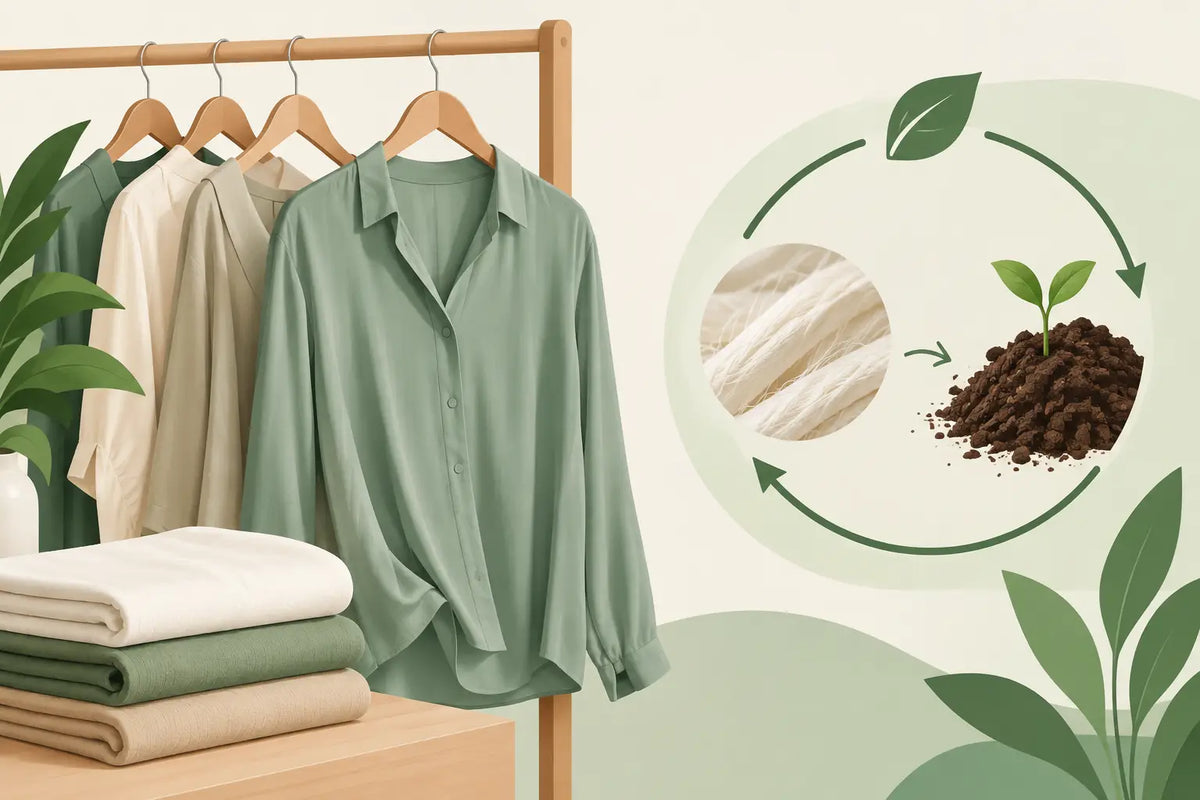
Natural fibers are valued for their comfort, breathability, and lower-impact potential. They also behave honestly. Linen softens and creases. Cotton can hold a fold after hours of sitting. Rather than treating that as a flaw, a well-built wardrobe makes room for fabrics that have structure, movement, and a little ease.
What Makes a Natural Fabric Resist Wrinkles?
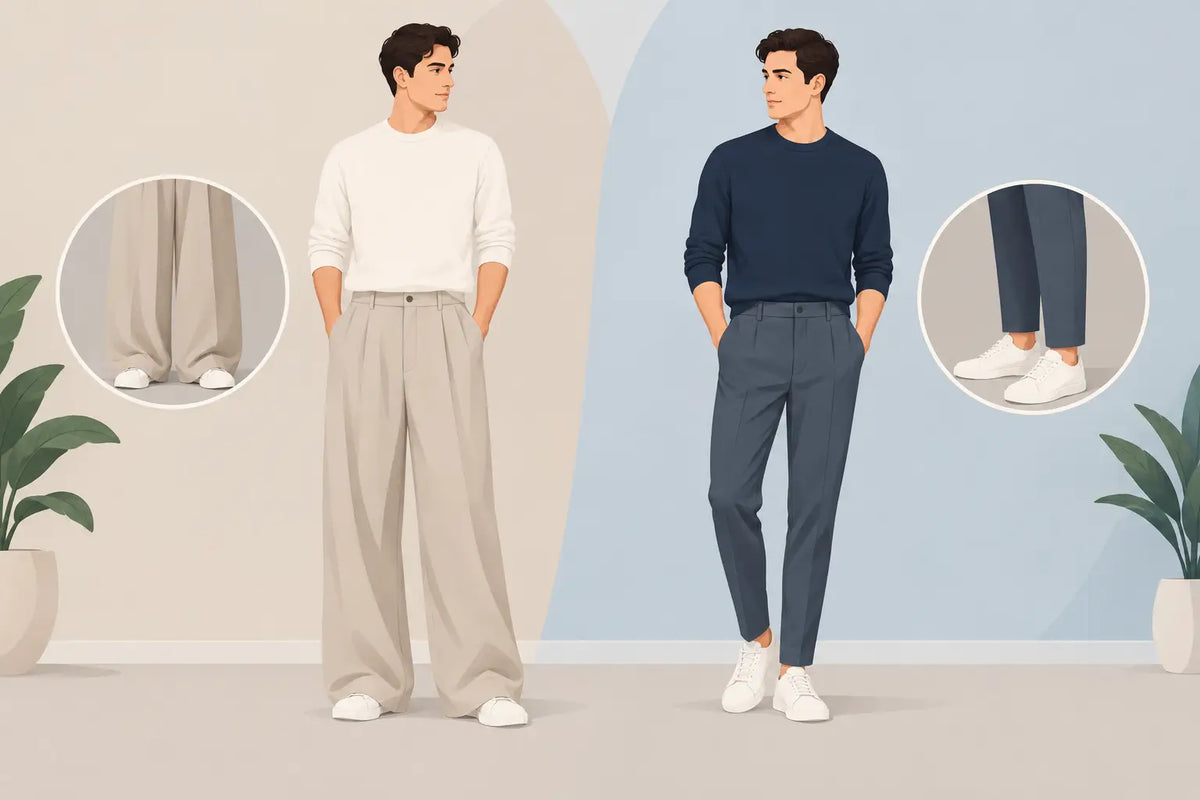
Wrinkle resistance comes down to a fabric's ability to spring back after it has been bent, compressed, or stretched. Fiber length, yarn twist, weave, fabric weight, and garment construction all matter. A densely woven, medium-weight cotton shirt will generally hold its shape better than a very fine, loosely woven cotton voile. A softly tailored trouser with room through the leg will show fewer stress creases than a very slim cut in the same fabric.
No natural fabric is completely wrinkle-proof. Claims that suggest otherwise often depend on chemical finishing or a meaningful amount of synthetic fiber. The more useful standard is resilience: does the garment relax after you hang it up, and does it still look intentional by the end of the day?
The finish matters, too. Some conventional easy-care treatments can improve crease resistance, but they may not align with every shopper's material preferences. Reading the composition and care label gives a clearer picture than relying on a broad marketing claim.
The Best Wrinkle Resistant Natural Fabrics
Wool: the strongest natural choice for recovery
Wool is one of the most naturally resilient fibers. Its crimped structure allows it to bend and return to shape, which is why wool tailoring has remained a reliable option for polished wardrobes. Lightweight tropical wool is especially useful for trousers, blazers, and waistcoats when you want a refined finish without the heaviness associated with winter suiting.
For warm climates, weight and weave are essential. Choose an airy, lightweight wool rather than a dense flannel, and consider how much direct heat and humidity your day involves. Wool also asks for considered care. It does not need frequent washing, but it benefits from airing out, careful storage, and professional cleaning when needed.
Linen: relaxed texture, elevated styling
Linen wrinkles because its fibers have low elasticity. That is also part of its character. A fine crease in a linen shirt or wide-leg trouser reads as relaxed and natural, particularly in resort dressing and summer workwear. Linen is exceptionally breathable and becomes softer with wear, making it an easy choice for warm weather.
If you want linen with a more polished appearance, look for a medium-weight weave, a lined or partially lined construction where appropriate, and shapes with a little room to move. Linen shirts with a clean collar, tailored linen trousers, and structured overshirts can carry a day-to-night wardrobe without looking overly formal. A linen blend can also reduce creasing, depending on what it is blended with.
Cotton: versatile, but construction is everything
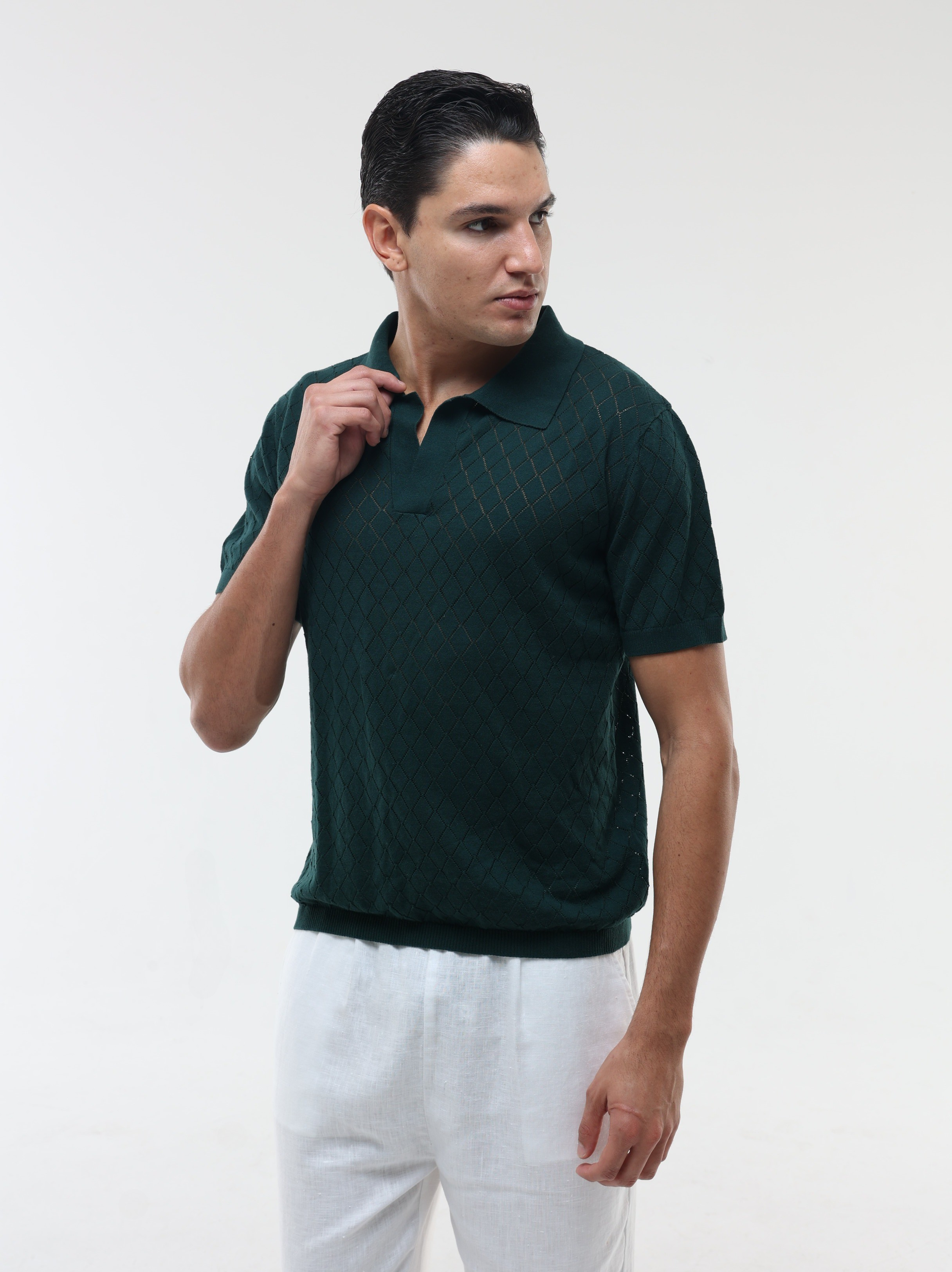
Cotton is dependable, soft, and widely adaptable, but its wrinkle performance varies significantly. Crisp poplin may crease more visibly than a textured Oxford or a heavier twill. Cotton jersey, because it is knitted rather than woven, has natural stretch and tends to be more forgiving for casual tops, polos, and matching sets.
For shirts and workwear, choose cotton with a substantial hand feel, a tight weave, or subtle texture. For relaxed essentials, cotton knits offer comfort and an easier finish after a long day. A garment that fits well through the shoulders and seat will also crease less dramatically than one pulling across the body.
Hemp: structured, breathable, and better with wear
Hemp has a dry, textured feel and a naturally strong fiber. Like linen, it can crease, but it often develops a grounded, lived-in character rather than looking untidy. It is particularly well suited to relaxed trousers, overshirts, lightweight jackets, and pieces designed for repeated warm-weather wear.
Hemp is rarely the answer for a sharply pressed boardroom shirt. It is a stronger choice when you want breathable structure with an understated, natural finish. Blended with cotton or other cellulosic fibers, it can feel softer from the start while retaining its distinctive texture.
Silk: fluid, refined, and travel-aware
Silk can resist creasing better than linen or crisp cotton, especially in heavier weights such as crepe de chine or silk twill. It drapes rather than holds a hard fold, making it a considered option for blouses, dresses, and evening pieces. Its smooth surface creates an elevated finish with very little effort.
The trade-off is care. Silk can show water marks, oil, and heat damage, and it may need more deliberate cleaning. For travel, roll silk pieces loosely and hang them as soon as you arrive. A few minutes in a steamy bathroom can help softer creases release.
Natural and Plant-Based Blends: Know What You Are Buying
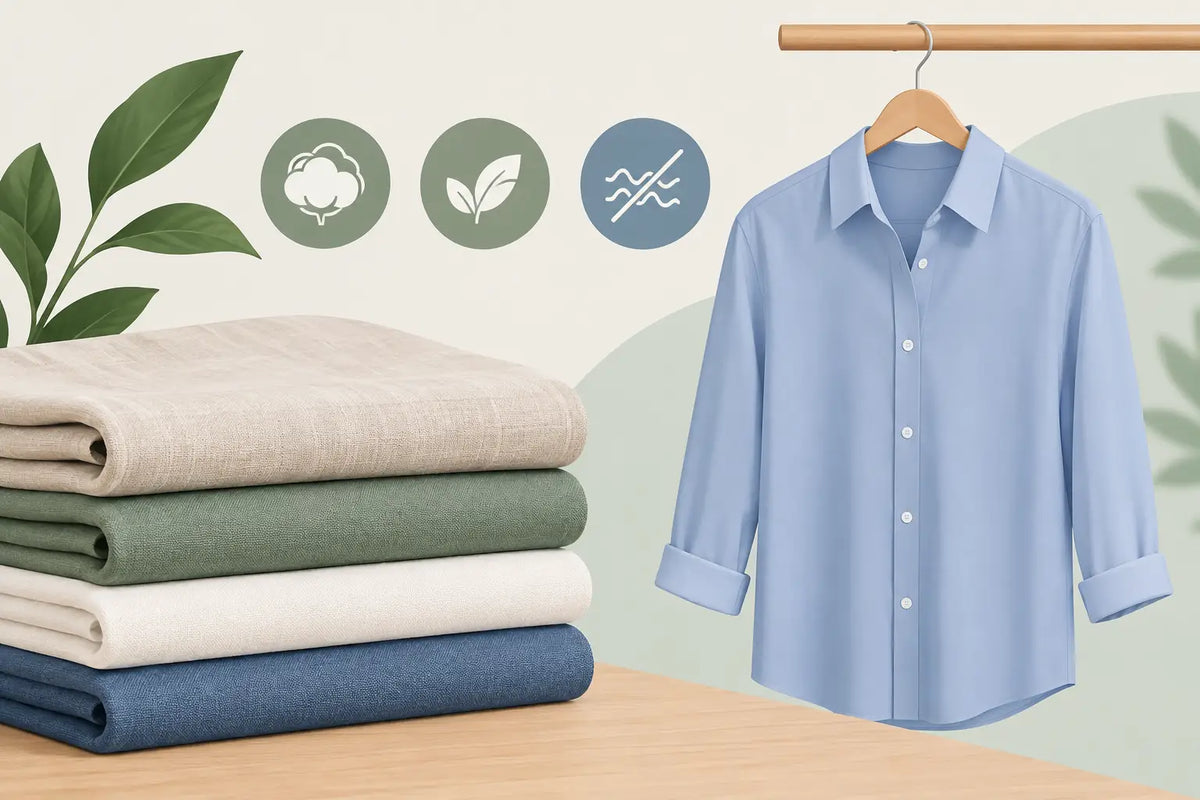
Blends can be practical, especially when you need a garment to hold its shape through a demanding week. Linen-cotton blends often feel softer and may wrinkle less harshly than pure linen. Wool-silk blends can offer beautiful drape alongside resilience. A small amount of elastane can help fitted cotton trousers recover at the knees and seat.
There is a trade-off. Synthetic fibers can improve wrinkle resistance and durability, but they can also change breathability, hand feel, and end-of-life options. The best blend depends on the role of the garment. For a travel blazer or tailored pant, a small performance component may be useful. For a relaxed summer shirt, pure linen or cotton may offer the comfort you want, with wrinkles that feel entirely appropriate.
Lyocell is another fabric often included in this conversation. It is made from wood pulp through a manufactured process, so it is better described as plant-based or cellulosic rather than a fully natural fiber. It has a smooth hand, fluid drape, and typically creases less sharply than linen. When responsibly sourced and well made, it can be a smart addition to an everyday wardrobe.
Choose the Garment, Not Just the Fiber
The label tells only part of the story. Before choosing a fabric for work, travel, or everyday wear, consider the garment's construction and the expectation you are placing on it.
A structured blazer benefits from wool, a stable weave, and enough room across the back to move comfortably. A summer dress can embrace linen's natural texture, especially in a looser silhouette. For long flights and full workdays, knitted cotton, fluid lyocell, or lightweight wool trousers often perform better than ultra-crisp woven cotton.
Color and texture can help, too. Mid-tones, darker shades, heathered yarns, and visible texture tend to make small creases less noticeable than bright white, very pale colors, or a perfectly smooth surface. This is not about hiding poor construction. It is about choosing pieces that continue to look intentional in real life.
Keep Natural Fabrics Looking Polished
Good care preserves both the fabric and the shape of the garment. Hang shirts, blazers, dresses, and trousers after wearing them so gravity can release minor creases. Give wool pieces space to air before returning them to the closet. For linen and cotton, a light steam while the garment is slightly damp is often more effective than pressing a dry fabric repeatedly.
When packing, roll softer knits and fluid pieces rather than folding them into sharp rectangles. For shirts and structured trousers, fold along existing seams and avoid overfilling your bag. Unpack promptly, place garments on hangers, and use shower steam for a quick refresh. Heat can damage delicate fibers, so keep the steamer moving and test a discreet area first.
Build your wardrobe around the finish you genuinely enjoy wearing. Choose wool when you need recovery, cotton when you want everyday reliability, linen when breathability matters most, and thoughtfully chosen blends when performance is non-negotiable. The most polished clothes are not the ones that look untouched. They are the ones that still feel like you after a full day.