
The Sustainable Blazer Women Actually Wear
A blazer is the piece you reach for when you want to look pulled together in under 30 seconds. It finishes denim. It sharpens a dress. It makes a simple tank feel intentional. The problem is that most blazers are built for a closet fantasy: stiff, synthetic, dry-clean-only, and worn twice a year.
A sustainable blazer for women should do the opposite. It should earn repeat wears. It should feel breathable when you step outside. It should still look clean at 6 p.m. after a full day. Sustainability, here, is not a talking point. It is the design standard that makes the blazer practical.
What “sustainable” should mean in a blazer
A blazer is more complicated than a tee. It uses outer fabric, lining, interfacing, shoulder structure, and trims - and every choice affects both comfort and footprint. The goal is not perfection. The goal is fewer compromises: better fibers, smarter construction, and a longer useful life.
Start with the fabric. Natural and plant-based fibers like linen and cotton are often the easiest place to reduce dependence on petroleum-based synthetics while also improving breathability. They also tend to feel better in warm climates and travel settings, where blazers usually fail.
Then look at how the blazer is meant to live. If it requires constant dry cleaning, it is asking for extra chemicals, extra cost, and extra friction. Some tailoring will always need care, but the best sustainable options are designed to be worn often and maintained realistically.
Finally, consider versatility. A blazer that only works with one pair of pants is not a sustainable purchase, no matter what the hangtag says. The most responsible blazer is the one that gets worn.
Fabric first: choosing what you want to wear, not just what you want to buy
Fabric is the make-or-break detail because it decides how often you will reach for the blazer. Sustainability and comfort align here.
Linen: breathable structure that improves with wear
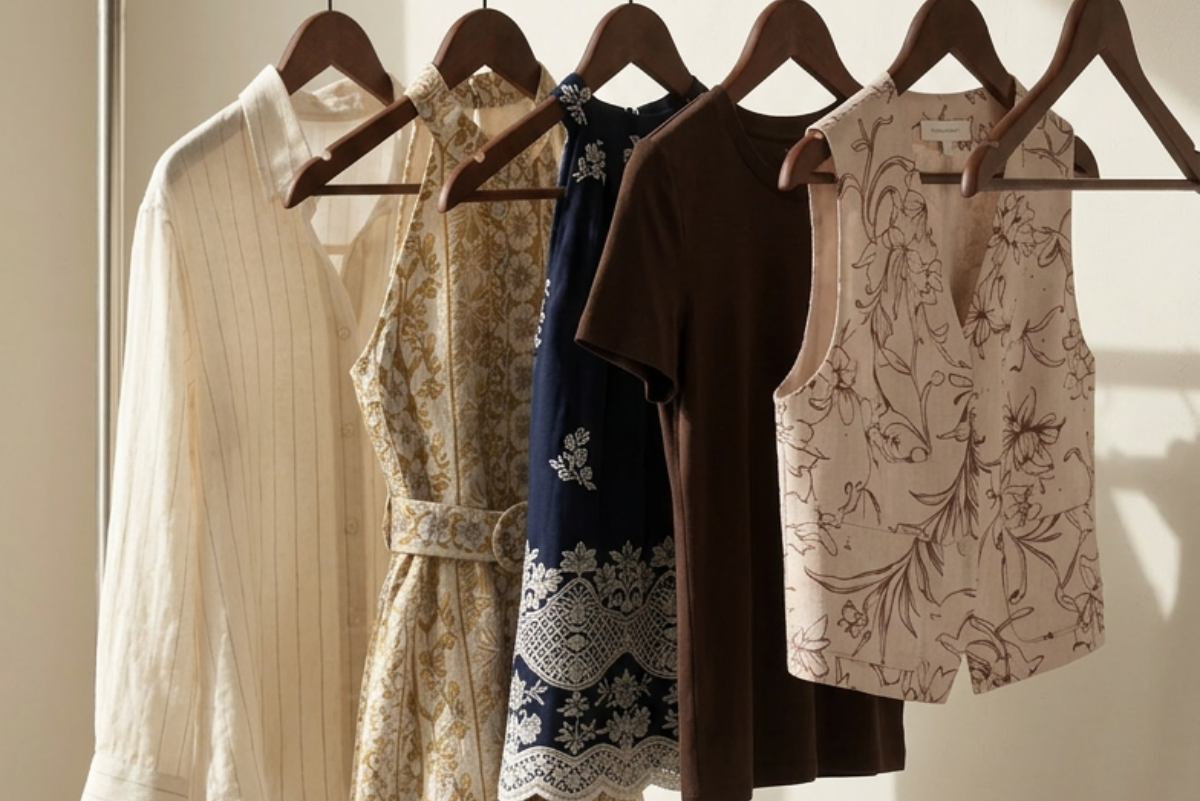
Linen is the warm-weather hero for a reason. It holds a tailored shape without trapping heat, and it has a naturally textured finish that looks intentional even when styled casually.
The trade-off is visible wrinkling. That is not a flaw if you like a modern, relaxed polish. If you want a crisp, boardroom-smooth look all day, linen can feel too lived-in. For many wardrobes, though, that slightly relaxed look is exactly what makes a blazer wearable outside of the office.
Cotton: soft, familiar, and easier to keep sharp
Cotton blazers can feel more “everyday” than traditional suiting. They tend to be comfortable from the first wear and can look clean with minimal fuss.
The trade-off is weight and heat management. Some cotton weaves can feel heavier than linen in high humidity. If you live in a hot climate or travel often, pay attention to the fabric weight and whether the blazer is lined.
Blends and linings: the quiet details that matter
A blazer can be natural on the outside and still feel synthetic because of the lining and internal structure. Full synthetic linings can reduce breathability and make the piece feel slippery or hot.
Sometimes a small percentage of synthetic fiber is used for durability or shape retention. That is not automatically “bad,” but it should be a conscious choice with a clear benefit. If a brand cannot explain why it is there, assume it is there for cost.
Fit and construction: the hidden reasons a blazer sits unworn
Even the most sustainable fabric will not save a blazer that does not fit your life. A good fit is not just about tailoring. It is about movement, layering, and how the blazer behaves after hours of wear.
Start at the shoulders. The shoulder seam should align closely with your natural shoulder, unless you are intentionally choosing an oversized silhouette. If the shoulders collapse or pull, the blazer will never look clean.
Check the armholes. Higher armholes often give better mobility and a sharper line, while low armholes can restrict movement even in a larger size. Raise your arms. If it feels tight across the back, you will avoid wearing it.
Look at the lapel and front closure. A blazer that gaps at the bust or pulls at the button is not a sizing failure on your part. It is a pattern choice. If you want a blazer you can actually close, prioritize a cut designed for that.
Then consider lining and structure. Unlined or partially lined blazers can feel lighter and more breathable, especially in linen. More structure can look sharper and more formal, but it may reduce comfort and increase care requirements. It depends on your day.
The real test: cost per wear, not price per piece
A sustainable blazer for women is often priced higher than fast fashion. The more useful comparison is cost per wear.
Ask yourself how many outfits it can anchor without effort. If it works with trousers, denim, a dress, and a matching short set, it has range. If it only works for one type of meeting, it will sit.
Also ask how it will age. A blazer that looks better slightly relaxed, with natural texture and soft structure, tends to be more forgiving across years. A blazer that relies on sharp, synthetic crispness can look tired quickly.
How to style a sustainable blazer for repeat wear
The styling goal is simple: make the blazer feel normal in your life. Not “special occasion.” Not “office costume.” Just your uniform.
Workwear that looks current, not corporate
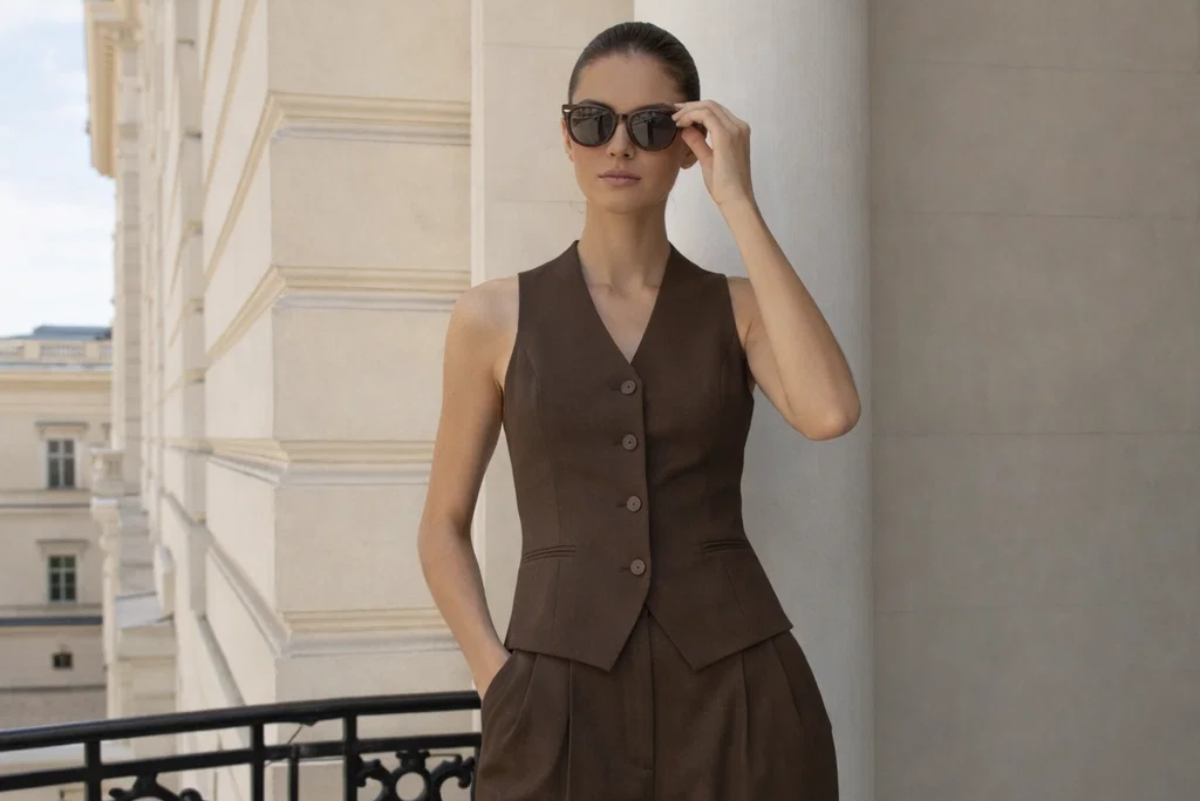
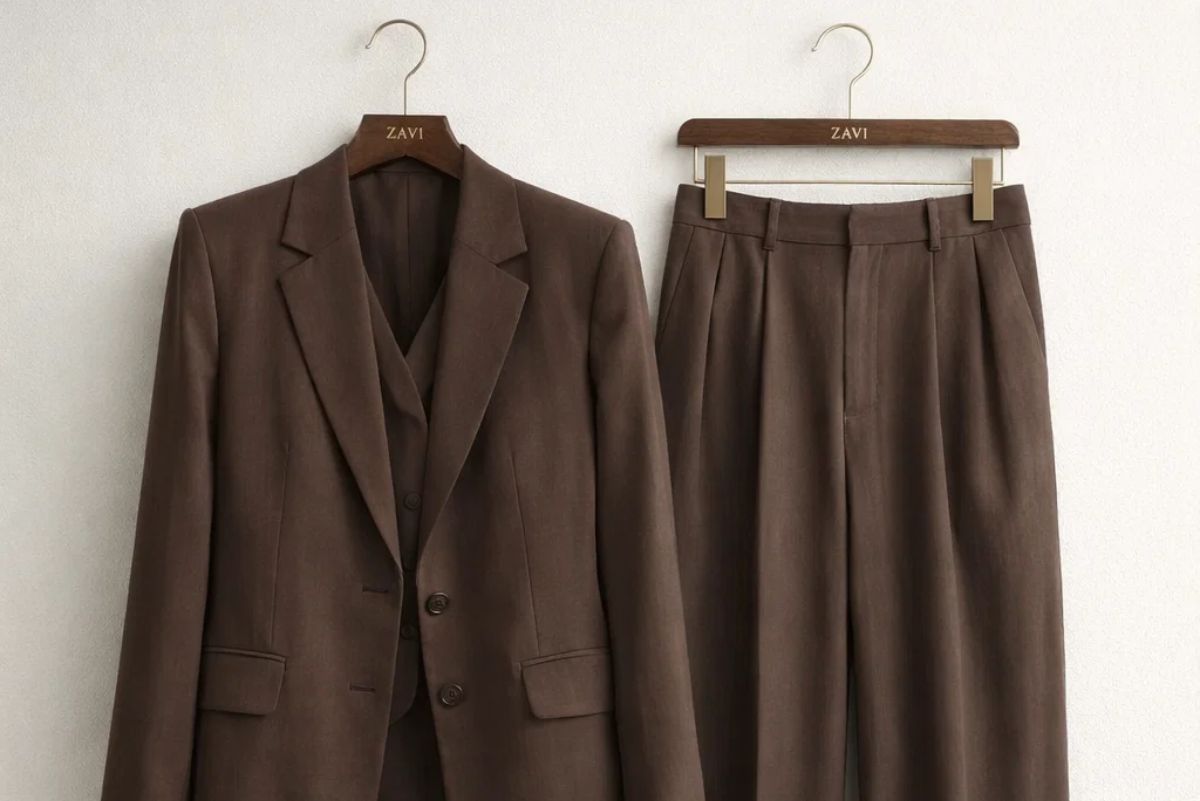
Pair the blazer with straight-leg trousers or a matching set for a clean line. Keep the base simple: a fitted tank, a minimal blouse, or a lightweight knit. If your work environment leans modest, a higher neckline and slightly longer hem create polish without feeling strict.
For shoes, a sleek flat, low heel, or minimal loafer keeps the look modern. The blazer should do the work so the rest can stay quiet.
Off-duty: denim, a tee, and one intentional detail
A blazer over denim is the fastest way to look finished. Choose a straight or relaxed jean and a clean tee or ribbed tank. If the blazer is linen, let the texture show. If it is cotton, keep the palette tonal for a minimal look.
The trick is proportion. If the blazer is oversized, keep the base more fitted. If the blazer is tailored, a relaxed jean keeps it from feeling too formal.
Travel: breathable layers that still photograph well
For travel, prioritize a blazer that can handle movement and temperature changes. Linen and lighter cotton excel here. Wear it over a tank or tee, and pair it with relaxed trousers or a matching bottom that feels like loungewear but looks elevated.
If you are packing it, choose one that does not punish you for creasing. A little texture reads intentional. A stiff, fully synthetic blazer reads wrinkled.
Evening: minimal base, sharper silhouette
A blazer can replace a dress code. Throw it over a slip dress, a monochrome set, or a fitted top with tailored pants. Keep jewelry minimal and let the line of the blazer carry the look.
If you want a cinched shape without committing to a cropped cut, add a belt. Just know that belting can crease lighter fabrics, so it is better for cotton or a more structured weave.
Care and longevity: sustainability happens after checkout
If you want the blazer to last, treat care as part of the purchase decision.
First, air it out between wears. Most blazers do not need cleaning after every use. Hang it where it can breathe, and use a fabric brush if you need to lift dust.
Second, steam instead of aggressively ironing when possible. Steaming relaxes fibers and smooths without flattening the fabric’s character. Linen in particular responds well to steam.
Third, store it properly. A shaped hanger protects the shoulders. A cramped closet creates wrinkles that feel like “work” to fix, and that is how good pieces get ignored.
If the blazer is lined or more structured, occasional professional cleaning may still make sense. The sustainable choice is not never cleaning. It is cleaning less often, and choosing a blazer that does not require it constantly.
Shopping signals that separate real design from green marketing
You do not need a certification checklist to shop well, but you do need a few clear signals.
Look for specific fabric callouts, not vague claims. “Natural fabrics” and “plant-based” should be backed by materials you recognize, like linen and cotton. Check whether the brand describes the feel and purpose of the fabric, not just the sustainability story.
Pay attention to styling and merchandising. If a blazer is shown across multiple outfit types - work, casual, travel - it is more likely designed for repeat wear. If it is only styled one way, it may be trend-led.
And be honest about your own life. If you love the idea of a sharp, structured blazer but you live in heat and commute on foot, you will resent it. Choose the blazer your schedule will actually support.
For a modern, minimal approach to consciously designed tailoring in natural and plant-based fabrics, explore ZAVI and shop by blazer and workwear categories built for repeat wear.
A sustainable blazer for women is a wardrobe decision
A blazer becomes sustainable when it stops being precious. When you can wear it on a Tuesday, rewear it on a Friday, pack it on a Sunday, and still feel like yourself in it. Choose the fabric that matches your climate, the fit that matches your movement, and the styling that makes it feel effortless - then wear it often enough that it earns its place.