
How to Build Work Outfits That Last
Getting dressed for work should not feel like solving a new problem every morning. If you are figuring out how to build work outfits that feel polished, practical, and wearable on repeat, the answer is usually not more clothes. It is better structure. A focused wardrobe, built around strong shapes and breathable fabrics, gives you more combinations with less effort.
That matters even more if your week moves between office hours, coffee meetings, commuting, dinners, and travel. The best work outfits are not overly styled. They are clear, balanced, and easy to adjust. Think tailored trousers with a crisp shirt, a matching set that looks considered in seconds, or a blazer layered over a soft dress. Modern workwear should work hard, but it should also feel light.
How to build work outfits with a strong foundation
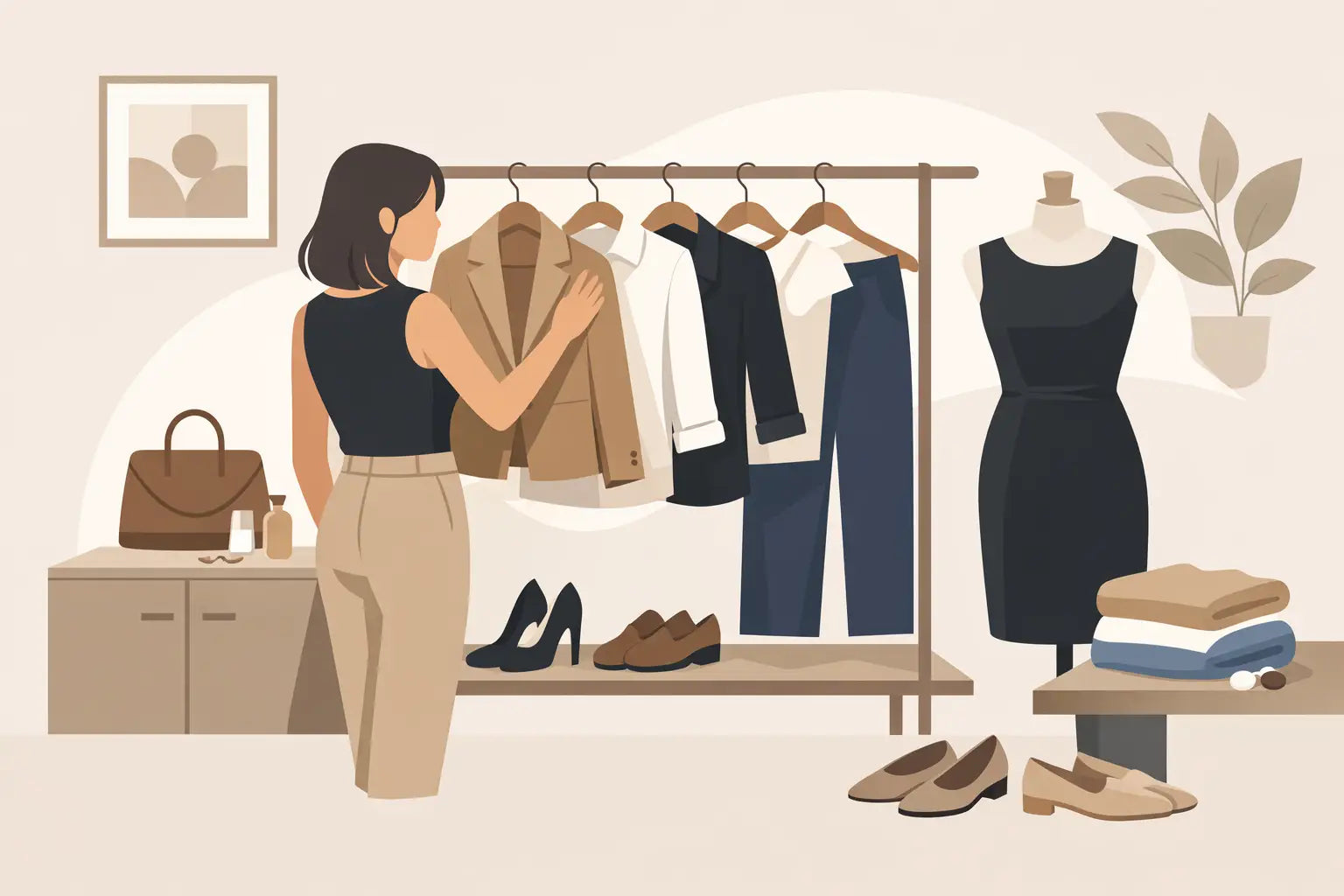
Start with the pieces that do the most work. For most wardrobes, that means tailored bottoms, refined tops, one or two layering pieces, and a small group of one-step options like dresses or jumpsuits. If each category is covered well, building outfits becomes far easier.
Trousers are usually the anchor. Choose silhouettes that feel current but not extreme, straight-leg, wide-leg, or softly tapered depending on your style and workplace. Neutral tones such as black, navy, stone, chocolate, white, or soft gray give you room to rotate tops and outer layers without overthinking it. A well-cut pair in cotton or linen blend fabric will often outperform trend-driven options because it works across seasons and settings.
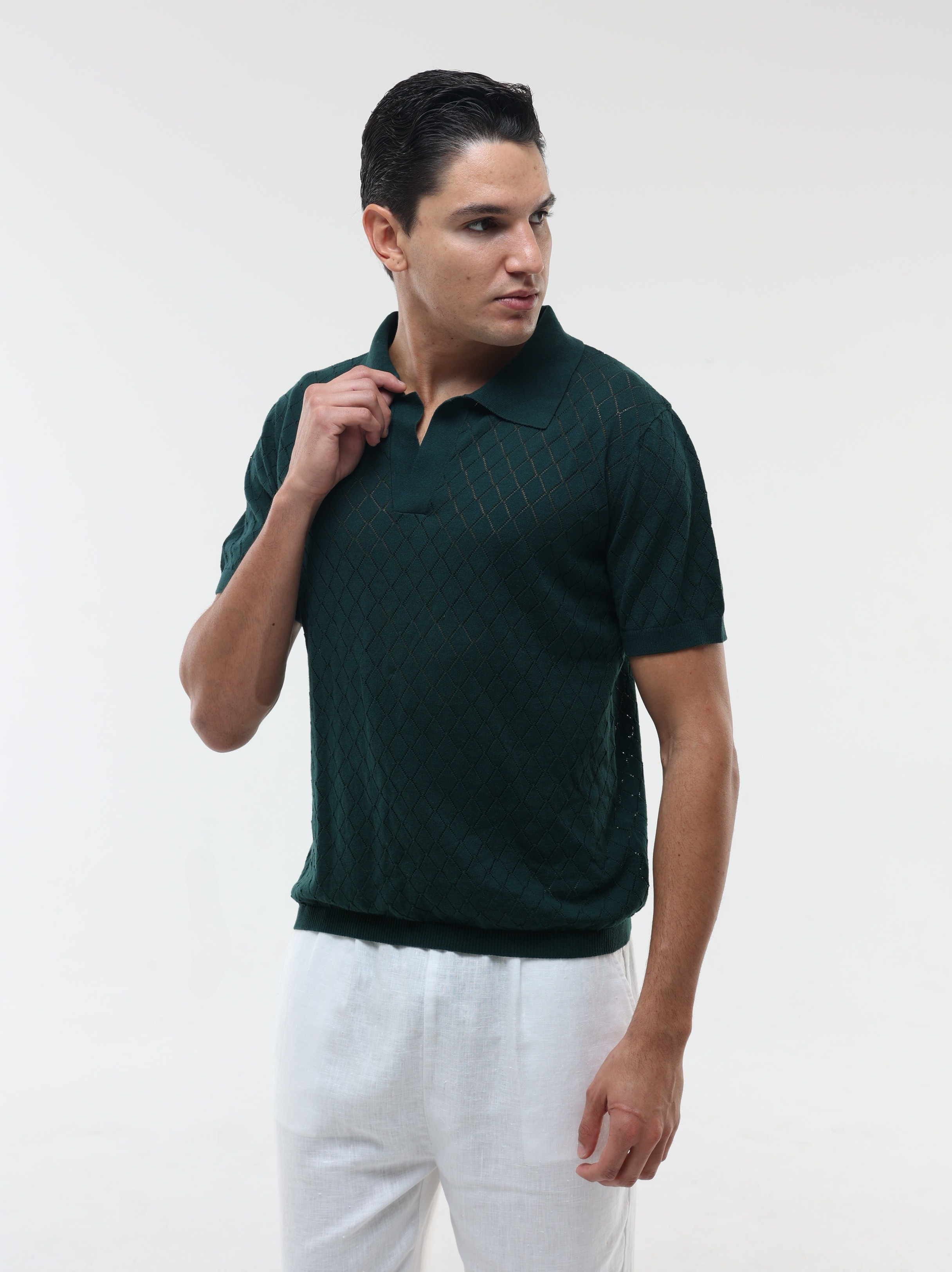
Tops should bring contrast and versatility. A clean shirt, a structured blouse, a knit polo, and a fitted basic top each solve a different need. The shirt sharpens the look. The blouse softens it. The polo gives it a modern edge. The basic top lets tailoring stand out. If you rely only on statement tops, outfit building gets harder. If you own only basics, the wardrobe can feel flat. The right mix does more.
Layering pieces create finish. A blazer is the obvious example, but not the only one. A waistcoat can look just as polished in warm weather, especially over a shirt or with matching trousers. A lightweight jacket also earns its place if your office leans more relaxed. The key is shape. Layers should add line and definition, not bulk.
Build around outfit formulas, not single looks
One of the easiest ways to learn how to build work outfits is to stop thinking in isolated outfits and start thinking in formulas. A formula is simply a repeatable combination that you can update with different fabrics, colors, or proportions.
A blazer with trousers and a fitted top is one of the strongest formulas because it covers almost every office scenario. It reads polished, but the mood shifts depending on the cut. Wide-leg pants and a soft tank feel modern. Straight-leg trousers and a crisp shirt feel more traditional. The structure stays the same, so getting dressed stays simple.
A matching set is another formula worth building around. Shirt and pants, waistcoat and trousers, or coordinated separates give you instant cohesion. They also break apart well. Wear the set together on busy mornings, then style each piece separately through the week. This is where a minimal wardrobe starts to feel expansive.
Dresses and jumpsuits deserve more attention in workwear than they usually get. They remove the need to coordinate multiple pieces, and they can be styled up or down with one layer. A clean-cut midi dress with a blazer works for a meeting. The same dress worn with a light jacket or simple flats works for everyday office hours. Jumpsuits can do the same, though fit matters more. If the cut is too casual, the look loses polish fast.
Fabric changes everything
A work outfit can look excellent on the hanger and still fail by noon if the fabric is wrong. This is especially true in warm climates, long commutes, or packed schedules. Breathability matters. So does texture.
Natural and plant-based fabrics like cotton and linen bring ease to workwear because they move well, wear comfortably, and look refined without feeling stiff. Linen, in particular, gives tailoring a relaxed sharpness that works beautifully in contemporary wardrobes. It does wrinkle, of course, but that is part of the trade-off. A linen blazer or trouser will never look as crisp at 6 p.m. as it did at 8 a.m. What it offers instead is comfort, airflow, and an understated finish that feels current rather than overworked.
Cotton is often the steadier choice for shirts, structured tops, and everyday separates. It holds shape well and tends to feel easy across seasons. Blends can also make sense, especially if you want less wrinkling or more drape. The point is not to chase one perfect fabric. It is to choose materials that match your day.
How to build work outfits for your actual office
There is no single definition of workwear now, which is why so many people feel stuck. Corporate offices, creative teams, hybrid schedules, and client-facing roles all ask for different levels of polish. The smartest wardrobe meets your real calendar, not an imaginary one.
If your office is formal, focus on sharper tailoring, longer hemlines, clean shirting, and a tighter palette. In this setting, repetition is a strength. Wearing the same blazer shape in different tones often looks more elevated than owning many unrelated pieces.
If your office is business casual, you have more room to soften the structure. Knit tops, relaxed trousers, and matching separates can carry most of your week. A waistcoat set, for example, can look directional without feeling too dressed. This is often the sweet spot for modern minimal workwear.
If your week is hybrid, flexibility becomes the main goal. You want pieces that work on camera, in transit, and in person. That usually means tops with clean necklines, lightweight layers, and bottoms that feel comfortable sitting for hours but still look tailored. Hybrid dressing rewards pieces that move between settings without demanding a full change.
Keep the color palette tight
When a wardrobe feels difficult, the issue is often color rather than quantity. Too many unrelated shades limit your combinations. A focused palette creates visual calm and makes getting dressed faster.
Start with two or three base neutrals. Black and stone. Navy and white. Chocolate and cream. Then add one or two accent colors that fit naturally with them, maybe olive, soft blue, rust, or muted burgundy depending on the season. This does not mean every outfit needs to be monochrome, although tonal dressing is always elegant. It means your pieces should speak to each other.
This is also where matching sets and coordinated layers become useful. They create built-in harmony, then leave room for one contrasting piece. A black waistcoat and trouser set with a white shirt. Stone linen pants with a sand blazer and a dark knit top. Minimal, but not plain.
Fit is where polished starts
Even the most thoughtfully chosen wardrobe falls short if the fit is off. Workwear needs enough structure to look intentional and enough ease to stay comfortable. That balance is personal.
Oversized can look strong in tailoring, but it needs control somewhere else. If the blazer is relaxed, the trouser should still sit cleanly at the waist. If the pants are wide, the top should have some shape. Volume without balance can read sloppy. On the other hand, clothing that is too fitted often feels dated and uncomfortable in a work setting.
Length matters more than people expect. Trouser hems, sleeve length, and shoulder placement all affect whether an outfit looks premium or almost right. These are small adjustments, but they change everything.
Use accessories with restraint
The best work outfits rarely need much added to them. Good shoes, a structured bag, and one or two subtle finishing pieces are usually enough. Accessories should support the outfit, not compete with it.
A sleek flat, loafer, low heel, or minimal sandal can all work depending on the office and season. Bags should be functional but clean in shape. Jewelry, if you wear it, is often strongest when kept minimal. A work wardrobe built on clear lines looks best with the same discipline in styling.
Buy for repeat wear
The real test of workwear is not whether it looks good once. It is whether you reach for it again next week, and the week after that. Pieces that earn repeat wear usually share a few qualities. They are comfortable, easy to pair, appropriate in more than one setting, and made from fabrics that hold up to regular use.
That is why consciously designed staples matter. A modern wardrobe does not need constant replacement. It needs fewer, better pieces that keep working. If you are shopping with that mindset, browse categories the way you actually dress - blazers, trousers, shirts, matching sets, dresses - and build from the categories you wear most. At ZAVI, that kind of workwear wardrobe is designed to feel refined, breathable, and easy to repeat.
The best place to start is simple: choose one trouser, one shirt, one blazer, and one matching set you would be happy to wear on your busiest week. If those pieces feel right on your body and in your routine, the rest of your work wardrobe gets much easier to build.