
Guide to Building a Workwear Capsule
Getting dressed for work should not feel like a daily negotiation with your closet. The best guide to building workwear capsule style starts with a simple shift: buy for repetition, not for one-off outfits. When every piece earns its place, mornings get easier, your wardrobe works harder, and your style looks more consistent.
A strong workwear capsule is not about owning less for the sake of it. It is about owning better. Think modern tailoring, easy layers, breathable fabrics, and silhouettes that move from desk to dinner without needing a full reset. For professionals who want polished dressing without excess, that balance matters.
What a workwear capsule actually needs
A workwear capsule should reflect your real week, not an imagined one. If your office leans formal, you may need sharper tailoring and structured separates. If your schedule moves between meetings, remote work, coffee catch-ups, and evening plans, versatility matters more than strict suiting.
Start by looking at the categories you reach for most. Usually, that means trousers, shirts, blazers, elevated tops, and dresses or jumpsuits that can stand alone. The goal is not a fixed number of pieces. It is a wardrobe where most items work in at least three ways and across more than one setting.
This is where many people overbuy. They collect statement pieces that only pair with one bottom, or trendy layers that feel dated after a season. A capsule works differently. It relies on a clear color direction, consistent proportions, and fabrics that can handle frequent wear.
Guide to building workwear capsule foundations
The foundation of a workwear capsule is shape before quantity. If the fit is wrong, even the best fabric or color will not save the piece. Begin with the garments that create structure.
A tailored blazer is usually the first anchor. It sharpens simple outfits, finishes dresses, and gives relaxed separates more intention. Choose a cut that fits your shoulders cleanly and allows room for layering. If you live in a warm climate or commute often, linen or cotton blends can feel more wearable than heavy suiting fabrics.
Next comes the trouser. Straight-leg, wide-leg, or softly tapered styles tend to offer the most flexibility. What matters is that they work with flats and heels, and that the rise suits the tops you actually wear. One pair in black, navy, stone, or chocolate will do more for your closet than three pairs in difficult colors.
Shirts and tops carry more of the week than most people think. A crisp cotton shirt, a relaxed button-up, and two or three refined basics can cover a surprising number of outfit combinations. The trick is choosing tops with enough substance to wear alone but enough simplicity to layer under tailoring.
Dresses and jumpsuits can solve the what-to-wear question in one move. They are especially useful in workwear capsules because they reduce styling effort while still reading polished. Look for clean lines, midi lengths, and shapes that can be worn with a blazer, waistcoat, or light jacket.
Choose a palette that makes mixing easy
A capsule fails fast when every piece competes for attention. Color brings order. The easiest route is to build around two or three neutrals, then add one accent tone that feels like you.
Black and ivory create contrast and polish. Navy and stone feel softer but still refined. Chocolate, sand, and white can look especially elevated in natural fabrics. If you want more dimension, add muted olive, steel blue, or a restrained burgundy. The accent should support the wardrobe, not dominate it.
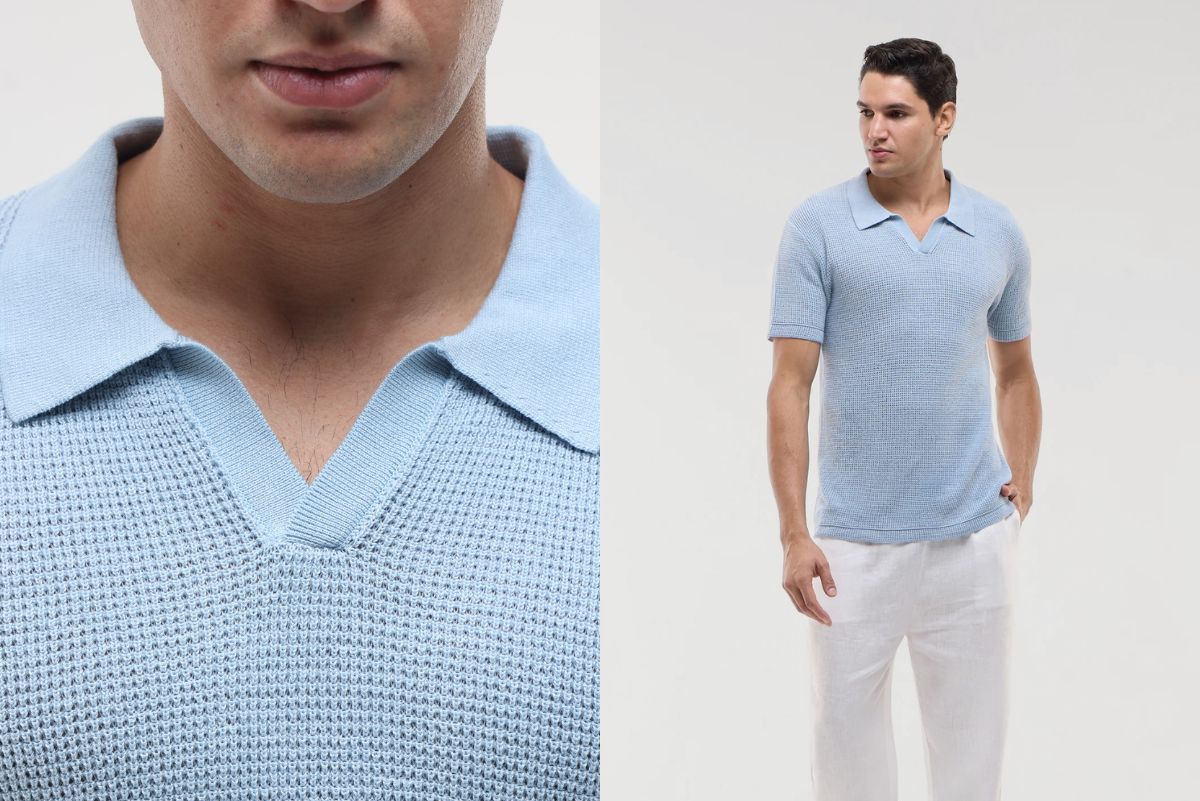
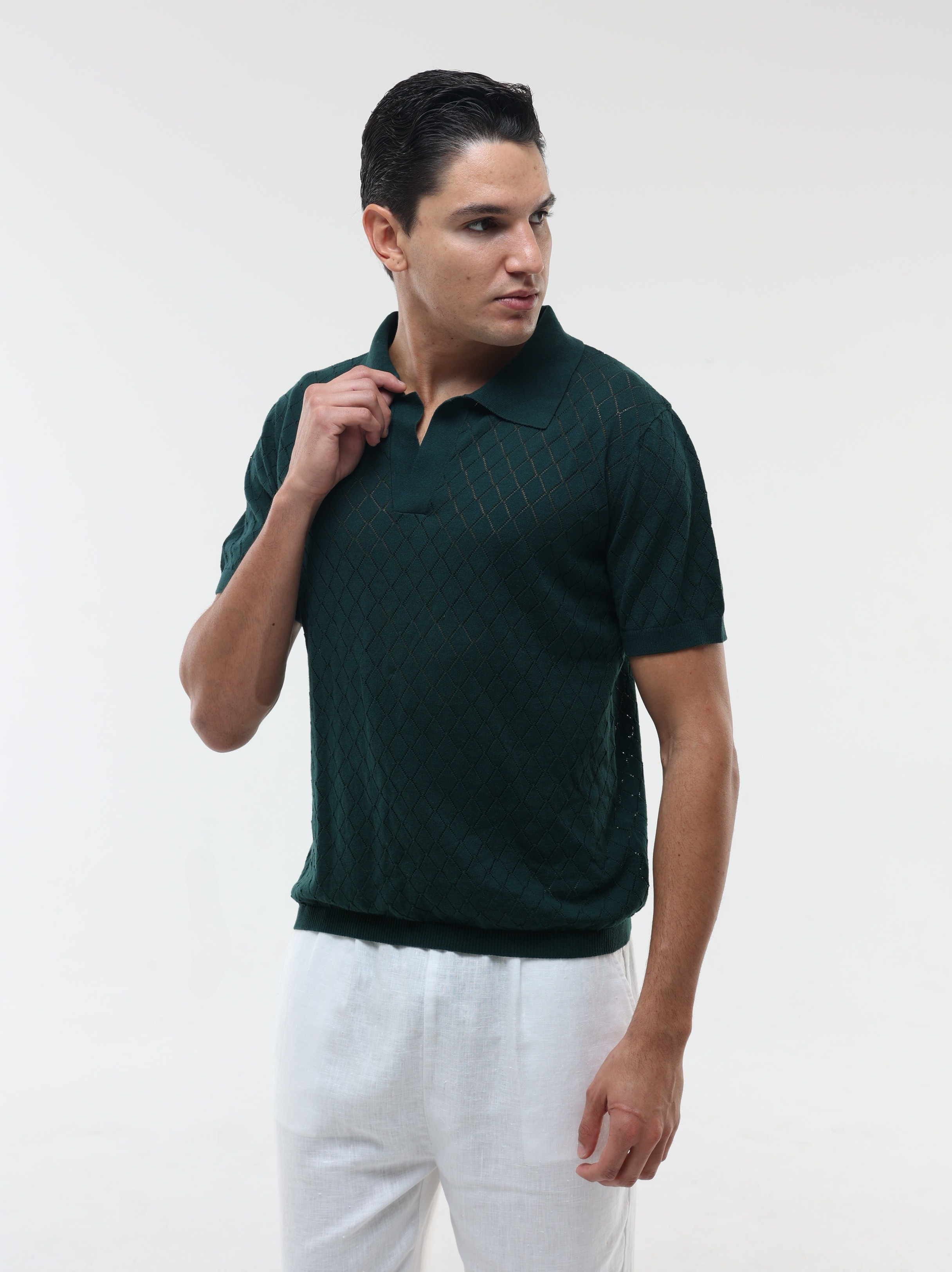
This does not mean your closet has to look flat. Texture can do the work color usually does. Linen, crisp cotton, soft knits, and structured woven fabrics add depth while keeping the overall look minimal. That is often the smarter move for workwear, especially if you want repeat wear without outfits feeling identical.
Fabric matters more than trends
The most useful guide to building a workwear capsule is not really about trends. It is about materials that hold up, breathe well, and feel good at 8 a.m. and again at 7 p.m. Fabric changes how often you wear something. That alone should shape what you buy.
Natural and plant-based fabrics such as linen and cotton are strong choices for everyday workwear, particularly in warmer climates or for long commutes. They breathe, soften with wear, and tend to support the relaxed polish that modern minimal wardrobes do so well. Structured cotton shirts, linen-blend blazers, and breathable trousers can make formal dressing feel more realistic.
There are trade-offs, of course. Linen wrinkles more easily, and some lightweight cottons may need more pressing. But those details are often worth it for comfort and repeat wear. If you want a cleaner finish, choose blends with enough structure to keep their shape while still feeling breathable.
Build outfits, not just categories
A closet full of good pieces can still underperform if they do not connect. Once you have a few core items, test them in full looks. Can your blazer work over a dress and also with trousers? Does your shirt pair with every bottom you own, or only one? Can your jumpsuit shift from office to dinner with just a change of shoes and jewelry?
This part is practical, not theoretical. Lay out combinations before buying more. If a new piece creates at least three easy outfits, it likely belongs. If it demands a specific heel, bag, or layer you do not already own, pause.
Matching sets are especially useful here. A waistcoat and trouser pairing, or a coordinated blazer and pant set, gives you a complete look immediately but also expands into separate styling options. One co-ord can function like several outfits when each piece stands well on its own.
The right number depends on your week
There is no perfect capsule count, and forcing one usually leads to gaps. A five-day office schedule needs a different wardrobe than a hybrid routine. The better question is this: how many polished outfits do you need before laundry, climate, and repetition become an issue?
For many people, a balanced capsule includes a few structured layers, three to five tops, two or three bottoms, and two one-piece options such as dresses or jumpsuits. That is enough to create variety without clutter. If your workplace is conservative, you may need more tailoring. If it is creative or flexible, you can lean more heavily on refined basics and softer structure.
The point is not scarcity. The point is clarity.
Where to spend more and where to hold back
If you are editing your budget as carefully as your wardrobe, prioritize the pieces that shape every outfit. Blazers, trousers, and versatile dresses deserve more attention because they carry the visual weight of your workwear. Better fabric and better cut show up immediately in those categories.
You can be more selective with trend-sensitive items or pieces that sit closer to the skin and need frequent replacement. A seasonal color top may refresh your wardrobe, but it should not compete with the foundation. Buy it only if it works with the rest.
This is also where a consciously designed wardrobe makes sense. Fewer, better garments in breathable natural fabrics often deliver more long-term value than a closet full of quick fixes. If you are refining your workwear with that mindset, collections built around modern tailoring, elevated basics, and plant-based fabrics - like those at ZAVI - feel aligned with how real capsule wardrobes are built.
Common mistakes that make a capsule feel limiting
The first mistake is choosing pieces that are too similar in function. Three black blazers are not a capsule. They are just repetition without range. You want overlap, but you also want each piece to do something distinct.
The second mistake is buying for aspiration instead of routine. If you mostly wear flats and work in mixed settings, ultra-formal pieces may end up untouched. If your week includes travel or warm weather, high-maintenance fabrics and fussy silhouettes can become frustrating fast.
The third mistake is ignoring comfort. Workwear that looks polished but feels restrictive rarely becomes a favorite. The best capsule pieces are the ones you reach for without hesitation.
Keep it current without starting over
A good capsule should evolve, not reset every season. Refresh it through texture, one new silhouette, or a color accent that fits your palette. Maybe that is a sharper waistcoat, a softer wide-leg trouser, or a new shirt shape that updates everything else you own.
That approach keeps your wardrobe feeling modern while protecting its core. It also makes shopping more intentional. You are not rebuilding. You are refining.
The right workwear capsule leaves space in your life, not just in your closet. When each piece is easy to wear, easy to pair, and worth repeating, getting dressed becomes one less decision and one more part of a day that already feels considered.