

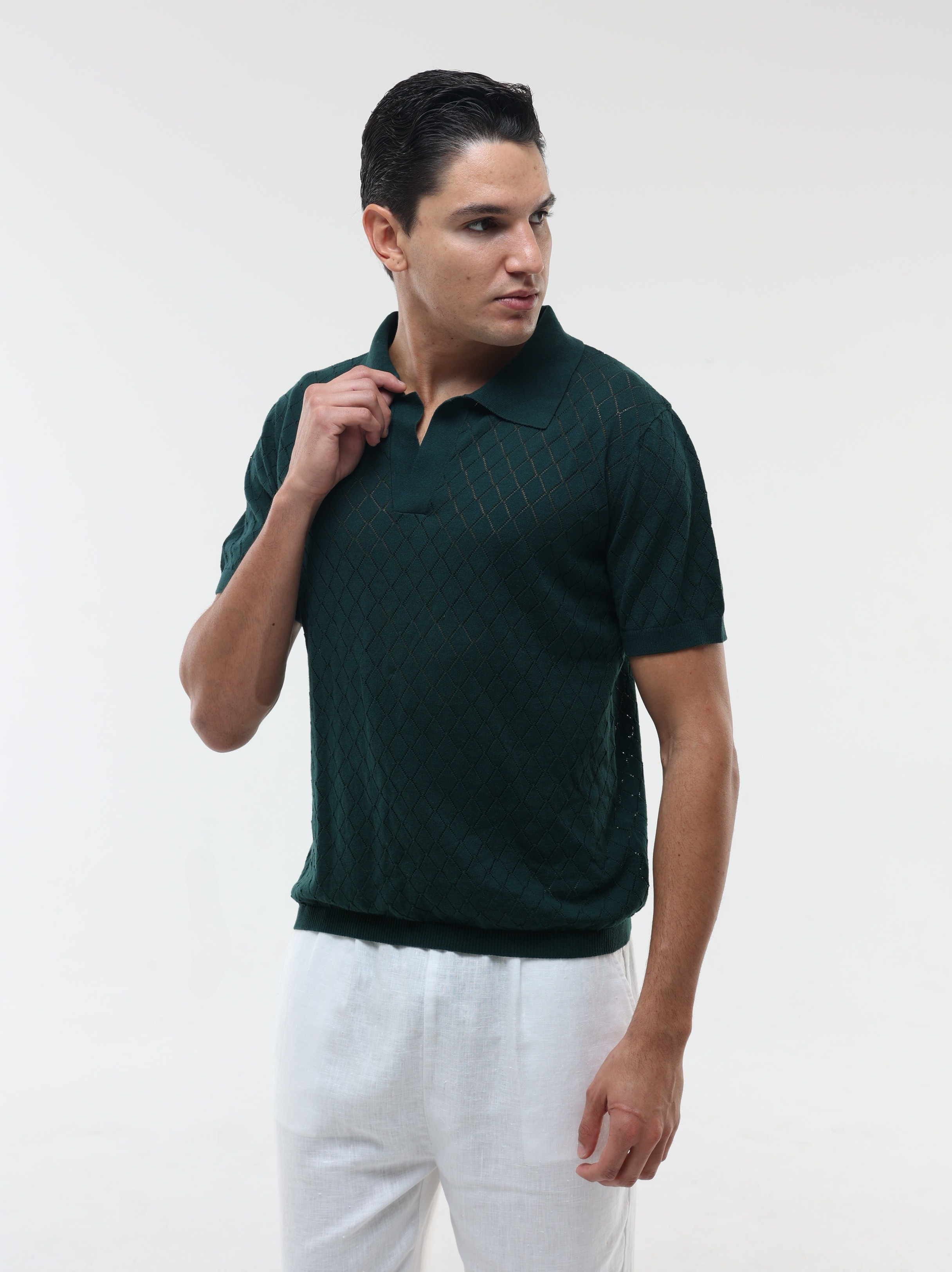

Why Limited Edition Clothing Drops Work
Miss the right drop by a day, and the piece you wanted is gone. Not discounted. Not restocked. Just finished. That tension is exactly why limited edition clothing drops continue to shape how modern wardrobes are built, especially for shoppers who care as much about longevity and material choice as they do about newness.
For a brand with a clear point of view, a drop is not only a selling tactic. It is a design decision. It narrows the edit, gives each release a stronger identity, and asks a simple question before anything is made or bought - is this piece worth showing up for? When the answer is yes, limited releases can feel more considered than the endless cycle of overproduced inventory.
What limited edition clothing drops actually do
At a surface level, the appeal is obvious. A small-run blazer, linen set, or cotton dress feels more exclusive than a permanent style sitting online for months. But exclusivity alone is not the full story. The best limited edition clothing drops create focus.
Instead of overwhelming shoppers with too many similar options, a drop presents a tighter wardrobe idea. Maybe it is a resort capsule built around breathable linen. Maybe it is a workwear edit with clean tailoring and a controlled color palette. Maybe it is a short run of elevated basics designed for repeat wear. In each case, the customer is not sorting through noise. They are seeing a point of view.
That matters for modern dressers who buy with intention. If your wardrobe is built around versatile pieces, you do not need twenty versions of the same shirt. You need the right one in the right fabric, with the right shape, at the right time. Drops make that edit clearer.
Why shoppers respond to limited edition clothing drops
Scarcity gets attention, but relevance gets the sale. People respond to drops because they combine emotion with utility.
There is the emotional side. A limited release feels special because it is not endlessly available. It carries a sense of timing and participation. You were there when it launched. You chose it before it disappeared. For style-conscious shoppers, that feeling still matters, even in a minimal wardrobe.
Then there is the practical side. A well-built drop usually has more cohesion than a broad assortment. Pieces are easier to wear together. Colors are more intentional. Silhouettes speak to one another. That makes shopping simpler for someone who wants a polished closet without spending hours styling it.
This is especially true for customers who think in outfits rather than isolated products. A matching set, tailored trouser, waistcoat, and lightweight layer from one release can solve multiple dressing moments at once - office, weekend, travel, dinner. The drop format works because it supports real wardrobe building when done well.
The sustainability case is stronger than it looks
There is a lazy version of scarcity in fashion, and then there is a thoughtful one. They are not the same.
A poorly planned drop can manufacture hype without improving anything. If the product is trend-led, low quality, or disconnected from how people actually dress, limited quantity just creates faster waste. It sells urgency, not value.
A more responsible approach uses small-batch production to reduce excess. That is where limited drops can align with sustainability in a meaningful way. Tighter production runs may help brands avoid overstock, deep markdowns, and unsold inventory sitting at the end of a season. For customers, that often means a stronger level of design intention because every piece has to earn its place.
Fabric choice matters here too. A limited run made with plant-based and natural fabrics such as linen and cotton carries a different weight than a disposable synthetic trend piece. Breathability, comfort, and repeat wear are not minor benefits. They are what make a garment useful long after the launch window has passed.
This is the difference between buying for the moment and buying for your life. A consciously designed drop should still make sense six months later, not just six minutes after it goes live.
A strong drop starts with restraint
The best drops do less, better.
That usually means a controlled palette, clean silhouettes, and pieces with clear function. A boxy linen shirt that works open over a tank, buttoned with trousers, or paired with matching shorts has range. A softly tailored blazer that works for office hours and evening plans has range. A cotton dress with simple lines and good proportion has range. These are not loud ideas, but they last.
Restraint is what keeps a drop premium. When every item is trying too hard, the release feels chaotic. When the edit is concise, the customer can immediately understand how to wear it. That clarity is powerful.
Minimal brands are often strongest in this format because they are already built around intentionality. They do not need to force a story onto every launch. The fabric, fit, and styling do the work. ZAVI, for example, sits naturally in this space because consciously designed capsules and seasonal edits already support the way a modern, repeat-wear wardrobe comes together.
What to look for before you buy into a drop
Not every sold-out release deserves the attention it gets. A good drop should hold up under a few basic questions.
First, ask whether the piece fits into your existing wardrobe. If it only works with one pair of shoes and one specific occasion, the urgency may be artificial. A limited item should still earn regular wear.
Next, look at fabric and finish. Natural and plant-based materials often tell you more about long-term value than the marketing around a launch. Linen, cotton, and other breathable materials tend to support comfort and rewear, especially in warm climates and travel-heavy lifestyles.
Then consider silhouette. Limited does not automatically mean timeless, but the most successful pieces balance current shape with staying power. A wide-leg trouser can still feel current without becoming dated next season. A structured vest can feel directional without losing versatility.
Finally, pay attention to the size and logic of the release. If a brand drops too often, scarcity loses meaning. If it drops too rarely, the customer relationship fades. The right cadence depends on the brand, but consistency matters. A drop should feel considered, not random.
Why drops work so well for seasonal dressing
Seasonal transitions are where limited releases often make the most sense. People do not always need a full wardrobe reset. They usually need a few precise additions that shift everything else forward.
A spring drop might introduce breathable shirts, easy dresses, and lighter tailoring. A resort edit might focus on relaxed sets, airy separates, and travel-ready layers. An autumn release might move into soft structure, deeper neutrals, and pieces that layer without bulk. These moments are ideal for a drop because customer needs are specific.
The format also helps brands respond without overcommitting. Instead of flooding the market with volume, they can release a smaller, sharper collection tied to how people are actually dressing now. That keeps fashion relevant without feeding the excess that has made so much of retail feel disposable.
The tension is the point
There is always a trade-off with limited edition clothing drops. You get urgency, but less time to decide. You get exclusivity, but less certainty around restocks. You get a tighter edit, but fewer fallback options if your size sells out.
That tension is not a flaw. It is part of the appeal. It encourages clearer buying decisions from both sides. Brands have to design with more intention. Customers have to shop with more intention.
For the right audience, that is a better way to engage with fashion. It favors people who know their style, understand what they wear on repeat, and value quality over constant accumulation. It turns shopping into an act of selection rather than endless browsing.
And that may be the strongest case for drops right now. In a market crowded with too much product, the brands that edit hardest often feel the most modern. Not because they create panic. Because they create clarity.
The next time a drop catches your eye, pause before the clock runs out. If the piece is beautifully made, easy to wear, and built for repeat use, timing is not just pressure. It is a filter worth trusting.