


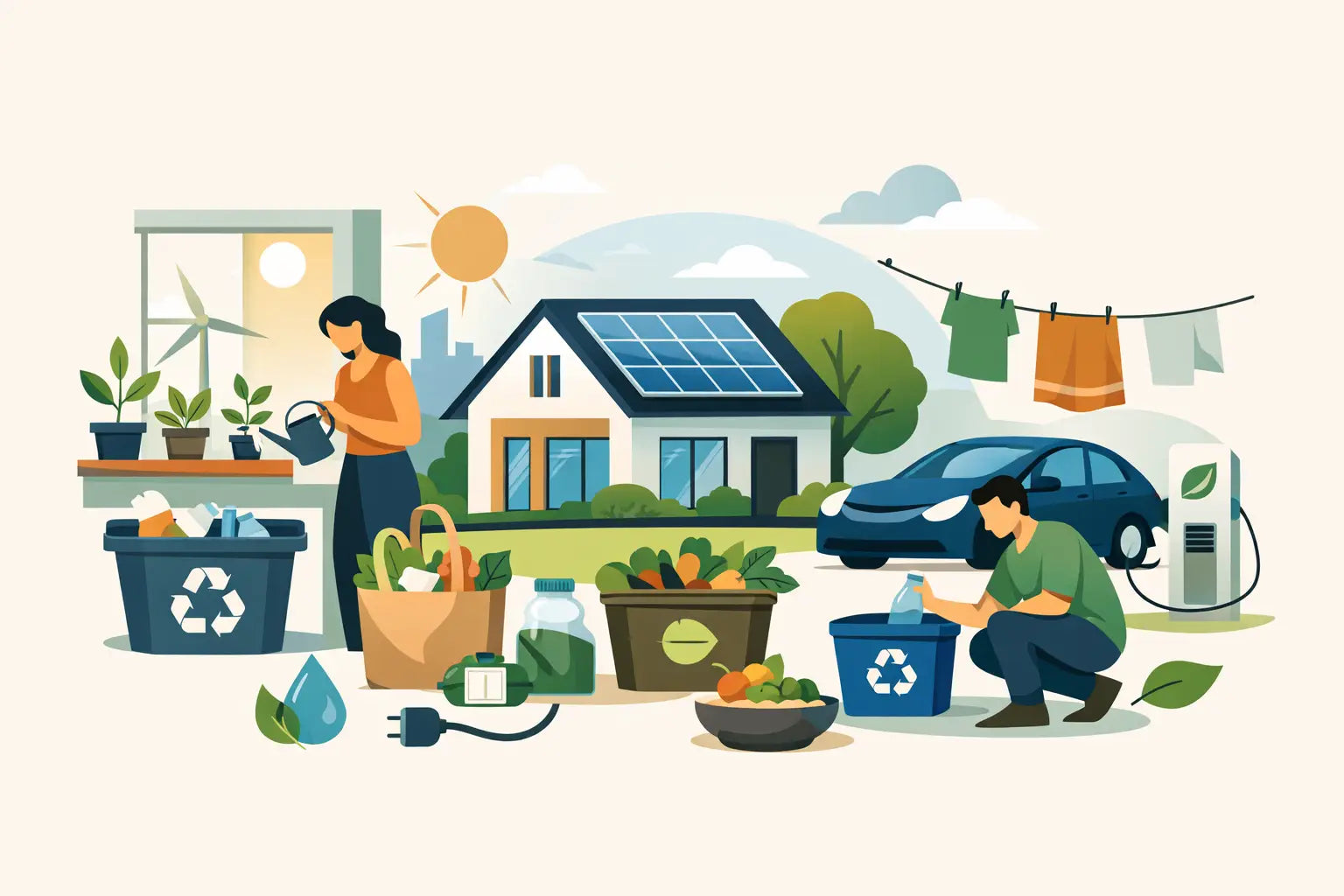
Sustainability at Home, Made Practical
A closet full of "nothing to wear" and a kitchen full of single-use clutter usually come from the same habit - buying for the moment instead of the long term. That is why sustainability at home works best when it is treated as a design choice, not a guilt project. The goal is not to live with less comfort or less style. The goal is to build a home that functions better, wastes less, and feels more considered every day.
For most people, the biggest shift is mental. Sustainable living at home is often framed as a long list of rules, but real life is messier than that. You may want lower-impact products, but you also need pieces that are easy to clean, practical for your routine, and worth the money. A better approach is to edit what comes into your space, choose materials with intention, and use what you already own longer.
What sustainability at home actually looks like
At home, sustainability is less about perfection and more about repeat decisions. It shows up in the fabric of your bedding, the way you wash your clothes, the tools you keep on your kitchen counter, and the number of things you replace before they are truly finished.
The most effective homes are rarely the ones chasing every eco trend. They are the ones built around fewer, better choices. Natural fibers over disposable synthetics when possible. Refillable over single-use when it makes sense. Durable staples instead of impulse buys that lose their value after a month. This is the same logic behind a modern capsule wardrobe - versatility first, waste second.
That does not mean every sustainable option is automatically better. Some "green" swaps are expensive without offering much benefit. Others save waste but add friction to your day, which means they will not last. The sweet spot is where lower impact meets daily usefulness.
Start with the highest-impact rooms
If you want visible progress quickly, begin where you use the most water, energy, and disposable items. For most households, that means the kitchen, laundry area, and bedroom.
In the kitchen, reduce repeat waste
The kitchen can quietly generate a huge amount of trash. Paper towels, plastic wrap, produce bags, takeout containers, coffee pods, and food waste all add up. The easiest fix is not buying a dozen niche products. It is replacing the most repeated disposable items with a few durable basics.
Cotton dish towels, glass storage containers, reusable shopping bags, and a simple compost setup can change your weekly waste more than any trendy gadget. If you cook often, planning meals also matters. Food waste is one of the least glamorous parts of sustainability, but it is one of the most practical. Buying with a plan, storing ingredients properly, and using leftovers creatively cuts waste and saves money at the same time.
There is a trade-off here. Reusable products only work if you maintain them. A drawer full of reusable containers does not help if it creates clutter or goes unused. Keep the systems simple enough that you will stick with them.
In the laundry area, focus on fabric care
Laundry is one of the most overlooked parts of sustainability at home. It affects energy use, water use, and the lifespan of your clothes. Washing less often, using cold water, and air-drying when possible can make a meaningful difference without changing your entire routine.
This is also where better fabric choices matter. Natural and plant-based materials such as cotton and linen are breathable, comfortable, and often easier to wear on repeat. When they are cared for well, they can stay in rotation longer. That matters more than buying constantly and donating later.
Overwashing is a common issue, especially with everyday basics. Not every item needs a full wash after one wear. Spot cleaning, steaming, and simply airing garments out can extend the time between cycles. It is a smaller habit, but over a year it protects your wardrobe and reduces utility use.
In the bedroom, choose comfort that lasts
The bedroom is an ideal place to bring sustainability into daily life because the products are intimate and high use. Sheets, blankets, sleepwear, and mattresses shape how your home feels. Prioritize natural materials where possible, especially for items that sit close to skin for hours.
Breathable bedding in cotton or linen tends to feel better in warm climates and layered interiors alike. It also aligns with a less-is-more mindset: a few well-made pieces that stay relevant season after season. This is often more sustainable than buying low-cost synthetic options repeatedly because they pill, trap heat, or wear out too quickly.
Buy less, but buy with structure
One of the clearest paths to a more sustainable home is a stricter buying filter. Before bringing something in, ask whether it solves a real problem, whether it can work across seasons or uses, and whether it is likely to last. These questions sound basic, but they cut out a surprising amount of unnecessary consumption.
A structured home usually mirrors a structured wardrobe. You do not need endless options. You need categories covered well. In interiors, that may mean neutral tableware that layers easily, storage pieces that adapt to different rooms, or textiles that work year-round. In clothing, it means breathable staples, elevated basics, and silhouettes you will actually reach for again.
Trend-driven home shopping can be especially wasteful because large decor items are expensive to replace and harder to repurpose. If your style is modern and minimal, use that to your advantage. A clean foundation tends to age better and gives you room to refresh with smaller, lower-impact changes.
Materials matter more than marketing
A product labeled sustainable is not always a strong choice. The better question is what it is made from, how it is intended to be used, and whether it can endure real life. Material honesty matters.
At home, natural fibers often make sense because they are durable, breathable, and timeless. Cotton and linen remain strong options for bedding, towels, table linens, and everyday clothing because they support comfort without relying on a disposable cycle of replacement. That does not mean synthetic materials never have a place. In some cases they improve durability or performance. But if every room is filled with low-grade plastic and polyester, your home may feel less refined and less lasting over time.
Marketing can also make small changes sound bigger than they are. A bamboo brush or recycled package is nice, but it should not distract from the bigger picture. The most sustainable product in your home is often the one you keep using well.
Build routines that make the choice easier
Good intentions fade fast when the sustainable option is also the inconvenient one. That is why systems matter. Keep reusable bags by the door. Store cleaning refills where you can reach them. Create a laundry rhythm that prevents panic washing. Set up donation and repair habits before clutter builds.
Repairs deserve more attention than they get. A missing button, loose hem, or worn seam should not end the life of a garment or textile. Small maintenance habits extend use dramatically. The same goes for furniture, kitchenware, and storage pieces. Caring for what you already own is less exciting than buying something new, but it is often the smarter move.
If you want inspiration that feels elevated instead of overwhelming, brand journals and sustainability pages can help shape your standards. ZAVI, for example, presents sustainability as part of an intentional lifestyle rather than a separate category of sacrifice. That framing is useful at home too. Better living should still feel beautiful.
Sustainability at home is personal
No two homes need the exact same system. A small city apartment, a family home, and a frequent travel schedule all create different needs. If you cook every night, kitchen swaps will matter more. If you are building a capsule wardrobe for work and weekends, fabric care and smarter clothing purchases may have the biggest effect. If you move often, versatile and portable essentials may be the better investment.
That is why rigid advice tends to fall short. The right sustainable home is not the one with the most rules. It is the one where your choices are thoughtful, repeatable, and aligned with how you actually live.
Start with one category. Edit what is excessive. Replace what is disposable first. Choose natural materials where they add comfort and longevity. Then let your home become more refined through use, not through more stuff.
A sustainable home should not feel like a project you are trying to finish. It should feel calmer, lighter, and easier to live in every week.