

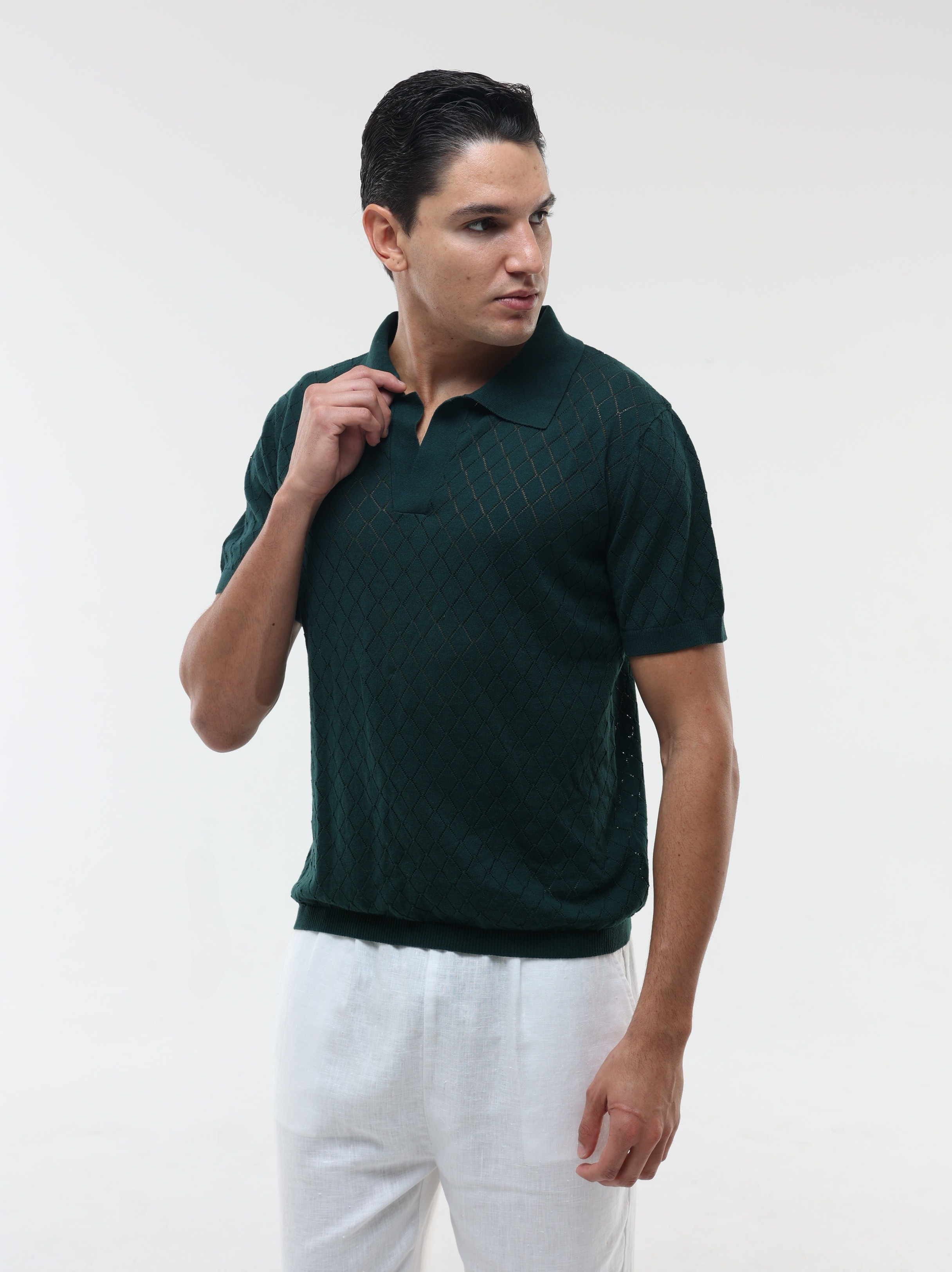

Is Viscose a Natural Fabric?
If you check a clothing label hoping for a simple answer, viscose rarely gives you one.
It feels soft. It breathes better than many synthetics. It often starts with plant matter. But if you're building a wardrobe around natural fabrics, the real question is not just what viscose feels like. It's how it's made, and whether that process aligns with what you want to wear every day.
Is viscose a natural fabric?
The short answer: not exactly.
Viscose is made from natural raw materials, usually wood pulp from trees like beech, pine, eucalyptus, or bamboo. That part is plant-based. But the fiber itself does not exist in nature in wearable form. To turn wood pulp into viscose fabric, manufacturers use a chemical process that dissolves and regenerates the cellulose into fibers.
So if you're asking, is viscose a natural fabric, the most accurate answer is this: viscose is semi-synthetic. It begins with a natural source, but it is heavily processed before it becomes fabric.
That distinction matters. For shoppers who want the clean simplicity of linen, cotton, or wool, viscose is not in the same category. For shoppers who care more about drape, softness, and a plant-based origin compared with petroleum-based fibers, viscose may still feel like a better option than polyester or nylon.
Why viscose gets mistaken for a natural fabric
Viscose often sits in a gray area because it borrows the best language from both sides.
On one hand, it comes from cellulose, which is natural. On the other, the finished fiber is manufactured. That makes it easy for brands and shoppers to blur the lines, especially when the fabric feels breathable, fluid, and comfortable against the skin.
Viscose is also commonly marketed alongside rayon, modal, and lyocell. These are all regenerated cellulose fibers, but they are not identical. They share a plant origin, yet the processing methods and environmental impact can vary quite a bit.
If your goal is to wear fabrics that are as close to their original natural state as possible, viscose probably will not meet that standard. If your goal is to avoid fully synthetic fabrics and choose materials with a softer hand feel and more airflow, viscose may still have a place in your wardrobe.
How viscose is made
Understanding the process makes the classification clearer.
Manufacturers start with wood pulp or another cellulose-rich plant source. That pulp is treated with chemicals to break it down into a solution. The solution is then forced through tiny holes to form filaments, which are turned into fibers, spun into yarn, and woven or knitted into fabric.
This is why viscose is not considered a purely natural fiber. Cotton grows as a usable fiber. Linen comes from the flax plant and is mechanically processed. Viscose requires a much more intensive transformation.
The process can also raise environmental concerns, depending on how the fiber is sourced and produced. Responsible forestry, closed-loop systems, water use, and chemical management all make a difference. Two viscose garments can feel similar, yet have very different sustainability profiles.
Where viscose fits compared to cotton, linen, and polyester
For everyday dressing, fabric choice is rarely just about labels. It is about performance.
Cotton is natural, widely loved, and easy to wear. Linen is natural, breathable, and ideal for warm weather, though it wrinkles more easily. Polyester is synthetic, durable, and often lower maintenance, but it can trap heat and feel less breathable.
Viscose lands somewhere in the middle. It usually has a smoother, more fluid drape than cotton or linen, which makes it attractive for dresses, blouses, soft tailoring, and occasion pieces. It can feel cool to the touch and look elevated. But it is often less durable than cotton and can be more delicate in washing and wear.
That trade-off is worth considering. If you want crisp structure and longevity, linen or cotton may be the better choice. If you want movement, softness, and a polished finish, viscose can deliver that beautifully.
Is viscose breathable?
Usually, yes.
One reason viscose remains popular is comfort. It tends to be lighter and more breathable than many synthetic fabrics, and it can feel especially good in warmer climates or layered wardrobes where drape matters.
Still, breathability depends on more than fiber content. Fabric weight, weave, lining, and garment construction all affect how something wears through the day. A lightweight viscose blouse may feel airy. A heavily lined viscose dress may not.
That is why fabric shopping works best when you look beyond the label. Fiber is the starting point, not the whole story.
Is viscose sustainable?
It depends on the source and the manufacturing process.
This is where the conversation gets more nuanced. Because viscose comes from plants, it can sound automatically sustainable. But plant-based does not always mean low impact.
Conventional viscose production has been criticized for chemical use, water pollution, and deforestation risks when wood pulp is not responsibly sourced. At the same time, better versions of regenerated cellulose fibers exist. Some producers use certified forests, cleaner processing methods, and more responsible chemical recovery systems.
So the more useful question may be: which viscose?
A responsibly sourced viscose with stronger environmental controls is very different from a generic version with little transparency behind it. If sustainability is part of how you shop, it helps to look for clarity around sourcing and production rather than assuming all viscose is equal.
For brands centered on consciously designed wardrobes, this is why natural fabrics like linen and cotton often remain the clearest choice. They are simpler to understand, easier to trust, and closely aligned with a wear-more, buy-better mindset.
When viscose makes sense in a wardrobe
Viscose can work well when you want softness and drape without the plastic feel of some synthetics.
It is especially common in pieces that need movement - relaxed shirts, flowing dresses, wide-leg trousers, and easy occasionwear. In those categories, viscose often creates a smooth silhouette that feels refined and comfortable.
It can also be useful in blends. A small amount of viscose mixed with linen or cotton can soften the hand feel, improve drape, and reduce stiffness. That does not make the garment fully natural, but it may make it more wearable for certain preferences.
For a modern capsule wardrobe, the best approach is selective use. Keep your foundation pieces in natural fabrics where possible - think breathable shirts, structured trousers, elevated basics, and warm-weather layers. Then use viscose where its fluid finish adds something specific.
When viscose may not be the best choice
Viscose is not always ideal for high-rotation essentials.
It can wrinkle, shrink, or lose shape more easily than sturdier fabrics if it is not cared for properly. Some viscose garments weaken when wet, which makes washing a little less forgiving. If you need pieces that can handle frequent wear, machine washing, commuting, travel, and repeat styling without much thought, cotton and linen often hold up better.
This matters for the way most wardrobes actually function. The shirt you wear to work every week and the easy pants you pack for every trip need reliability. The drapey blouse you wear for dinner has a different job.
That is where fabric choice becomes practical, not just philosophical.
How to shop viscose more thoughtfully
If you are considering viscose, read past the front-facing marketing.
Check whether the label says 100% viscose or a blend. Think about how you plan to wear the piece. Ask whether you want softness and movement, or structure and durability. Care instructions matter too. If a garment needs extra maintenance, make sure it earns that place in your closet.
It also helps to shop from brands that are clear about materials and design intent. At ZAVI, the focus stays on consciously designed dressing with plant-based and natural fabrics that support repeat wear, comfort, and ease. That clarity makes wardrobe building simpler.
The real answer shoppers need
Viscose is not a fully natural fabric, even though it starts with natural materials.
The better way to think about it is this: viscose is a processed, plant-based fiber with qualities that can feel luxurious and wearable, but with trade-offs in purity, durability, and sustainability depending on how it is made.
If you love clean labels and low-intervention materials, reach for linen and cotton first. If you want fluidity and softness for specific pieces, viscose can still be a smart addition.
The goal is not fabric perfection. It is a wardrobe that feels good, wears well, and reflects what matters to you each time you get dressed.


