
Guide to Elevated Everyday Basics
A white tee can look forgettable by 9 a.m. or sharply considered all day. The difference usually is not trend, price, or how many pieces you own. It is the edit. This guide to elevated everyday basics is about building that edit - the kind of wardrobe that feels polished on a Monday, easy on a Saturday, and relevant long after a season shifts.
Elevated basics are not just simpler clothes with better marketing. They are the pieces that carry more weight in a wardrobe because they solve more situations. A clean linen shirt works over tailored pants for work, over denim for a casual dinner, and open over a tank while traveling. A well-cut pair of trousers can anchor a blazer, a knit top, or a relaxed sweatshirt. The point is not to own less for the sake of it. The point is to own better, and to wear each piece often.
What makes a basic feel elevated
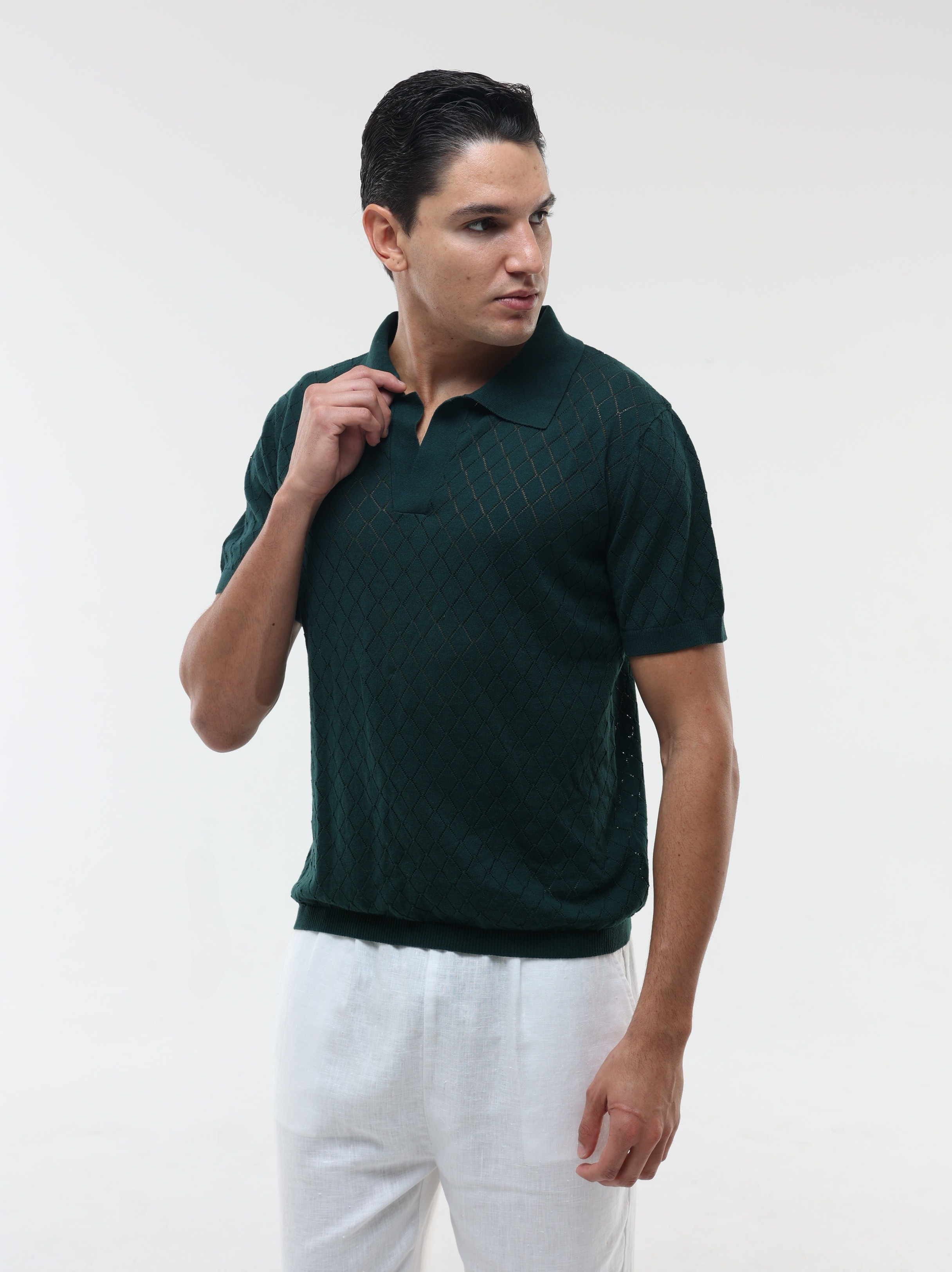
The upgrade starts with fabric. Basics live close to the skin, repeat often, and get tested by real life. That is why natural and plant-based fabrics matter. Cotton offers softness and everyday ease. Linen brings breathability, texture, and an effortless structure that works especially well in warm climates. When a piece feels good from morning to evening, it earns repeat wear naturally.
Fit matters just as much. An elevated basic does not need to be tight or sharply formal, but it should be intentional. A shoulder line that sits correctly, a trouser that falls cleanly, a hem that lands where it should - these details create a polished effect without asking for attention. Minimal design only works when proportions are right.
Then there is finish. Think tonal buttons, clean necklines, smooth plackets, restrained seams, and silhouettes that skim rather than cling. None of these details are dramatic on their own. Together, they make a piece feel modern, versatile, and more expensive than something designed only for quick turnover.
A guide to elevated everyday basics starts with categories
If your wardrobe feels full but still hard to style, the issue is usually imbalance. Too many statement pieces, not enough anchors. The most useful basics sit across a few core categories, and each one should work with multiple others.
Tops that do the work
Start with tops because they set the tone of an outfit fastest. A crisp cotton shirt, a clean tank, a refined tee, and a lightweight long-sleeve knit cover most everyday needs. The key is to choose tops that can shift between casual and polished depending on what they are paired with.
A basic top becomes elevated when the neckline is flattering, the fabric has substance, and the silhouette layers well. If it bunches under a blazer or turns sheer in daylight, it is not doing enough. A strong top should hold its own with tailored bottoms and still feel easy with relaxed pieces.
Bottoms with structure
Tailored trousers, straight-leg pants, relaxed linen pants, and denim with a clean shape form the foundation of an elevated wardrobe. Structure is what makes basics look intentional. Even in softer fabrics, there should be some shape through the waist, hip, or leg line.
This is where trade-offs come in. A very wide pant can feel elegant, but it may be less flexible with shorter tops or certain shoes. A slim ankle pant can be practical, but it may date faster depending on the cut. The sweet spot for most wardrobes is a balanced silhouette - not extreme, not trend-led, and easy to style across seasons.
Layers that sharpen everything
A blazer, light jacket, or waistcoat can turn simple pieces into a full look in seconds. This is especially useful for anyone moving between meetings, errands, dinners, and travel days. Layering pieces create definition without asking you to rebuild the outfit underneath.
Choose layers with enough room for movement and enough structure to frame the body. A blazer should not feel stiff to be effective. A lightweight jacket should not collapse into shapelessness. The best layers sit somewhere in between: comfortable, clean, and reliable.
Dresses and sets for easy polish
Matching sets, simple dresses, and jumpsuits deserve a place in any guide to elevated everyday basics because they reduce decision fatigue. They offer the ease of one-step dressing while still looking composed.
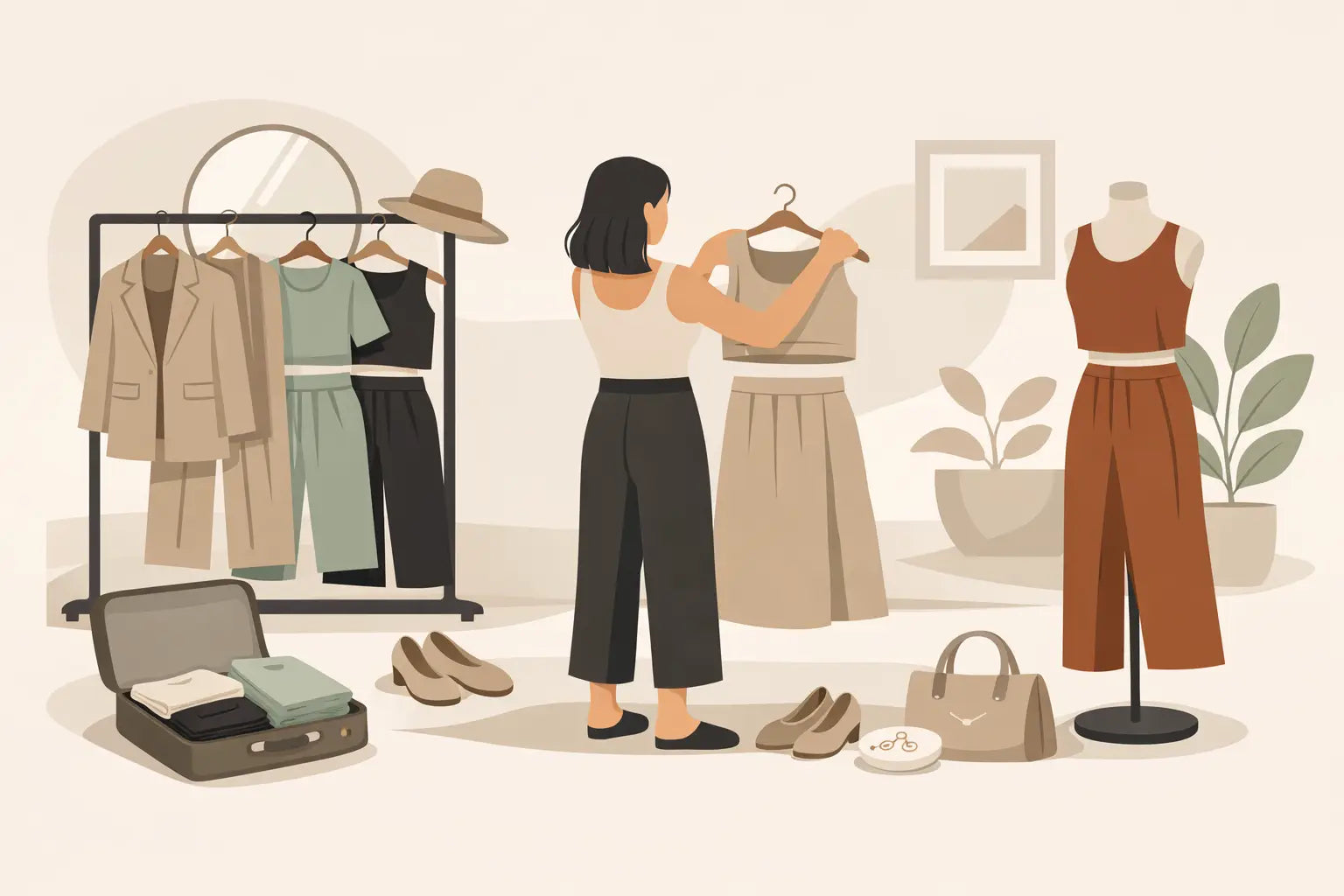
A matching set is especially strong for modern wardrobes because it can be worn together or split apart. The shirt works with jeans. The pants work with a knit. The full set reads pulled together with almost no effort. That kind of flexibility is what makes a wardrobe feel efficient, not repetitive.
How to choose colors that stay relevant
Color is often where basics stop feeling elevated. Bright novelty shades can be fun, but they narrow styling options quickly. A more useful palette usually starts with black, white, cream, navy, stone, olive, chocolate, and soft gray. These tones layer well, travel well, and allow texture and silhouette to stand out.
That does not mean your wardrobe has to feel flat. Tone-on-tone dressing can be striking when the fabrics are right. Cream cotton with sand linen and a soft beige blazer looks rich because of contrast in texture and depth, not because of loud color. If you like color, bring it in thoughtfully through one or two shades that complement your core neutrals rather than compete with them.
Why fabric should lead the decision
A polished wardrobe that feels uncomfortable will not get worn. That is why fabric should come before most other considerations. Breathability, softness, drape, and durability shape how a garment performs over time.
Linen is ideal when you want airflow and natural texture. It wrinkles, yes, but that is part of its appeal when the cut is refined. Cotton is dependable, easy to wear, and adaptable across categories from shirts to dresses to everyday tops. In both cases, the result feels more grounded than synthetic-heavy basics that can look flat or feel overly processed.
Consciously designed clothing also changes the way basics function in your wardrobe. When fabrics are chosen with longevity and repeat wear in mind, you buy with more clarity. You are not just filling space. You are selecting pieces worth reaching for often.
Styling elevated basics without overworking them
The easiest mistake with basics is trying too hard to make them interesting. Elevated dressing usually looks cleaner than that. Let silhouette, fabric, and fit do the work.
If you are wearing tailored linen pants and a fitted tank, add a relaxed shirt or sharp blazer, not three more accessories. If you are in a simple dress, choose one strong element - a structured sandal, a refined bag, or a light layer. Restraint is what gives basics their premium feel.
Proportion also matters more than people think. If the top is fluid, let the bottom have shape. If the pants are wide, keep the upper half clean. If the outfit is monochrome, vary texture so it does not fall flat. These small decisions create polish without making the look feel styled for the sake of it.
When to invest and when to keep it simple
Not every basic deserves the same budget. Pieces that get heavy rotation or have to perform across multiple settings are usually worth prioritizing. That often means shirts, trousers, blazers, and dresses with strong cost-per-wear potential.
Some categories can stay simpler. A layering tank or a casual tee does not need dramatic detailing. It does need solid fabric, a flattering cut, and enough quality to hold up after repeat washes. Elevated does not always mean expensive. It means considered.
For many wardrobes, the best strategy is to invest in the pieces that create structure and rely on simpler essentials to support them. A great blazer can sharpen an ordinary top. A strong pair of pants can make a basic knit look deliberate. Build around the anchors first.
The real value of elevated everyday basics
A wardrobe built on elevated basics does more than look good in photos. It reduces friction. Getting dressed becomes quicker. Packing becomes easier. Shopping becomes more intentional because you can spot what fits the system and what does not.
That is where modern minimalism actually proves its worth. It is not about denying style or removing personality. It is about giving your wardrobe a stronger point of view. Pieces work harder. Outfits come together faster. You spend less time second-guessing and more time wearing clothes that feel right.
For a brand like ZAVI, that mindset is the standard: consciously designed pieces, natural fabrics, and modern silhouettes that support real repeat wear. That is the future of everyday dressing - not more options, just better ones.
Start with one question the next time you shop: will this piece carry a single outfit, or can it carry a wardrobe? The answer usually tells you everything.