


Does Linen Shrink? Care for a Better Fit
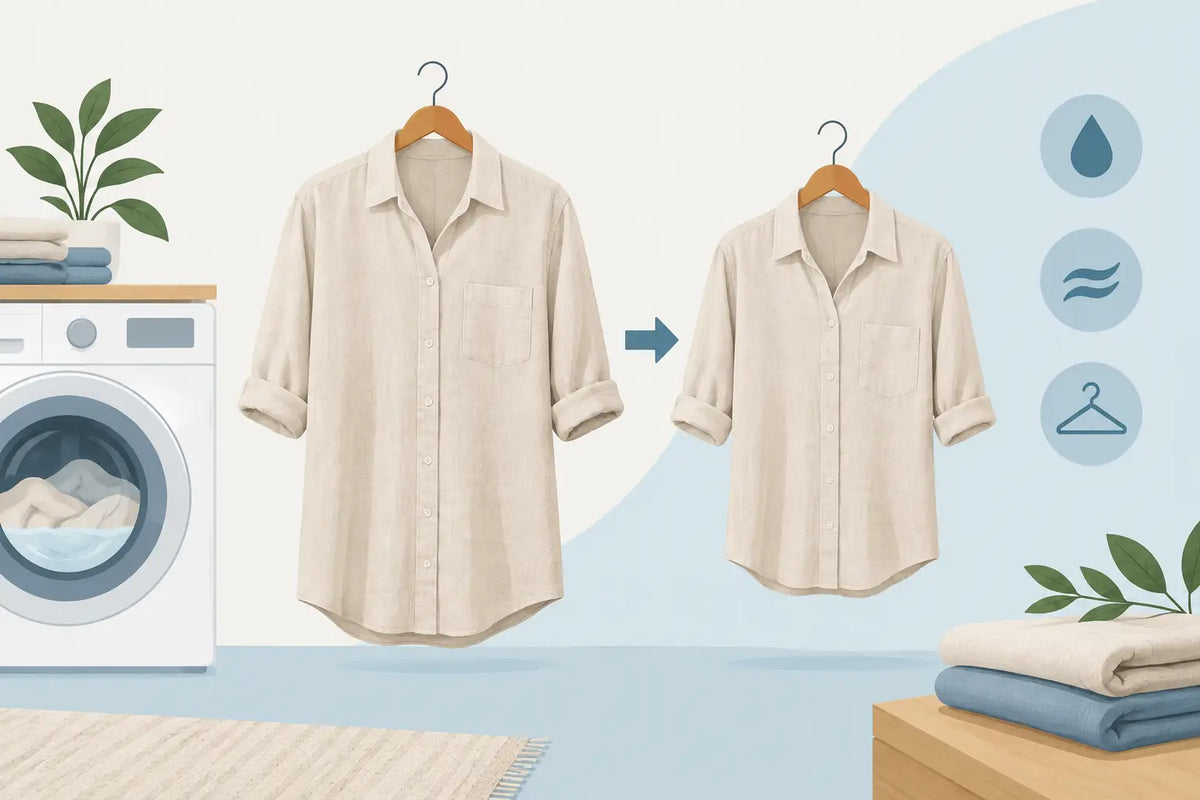
A linen shirt that felt perfectly relaxed in the fitting room can feel noticeably closer after its first wash. So, does linen shrink? Yes, it can, particularly when it meets heat, agitation, and a hot dryer. But shrinkage is not a reason to avoid linen. It is a reason to care for it with the same intention that went into choosing it.
Linen is one of the most breathable, enduring natural fabrics in a wardrobe. It softens with wear, brings ease to warm-weather dressing, and gives tailored pieces a naturally effortless finish. With the right wash routine, its fit stays considered and its character only improves.
Does Linen Shrink in the Wash?
Linen can shrink, most often during its first wash. How much depends on the fabric's finish, weave, garment construction, and care method. A linen piece that has not been pre-washed may shrink around 3% to 10%, while pre-washed or garment-washed linen is generally more stable from the start.
The biggest factor is heat. Hot water can tighten the natural flax fibers, and high dryer heat can push that change further. This is why a linen trouser may become shorter at the hem or a shirt may feel tighter through the body after an overly warm wash and dry cycle.
Not every change in fit is true shrinkage, though. Linen has a crisp structure when new. Once washed, it relaxes and softens, which can make a garment sit differently on the body. A loose woven shirt may feel less rigid at the shoulder, while still retaining the same measurements. This is part of linen's appeal, not a flaw.
Why Linen Changes Shape and Size
Linen is made from flax, a plant-based fiber with very little natural stretch. Unlike some synthetic fabrics, it does not spring back easily once it has been pulled, compressed, or exposed to intense heat. That gives linen its distinctive texture and clean drape, but it also means laundering choices matter.
Heat creates the greatest risk
Hot water, a hot dryer, and direct high heat from an iron can all affect linen. The first two are the main concern for shrinkage. If a garment is already close-fitting through the bust, waist, hip, or thigh, even a small amount of shrinkage can change how it feels.
Fabric blends behave differently
A 100% linen dress, shirt, or trouser will behave differently from a linen-cotton or linen-viscose blend. Cotton can also shrink, especially at first, while blended fabrics may have slightly more dimensional stability depending on their composition. Always follow the care label on the individual piece rather than assuming every linen garment needs the same treatment.
Construction matters, too
Tailored linen blazers, lined dresses, pleated trousers, and pieces with structured waistbands require more care than an easy linen tee or relaxed pull-on pant. Several materials, interlinings, or trims may react differently in the wash. For these styles, professional cleaning or a careful hand wash may be the better choice.
How to Wash Linen Without Shrinking It
A low-heat, low-friction routine protects linen best. Start by checking the garment's care label, especially for pieces with tailoring, lining, embroidery, or contrast trims. When machine washing is appropriate, turn the garment inside out and wash it with similar lightweight fabrics.
Choose cold or lukewarm water and a gentle cycle. Use a mild detergent, rather than a heavy formula designed for tough stains, and avoid bleach. Bleach can weaken natural fibers and leave linen looking dull over time. Fabric softener is usually unnecessary, since linen becomes softer naturally with each wash.
Do not overload the machine. Linen needs room to move without rubbing aggressively against heavier items like jeans, towels, or sweatshirts. Keeping the load light also helps limit hard creasing and protects the surface of the fabric.
For a favorite linen blouse, a lightweight button-down, or a piece with delicate details, hand washing is a considered option. Soak briefly in cool water with a small amount of detergent, then move the garment gently through the water. Do not twist or wring it. Instead, press out excess water or roll it in a clean towel before drying.
Air Drying Is the Best Choice for Linen
If preserving the original fit is the priority, air drying is the simplest answer. Reshape the garment while it is damp, smoothing collars, plackets, pockets, waistbands, and hems back into place. Then hang shirts and dresses on a supportive hanger, or dry knit-like and heavier linen pieces flat to avoid stretching at the shoulders.
Keep linen out of prolonged direct sun when possible. A little sunlight is not a problem, but strong, extended exposure can fade deeper colors over time. An airy indoor space or shaded outdoor area gives the fabric the gentle drying environment it needs.
A dryer is not completely off-limits, but it calls for restraint. Use the lowest heat setting, remove the garment while it is still slightly damp, and let it finish drying naturally. This can reduce stiffness while avoiding the high heat that causes the most noticeable shrinkage. Never rely on a hot dryer to shrink a garment intentionally. The result is difficult to control and may alter the shape unevenly.
How to Restore Linen's Polished Finish
Linen wrinkles because its fibers have little elasticity. Those soft creases are part of its relaxed appeal, especially in resort shirts, wide-leg pants, and easy dresses. Still, when the occasion calls for a sharper finish, steam is your best tool.
Iron linen when it is slightly damp, using a medium to high setting with steam if the care label permits. Iron on the reverse side for darker colors or use a pressing cloth to protect the surface. Work in clean, smooth sections rather than pressing over deep folds, which can create unwanted lines.
For a more relaxed result, hang the garment in a steamy bathroom or use a handheld steamer. This works especially well for linen shirts, jumpsuits, and matching sets that need a quick refresh between wears. The goal is not to erase every sign of texture. It is to let the shape of the piece look intentional.
Buying Linen With Shrinkage in Mind
Fit should be part of the decision before the first wash. If you prefer a crisp, close fit, look for linen that has been pre-washed or garment-washed and choose the size that gives you enough movement at the areas that matter most. For trousers, consider the waist, rise, thigh, and inseam. For shirts and dresses, check the shoulders, bust, and sleeve length.
A more relaxed silhouette gives linen room to live as intended. That does not mean sizing up automatically. It means choosing shapes that work with the fabric: easy shirts, softly tailored trousers, fluid dresses, and refined sets with movement. The best linen pieces feel polished without feeling restrictive.
When trying on linen, avoid judging it only by its just-pressed appearance. Think about where and how you will wear it: on a warm commute, during travel, through a full workday, or layered over swimwear on vacation. A little ease makes a linen garment more versatile, more comfortable, and more likely to become a repeat-wear favorite.
Can You Unshrink Linen?
True heat shrinkage cannot always be fully reversed, but a small amount of tightness may ease with moisture and gentle reshaping. Soak the garment in cool water, then lay it flat on a towel. While it is damp, carefully ease the fabric back toward its original dimensions without pulling hard on seams. Let it air dry flat.
This works best for minor changes, not a garment that has been repeatedly dried on high heat. Aggressive stretching can distort the weave, pull seams out of alignment, or leave a hem uneven. Prevention remains the better approach.
Linen asks for a little attention, then gives back years of breathable comfort and understated texture. Wash it cool, skip the high heat, and allow its natural softness to become part of the fit. That is how an everyday linen piece keeps looking considered, season after season.