
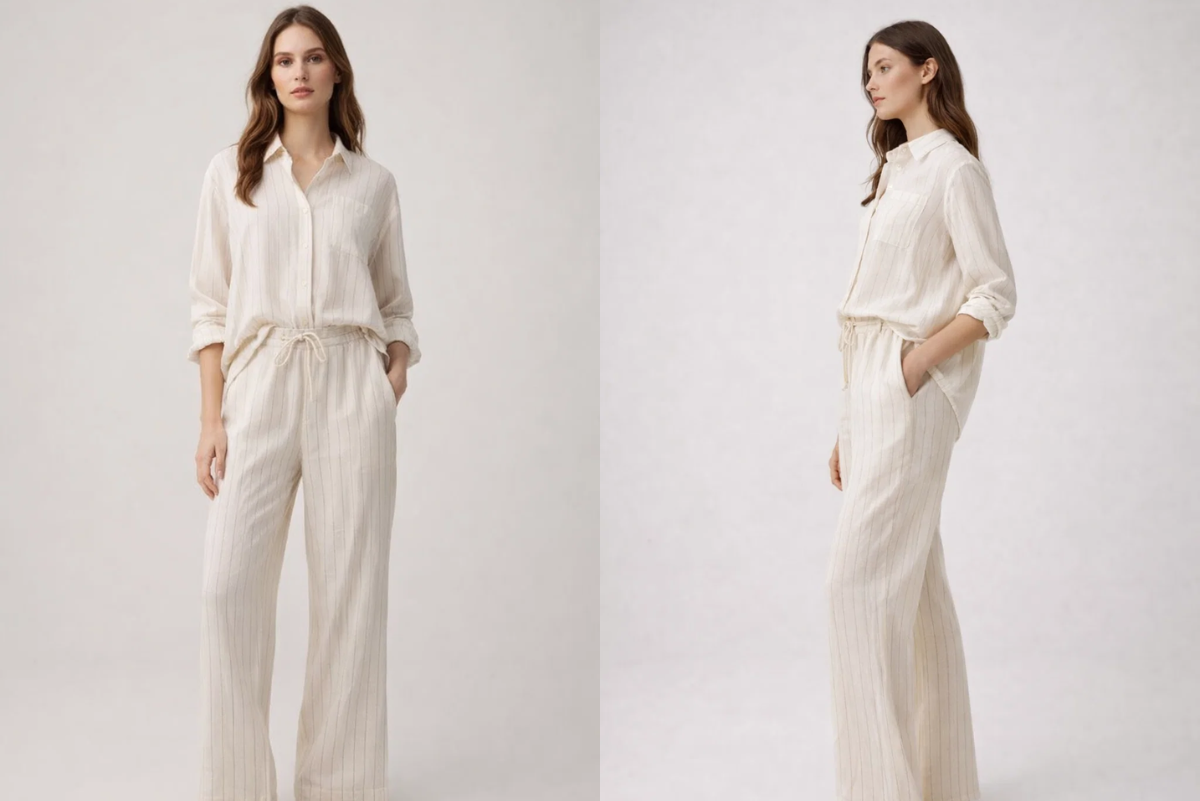
Best Linen Pants for Women: A Clean Buyer’s Edit
You can spot a good pair of linen pants in the first five minutes of wearing them. They sit flat at the waist without pinching, they move without pulling at the hips, and they don’t turn into a wrinkled apology before lunch. The problem is that “linen pants” covers everything from beach drawstrings to tailored work trousers - and the best pair for you depends on your climate, your lifestyle, and how you like your clothes to fit.
This is a practical, minimal buyer’s edit: what actually matters (fabric, weave, rise, and construction), how to choose a silhouette that stays polished, and how to get that easy linen drape without the constant fuss.
Best linen pants for women: what “best” really means
“Best” isn’t one perfect pant. It’s the pair that holds its shape through repeated wears, feels breathable in heat, and fits into your weekly rotation with zero styling drama.Start with three non-negotiables.
First: fabric quality. Linen should feel cool and dry, not scratchy or thin. Look for a medium weight that has enough body to skim the leg without clinging. Super-light linen can feel airy, but it tends to show pockets, crease aggressively, and wear out faster in high-friction areas.
Second: construction. Linen is honest - it reveals lazy pattern-making. A clean waistband, stable seams, and thoughtful pocket placement do more for the final look than any trend detail. If you want linen you can wear to work, prioritize structure at the waist and hip.
Third: repeat-wear styling. The best linen pants for women are the ones you can wear three ways: with a tank and sandals, with a button-down and loafers, and with a blazer when you need to look pulled together.
Fabric and weave: the fastest way to tell if it will look expensive
Not all linen behaves the same. Two pairs can be labeled “100% linen” and still drape differently.A tighter weave usually wrinkles into finer, softer creases. A looser weave can wrinkle into bigger folds and may feel more casual. If you’re shopping for a polished look, choose linen that has a slightly denser hand feel and doesn’t turn transparent when held up to light.
Linen blends are also worth considering, depending on your priorities. Pure linen is unmatched for breathability, especially in humid heat. A linen-cotton blend can feel a touch smoother and sometimes holds a press a bit longer. The trade-off is that you may lose a little of that crisp, dry linen character.
Color matters more than people admit. White and very light shades can be beautiful, but they demand better fabric weight and cleaner pocket bags to avoid show-through. Neutrals like sand, stone, black, and navy hide daily creasing better and read more tailored with minimal effort.
Fit is the whole point: rise, waist, and hip are your control panel
Linen pants are supposed to feel easy. That doesn’t mean oversized everywhere.Start with rise. A mid to high rise is usually the most versatile because it defines the waist and pairs cleanly with tucked tees, tanks, and button-downs. Low rise can look great for off-duty styling, but it tends to feel less secure in a soft fabric like linen, especially if the waistband is elastic.
Then check the waist treatment.
A flat front waistband with a back elastic panel is a strong middle ground. It gives you structure in front (more polished, less bunching) and comfort in back (more forgiving after lunch, better for travel). A fully elastic waistband leans casual and can balloon under shorter tops. A fully tailored waistband looks sharp but needs the right fit on day one - linen relaxes slightly as you wear it, so buying too snug is rarely worth it.
Finally, think about the hip and thigh. Linen should skim, not strain. If you see stress lines at the hip, the fabric will wrinkle harder there and wear faster. If you size up to fix the hip but the waist gaps, choose a different cut rather than relying on a belt to do the job.
Silhouettes that consistently deliver (and when they don’t)
The best silhouette depends on what you’re doing in them. Here’s how the most common shapes perform in real life.Straight-leg linen pants
This is the safest investment if you want one pair to do everything. A straight leg balances the natural texture of linen with a clean line that works with sandals, flats, and low heels.Where it can fail: if the fabric is too thin, straight-leg cuts can cling to the thigh in humidity. If you live in a very hot climate, look for a slightly wider straight leg or a fabric with more body.
Wide-leg linen pants
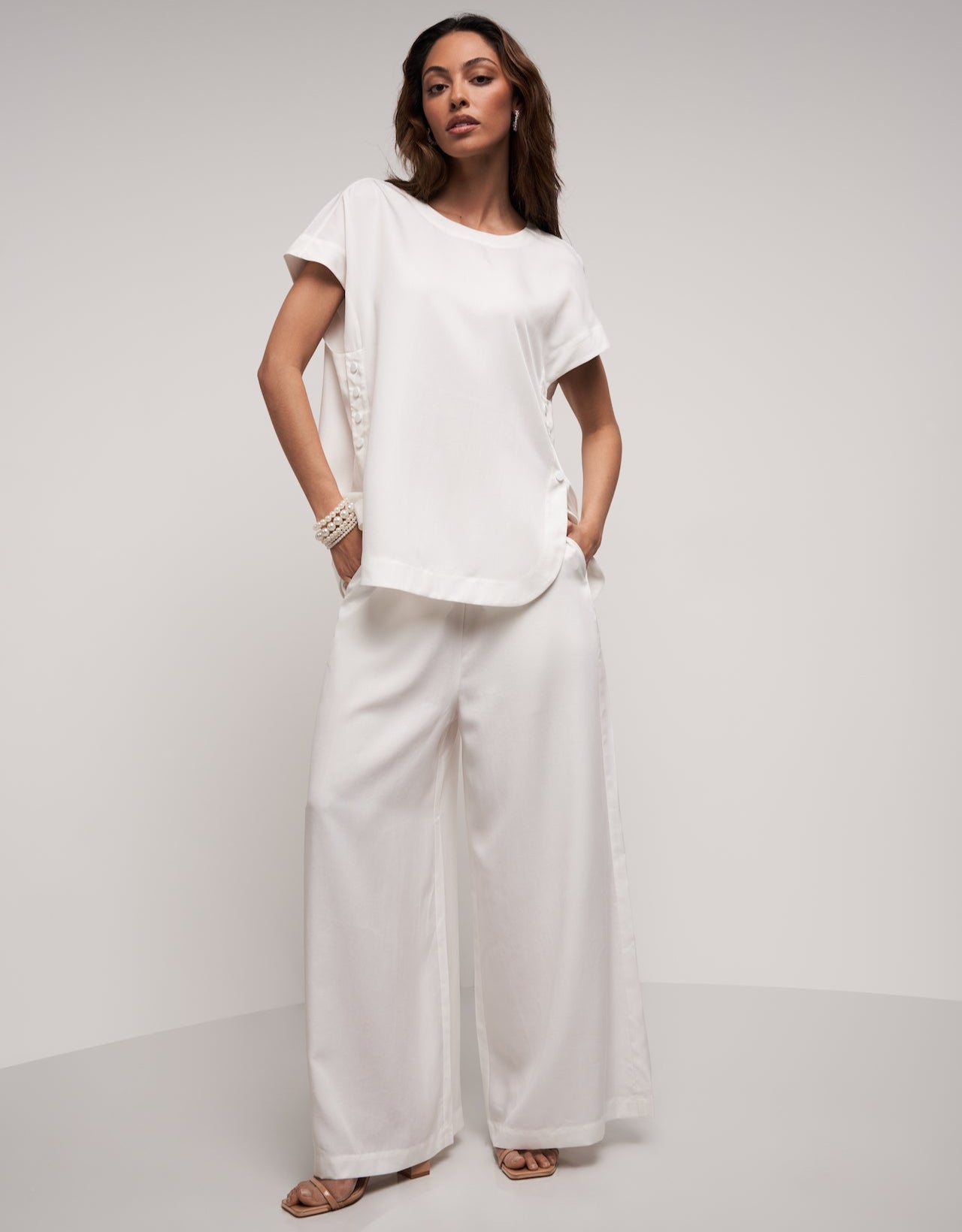
Wide-leg linen looks intentional and modern when the waist fits correctly. It’s also the breeziest option for heat and travel. The key is proportion: a defined waist plus controlled volume.Where it can fail: too much volume in a lightweight fabric can read pajama-adjacent, especially with an elastic waist and side slits. If you want wide-leg to feel elevated, prioritize a clean waistband and a hem that hits at the right length (no dragging).
Tapered or barrel-leg linen pants
These silhouettes feel fashion-forward without being loud. They’re great if you like a bit of shape and want something more structured than a beach pant.Where it can fail: if the taper is aggressive, linen can crease heavily behind the knee and at the seat. Look for a relaxed taper and enough room through the thigh.
Linen trousers (tailored)
Tailored linen trousers are the most underrated summer workwear piece. A front pleat can add movement and comfort, while a crease line brings polish.Where it can fail: if you expect them to stay razor-pressed all day. Linen will soften. The goal is refined, not rigid.
Details that separate “nice” from “wear it weekly”
Small design choices change how linen wears over time.Pockets: Deep side pockets are practical, but they can add bulk if the pocket bags are heavy or placed too far forward. If your priority is a flat hip line, look for pockets that sit cleanly and don’t pull open when you walk.
Lining: Fully lined linen pants can feel hot. Instead of lining, a better solution is simply choosing a fabric with enough weight, especially in light colors.
Closures: A zip fly with a hook-and-bar feels more tailored and stable for work. Drawstrings feel relaxed and are ideal for weekends and travel. If you do choose drawstrings, a clean channel and quality cord make a difference - flimsy drawstrings tend to twist and look messy fast.
Hem: A wider hem can help the pant hang better and adds a subtle tailored finish. Cropped hems are easy, but they can look abrupt if the leg opening is wide. Full length often looks more elevated, but it needs to be the right length for your shoes.
How to choose based on where you’ll actually wear them
If you want linen pants that work across settings, match the pant to the most demanding use-case in your life.For work: Choose a tailored waistband or flat-front with subtle elastic in back, a straight or softly wide leg, and a medium-weight fabric. Dark neutrals or grounded earth tones look sharper and hide daily creasing.
For travel: Prioritize comfort at the waist, room through the leg, and a fabric that doesn’t feel flimsy when you sit for hours. Wide-leg or relaxed straight-leg is usually the sweet spot. Bonus if the pockets are secure and don’t flare.
For hot, humid weather: Go for a looser leg opening and avoid cling. Lighter colors reflect heat, but only if the fabric is opaque enough. If you’re always reaching for linen in peak summer, consider owning two pairs: one polished neutral and one lighter weekend shade.
For a capsule wardrobe: Pick the silhouette that matches your most-worn shoes. If you live in flat sandals and sneakers, a cropped straight leg is easy. If you wear loafers or low heels for work, full length straight or tailored wide-leg will look more refined.
If you’re building a consciously designed rotation, it’s worth shopping brands that treat plant-based and natural fabrics as the standard, not a seasonal novelty. ZAVI does this well with modern minimal categories in linen and cotton at https://Www.shop-Zavi.com.
Care and wear: keep the relaxed look, lose the chaos
Linen will wrinkle. The goal is controlled texture.Wash gently and avoid overloading the machine. Linen needs space to move, or it comes out with deep creases that set as it dries. Cold water and a mild detergent help maintain the fiber’s strength.
Skip high heat drying when you can. Air drying keeps the fabric smoother and extends the life of the pant. If you use a dryer, use low heat and pull them out slightly damp.
Pressing is optional, steaming is strategic. A quick steam at the waistband, pockets, and front thigh gives a clean look without trying to erase every crease. If you love a crisp finish, press while slightly damp and focus on the front crease line only.
Store them like you mean it. Folding can set hard lines at the knee. Hanging by the waistband or over a wide hanger bar keeps the drape cleaner.
The quick fit test in the mirror (before you commit)
Try them on with the underwear and shoes you’ll actually wear.Check the waistband first. If it rolls, twists, or gaps dramatically at the back, it will annoy you all day. Walk, sit, and stand - linen should feel free, not fragile.
Then look at the pockets. If they flare open when you move, that’s usually a cut issue, not something that will “settle.”
Finally, look at the leg line from the side. The best linen pants for women create a calm silhouette: the fabric falls straight from the widest point without grabbing at the thigh or collapsing at the knee.
A good pair makes your whole wardrobe feel lighter. Choose the cut that matches your real week, not your aspirational weekend, and you’ll reach for them every time the weather turns warm.