
Modest Minimalist Outfits Women Actually Wear
A closet that feels calm is rarely an accident. It happens when your pieces cooperate - when necklines sit where you want them, hems move the way you need them to, and every layer has a purpose. Modest minimalism is that sweet spot: enough coverage to feel confident, enough simplicity to repeat outfits without boredom.
The goal is not to dress “plain.” It is to dress with fewer decisions and better outcomes. When you choose modern silhouettes, clean lines, and natural fabrics, you get outfits that read polished in a meeting, comfortable in heat, and elevated on weekends - without chasing micro-trends.
What “modest minimalist” really means
Modest is personal. For some, it is sleeves that cover the upper arm. For others, it is a higher neckline, a longer hem, or avoiding cling. Minimalist is also personal - it can mean a tight capsule of neutrals, or it can mean a consistent shape language (straight, tailored, unfussy) even if you wear color.When you put them together, modest minimalist outfits for women tend to share three traits: coverage that feels intentional, silhouettes that skim rather than squeeze, and styling that relies on proportion instead of decoration. Think longline layers, structured bottoms, and fabric that holds its shape.
The trade-off is real: the cleaner the outfit, the more every detail matters. Fit, fabric weight, opacity, and hem placement do the heavy lifting. That is why modest minimalism looks expensive when it is done well - and why it can look unfinished when it is not.
Start with fabrics that behave
If you want to repeat outfits, you need fabrics that stay comfortable across long days. Natural and plant-based materials also tend to look better as a “quiet” base because their texture adds depth without prints.Linen is the warm-weather MVP. It breathes, it looks intentional even when relaxed, and it pairs naturally with minimal styling. The key is choosing a weight that is not too sheer and leaning into the soft rumple as part of the aesthetic. Cotton is the year-round workhorse, especially in crisp weaves for shirts and in slightly heavier knits for tops that hold their line.
It depends on your climate and lifestyle. If you commute in a humid city or travel often, prioritize breathability and easy layering. If you spend most days in air-conditioning, you can go slightly heavier and more structured so you are not constantly adding a jacket for warmth.
The silhouettes that make modest minimalism feel modern
Minimalism gets stuck in “basic” when the silhouette is an afterthought. Modest dressing can feel dated when it relies only on adding fabric rather than shaping it. The modern answer is proportion.A relaxed button-up shirt with a longer hem gives coverage without looking oversized when paired with straight-leg trousers. A wide-leg pant looks sleek and modest because it creates movement and distance from the body - but it needs a cleaner top to keep the lines sharp. A midi dress becomes more minimalist when the waist is subtle and the neckline is simple, letting the length do the modest work.
Think in clean geometry: long vertical lines, balanced volume, and intentional layering. If one piece is roomy, keep the other more defined. If the outfit is all relaxed, add structure with a blazer or a waistcoat to bring it back to “designed.”
Modest minimalist outfits women can build on repeat
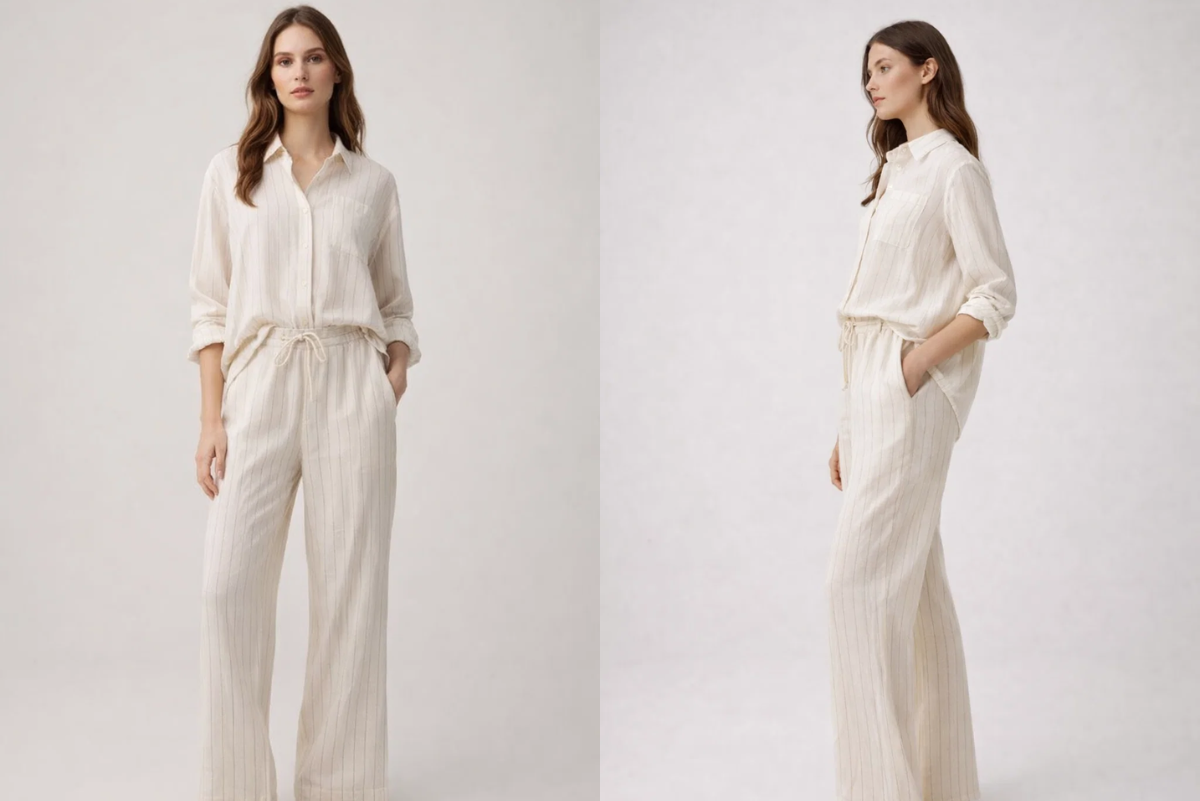
Outfit formulas are not rules. They are defaults - reliable starting points that you can adjust for coverage preferences, office dress codes, or weather.1) The longline shirt + straight trousers formula
A longer shirt gives coverage through the hip without needing complicated layering. Choose a button-up in cotton or linen, wear it untucked or do a partial tuck to define the waist without exposing skin. Add straight trousers that skim the leg and finish with simple flats or low-profile sneakers.This formula is ideal when you want modesty without adding heat. If you prefer more structure, layer a waistcoat or a tailored blazer on top. If you want it softer, swap the trousers for a relaxed, tailored pant.
2) The knit top + wide-leg pant formula
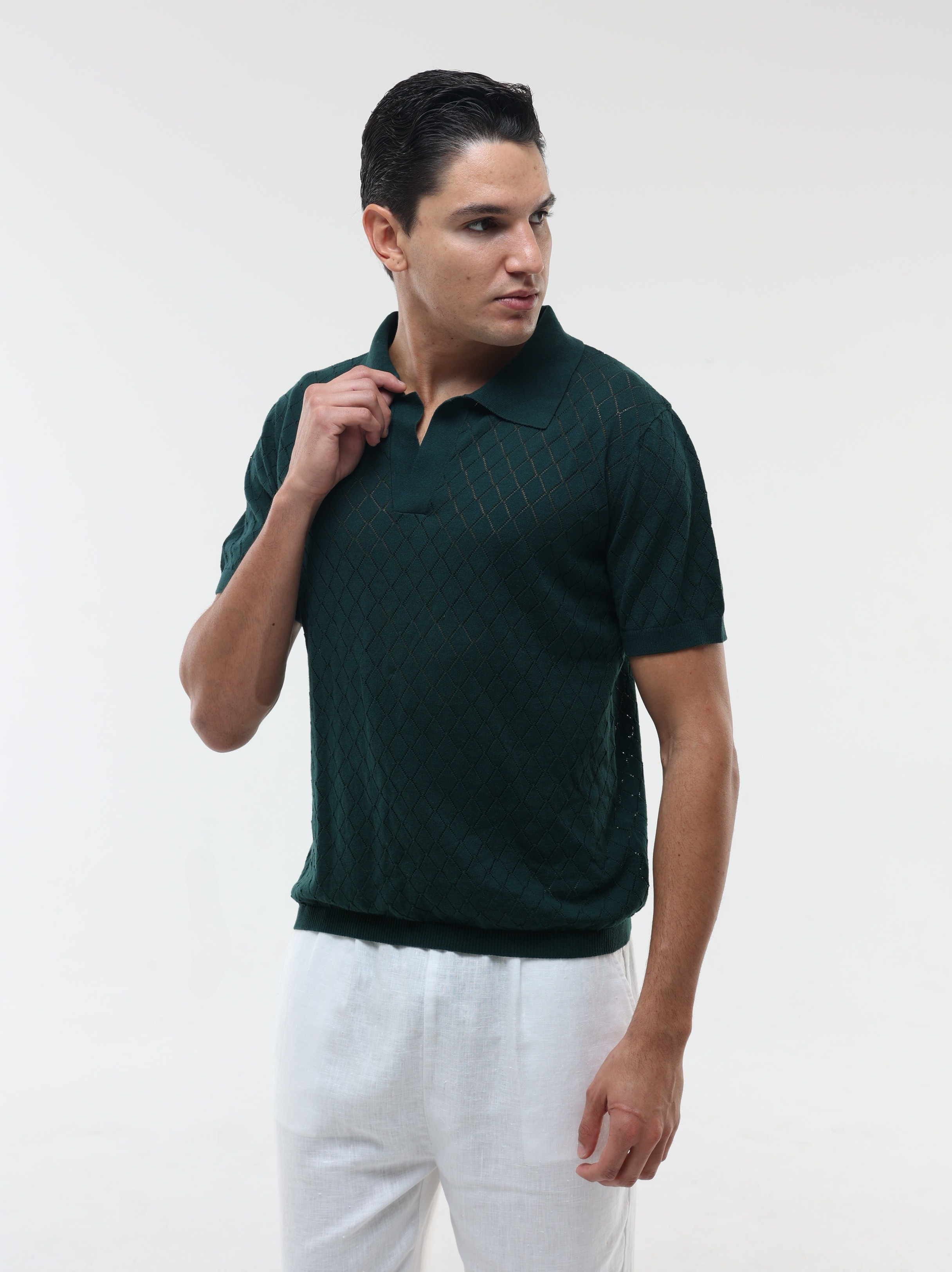
A minimalist knit top reads polished instantly, especially in a solid, neutral tone. Pair it with a wide-leg pant for coverage and movement. The silhouette is modest by design, but still current.The detail that matters is balance. If the pant is very wide, choose a top that sits closer to the body without clinging, or opt for a slightly cropped jacket that defines the waistline. If you want more coverage on top, choose a longer knit with side slits so it drapes without pulling.
3) The midi dress + light layer formula
A midi dress is one of the fastest ways to look finished with minimal effort. Keep the dress clean - a simple neckline, minimal seams, and a fabric that is not overly shiny. Then decide the layer based on your modesty preference: a blazer for work, a lightweight shirt worn open for travel, or a structured jacket for evenings.This is also the formula that benefits most from careful fabric choice. If the dress is too thin, it will cling. If it is too stiff, it can feel formal. Look for weight and drape that skim.
4) The matching set formula
A coordinated set is minimalism with a shortcut built in. It reads intentional, it photographs well, and it solves the “what goes with what” problem. For modest dressing, choose sets with a longer top or an easy layer option.Sets also give you range. Wear them together for a clean, column-like look, or split them across your week - the top with denim, the bottom with a crisp shirt.
Color: keep it tight, not boring
Minimalist does not have to mean only black and white. The trick is a controlled palette that mixes easily. Neutrals like ivory, sand, taupe, navy, and charcoal do most of the work, while muted accents (sage, clay, soft blue) add variety without breaking the calm.If you like wearing color, keep the silhouette minimal and let the color be the interest. If you prefer all neutrals, introduce depth through texture - linen, crisp cotton, or a subtle knit.
One practical rule: avoid building a capsule around shades that clash in undertone. If your best neutrals lean warm (cream, camel, chocolate), keep your core there. If they lean cool (optical white, charcoal, navy), stay consistent. It makes repeats look intentional.
Layering without bulk
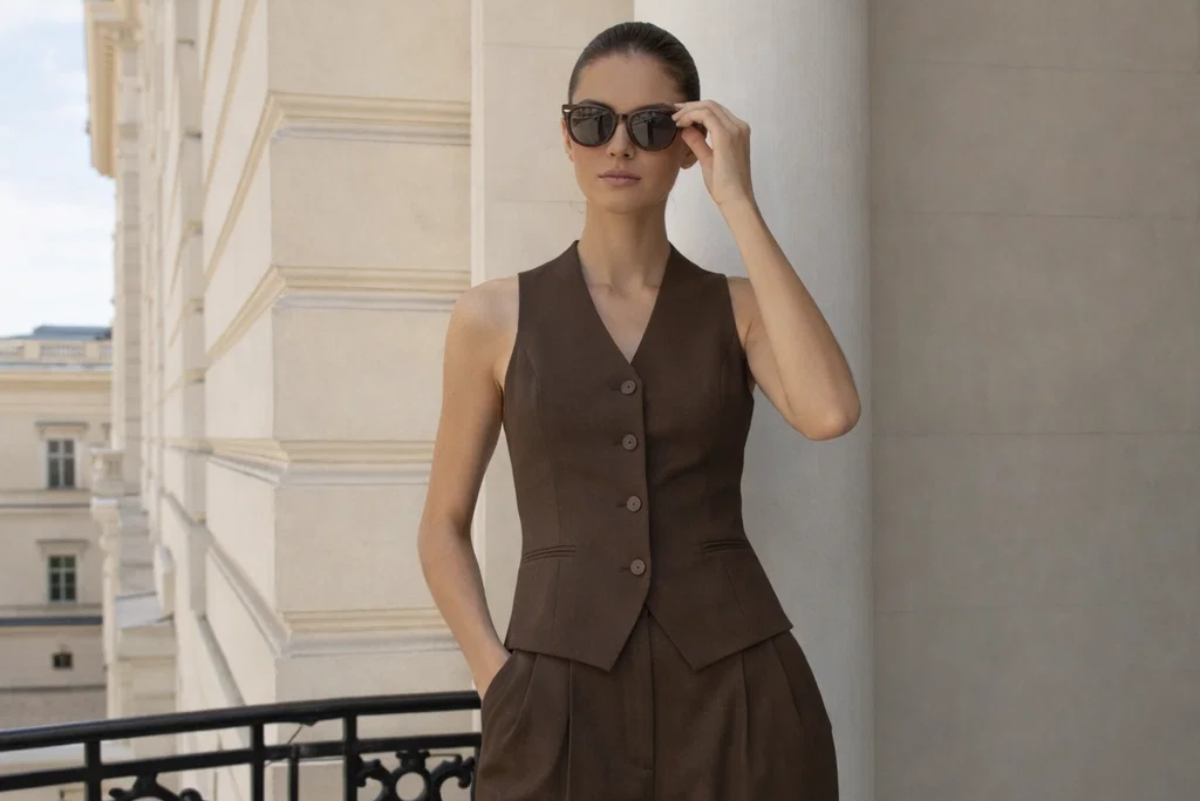
Modest minimalism often depends on layers, but bulky layering ruins the line. Aim for one “structure layer” and one “coverage layer,” not three competing pieces.A blazer adds shape instantly and can sharpen relaxed pants or dresses. A waistcoat is a minimalist way to add dimension while keeping arms free in warm climates. A lightweight button-up worn open acts like a breathable jacket and keeps the look soft.
The trade-off is warmth versus clean lines. If you need real warmth, choose fewer layers in heavier fabrics rather than stacking multiple thin pieces that bunch. If you run warm, keep layers light and focus on sun coverage and airflow.
Fit details that separate polished from fussy
When you remove prints and embellishment, fit becomes the style. Small adjustments matter.Sleeve length changes the entire mood - a full-length sleeve feels sharper, a three-quarter sleeve feels more casual. Hem length decides whether an outfit reads office-ready or weekend. Necklines matter for modesty, but also for balance: higher necklines often look best with a longer, lean line below (straight trousers, midi skirts, wide-leg pants).
Opacity is non-negotiable for many modest dressers. Hold the fabric up to light before committing, and consider lining or strategic layering when needed. Minimalism is easier when you are not constantly checking whether something is see-through.
Shopping smart: build a capsule that earns its space
A modest minimalist wardrobe is not about owning nothing. It is about owning what you actually wear. Start with a small core: trousers that fit perfectly, a few breathable tops, a versatile dress, and one structured layer.Then add repeatable “bridge pieces” that connect categories - a shirt that works over a dress, a blazer that works with denim and tailored pants, a set that splits into multiple outfits. When you shop this way, you buy fewer items and still get more combinations.
If you want a clean place to start, look for consciously designed linen and cotton staples with modern, modest cuts from a brand like ZAVI - the kind of pieces that are meant to repeat, not rotate out.
When minimalism needs a little more
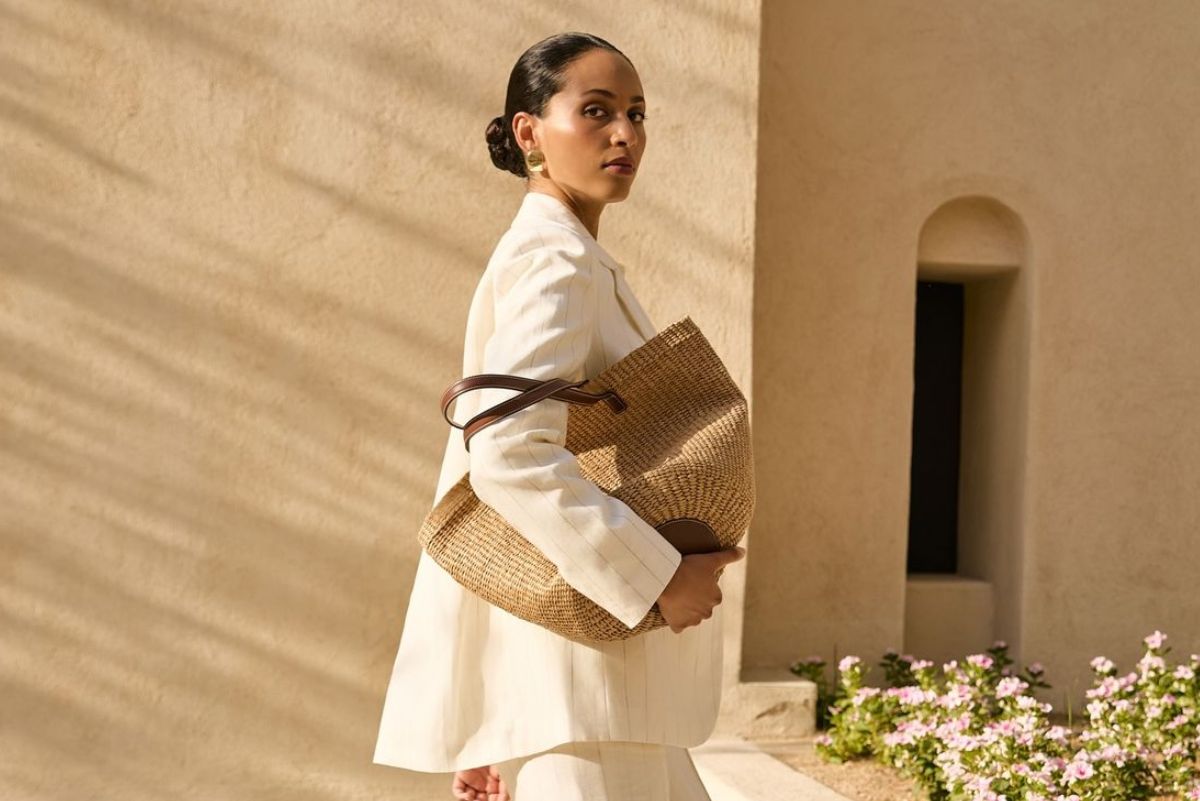
Some days call for more personality. You can keep the outfit minimalist and add interest through one element: a sculptural bag, a statement flat, a textured belt, or a single piece of jewelry. Keep it to one focal point so the look stays quiet.If you wear modest minimalism for work, your “more” might be tailoring - a sharper shoulder, a cleaner crease, a better drape. If you wear it for travel, your “more” might be comfort - elasticated waistbands done in elevated fabric, shirts that resist wrinkles, layers that pack flat.
Minimalism is not restraint for its own sake. It is a strategy. Fewer moving parts, more confidence, and clothes that keep up with your actual life.
Choose pieces that make you feel covered, clear, and comfortable - then wear them often enough to make your closet feel like it finally makes sense.