

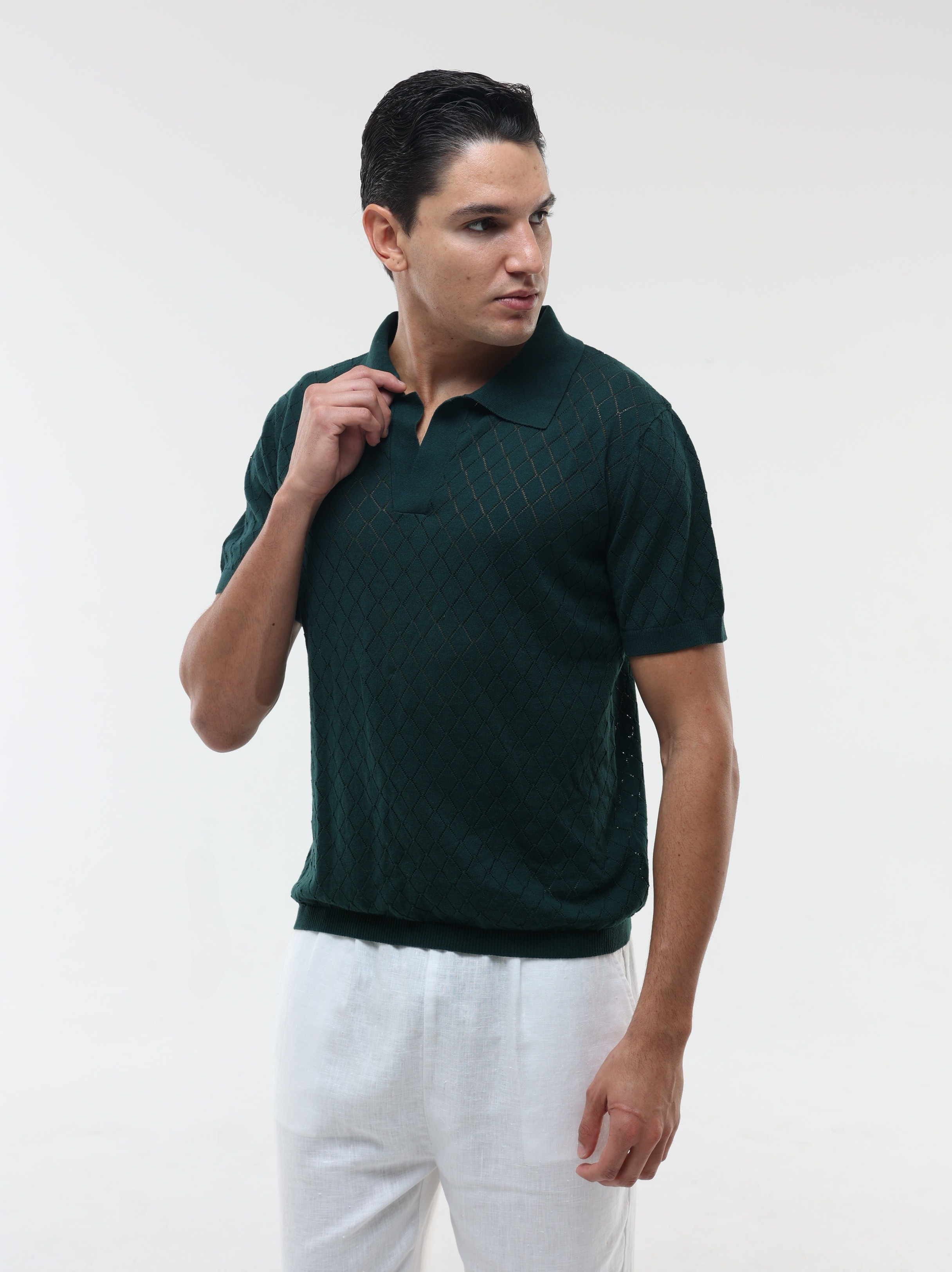

Natural Fiber Clothing Benefits That Matter
A shirt that looks polished at 9 a.m., stays comfortable through a warm commute, and still feels right at dinner is not asking too much. For a modern wardrobe, fabric does a lot of the heavy lifting. That is where natural fiber clothing benefits become easy to feel, not just easy to talk about.
For people building a closet around repeat wear, natural fibers make practical sense. Cotton and linen, in particular, support the way real wardrobes work - long days, changing temperatures, frequent washing, and pieces that need to move between work, weekends, and travel without effort. They also align with a more considered way of shopping, where fewer better pieces do more.
Why natural fiber clothing benefits stand out in daily wear
The biggest advantage of natural fibers is that they tend to work with the body rather than against it. In warm weather, breathable fabrics can make the difference between feeling put together and feeling uncomfortable by midday. Linen and cotton allow more airflow than many synthetic alternatives, which is one reason they remain essentials for shirts, dresses, blazers, relaxed trousers, and everyday basics.
That comfort is not only about temperature. Natural fibers often feel softer, drier, and less clingy on the skin. If you spend long hours in your clothes - at work, in transit, or while traveling - that matters. A wardrobe can look refined, but if the fabric traps heat or feels static-heavy, it rarely becomes a true repeat favorite.
There is also a visual benefit. Natural fibers tend to have texture, depth, and movement that read as elevated without trying too hard. Linen has an easy structure that gives outfits a relaxed, premium finish. Cotton can feel crisp or soft depending on the weave, which makes it versatile across polished and casual categories. Minimal wardrobes benefit from that quiet richness because simple silhouettes rely on fabric to create interest.
Comfort, breathability, and ease
When people talk about natural fiber clothing benefits, comfort usually comes first, and for good reason. Breathability changes how a garment performs over the course of a full day. Natural fibers help release heat and moisture more effectively than many synthetic fabrics, making them especially useful in warm climates, air-conditioned offices, and travel-heavy routines where temperatures shift often.
Linen is especially strong here. It is lightweight, breathable, and known for staying comfortable in heat. That makes it a smart choice for resort wear, summer tailoring, matching sets, and relaxed shirts. Cotton is the everyday foundation - dependable, soft, and adaptable across everything from tees and polos to structured shirts and workwear separates.
That said, comfort is not one-size-fits-all. Some people love the crisp hand feel of linen immediately, while others prefer washed linen or cotton blends that feel softer from the start. Pure natural fibers can also wrinkle more easily, especially linen. For some wardrobes, that is part of the appeal. It gives clothing an effortless, lived-in finish. For others, especially if a very sharp pressed look is non-negotiable, fabric choice may depend on the setting.
The feel on skin matters
Fabric sits on your body for hours. That makes skin feel a real shopping factor, not a minor detail. Many people find natural fibers less irritating and more comfortable for everyday wear, especially in fitted tops, shirts, dresses, and loungewear. While sensitivity varies from person to person, breathable plant-based fabrics often feel gentler than synthetics that can trap heat and friction.
This matters even more in foundational pieces. The tops, shirts, and easy trousers you wear on repeat need to feel right every time. If a fabric is breathable and comfortable, it earns its place faster.
Natural fibers and a longer-wearing wardrobe
A well-built wardrobe is not only about style. It is also about staying power. One of the most overlooked natural fiber clothing benefits is how well these fabrics support wardrobe longevity when they are chosen and cared for properly.
Cotton, especially in quality constructions, can hold up well through frequent wear and washing. Linen is durable too, and often becomes softer over time without losing its character. That aging process matters. Some garments peak on the first wear and decline quickly. Better natural fabrics often do the opposite - they settle in, soften, and become more personal with use.
This is especially relevant for capsule wardrobes and repeat-wear dressing. If your closet is built around fewer, more versatile pieces, each item needs to perform across multiple occasions. A linen shirt should work with tailored pants for work and with relaxed shorts on vacation. Cotton separates should be able to anchor casual outfits and layer under jackets or blazers without feeling disposable.
Durability does come with a condition: quality matters. Not every natural fiber garment is automatically better made. Fabric weight, weave, finishing, and construction all affect how a piece wears over time. A thin low-quality cotton item may lose shape faster than a well-made blended fabric. That is why the best approach is not to idealize fiber alone, but to look at the whole garment.
A more considered approach to sustainability
Natural does not always mean perfect, and it should not be framed that way. But natural fibers can support a more thoughtful fashion system when they are sourced and used intentionally. For brands built around consciously designed clothing, plant-based materials are not a trend layer. They are part of the product standard.
Cotton and linen come from natural sources, and they can offer a lower-impact direction compared with petroleum-based synthetics, especially when brands prioritize responsible sourcing, durable design, and longer wear. The biggest sustainability win often comes down to use: buying pieces you will wear often, keep longer, and style across seasons.
That is where natural fibers fit modern minimal wardrobes so well. They tend to be timeless rather than overly trend-driven. They work in clean silhouettes. They layer easily. And they make it easier to build outfits around a few dependable categories instead of constant replacement.
Why fewer better pieces matter
A consciously edited wardrobe does not need to be restrictive. It just needs to be intentional. Natural fiber clothing supports that mindset because the fabrics lend themselves to versatile staples - easy shirts, tailored trousers, dresses with movement, light layers, matching sets, and elevated basics.
When clothing is comfortable, breathable, and easy to style, it gets worn more. That repeat wear is where value really shows up. For brands like ZAVI, that balance of modern design and plant-based fabric choice makes sustainability feel integrated into everyday style rather than separate from it.
Style benefits you can actually see
Not every fabric carries a minimal silhouette equally well. Natural fibers often bring a cleaner, more elevated finish to contemporary shapes because they have visible texture and natural drape. They can make simple clothing feel considered.
Linen gives structure without stiffness. Cotton can add crispness where you want definition and softness where you want ease. That range matters if your wardrobe moves between office dressing, off-duty basics, and travel. The same fabric family can support a button-down, a wide-leg trouser, a relaxed dress, or a lightweight blazer while keeping the overall look cohesive.
There is a reason these fabrics return every season. They are visually calm, easy to pair, and rarely feel overworked. For people drawn to modest, modern, minimal styling, that is a real advantage.
When natural fibers are the right choice and when it depends
Natural fibers do a lot well, but context matters. If you need high-stretch activewear, water resistance, or very technical performance, synthetic or blended fabrics may still be the better option. The goal is not to replace every material in your closet with one category. It is to choose the right fabric for the way you actually live.
For everyday dressing, though, natural fibers are often the strongest starting point. They make sense for warm-weather wardrobes, polished casual dressing, travel capsules, office essentials, and any closet where comfort and appearance need to work at the same time. They also tend to suit people who want their clothes to feel refined without looking over-styled.
The best shopping question is simple: will this fabric support how often I plan to wear this piece? If the answer is yes - if it feels breathable, wears well, and fits your routine - it is probably worth the space in your wardrobe.
Fabric sets the tone before color, before styling, before accessories. Choose well, and the rest of the outfit usually follows.