
Why Sustainable Fashion Brand Transparency Matters
You can spot a clean silhouette in seconds. You can feel the difference between crisp linen and synthetic blends the moment you touch them. What takes more work is understanding what sits behind the garment. That is where sustainable fashion brand transparency matters most. It turns a polished product page into something more useful: a clear view of materials, making, and the real standards behind the style.
For shoppers building a modern wardrobe with intention, transparency is not a bonus feature. It is part of the product. If a brand says a blazer is consciously designed, made with natural fibers, or produced more responsibly, you should be able to see what that means in practice. Not in vague language. In specifics.
What sustainable fashion brand transparency actually means
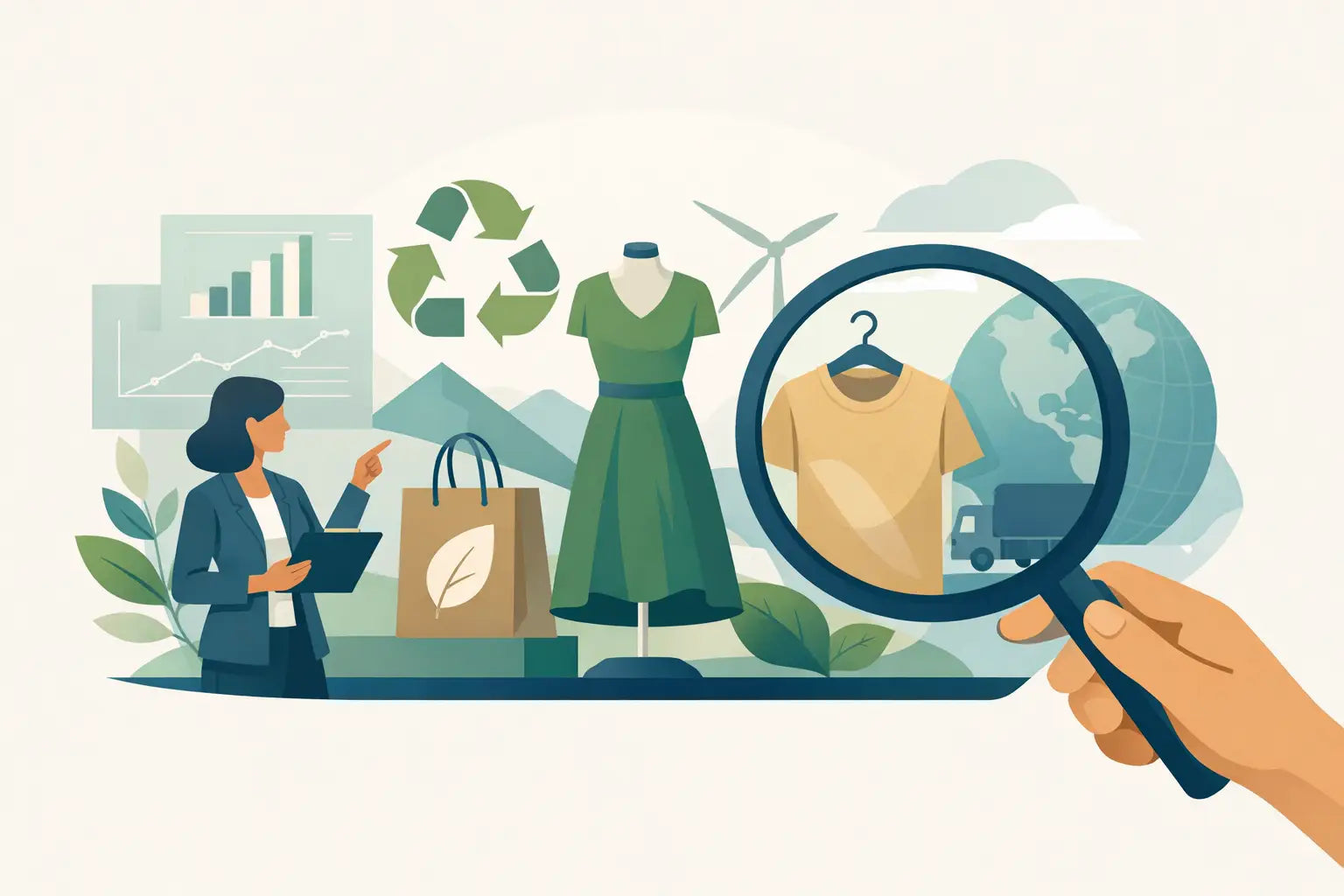
Transparency is simple in theory and more demanding in reality. It means a brand shows its work. It explains what a garment is made from, where key materials come from, how it is manufactured, and what standards guide those decisions.
That does not mean every brand needs to publish every detail of its operations in extreme depth. Fashion supply chains are complex, and some information changes season to season. But shoppers should be able to find the essentials without hunting for them. Fabric composition should be clear. Care instructions should be complete. Sustainability claims should be supported by plain language that tells you what is being used, why it was chosen, and where the limits are.
The strongest brands treat transparency as part of design discipline. They present product details with the same clarity they bring to cut, fit, and finish. A linen shirt should not just say breathable. It should say what kind of fiber it uses, whether the blend affects longevity or feel, and how the piece is meant to be worn over time.
Why it matters more than polished messaging
Fashion is full of attractive language. Conscious. Responsible. Better choice. Eco-friendly. These phrases can point in the right direction, but on their own, they do not help a customer make a better decision.
Transparency matters because it gives shape to those claims. If a brand highlights cotton, linen, or plant-based fabrics, the customer needs context. Is the garment mostly natural fiber, or is that a small percentage of the blend? Is the fabric selected for breathability, durability, lower impact, or all three? Is the brand improving packaging, production, or sourcing - and where is it still in progress?
This is especially relevant for customers who buy with repeat wear in mind. If you are choosing trousers for work, a matching set for travel, or a lightweight shirt for warm weather, you are not only buying a look. You are buying performance. Comfort, structure, and longevity all depend on material choices. Transparency helps you judge whether a piece is likely to deliver beyond the first wear.
The details shoppers should look for
A transparent brand usually gets the basics right first. Product pages are precise. Fabric information is easy to find. Sizing, care, and construction details are not hidden behind broad claims.
Material disclosure is the clearest place to start. A customer should know whether a dress is 100 percent linen, a cotton blend, or a fabric mix designed for drape or ease of care. This matters because trade-offs are real. Pure natural fibers often offer breathability and a more elevated hand feel, but some blends can improve wrinkle resistance or structure. Neither choice is automatically better in every case. What matters is whether the brand explains the choice honestly.
Factory and production information also matters, even if it appears at a higher brand level rather than on every product page. Customers want to know where garments are made, what standards guide production, and whether the brand has visibility into its supply chain. A brand does not need to pretend perfection. It needs to be clear about what it knows, what it controls, and what it is still working on.
Then there is care and lifespan. A truly transparent brand does not only focus on how a garment is sold. It also addresses how it should be worn, washed, stored, and repeated. Longevity is part of sustainability, and it depends as much on use as sourcing.
Sustainable fashion brand transparency and greenwashing
This is where the conversation becomes more practical. Transparency is one of the few reliable ways to separate thoughtful sustainability from greenwashing.
Greenwashing often sounds polished but stays abstract. A brand may use nature-led visuals, soft language, and broad environmental claims while offering little detail on material composition, production, or measurable commitments. The message feels right, but the substance is thin.
Transparent brands do the opposite. They make it easier to verify the claim. They tell you what fibers are used. They explain why certain fabrics are favored. They acknowledge that sustainability is a set of choices, not a single label.
There is nuance here. Some newer or smaller brands may be doing real work without having a huge reporting structure. That does not automatically make them less credible. At the same time, scale and polished branding should not be mistaken for substance. The better question is always the same: can the brand clearly explain the product and the process behind it?
Why transparency supports better style decisions
For a minimalist wardrobe, transparency is not separate from aesthetics. It improves the way you shop.
When you understand fabric composition and garment intent, you buy more precisely. You know whether a shirt is light enough for high heat, whether a blazer has the structure for daily office wear, or whether a resort set is designed for relaxed packing and repeat styling. You are less likely to buy based on image alone and more likely to choose pieces that hold their place in your wardrobe.
That matters for cost-per-wear. It also matters for editing. A refined wardrobe works when each piece earns its place. Transparency helps customers make fewer impulse purchases and stronger long-term choices.
This is where premium and sustainable should meet. Elevated design is not only about how a garment looks on launch day. It is about whether the fabric, fit, and function remain convincing after many wears. Clear product information supports that decision.
What good transparency looks like from a modern brand
The most credible brands do not make transparency feel like homework. They organize it well.
At product level, they present the essentials clearly: fabric composition, fit notes, care guidance, and the key reason that fabric was chosen. At brand level, they create dedicated spaces for sustainability practices, values, and ongoing progress. This structure matters because customers shop in layers. First they want the piece. Then they want proof.
A modern brand should also understand that transparency is part of trust-building, not a defensive exercise. Clean design and concise language can still carry substance. In fact, that often works better. A customer does not need a lecture. They need clarity.
That is why the strongest sustainability communication is usually direct. Plant-based fabrics. Natural fibers. Better breathability. Limited production runs. Thoughtful sourcing. Then, importantly, the explanation behind those words.
A brand like ZAVI fits this model best when sustainability is presented as a design standard rather than a side note. That means the language around materials, wearability, and product intent should feel as considered as the collection itself.
The limits of transparency
Transparency is essential, but it is not the same as impact. A brand can disclose information and still have room to improve. Another can be making thoughtful decisions while still building more formal reporting.
So transparency should be treated as a strong signal, not the only one. It tells you whether a brand respects the customer enough to be specific. It does not mean every choice is perfect.
This is where shoppers need balance. Look for honesty over grand claims. Brands that admit complexity are often more trustworthy than brands that present sustainability as solved. Fashion involves trade-offs around sourcing, durability, price point, transport, and production scale. Clear communication about those trade-offs is a strength, not a weakness.
How to shop with more confidence
The best approach is simple. Read beyond the headline claim. Check the fabric content. Look for clear care guidance. Visit the brand's sustainability or values pages and see whether the language stays specific. If the brand says consciously designed, ask what that means in material terms. If it says natural fabrics, check the percentages. If it uses broad sustainability language, look for supporting detail.
You do not need a perfect scorecard for every purchase. You need enough visibility to choose well. Some pieces are bought for structure, others for softness, breathability, or travel ease. The right decision depends on how you live and wear your clothes.
The real value of transparency is not that it makes every purchase easy. It makes every purchase more intentional. And that is where better wardrobes begin - with fewer assumptions, clearer information, and clothes that hold up both visually and ethically long after checkout.