

A Guide to Women Blazer Fits
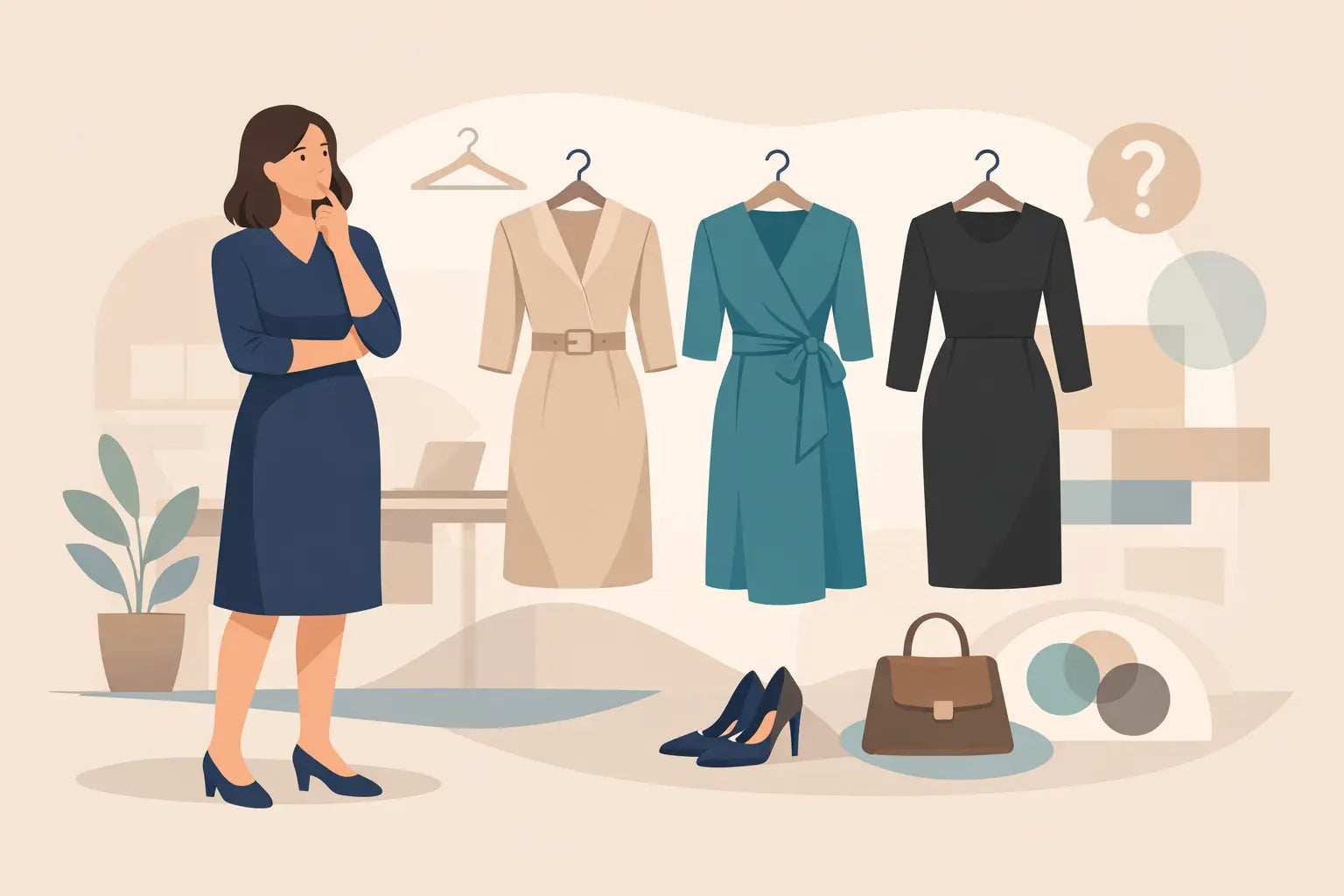
A blazer can look polished on the hanger and still feel wrong the second you put it on. Usually, the issue is not your body. It is the cut. This guide to women blazer fits is built to make that distinction clear, so you can tell whether a blazer needs styling, tailoring, or a different silhouette altogether.
The right fit changes everything. It sharpens proportions, makes layering easier, and gives a simple outfit structure without feeling overworked. For a modern wardrobe, that matters. A blazer should move between office hours, dinner plans, flights, and weekends with very little effort.
Why blazer fit matters more than size
Most blazer problems get blamed on size, but fit is more specific than that. Two blazers labeled the same size can sit completely differently through the shoulder, waist, sleeve, and hip. One may feel tailored and clean. The other may pull when buttoned, collapse at the back, or overwhelm your frame.
That is why it helps to shop by silhouette first. Think about the shape you want the blazer to create. Do you want definition at the waist, a relaxed line through the body, or a longer borrowed-from-menswear proportion? Once you know that, the sizing decision becomes easier.
Fabric matters too. A structured cotton twill, crisp linen blend, or suiting fabric will hold shape and show fit more clearly. Softer fabrics can feel forgiving, but they can also make a poor fit harder to diagnose because they drape over issues instead of solving them.
Guide to women blazer fits by silhouette
There is no single best blazer fit. The best one depends on how you dress, what you layer underneath, and the level of structure you actually enjoy wearing.
Tailored fit
A tailored blazer follows the body without feeling tight. The shoulder should end where your natural shoulder ends, the waist should look gently shaped, and the body should skim rather than cling. This is the most classic option and usually the easiest to dress up.
If you wear blazers for work or want one piece that always looks intentional, tailored is the strongest place to start. It works well over a light knit, fitted shirt, or simple tank. The trade-off is that it leaves less room for bulky layering, so if you like to wear sweaters underneath, you may want to size with that in mind.
Relaxed fit
A relaxed blazer has more ease through the body and sometimes a slightly dropped shoulder. It still looks refined, but less strict. The shape feels current because it gives structure without forcing a sharply cinched silhouette.
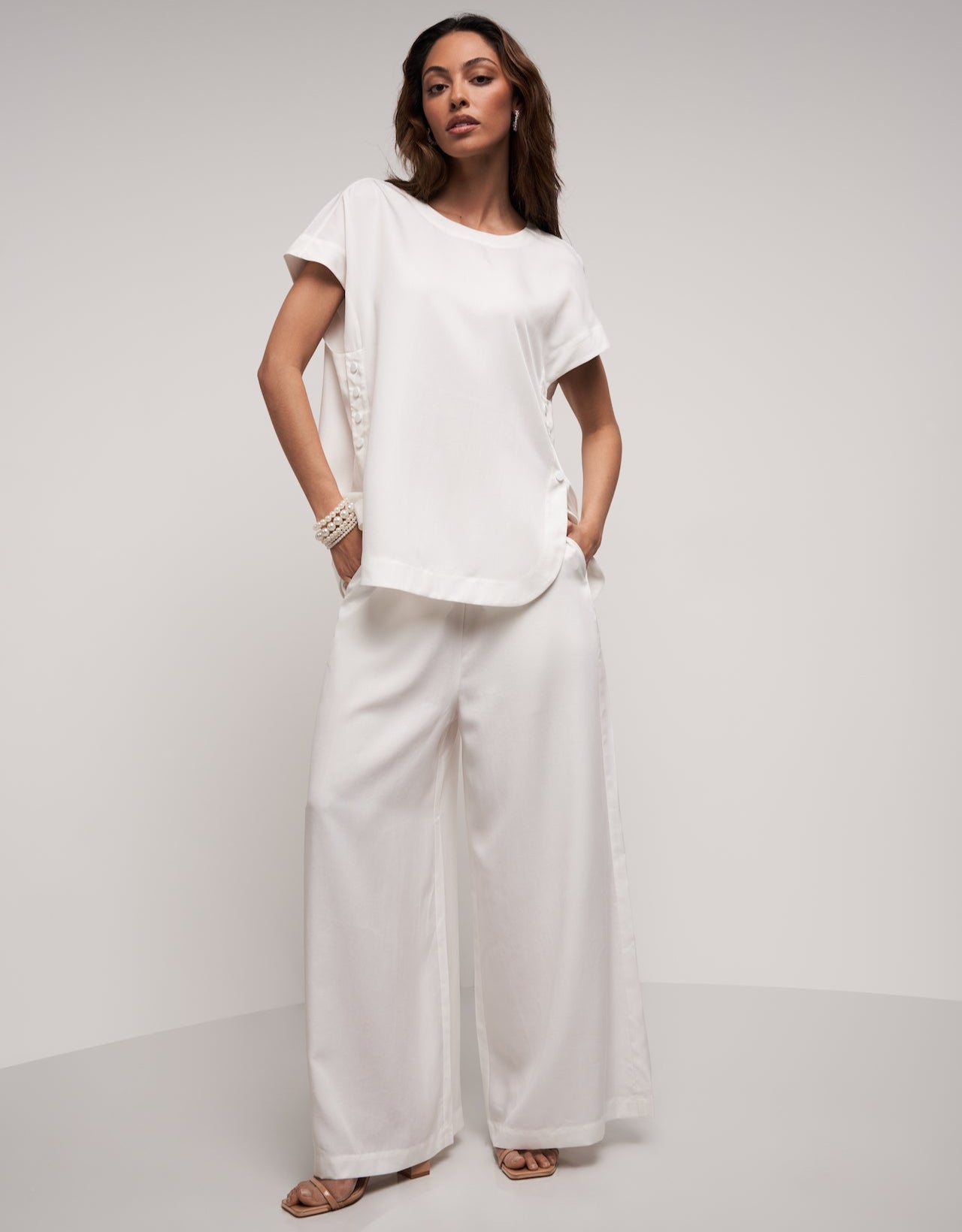
This fit suits capsule wardrobes well because it can be styled in more ways. It works with trousers, denim, wide-leg pants, and matching sets. It also tends to feel more breathable in warm climates when cut in natural fabrics like linen or cotton. The one thing to watch is proportion. Too much extra room can read oversized when that was not the intention.
Oversized fit
Oversized blazers are cut with clear volume through the shoulder, sleeve, and body. Done well, they look directional and effortless. Done poorly, they simply look too big.
The difference is control. An oversized blazer should still have a deliberate line. The lapels should sit flat. The shoulder should look intentionally extended rather than collapsed. The sleeves should feel long, but not so long that your hands disappear. If you are petite or prefer cleaner proportions, an oversized fit can still work, but usually with a more streamlined outfit underneath.
Longline fit
A longline blazer extends lower on the hip or toward mid-thigh. It creates a lengthened silhouette and often feels especially elegant with straight-leg trousers or fluid bottoms. This shape can be flattering because it visually elongates the body, but balance matters.
If the blazer is long and roomy, pair it with a cleaner base layer so the outfit keeps shape. If you are wearing it over a dress or wide-leg pants, check that the hem lengths do not compete with each other.
Cropped fit
A cropped blazer sits at or above the high hip and can feel fresh, sharp, and very useful in warm weather. It highlights the waist and pairs well with high-rise trousers, skirts, and dresses.
This fit is especially good if full-length blazers often feel heavy on your frame. It is slightly less traditional, so it may not replace a classic workwear blazer, but it earns its place when you want structure without extra length.
What to check when trying on a blazer
A good blazer fit is easy to recognize once you know where to look. Start with the shoulders. This is the hardest area to alter, so it should be right from the beginning. The seam should sit close to the edge of your natural shoulder unless the blazer is intentionally oversized.
Next, check the lapels and front closure. If the lapels buckle or pull away from the body while standing still, the fit is off through the bust or torso. Button the blazer if it is designed to close. It should lie smooth enough to look clean, not strain across the front.
Then look at the sleeves. Ideal sleeve length usually hits around the wrist bone, though styling can shift that slightly. More important than length is whether the sleeve hangs cleanly. Twisting, drag lines, or bunching near the armhole can mean the shoulder or arm shape is wrong for you.
Finally, check the back and hem. The back should fall smoothly without horizontal pulling. The hem should feel balanced, not kick out or cling to the hips. Walk, sit, and lift your arms. A blazer that only works while standing still is probably not the right one.
How to choose the right blazer fit for your wardrobe
The smartest blazer is not always the most formal one. It is the one you will actually repeat.
If your wardrobe leans polished and office-ready, start with a tailored or gently relaxed fit in a neutral tone. You will get the most wear from a shape that layers easily and works across meetings, dinners, and events.
If your style is more minimal and off-duty, a relaxed or slightly oversized blazer may be the better investment. It feels easier with denim, simple tanks, knit dresses, and soft trousers. This is often the blazer that turns basics into an outfit.
If you dress for heat, travel often, or want more comfort from structured pieces, pay close attention to fabric composition. Breathable natural fibers make a noticeable difference. Linen gives a relaxed elegance, while cotton can feel crisp and grounded. Slight wrinkling is part of the appeal with some natural fabrics, especially in warmer climates. If you want a pristine finish all day, a more structured suiting blend may suit you better.
Common fit mistakes
One common mistake is buying too tight because it looks sharper at first glance. A blazer needs some air between the body and the fabric. Without that, it loses ease and becomes difficult to layer, sit in, or wear for long hours.
Another mistake is going too oversized without enough structure elsewhere. Volume works best when it looks intentional. If the shoulders are too dropped, the sleeves too long, and the body too wide, the result can feel heavy rather than modern.
It is also easy to ignore sleeve and length proportions because they seem fixable. Sometimes they are, but not always cleanly. Small adjustments are reasonable. Major changes can distort the design.
When tailoring helps and when it does not
Tailoring can refine a good blazer. It cannot rescue every bad one. Sleeve length, slight waist shaping, and sometimes body length are often manageable adjustments. Shoulder width and a poorly balanced armhole are much harder and usually not worth forcing.
This is why the best approach is to buy for shoulders and overall line first. Then tailor lightly if needed. A blazer should already look close to right before any alterations happen.
The best fit is the one you repeat
A blazer should make getting dressed simpler. It should layer over what you already wear, hold its shape through the day, and feel like a natural extension of your wardrobe rather than a special-case piece. At ZAVI, that idea matters - consciously designed clothing should work hard, wear often, and stay relevant beyond a single season.
When a blazer fits well, you stop adjusting it. You stop second-guessing the proportions. You just put it on and leave the house. That is the fit worth choosing.