


Best Natural Fabrics for Humid Weather
Humidity changes the rules.
An outfit that looks polished at 8 a.m. can feel heavy, clingy, and overheated by noon if the fabric is wrong. In warm, damp climates, breathability is not a bonus. It is the difference between getting dressed with ease and spending the day adjusting sleeves, pulling at waistbands, and wishing you had changed.
That is why fabric matters as much as silhouette. The best natural fabrics for humid weather help regulate heat, allow airflow, and keep everyday dressing looking considered instead of compromised.
Why natural fabrics for humid weather work better
Humidity makes it harder for sweat to evaporate, which is why certain clothes feel instantly uncomfortable even when they are lightweight. A fabric can be thin and still trap heat. It can feel soft in air conditioning and become sticky the moment you step outside.
Natural fibers tend to perform better because they breathe more easily than many synthetic alternatives. They allow air to circulate, absorb moisture more effectively, and usually feel cooler against the skin. That does not mean every natural fabric is ideal for every situation, though. Some wrinkle faster, some hold more moisture, and some are better for relaxed dressing than structured workwear.
The right choice depends on how you wear your clothes. A loose linen shirt for travel has different demands than tailored cotton trousers for work or a lightweight dress for a long outdoor lunch.
The best natural fabrics for humid weather
Linen
If there is one fabric most people reach for in humid weather, it is linen. For good reason. Linen is exceptionally breathable, dries quickly, and has a natural texture that does not cling to the body. It creates space between the skin and the garment, which helps with airflow and makes it feel cooler than many smoother fabrics.
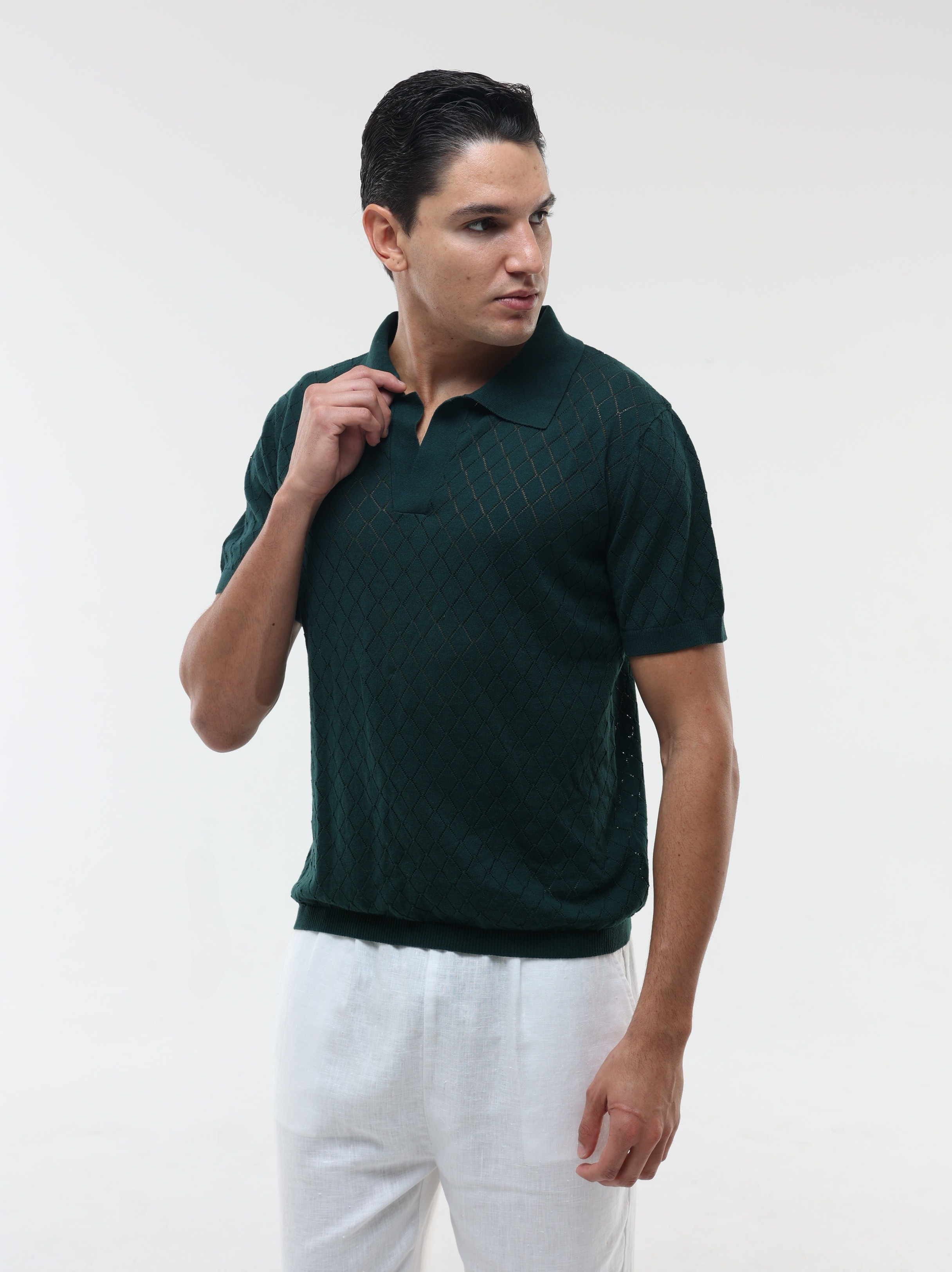
It is especially strong for shirts, wide-leg pants, matching sets, relaxed blazers, and easy dresses. Linen also suits a modern minimal wardrobe because its texture does a lot of the styling work on its own. A simple linen shirt and tailored pants can look intentional without feeling overdone.
The trade-off is wrinkles. Linen creases easily, and that is part of its character. If you want a very crisp finish from morning to evening, pure linen may feel too undone for some settings. In that case, a linen blend can offer a more refined balance.
Cotton
Cotton is the everyday standard because it is soft, breathable, and versatile across categories. It works well in humid weather when the weave and weight are right. Lightweight cotton poplin, voile, and gauze feel airy and fresh, while heavier cotton twill or dense jersey can feel warm faster than expected.
This is where fabric selection matters more than the label alone. A cotton shirt with a slightly loose fit can feel sharp and comfortable in humidity. A thick cotton tee that sits close to the body may not. Cotton also absorbs moisture well, which helps with comfort, but if the fabric is too heavy it can stay damp longer than linen.
For daily wear, cotton is often the easiest option. It suits workwear, basics, dresses, and off-duty pieces without requiring much adjustment in styling.
Lightweight silk
Silk can work beautifully in humid weather, but only in the right form. Lightweight silk is breathable, temperature-regulating, and smooth on the skin. It brings a more elevated finish than linen or casual cotton, which makes it useful for evening dressing, refined separates, or polished occasion wear in warm climates.
The caution is maintenance and visibility. Silk can show moisture more easily, and not every silk weave handles daytime heat equally well. A heavy satin finish may feel less practical than a lighter silk crepe or habotai. For long commutes, outdoor walking, or high-sweat days, silk is not always the easiest first choice.
Still, for a clean, minimal wardrobe that needs one fabric with a dressier edge, silk has a place.
Hemp
Hemp is often overlooked, but it is one of the strongest natural options for humid weather. It is breathable, durable, and typically becomes softer with wear. In feel and performance, it sits close to linen, though often with a slightly more substantial hand depending on the weave.
Hemp works well for shirts, relaxed tailoring, resort pieces, and structured separates that still need airflow. It also fits naturally into a consciously designed wardrobe because it offers longevity alongside comfort.
Its limitation is availability and finish. Hemp is not as widely used across fashion categories, and some versions can feel slightly coarse before washing or wear. But in a well-made garment, that texture usually settles into something easy and lived-in.
Fabric choice is only half the equation
Even the best natural fabric can feel wrong if the cut is too close or the construction is too heavy. In humid weather, fit becomes part of performance.
Relaxed shirts, wide-leg pants, easy dresses, and softly tailored layers usually feel better than anything tight through the waist, arms, or thighs. Air needs room to move. A breathable fabric in a restrictive shape will still feel restrictive.
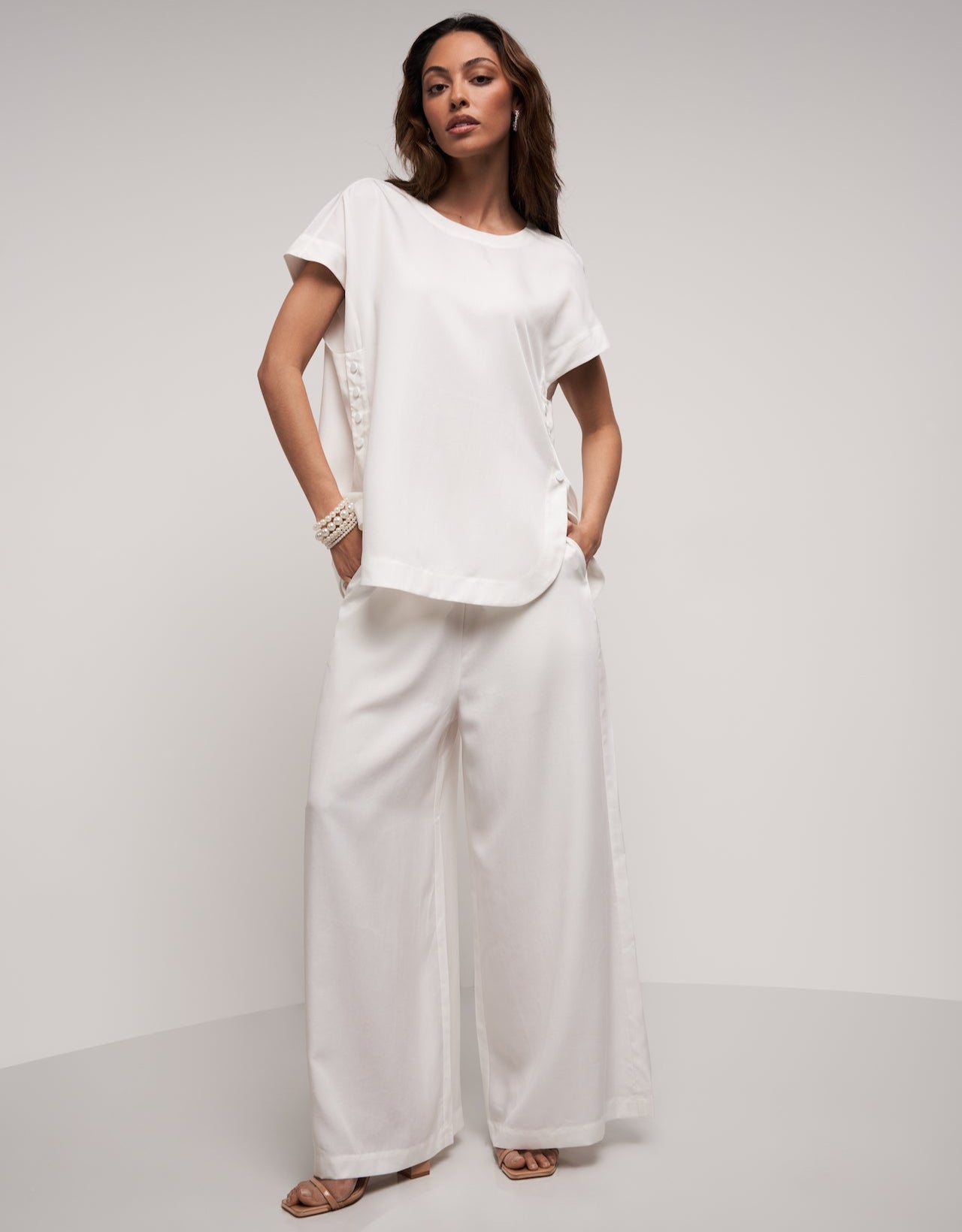
This is also why matching sets and coordinated separates work so well in warm climates. They look polished with very little effort, and when cut with ease, they create a clean line without trapping heat. A linen shirt with matching trousers or a cotton co-ord can carry you from work to dinner without feeling overstyled.
What to avoid, even when the label sounds promising
Not every item marketed for summer is actually suited to humidity. Fabric blends can be useful, but they need a close read. A linen-viscose blend may drape beautifully and wrinkle less, while a cotton-polyester mix may hold shape but trap more heat.
That does not mean all blends are wrong. It means the ratio matters. If breathability is your priority, the natural fiber should still lead the composition.
It is also worth watching for heavy linings, double-layered construction, and dense knits. These details can make a garment feel more substantial in a fitting room but less wearable once the weather turns damp and hot.
How to build a humid-weather wardrobe that still looks polished
A strong warm-weather wardrobe does not need to be large. It needs to be intentional. Start with pieces that move across settings: a breathable button-down, relaxed trousers, an easy dress, a lightweight outer layer for over-air-conditioned spaces, and one set you can wear together or apart.
Neutral tones help because they make repeating outfits feel natural, but function should lead. A white linen shirt is useful because it goes with everything. A black cotton poplin dress works because it feels composed without requiring accessories to complete it.
This is where a modern, minimal approach works best. When fabric and fit are doing the work, you do not need excess detail. Clean lines, thoughtful tailoring, and plant-based fabrics create a wardrobe that looks elevated while staying realistic for daily heat.
If you are shopping with longevity in mind, focus less on trend language and more on touch, weight, and movement. Ask how the piece will feel in transit, outside, and after several hours of wear. That is usually where the right choice becomes clear.
Choosing the right natural fabric for the moment
There is no single best answer for every day. Linen is ideal when you want maximum airflow and ease. Cotton is the reliable foundation for everyday wear. Silk brings a more refined finish when the setting calls for it. Hemp offers breathable structure with a consciously designed edge.
The smartest wardrobe uses each where it performs best. A linen set for weekends and travel. Cotton shirting for daily rotation. Silk for evenings. Hemp-blend separates for modern workwear. That balance gives you more wear, more comfort, and fewer pieces sitting unused.
For shoppers building around breathable essentials, natural fabrics are not a seasonal extra. They are the foundation. At ZAVI, that thinking sits at the center of consciously designed dressing - pieces that feel light, wear often, and stay relevant beyond one season.
When the forecast is hot and the air feels heavy, choose fabrics that give you space, movement, and ease. Good style should look polished. Better style should also let you breathe.


