

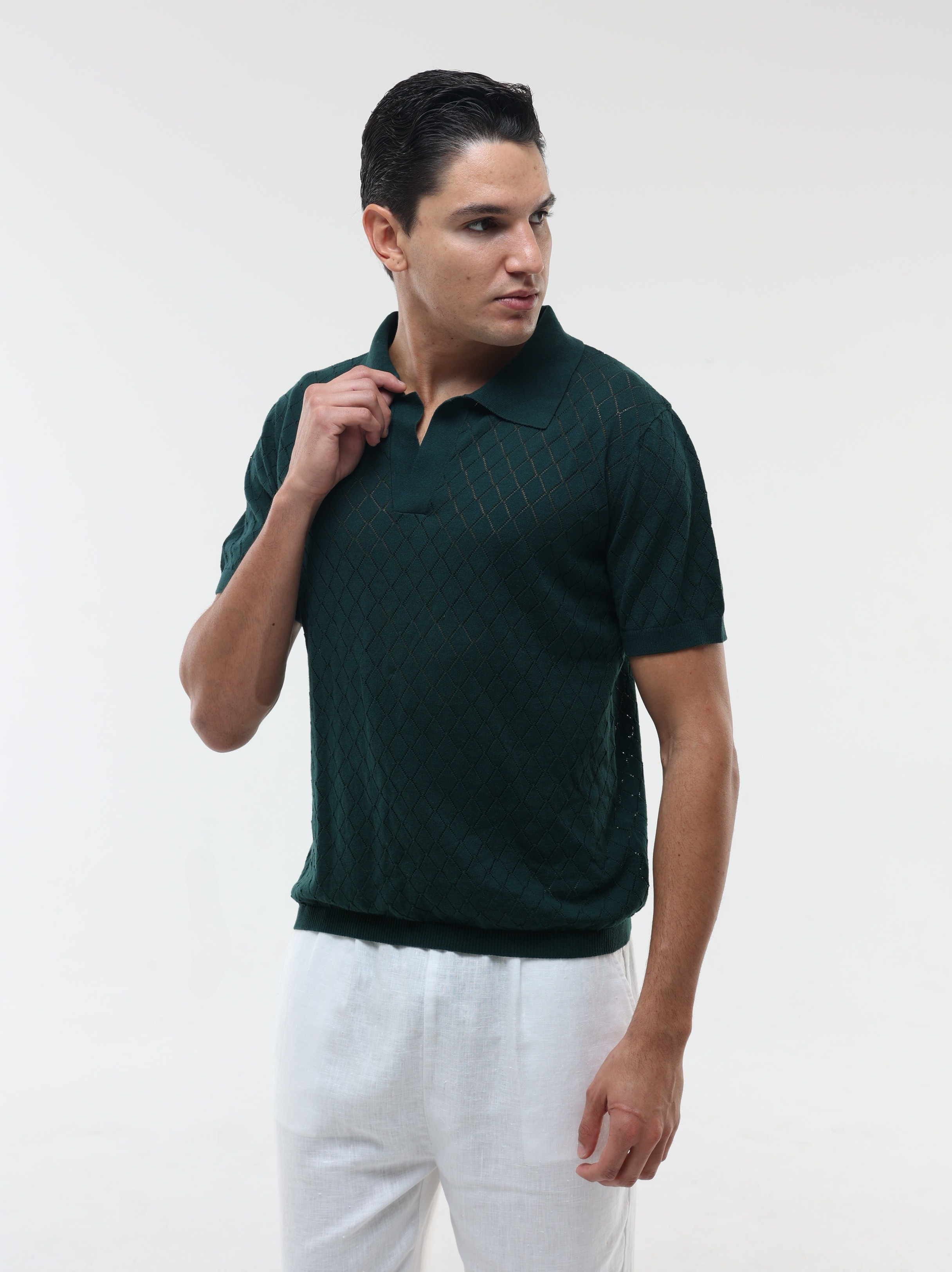

Making Conscious Decisions in What You Wear
A closet usually tells the truth faster than a mood board. If half of what you own is rarely worn, making conscious decisions about clothing is not really about chasing perfection. It is about choosing pieces that earn their place - in your routine, in your travel bag, and in the rotation you reach for without thinking twice.
For a modern wardrobe, conscious choice starts before checkout. It starts with a sharper standard. Does this piece fit your life as it is now? Does the fabric feel good enough for long hours, warm weather, repeat wear? Can it move from weekday to weekend with only a change of shoes or layers? Style gets easier when every purchase has a clear reason to exist.
What making conscious decisions really means
In fashion, the phrase can sound vague. It should not be. Making conscious decisions means buying with awareness of material, function, longevity, and frequency of wear. It is less about owning the fewest items possible and more about owning the right ones.
That distinction matters. A wardrobe built only around ideals often fails in real life. If you commute, travel often, dress for a warm climate, or need polished workwear that still feels breathable, your choices need to solve practical problems. Conscious shopping is not anti-style. It is style with criteria.
The easiest way to think about it is this: every piece should justify itself in at least one of three ways. It fills a real gap, improves what you already wear often, or replaces something that no longer performs. If it does none of the three, it is usually just noise.
Start with fabric, not trend
Fabric is where good intentions become useful decisions. A strong silhouette can catch your eye, but material decides how often you will actually wear it. Plant-based and natural fabrics like linen and cotton tend to work hard in everyday wardrobes because they offer breathability, comfort, and a more grounded feel against the skin.
This is especially true for people building day-to-night wardrobes. A blazer matters, but the fabric matters more if you plan to wear it through meetings, dinners, and long commutes. The same goes for shirts, dresses, matching sets, and elevated basics. If a piece looks polished but feels restrictive, it usually ends up hanging untouched.
That does not mean every natural fabric is automatically the best option in every case. Linen wrinkles. Cotton can vary widely in weight and structure. Some blends perform better for specific needs, especially when you want drape, easier care, or more resilience in a tailored shape. The point is not rigid rules. The point is to pay attention. Fabric should support the life you live, not the version of life a product page suggests.
Buy for repeat wear
The most sustainable piece in your wardrobe is usually the one you wear often. That sounds obvious, but it cuts through a lot of shopping noise.
Repeat wear depends on versatility, but also on ease. Can you style the item at least three ways with pieces you already own? Can you wear it across more than one setting? Does it work with your climate, your schedule, and your comfort level? These are better questions than asking whether something is simply trendy right now.
A minimal wardrobe does not have to be severe. It can still include statement details, a seasonal update, or a color shift that feels current. But the core should be reliable. Trousers that work with tanks, shirts, and blazers. Dresses that can stand alone or layer easily. Matching sets that remove guesswork on rushed mornings. These are the pieces that lower friction and raise wear count.
If you are trying to shop more consciously, start tracking what you wore in the last two weeks. Not what you think you wear often. What you actually wore. Patterns appear quickly. You may find that your best purchases are the ones with clean lines, breathable fabrics, and enough structure to feel finished without extra effort.
Making conscious decisions means editing too
Shopping gets most of the attention, but editing matters just as much. An overfilled closet makes good choices harder because everything competes at once. You lose sight of what fits well, what needs replacing, and what your wardrobe is missing.
Editing does not require a dramatic cleanout. A quieter approach usually works better. Pull out the pieces that feel uncomfortable, difficult to style, or disconnected from how you dress now. Then separate sentimental items from functional ones. Not everything has to leave immediately, but everything should be understood.
This process is useful because it sharpens your future decisions. If you notice that you own five versions of the same top but still feel underdressed for work, the issue is not quantity. It is category balance. If you keep buying occasion pieces but need dependable everyday outfits, your shopping habits are solving the wrong problem.
Conscious style is often less about buying more responsibly and more about buying more honestly.
Build around categories, not impulses
One of the simplest ways to shop better is to think in categories. Instead of buying whatever catches your attention, buy into the wardrobe system you actually use.
For many people, that means starting with elevated everyday basics, then strengthening workwear, then adding pieces for travel, weekends, and seasonal events. When you shop this way, you create combinations rather than isolated outfits. A waistcoat should work with tailored trousers and denim. A linen shirt should pair with shorts, relaxed pants, and a skirt. A jumpsuit should need very little styling to feel complete.
This category-first mindset is practical, but it also tends to create a cleaner aesthetic. Fewer random purchases. Better outfit continuity. More room for quality where it counts.
A brand like ZAVI speaks to this well because the wardrobe is presented as a set of wearable solutions rather than a pile of disconnected trends. That is often the difference between buying clothes and building style.
The trade-offs are real
Conscious shopping is not always the cheapest, fastest, or easiest path. Better fabrics can cost more upfront. Thoughtful shopping takes longer than impulse buying. And even well-made pieces are not worth it if they do not fit your body, your climate, or your actual lifestyle.
There is also a tension between aspiration and utility. You may love the idea of a sharply tailored white set or a dramatic resort piece, but if your life calls for washable shirts, polished black trousers, and dresses that can survive a long day, utility should win more often than fantasy. Not always. Just more often.
That balance matters because style should still feel enjoyable. Making conscious decisions does not mean removing pleasure from fashion. It means becoming more selective about what kind of pleasure lasts. The quick thrill of a trend fades fast. The confidence of reaching for something again and again lasts longer.
A better test before you buy
Before adding anything to your wardrobe, pause on four points: material, fit, styling range, and maintenance. Material tells you how it will feel. Fit tells you whether you will reach for it. Styling range tells you whether it belongs in your wardrobe or just in a single outfit idea. Maintenance tells you whether your real habits will support the purchase.
This last point is often overlooked. A beautiful piece that requires care you will never realistically give is often a poor buy, no matter how good it looks online. Conscious decisions become easier when your standards match your routine.
It also helps to think in cost per wear, but with honesty. A lower price does not equal value if the piece is worn twice. A higher price can make sense if the item becomes a weekly staple. Wardrobes improve when purchases are measured over time, not only at checkout.
Let your wardrobe become more intentional over time
No one rebuilds a closet perfectly in one season. Nor should they. The strongest wardrobes evolve through small corrections. A better shirt. A more versatile blazer. Trousers that finally fit the way you need them to. A dress that works on its own and layers well later.
That is what making conscious decisions looks like in practice. Not guilt. Not overthinking. Just a more refined filter and a clearer sense of what deserves space.
Buy the piece that feels good, works hard, and keeps showing up in your life. That is where real style starts to look intentional.