

Men Resort Wear: What to Pack for Warm Days
A resort wardrobe should feel as considered as the trip itself. The best men resort wear is not built around novelty prints or clothes you will wear once. It is a compact edit of breathable shirts, relaxed trousers, refined shorts, and light layers that work from a slow breakfast to dinner by the water.
For warm destinations, natural fabrics and clean proportions do more than make packing easier. They keep you comfortable in humidity, look polished with minimal effort, and give every piece a place beyond vacation. Think fewer items, better fabric, and outfits that shift with the day.
What Defines Modern Men Resort Wear
Resort wear has moved beyond the loud vacation shirt. A modern approach is relaxed but intentional: an open-collar linen shirt over tailored shorts, a cotton polo with drawstring trousers, or a matching set softened by leather sandals. The mood is easy. The fit still matters.
The most useful pieces sit between casual and elevated. They should handle heat without looking underdressed, especially when a beach club, hotel restaurant, or city evening calls for more than swim shorts and a T-shirt. This is where a neutral palette earns its place. White, sand, stone, navy, olive, and black can be mixed without overthinking, while one muted stripe or textured weave adds interest.
Avoid treating every vacation outfit as a costume. Tropical motifs can be right for the setting, but they are not essential. If your style leans minimal, texture can do the work: crisp linen, cotton poplin, knit polos, or subtly ribbed fabrics bring depth without competing for attention.
Start With Breathable, Natural Fabrics
Fabric is the first decision, not the final detail. Linen is a natural choice for resort dressing because it is airy, absorbent, and naturally relaxed in appearance. Its wrinkles are part of the appeal, although a linen blend may be a better choice if you prefer a cleaner finish after travel.
Cotton offers more structure and versatility. A lightweight cotton shirt can look sharp tucked into trousers, worn loose over a tank, or layered over swimwear. Cotton jersey works well for polished basics, while poplin creates a crisper line for dinner plans.
Plant-based and natural fabrics make sense when temperatures rise, but weight matters as much as fiber content. A heavy linen shirt may feel less practical in high humidity than a lighter cotton option. Check the weave, opacity, and drape. Resort clothes should breathe, but they should also hold their shape enough to look intentional after a full day out.
Choose fit for airflow, not excess fabric
Relaxed does not mean oversized in every direction. Look for shirts that skim the body with room through the chest and sleeves. Trousers should sit comfortably at the waist and fall cleanly, rather than pooling over sandals. Shorts should have enough ease to move in, with a length that feels balanced for your height.
A boxy camp-collar shirt works especially well with a straighter short or relaxed trouser. If the shirt is longer and looser, keep the bottom half more streamlined. That contrast keeps the outfit modern rather than shapeless.
The Core Pieces to Pack
A small resort wardrobe can cover several days when each piece works with the next. Start with two or three shirts in complementary shades. A white linen button-up, a sand camp-collar shirt, and a navy cotton overshirt offer different levels of polish without forcing you to pack separate outfits.
Pair them with one tailored short and one lightweight trouser. Tailored shorts are the reliable daytime option for walks, lunches, and casual dinners. Choose a clean waistband, an easy fit through the leg, and a fabric that will not cling in heat. Linen-blend trousers or drawstring cotton pants give you the coverage needed for restaurants, evening plans, or flights.
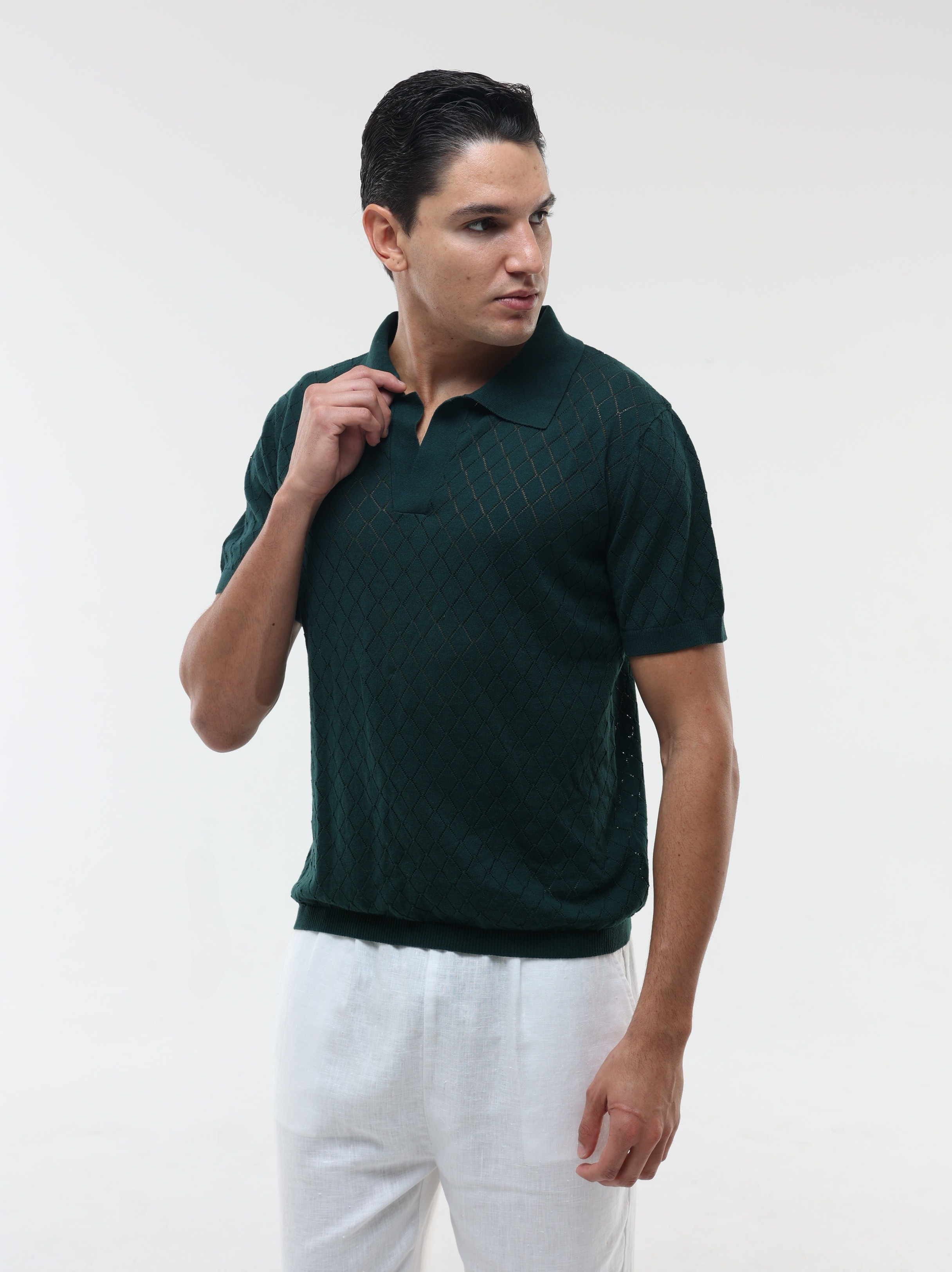
A knit polo is another high-return piece. It carries more presence than a basic tee but feels less formal than a button-up. Wear it with shorts in the afternoon, then switch to trousers after sunset. A plain, well-cut T-shirt still has a role, particularly in white, black, or washed neutral shades, but it works best as part of an outfit rather than the entire plan.
For footwear, two pairs are usually enough: refined sandals for the pool and daytime, plus clean leather sneakers or loafers for the evening. The trade-off is destination-specific. Sandals suit a coastal escape, while a city resort trip may call for sneakers that can handle longer walks. Bring shoes that match at least two looks each.
Build Outfits Around the Day, Not the Occasion
The most effective resort outfits change through small adjustments. A linen shirt can begin open over swimwear, button up for lunch, and tuck loosely into trousers for dinner. The same pair of neutral pants can work with a polo one night and an open-collar shirt the next.
For a poolside afternoon, keep the silhouette uncomplicated: swim shorts, a lightweight shirt, and sandals. If you are leaving the hotel, add a structured tote or a simple cap, but avoid loading the look with accessories. Heat makes excess feel heavier.
For dinner, bring in one sharper element. That might be pleated trousers, a knitted polo, a collared shirt, or loafers. You do not need a blazer for most resort settings, and an overly formal jacket can feel out of place. A lightweight overshirt is often the better layer if temperatures drop indoors or after dark.
Matching sets deserve a place in the conversation. A linen shirt and coordinating trousers or shorts create a long, clean line and make getting dressed almost automatic. The key is proportion. A relaxed set is strongest when the fabric has enough structure and the color is restrained. Keep footwear simple, then let the set carry the look.
Color, Detail, and the Right Amount of Personality
Neutrals make resort packing efficient, but they do not have to feel flat. Use contrast in a controlled way: a dark navy shirt against cream trousers, an olive polo with stone shorts, or black sandals with an all-white outfit. These combinations photograph well, travel well, and stay relevant after the trip.
If you prefer color, choose one accent that works across your edit. Dusty blue, terracotta, muted green, or a soft yellow can bring warmth without making coordination difficult. A printed shirt can be worthwhile if the rest of the outfit is quiet. Pair it with solid shorts or trousers and leave bold prints to one piece at a time.
Details matter most when the outfit is simple. A camp collar changes the mood of a shirt. A textured knit gives a polo more depth. A drawstring waist adds comfort but should still look clean enough for public spaces. These details are subtle, yet they separate resort-ready pieces from basic weekend clothes.
Pack With Repeat Wear in Mind
The goal is not to arrive with a different outfit for every photo. It is to bring clothing you genuinely want to wear again. Before packing, lay out every top with every bottom. If a piece only works one way, it may not earn room in the suitcase.
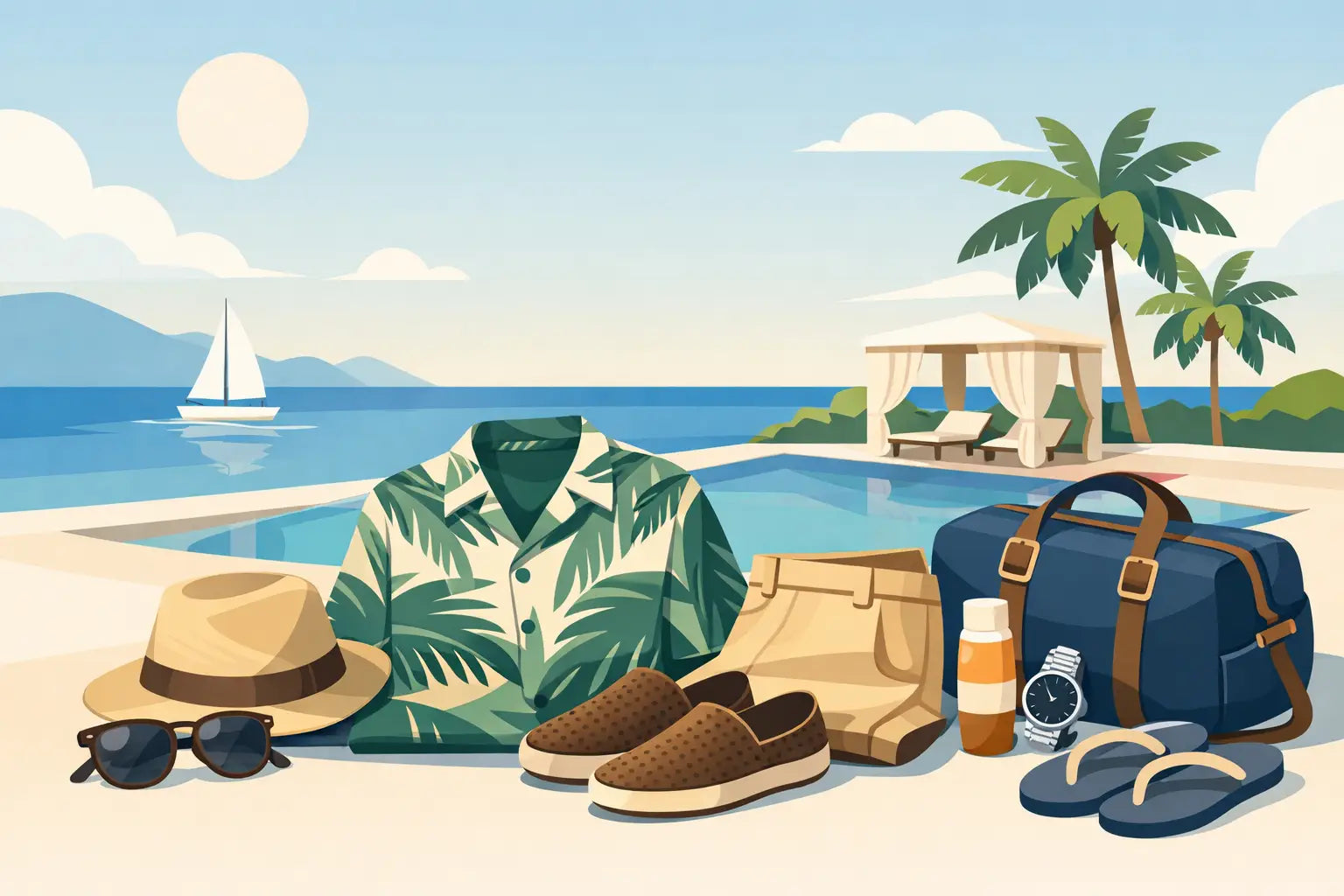
A useful travel edit might include three shirts, two tops, two bottoms, swimwear, and two pairs of shoes, with a light layer added depending on the forecast. This is not a strict formula. A longer stay, a formal resort restaurant, or a cooler evening destination may require more. Still, the principle holds: versatile pieces reduce overpacking and create better outfits.
ZAVI approaches resort dressing with this same sense of purpose: consciously designed pieces in natural, plant-based fabrics that feel light, polished, and made for repeat wear. A well-chosen linen shirt or cotton set should not retire when the vacation ends. It should become part of your warm-weather wardrobe at home.
Choose the pieces that let you slow down once you arrive. When the fabric breathes, the colors work together, and every layer has a reason to be there, getting dressed becomes one less thing to plan.