
Are Natural Fabrics Breathable? What to Know
A shirt can be made from cotton and still feel too warm by noon. A linen dress can feel beautifully cool, or unexpectedly heavy. When asking, are natural fabrics breathable, the useful answer is not simply “yes.” Fiber matters, but so do fabric weight, weave, finish, fit, and the weather outside.
For a wardrobe built around repeat wear, breathability is less about a label and more about how a garment performs from a morning commute to late plans. The right natural fabric creates space between skin and clothing, helps heat escape, and makes warm-weather dressing feel considered rather than compromised.
Are Natural Fabrics Breathable by Default?
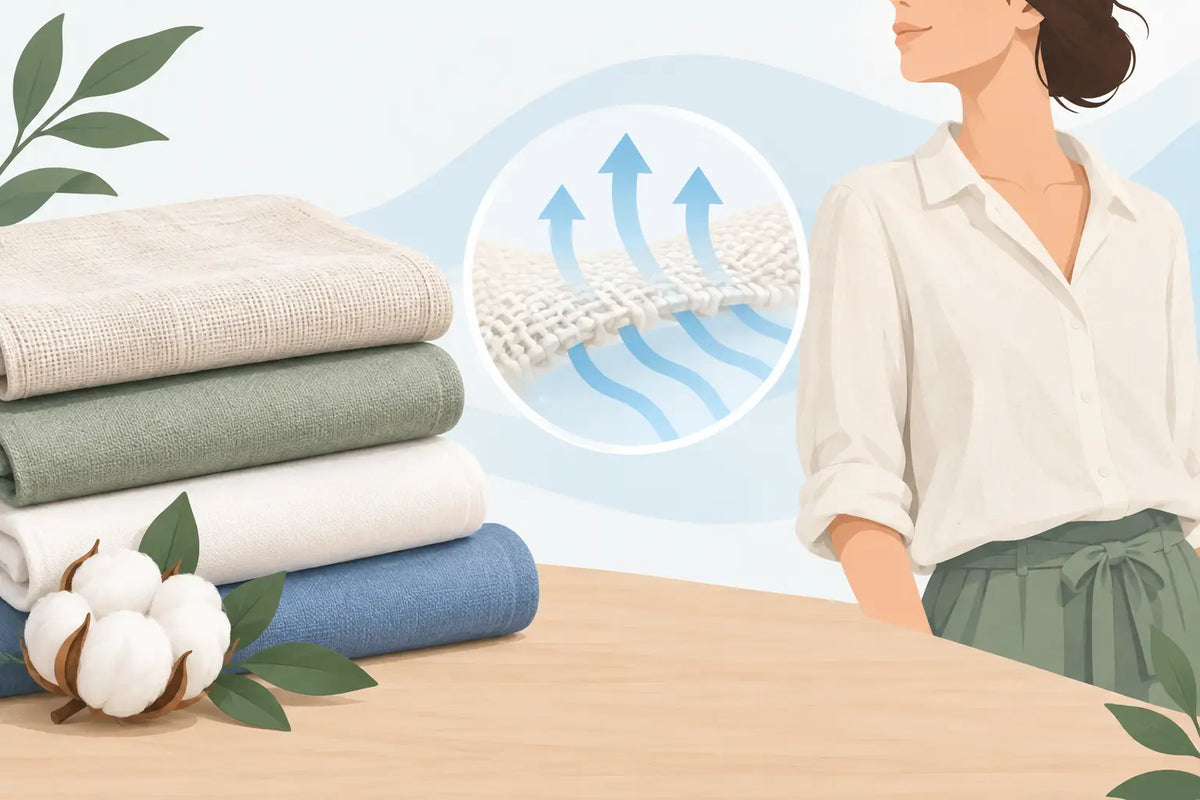
Natural fibers often have a meaningful advantage over petroleum-based synthetics because many can absorb moisture and allow air to move through the fabric. Cotton, linen, hemp, wool, and silk each have their own structure and behavior. That does not mean every garment made with them will feel airy.
A densely woven cotton poplin, for example, is crisp and polished but may feel less ventilated than a lightweight cotton voile. A thick linen blend can offer beautiful structure for trousers or tailoring, yet feel warmer than a loose linen shirt. Breathability is the result of the whole fabric, not just the fiber named on the care label.
There is also a distinction between airflow and moisture management. Airflow is the movement of air through the fabric. Moisture management is how the fabric handles perspiration. The most comfortable pieces tend to do enough of both for the setting you are dressing for.
Linen: The Warm-Weather Standard
Linen is widely loved for hot, humid days because its fibers create a fabric with natural texture and space. It allows air to circulate readily and does not cling as closely to the body as many smooth, synthetic fabrics. It also absorbs moisture without immediately feeling wet against the skin.
The trade-off is part of its character: linen wrinkles. Those creases are not a failure of the fabric. They are a sign of a relaxed, lived-in material that becomes softer over time. For travel, resort dressing, and everyday heat, a linen shirt, wide-leg trouser, or easy dress can make getting dressed feel lighter.
Weight still matters. Fine linen works especially well for shirts, dresses, and layered separates in high temperatures. Midweight linen offers more coverage and shape, making it a strong choice for tailored pants, jumpsuits, and overshirts. Choose according to the silhouette, not just the season.
Why linen can feel cooler
Linen fibers are naturally stiff compared with cotton. That structure helps fabric sit slightly away from the skin rather than collapsing onto it. Combined with a looser weave and an easy cut, it creates the breezy feeling associated with exceptional summer clothing.
Cotton: Versatile, Soft, and Dependent on Construction
Cotton is breathable, familiar, and adaptable. It can be featherlight in a relaxed tee or substantial enough for structured denim, shirting, and workwear. Its ability to absorb moisture makes it comfortable for daily wear, especially in dry heat or climate-controlled spaces.
However, cotton can hold onto that moisture once it is saturated. In very humid conditions or during high activity, a damp cotton garment may take longer to dry and begin to feel heavy. That does not make cotton a poor choice. It simply means the best cotton piece for a city day may not be the best option for a long, active afternoon outdoors.
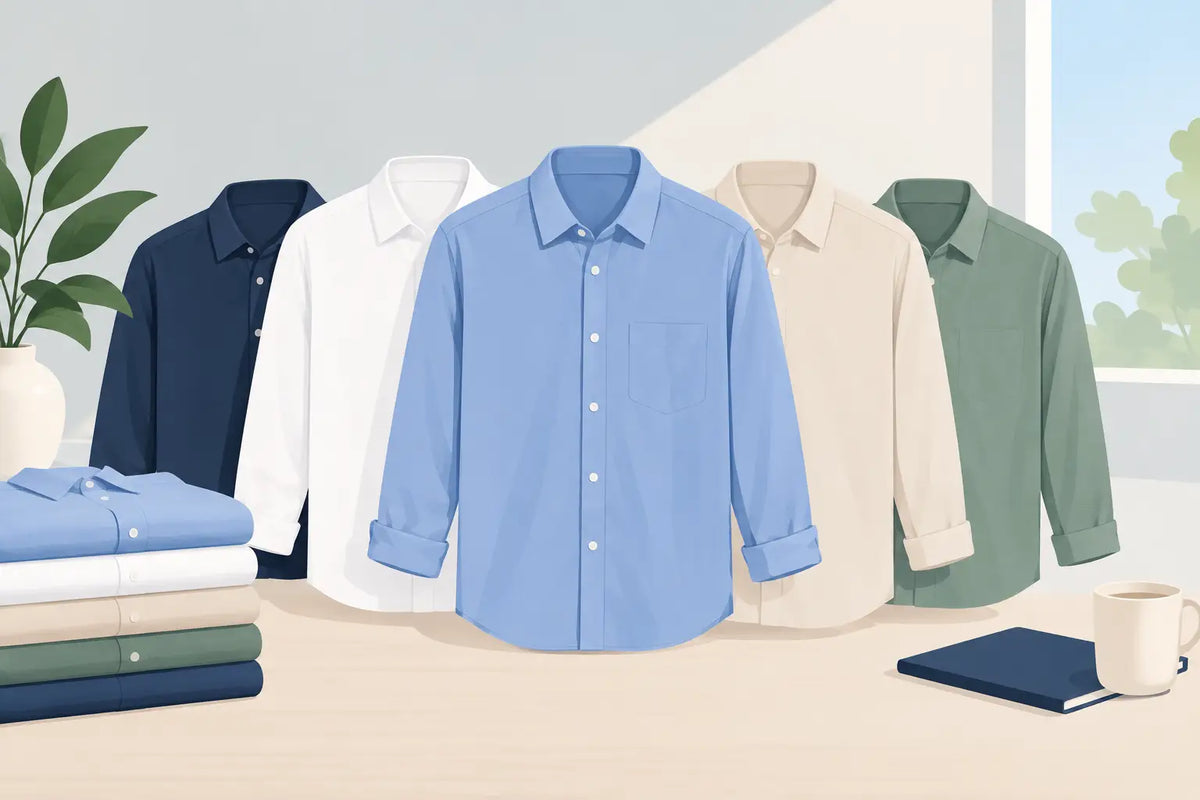
Look beyond the word “cotton.” Lightweight jersey has stretch and softness, but a close fit may reduce airflow. Cotton poplin is clean and refined for office dressing, though its tight weave can feel warmer than gauze. Cotton voile, seersucker, and loosely woven cotton styles generally offer more ventilation. A relaxed cotton button-down, a sleeveless top, or a wide-leg pair of pants can work across settings when cut with room to move.
Other Natural Fabrics Worth Knowing
Hemp has a dry hand feel and excellent potential for airflow. Like linen, it softens with wear and can be especially appealing for casual shirts, relaxed pants, and warm-weather layers. It is often blended with cotton or linen to balance texture, drape, and softness.
Silk is a natural fiber with an elegant drape, but its breathability depends greatly on its weave and weight. Lightweight silk can feel cool and refined against the skin, while satin weaves may feel less airy in humid weather. It is ideal when you want polish without the visual weight of heavier fabrics, though it requires more care than linen or cotton.
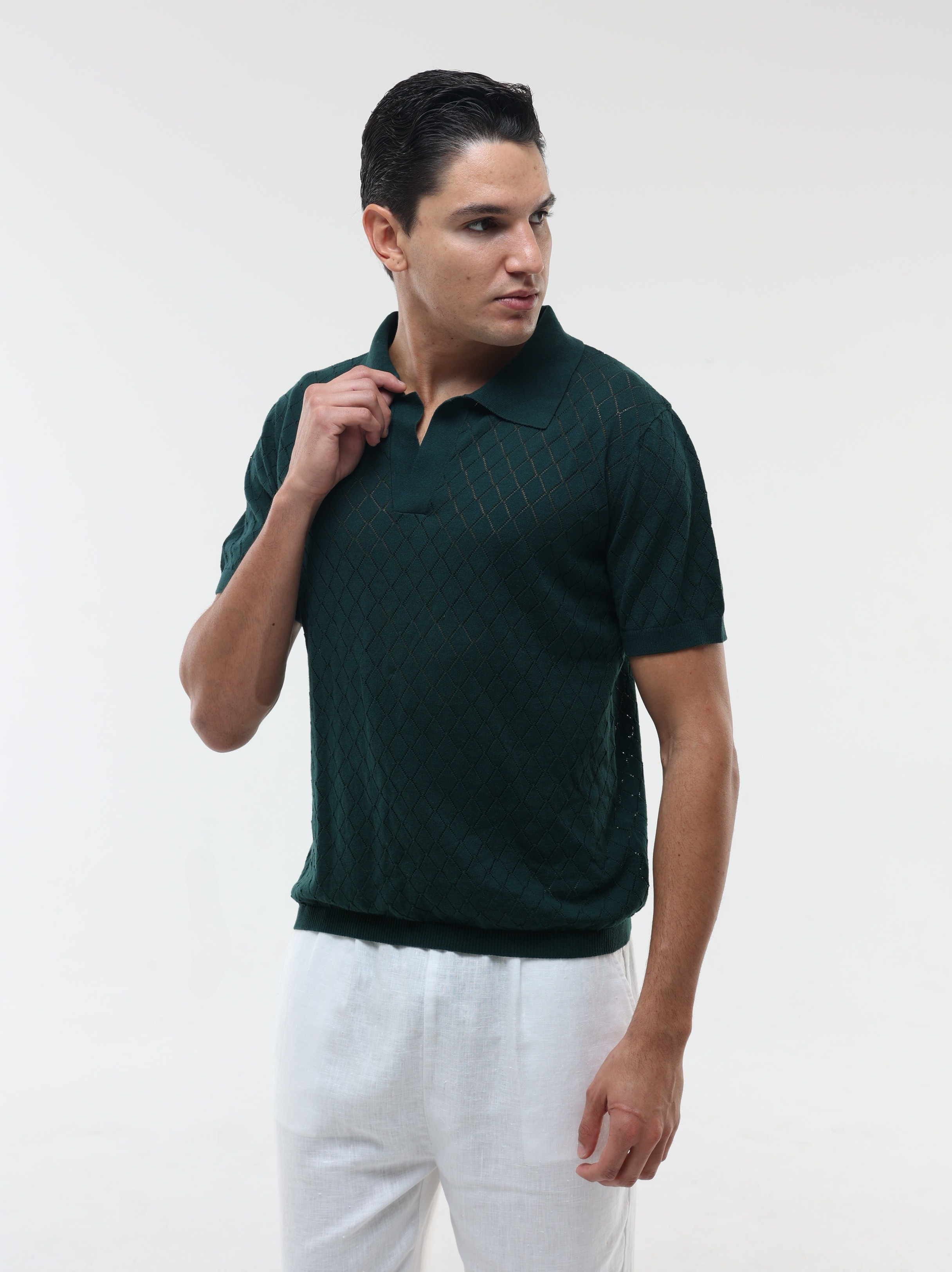
Wool may not be the first fabric that comes to mind for warmth, yet lightweight merino can be highly breathable and effective at regulating temperature. It absorbs moisture vapor and can feel comfortable across changing conditions. For elevated travel layers or a fine knit in air-conditioned spaces, it earns its place well beyond winter.
Fabric Blends: Not a Shortcut, Not a Problem
Blends deserve a more thoughtful reading than “natural good, synthetic bad.” A small amount of elastane can improve recovery in fitted trousers. A blend of linen and cotton can soften linen’s texture while retaining an airy, natural feel. Modal, lyocell, and Tencel are cellulosic fibers made from plant pulp; they are not the same as raw natural fibers, but they can offer a fluid drape and effective moisture handling.
The question is what the blend is designed to do. A high percentage of polyester may reduce breathability, particularly in a heavy or tightly knit fabric. Yet a carefully selected blend can extend a garment’s life, improve shape retention, and make everyday tailoring more practical. Consider the percentage, the garment’s intended use, and how it feels against your skin.
At ZAVI, consciously designed plant-based fabrics are chosen with this balance in mind: pieces should feel polished enough for a full day and comfortable enough to reach for again.
Fit Is Part of Breathability
Even the most breathable fabric loses some of its advantage when it is cut too close to the body. A little ease allows air to circulate, especially through the torso, sleeves, and legs. This is why an oversized linen shirt can feel cooler than a fitted tank made from the same fiber.
That does not mean every warm-weather outfit needs to be loose. A sleeveless cotton poplin top, a softly tailored vest, or a fluid midi dress can offer clean lines while preserving movement. Focus on where fabric sits: a defined waist can work beautifully when the skirt, leg, or sleeve has room.
For workwear, try breathable fabrics in silhouettes that do not rely on multiple tight layers. A linen-blend blazer over a lightweight cotton shell, paired with tailored pants that skim rather than grip, delivers structure without unnecessary heat. The result is modern, composed, and easier to wear through a long day.
How to Read a Fabric Description Before You Buy
Start with fiber content, then look for clues about weight, weave, and shape. Words such as lightweight, airy, gauze, voile, relaxed, loose-fit, and unlined often indicate a cooler-wearing garment. Terms like double-faced, brushed, lined, compact, scuba, or heavyweight signal more structure and potentially more warmth.
Product photos can help, too. Notice whether the fabric holds a sharp shape or falls away from the body. Look for visible texture, light passing through the material, and a silhouette with ease. These details often reveal more about real-world comfort than fiber content alone.
If you live in a hot climate, prioritize linen, lightweight cotton, hemp, and airy blends for the pieces that touch your skin most: shirts, dresses, tops, and pants. Save denser cotton, heavier knits, and lined tailoring for cooler evenings, air-conditioned offices, or transitional months.
Build a More Breathable Everyday Wardrobe
The most useful wardrobe is not made of one “perfect” fabric. It is built from fabrics that suit different demands. Linen brings airflow and texture. Cotton offers softness and everyday versatility. A fluid plant-based fabric can make an evening-ready shape feel less restrictive. Lightweight wool handles changing temperatures with quiet confidence.
Think in outfits, too. A breathable base layer cannot do all the work beneath a heavy jacket. In warm weather, simplify the layers and choose pieces that can stand on their own. A matching set in a light fabric, a crisp shirt with relaxed trousers, or a sleeveless dress with one refined outer layer gives you options without excess.
Let comfort guide the final decision. If a fabric lets you move freely, keeps its distance from the skin, and still looks right after a full day, it has earned a place in your rotation.