
المقال: A Guide to Cotton Poplin Shirts for Every Day
A Guide to Cotton Poplin Shirts for Every Day
A shirt can look sharp at 8 a.m., feel cool through a long commute, and still work for dinner after hours. That is the quiet value of cotton poplin. This guide to cotton poplin shirts explains why the fabric has become a wardrobe essential for people who want structure without stiffness and polish without excess.
Poplin is not a trend fabric. It is a considered choice for repeat wear: clean enough for work, easy enough for weekends, and breathable enough for warm days, travel, and layered looks.
What Makes Cotton Poplin Different?
Cotton poplin is a tightly woven fabric with a smooth, fine surface and a crisp hand feel. It is usually made in a plain weave, with fine yarns crossing evenly over and under one another. The result is lightweight but defined. It holds a shirt collar, placket, cuff, or sculpted sleeve more clearly than a soft jersey or loosely woven linen.
The fabric often feels cool when first worn. It has a neat finish that makes even a simple button-down appear intentional, particularly in white, blue, black, or soft neutral shades. Poplin also tends to have less visual texture than linen, which gives it a more refined, minimal presence.
That crispness comes with a trade-off. Pure cotton poplin can crease, especially after sitting, traveling, or wearing it through a full day. For many, that is part of its natural character. If you prefer a perfectly smooth shirt from morning to night, choose a slightly roomier shape, press it before wearing, or consider a cotton blend where appropriate.
Poplin vs. Oxford, Linen, and Broadcloth
Cotton poplin is often grouped with other shirting fabrics, but the differences affect how a garment wears. Oxford cloth has a more visible basket weave and a slightly heavier, more casual feel. It is ideal for relaxed button-downs and cooler weather, while poplin looks cleaner and feels lighter.
Linen is airy, textured, and naturally relaxed. It is an excellent choice in heat, but its more pronounced wrinkles create an easy, lived-in look. Poplin is better when you want breathable comfort with a sharper outline.
Broadcloth can look very similar to poplin. The names are sometimes used interchangeably, though broadcloth may refer to a closely woven, smooth fabric that can feel a little softer or denser depending on the yarn and finish. The product description matters more than the label alone. Look for fabric composition, weight, and fit before deciding.
How to Choose a Cotton Poplin Shirt
A great poplin shirt starts with proportion. Because the fabric has structure, it makes design details more visible. A precise collar feels crisp. A dropped shoulder reads more relaxed. A voluminous sleeve holds its shape rather than falling flat. Decide whether you want a shirt that works as a base layer, a standalone top, or a light outer layer.
For a more tailored wardrobe, choose a regular fit with shoulder seams that sit close to your natural shoulder line. It should button comfortably across the chest and back without pulling. This version works under blazers, waistcoats, and knitwear, and pairs naturally with tailored trousers.
An oversized poplin shirt offers a different kind of versatility. It can be worn open over a fitted tank, half-tucked into wide-leg pants, or layered over swimwear on a resort day. The key is intentional volume. Look for enough length to create drape, but not so much fabric that the shirt feels shapeless. A curved hem, back pleat, or side slit can help the silhouette move cleanly.
Details are worth noticing. Mother-of-pearl-style buttons, a covered placket, a strong cuff, or a longer back hem may seem small, but they change how often you reach for a shirt. A chest pocket makes a piece feel more casual; a clean front looks more elevated. Neither is better. It depends on where the shirt will work hardest in your wardrobe.
Check the Fiber Content
A shirt described as poplin is not always 100% cotton. Some styles include elastane, polyester, or other fibers to reduce wrinkling or add stretch. These blends can be practical, but they may alter breathability, hand feel, and end-of-life considerations.
For a natural-fiber wardrobe, 100% cotton poplin is a straightforward option. It is breathable, comfortable against skin, and easy to style across seasons. It also deserves care that supports a longer life. Choosing a fabric you will wear often matters more than choosing a garment for one occasion.
Styling Cotton Poplin Shirts for Real Life
The best cotton poplin shirts do not need complicated styling. Their clean finish gives everyday pieces a more composed look.
For work, button a white or soft blue poplin shirt into tailored trousers. Add a blazer when the setting calls for it, or leave the shirt untucked with straight-leg pants for a less formal office. A tucked shirt creates definition at the waist; an open collar keeps the result relaxed.
For an elevated off-duty look, wear an oversized shirt with denim or wide-leg cotton pants. Roll the sleeves once or twice, then balance the volume with a closer-fitting tank or a simple ribbed top underneath. Neutral footwear and a structured bag keep the outfit focused.
For warm-weather travel, use poplin as a lightweight layer rather than a formal shirt. Wear it open over a tank and relaxed shorts, or choose a matching poplin set for an outfit that looks pulled together without feeling overdone. A longline shirt can also work as a light cover-up when the day moves from poolside to lunch.
For evening, poplin responds well to contrast. Pair a crisp black or white shirt with fluid trousers, a satin skirt, or tailored shorts. The fabric's matte structure grounds pieces with shine or drape. Keep accessories selective. A clean shirt already brings enough definition.
Care That Keeps Poplin Crisp
Poplin is easy to care for, but a few habits will preserve its smooth feel and shape. Turn the shirt inside out before washing to reduce surface friction, then use a cool or warm gentle cycle with similar colors. Avoid overloading the machine, which creates deeper creases and can stress buttons and seams.
Air-drying is the lower-impact choice and helps protect cotton fibers over time. Remove the shirt while it is still slightly damp, reshape the collar and placket with your hands, and hang it on a proper hanger. If you use a dryer, choose low heat and take the shirt out promptly.
For the cleanest finish, iron while the fabric is slightly damp. Start with the collar and cuffs, then move to the sleeves and body. Steam also works well for softening everyday wrinkles, though it will not create the same pressed definition as an iron. There is no need to press every crease out of an oversized or casual style. Let the intended silhouette guide the finish.
Store poplin shirts buttoned on hangers rather than tightly folded whenever possible. This protects the collar and reduces crease lines. If packing for a trip, fold along the shirt's natural seams and place it near the top of your bag. A quick steam on arrival usually restores its shape.
A More Considered Shirt Wardrobe
A cotton poplin shirt earns its place through range. One well-chosen style can move between workwear, weekend dressing, travel, and events simply by changing what surrounds it. That versatility can also help reduce the impulse to buy separate pieces for every setting.
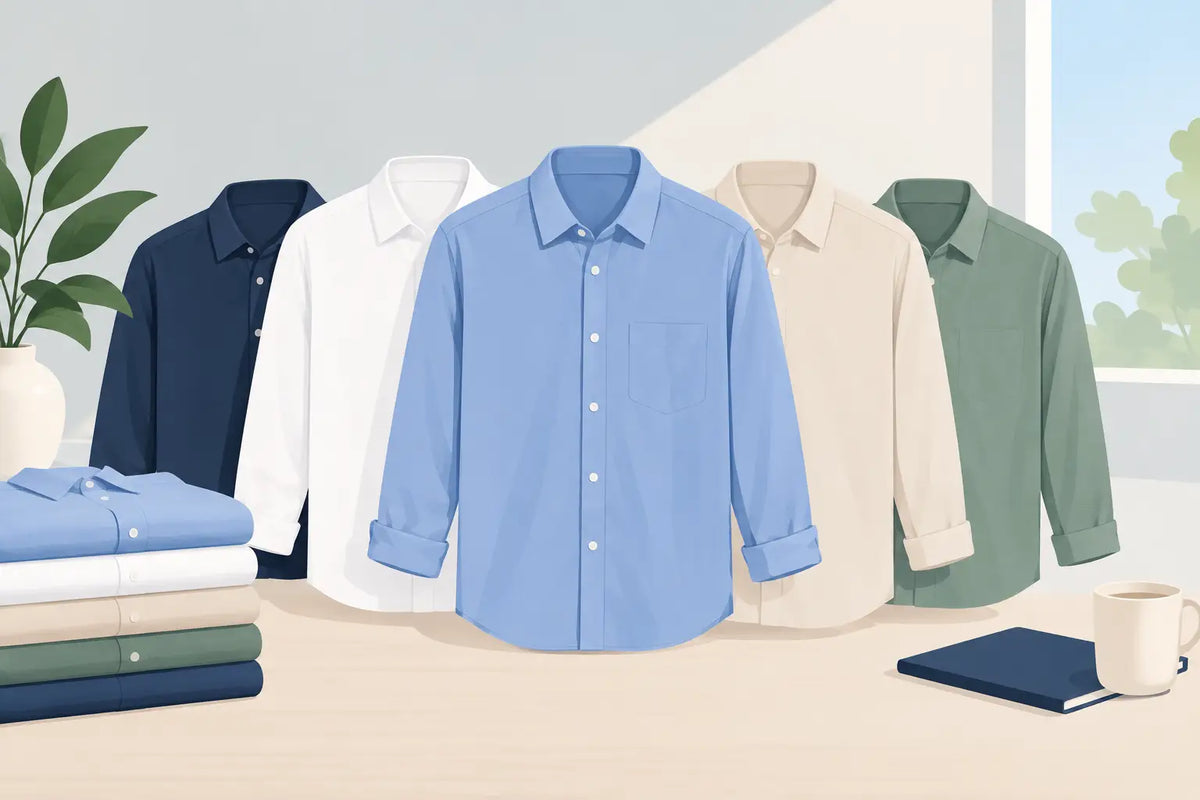
Consider starting with the color you will wear most. White is classic but requires regular care. Blue feels equally versatile and can be slightly more forgiving. Black offers a modern, evening-ready option, while warm ivory, stone, or muted stripes create softness without losing the clean look that makes poplin useful.
Then buy for your actual routine. If you wear blazers and trousers often, a regular-fit shirt with a neat collar will deliver more value than an exaggerated oversized shape. If you spend more time in relaxed sets, denim, and sandals, a generous shirt with a longer hem may become the piece you wear on repeat.
The most useful shirt is not the one that stays perfectly pressed in the closet. It is the one that feels right when you put it on, works with what you already own, and improves with every wear.