
The Future of Workwear Is Made to Move Every Day
The future of workwear is not a return to stiff suits or an office full of identical casual basics. It is a more considered middle ground: polished enough for a meeting, comfortable enough for a full day, and versatile enough to stay on after the laptop closes. For professionals building wardrobes with intention, the best pieces now earn their place through movement, material, and repeat wear.
What we wear to work has become more personal, but the need to look prepared has not disappeared. A relaxed blazer, wide-leg trouser, crisp cotton shirt, or refined matching set can communicate the same clarity as traditional tailoring without asking the wearer to sacrifice comfort. The shift is not toward dressing down. It is toward dressing with more purpose.
The Future of Workwear Starts With Flexibility
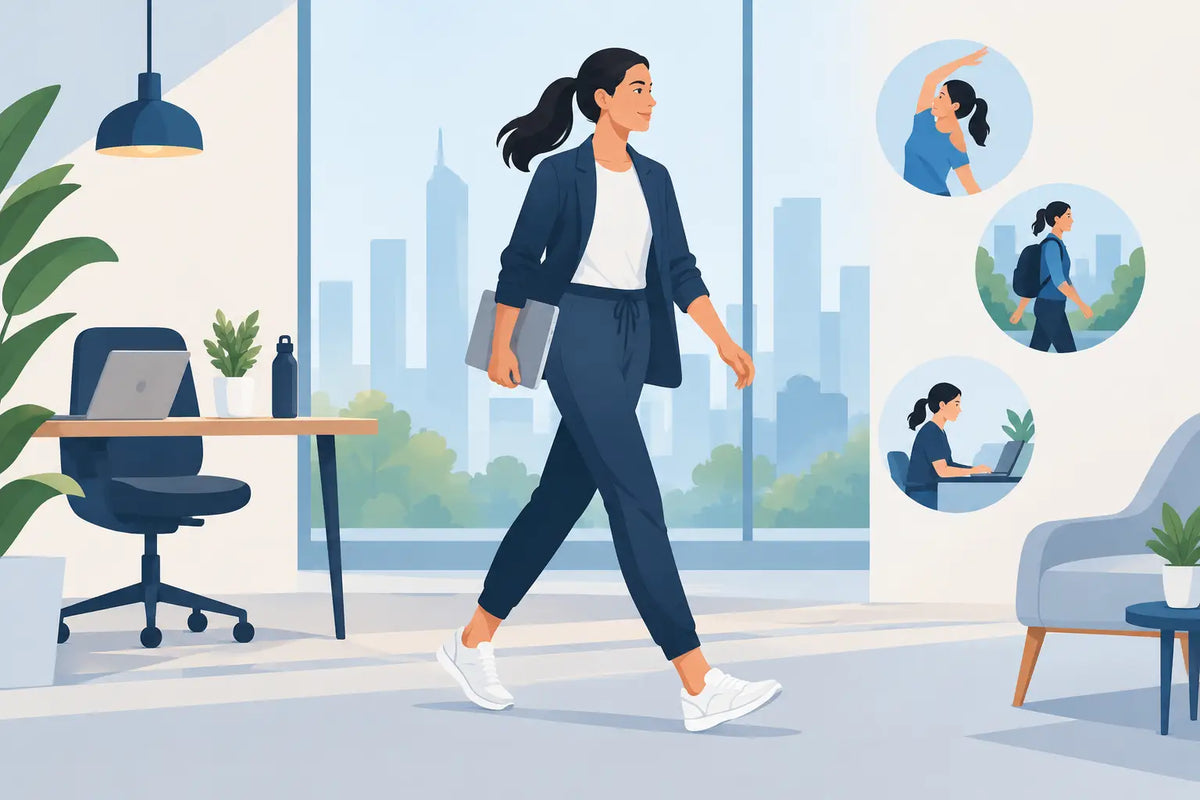
Work no longer happens in one setting. A day might begin at a kitchen table, continue in a client meeting, and end at dinner across town. Clothing has to hold its shape and its relevance through all of it.
This is why separate pieces are becoming more valuable than one-note outfits. A tailored waistcoat can sharpen a soft cotton tee. A relaxed linen blazer can work over a matching set for a presentation, then over denim for the weekend. Trousers with a clean, fluid line can feel more elevated than leggings while offering far more ease than restrictive formal pants.
The strongest workwear wardrobes are not built around a different look for every occasion. They are built around silhouettes that can be restyled. This approach makes getting dressed quicker, but it also creates a more personal uniform. When the cut, color palette, and fabric feel right, repetition looks intentional.
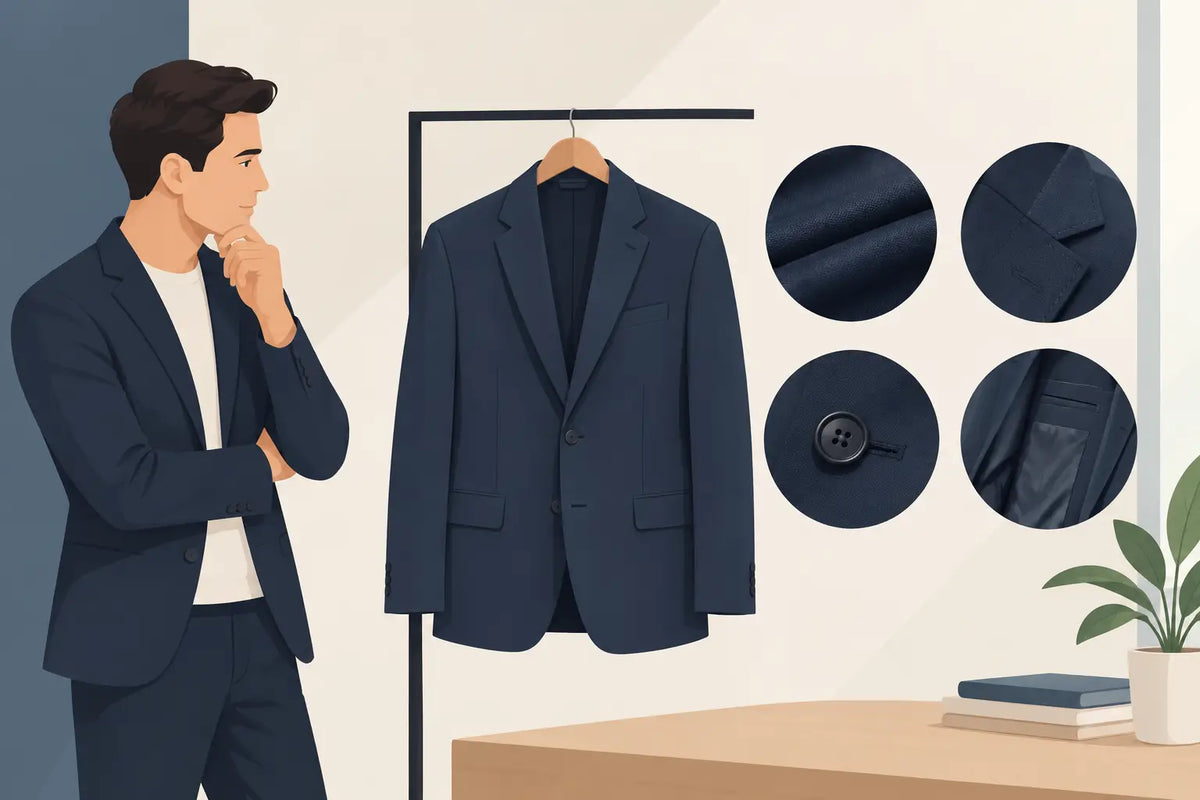
There is still a place for more formal dressing. Certain offices, industries, and events call for sharper structure. The difference is that formality no longer needs to mean discomfort. A well-cut blazer in breathable fabric, paired with a refined shirt and tailored trouser, can meet the moment without feeling like a costume.
Natural Fabrics Will Define Better Workwear
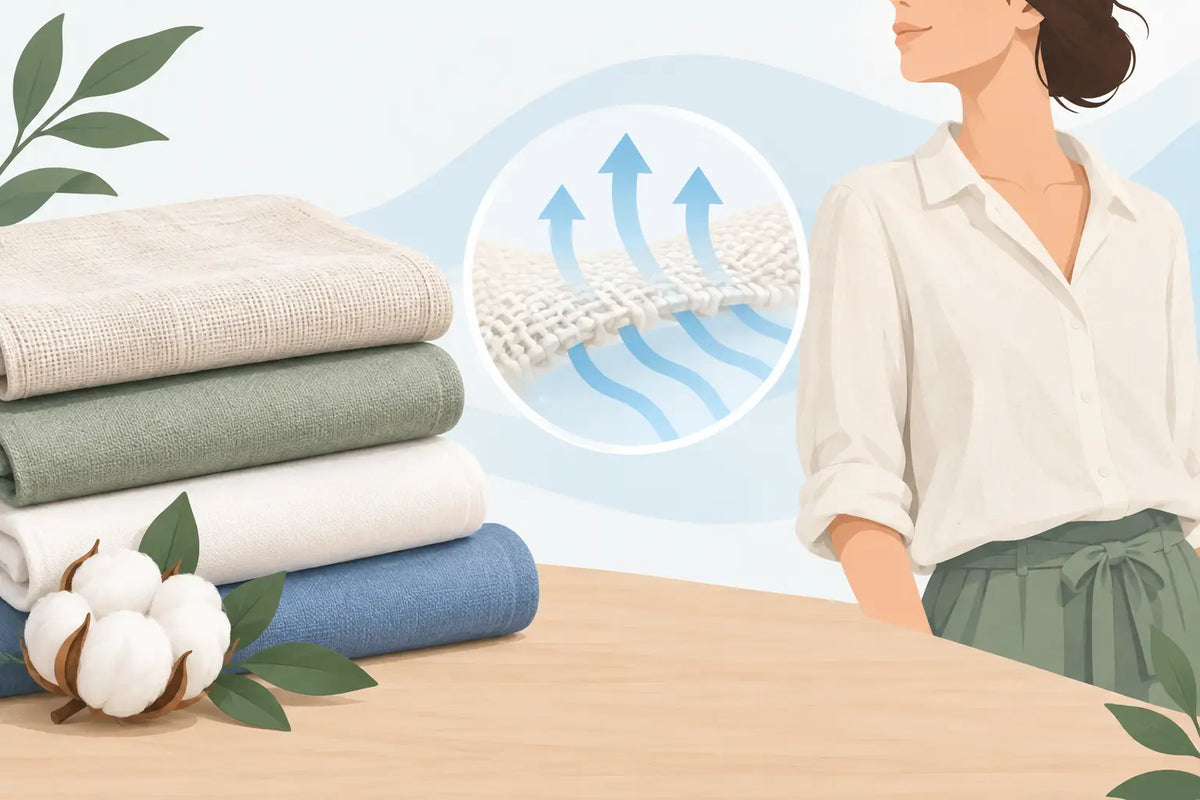
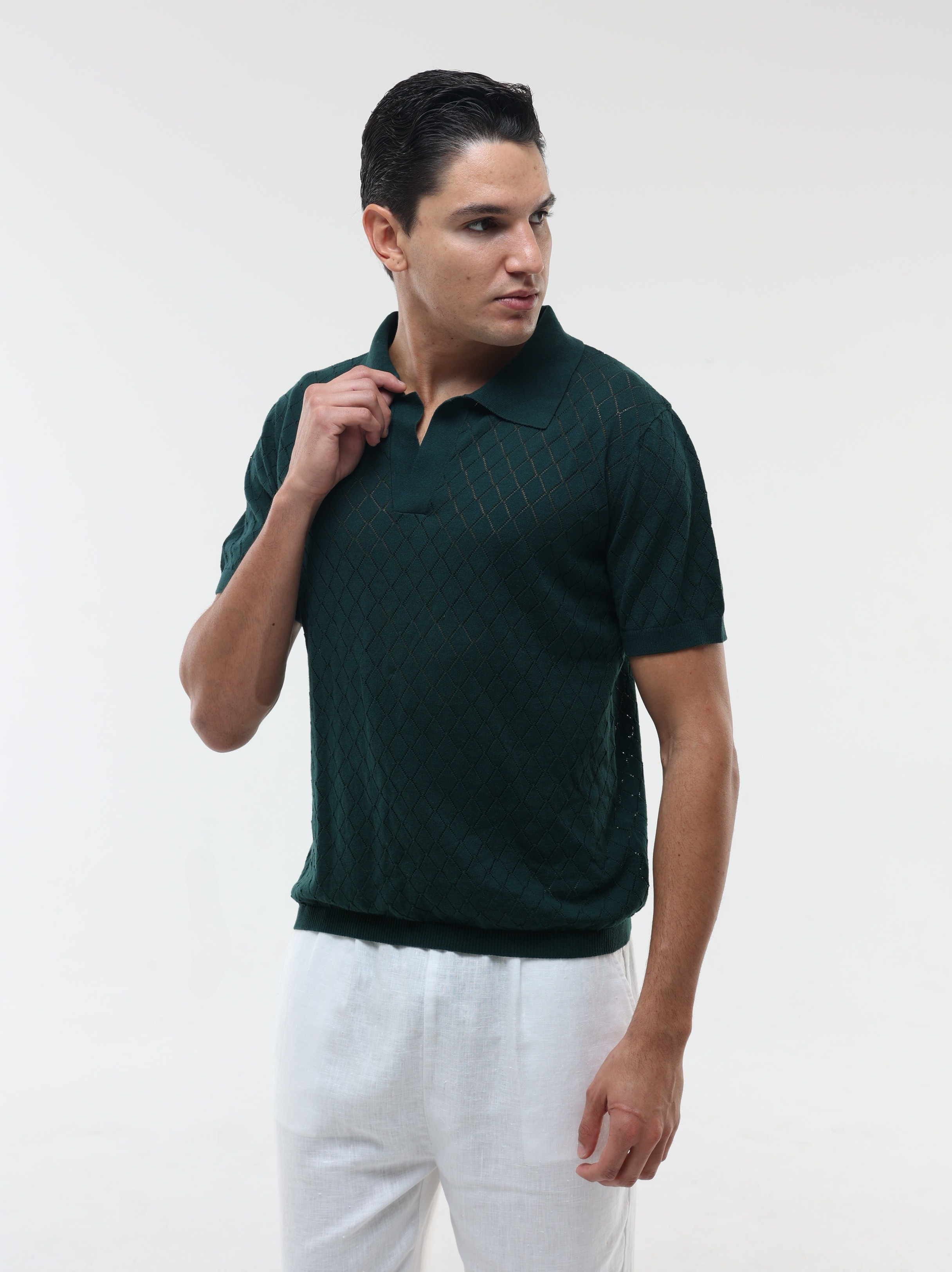
Fabric is becoming the real marker of quality. As people spend longer days in their clothes, texture, breathability, and ease of care matter as much as the silhouette. Natural and plant-based fabrics offer a practical answer, especially for warm commutes, air-conditioned offices, travel, and long days on the move.
Linen brings a relaxed, quietly confident finish to workwear. Its natural texture gives simple shapes dimension, so a linen shirt or blazer can feel complete without excessive styling. It does wrinkle, and that is part of its character. For highly formal environments or days when a perfectly crisp finish is essential, linen may be better as a blend or reserved for less structured pieces.
Cotton is equally central. A substantial cotton poplin shirt, soft jersey top, or twill trouser can provide the clean lines associated with traditional office dressing while feeling easier against the skin. The key is construction. Lightweight cotton is ideal for layering, while denser cotton offers more shape and coverage.
The future will not be defined by one fabric alone. Performance materials can be useful for rain, cycling, or demanding commutes, and blends can improve recovery and durability. Still, the direction is clear: buyers want to know what they are wearing, how it feels, and whether it will remain useful beyond one season. Material choice is no longer a background detail. It is part of the decision.
Tailoring Is Becoming Softer, Not Less Precise
Soft tailoring is one of the most useful changes in modern dressing. It keeps the visual confidence of a structured outfit but removes the unnecessary rigidity. Think lightly constructed blazers, relaxed shoulders, straight-leg pants, drawstring waists finished with clean tailoring, and waistcoats that can be worn as a top or layered piece.
This does not mean every garment should be oversized. Proportion still matters. A relaxed blazer looks most refined when the shoulder sits well and the sleeve length feels considered. Wide-leg trousers need the right break at the shoe. A loose shirt benefits from a tucked, half-tucked, or open-layered styling choice depending on the setting.
Fit is where personal style meets practicality. Some people prefer a more modest, elongated silhouette with longer shirts and fluid layers. Others feel most confident in a fitted waistcoat and tailored pants. Both can work in a modern professional wardrobe. The goal is not to follow a single office dress code. It is to choose shapes that make you feel composed without limiting how you move.
Workwear Must Work Beyond Work
The most responsible purchase is often the piece you will wear often. That makes day-to-night potential more than a styling convenience. It is a better way to build a wardrobe.
A neutral co-ord can be worn together for a polished effect or separated across several looks. Pair the pants with a knit top one day, then wear the matching shirt with jeans or a skirt another. A midi dress can be office-ready with a blazer and easy for evening with simple accessories. A jumpsuit can reduce the morning decision to one piece while still looking intentional.
Color plays a role here. Black, ivory, navy, sand, olive, and chocolate make frequent styling easier because they work across seasons and categories. That does not mean a wardrobe must be colorless. A controlled accent color or subtle print can bring energy, particularly when the base pieces are simple. The useful question is not whether an item is trendy. It is whether it can be worn in at least three believable ways.
Sustainability Will Be Measured by Repeat Wear
Sustainability in workwear should feel visible in the choices, not attached as an afterthought. Natural fabrics, thoughtful production, and lower-impact materials matter. So do longevity, care, and the number of times a garment is actually worn.
A lower-impact fabric does not automatically make a piece a responsible buy if it spends most of its life unworn. Conversely, a well-made shirt or trouser that becomes part of a weekly rotation can have real value. This is why fewer, better pieces remain a useful principle, provided better means right for your life rather than simply more expensive.
Care extends a garment's life. Wash cotton and linen only when needed, use cooler cycles where appropriate, and air-dry when possible to protect fibers and shape. Small repairs, such as replacing a button or reinforcing a hem, are worth making when the underlying piece still fits well. These habits are not dramatic, but they are what turn a good wardrobe into a lasting one.
Build a Workwear Wardrobe Around Real Life
Start with the rhythms of your actual week. If you commute in heat, prioritize breathable shirts, relaxed trousers, and lightweight layers. If your role includes presentations, choose a blazer or waistcoat that can instantly create a more defined silhouette. If your work is mostly remote, focus on tops that look polished on screen and bottoms comfortable enough for uninterrupted wear.
A small foundation can carry a great deal: two shirts in breathable fabrics, one refined tee or knit, one blazer, two pairs of tailored pants, and a matching set or dress that solves busy mornings. From there, add pieces based on genuine gaps rather than passing pressure to refresh everything at once.
The right workwear should make the day feel less complicated. Choose fabrics you want to live in, shapes you can return to, and pieces that remain useful when the meeting ends. That is where a more thoughtful wardrobe begins.