
Sustainable Workwear That Looks Expensive
You know the moment - you step out of a rideshare, walk into the lobby, and feel the air conditioning hit. Your outfit has to do two jobs at once: look polished under fluorescent office lights and stay breathable from commute to conference room. That is where sustainable workwear earns its place. Not as a “good deed” outfit, but as the smarter version of what you already wear.
Sustainable workwear for women is not one aesthetic. It is a set of decisions - fabric, construction, care, and how often you will actually rewear the piece. The goal is simple: fewer items, better made, worn harder.
What “sustainable workwear for women” really means
Sustainability gets oversold when it is treated like a label instead of a standard. In workwear, the most useful definition is practical: garments designed to last, made with lower-impact materials, and chosen for repeat wear.That can mean plant-based and natural fibers like linen and cotton. It can mean tighter editing so you stop buying “almost right” pieces that sit in your closet. It can also mean choosing silhouettes that do not expire after one season.
There are trade-offs. Natural fabrics breathe and age beautifully, but they can wrinkle. Some blends reduce wrinkling and add durability, but synthetics can shed microfibers and may not feel as comfortable in heat. Sustainability is not one perfect checkbox - it depends on your climate, your work dress code, and how you care for your clothes.
Start with fabric - because comfort is the point
Workwear is usually worn for long stretches: commutes, meetings, lunches, travel days, and then whatever happens after. If the fabric does not breathe, move, and recover, it will not last in your rotation.Linen: the warm-weather power move
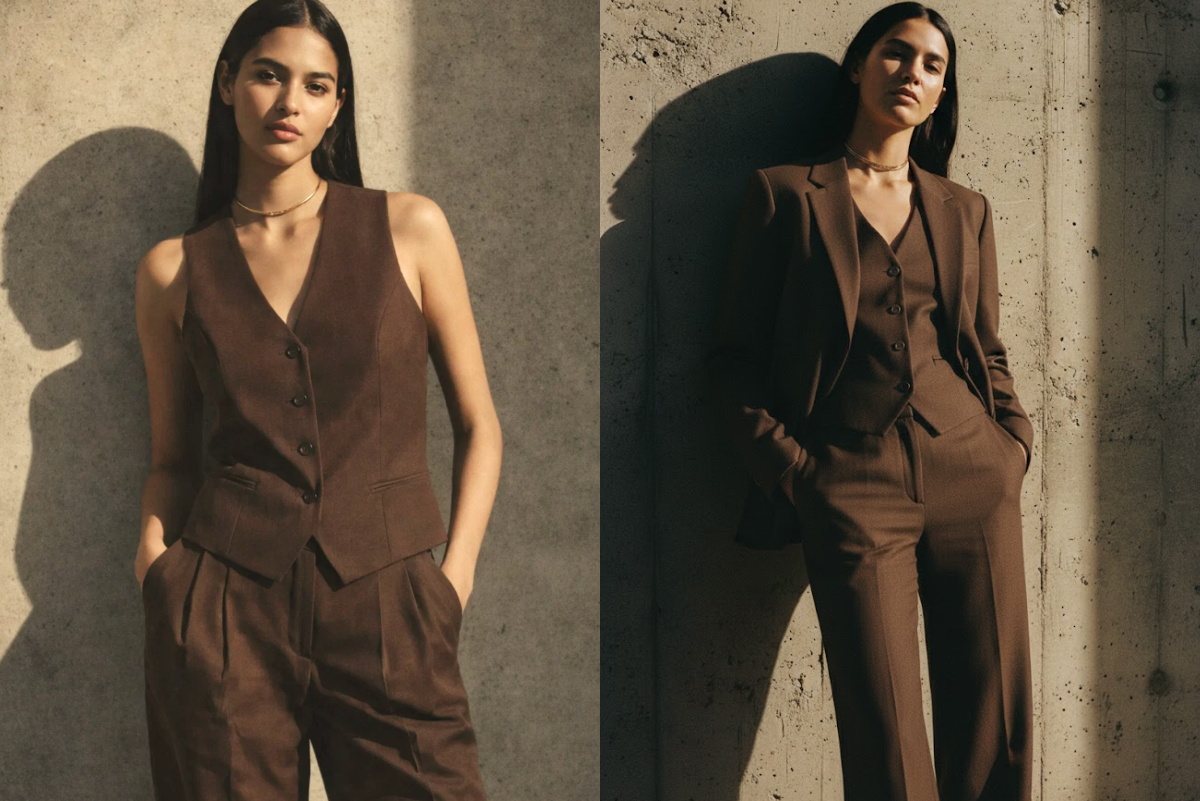
Linen is the easiest upgrade for professionals in warm climates or for anyone who runs hot. It is breathable, naturally textured, and looks intentional even when styled simply.The nuance is wrinkles. If your office expects crisp, pressed perfection all day, pure linen may feel too relaxed. But if your workplace leans modern or business casual, that soft rumple reads effortless, not messy. A linen blazer, wide-leg linen trouser, or linen waistcoat can look sharp when the fit is clean and the color palette is minimal.
Cotton: the year-round foundation
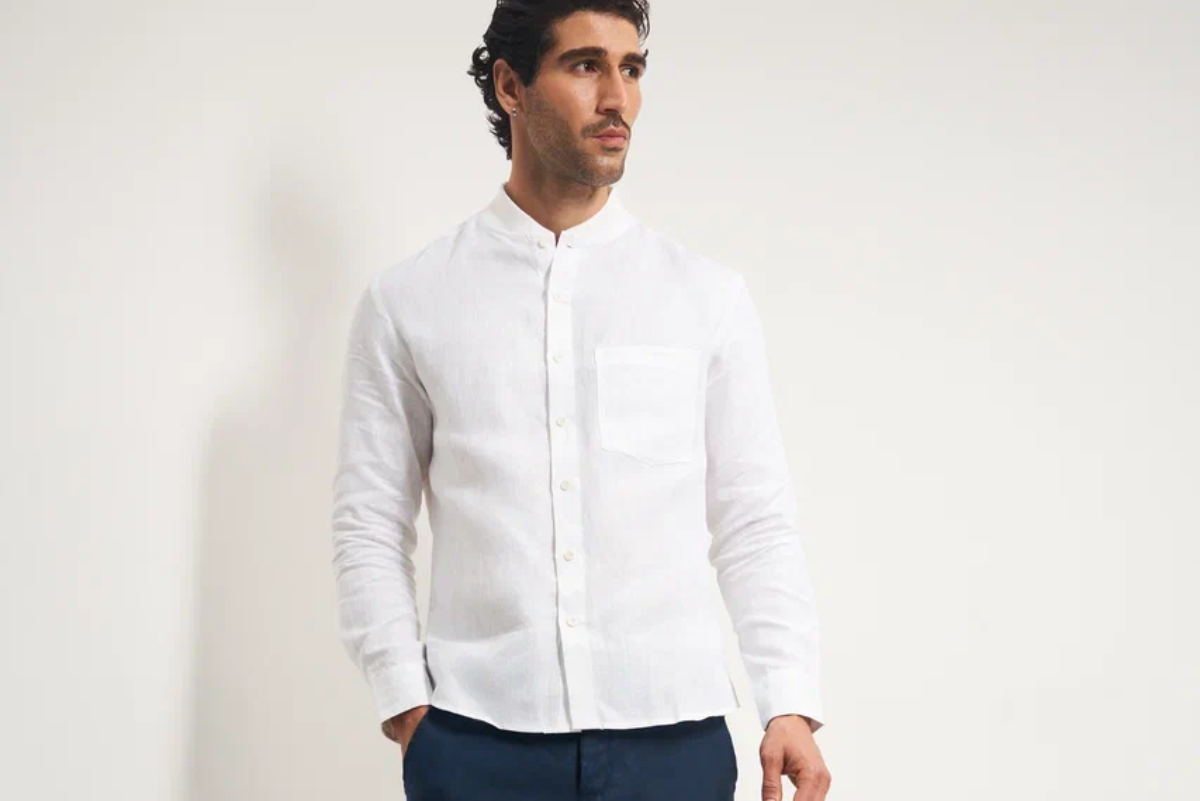
Cotton is the closet workhorse for shirts, tailored tops, and structured everyday pieces. It holds color well, feels familiar, and can handle frequent laundering.For workwear, cotton shines when it is not flimsy. Look for a fabric that has enough weight to skim the body instead of clinging, especially in lighter colors. Cotton poplin shirts and polished cotton tops layer easily under blazers without adding bulk.
Plant-based blends: sometimes the best compromise
Not all blends are the enemy. A small percentage of a performance fiber can help reduce wrinkling or improve recovery in trousers that see heavy wear. The key is intention. If the blend makes the piece more wearable and more likely to be reworn weekly, it can be the more sustainable choice for your real life.Build a sustainable workwear capsule that actually gets worn
A work capsule is not about owning the fewest items. It is about owning the right items - the ones that form outfits without effort.Instead of chasing new “work looks,” build around a tight color story. Neutrals do the heavy lifting: black, white, cream, sand, navy, and soft gray. Add one accent color if it matches your wardrobe and your workplace. When the palette is edited, you repeat pieces without anyone noticing - because the outfits keep changing.
1) The blazer that holds the room
A blazer is still the fastest way to look put-together, even if you are wearing a simple tank or tee underneath. For sustainability, prioritize a blazer you will reach for weekly.Fit matters more than trend. Look for a shoulder line that sits cleanly, sleeves that can be pushed up without fighting the fabric, and a length that works with both trousers and dresses. If you work in a conservative office, a classic lapel and single-breasted shape is safest. If your environment is more modern, a relaxed blazer in a natural fabric can read elevated without feeling corporate.
2) Trousers with repeat value
Sustainable workwear lives or dies by the trouser. If it is uncomfortable at 2 p.m., you will stop wearing it.Choose a rise that feels secure when you sit, and a leg shape that balances your proportions. Straight-leg and wide-leg silhouettes tend to have the longest shelf life. They also pair easily with shirts, knits, and waistcoats.
If you are building a small wardrobe, pick one trouser that is meeting-proof (structured, clean lines) and one that is travel-proof (breathable, forgiving, less prone to creasing). Sometimes those can be the same pair, but not always.
3) Shirts and tops that do not need explaining
The best work tops are quiet. They hold their shape, layer cleanly, and look polished with minimal styling.A crisp cotton shirt is a staple for a reason. But do not stop there. A refined sleeveless top in a natural fabric can carry you through summer and layer under a blazer when you need coverage. The goal is to avoid fussy details that limit your styling - if it only works with one bra, one necklace, and one trouser, it will not earn its cost per wear.
4) The dress that replaces an entire outfit
A well-cut dress is the most efficient workwear purchase you can make. One piece, instant polish.For sustainability, choose a dress that works across settings: meetings, client lunches, and travel. Minimal lines, a modest neckline, and a length you can sit in comfortably. Add a blazer for formality, or wear it alone in warmer months.
5) Matching sets for fast mornings
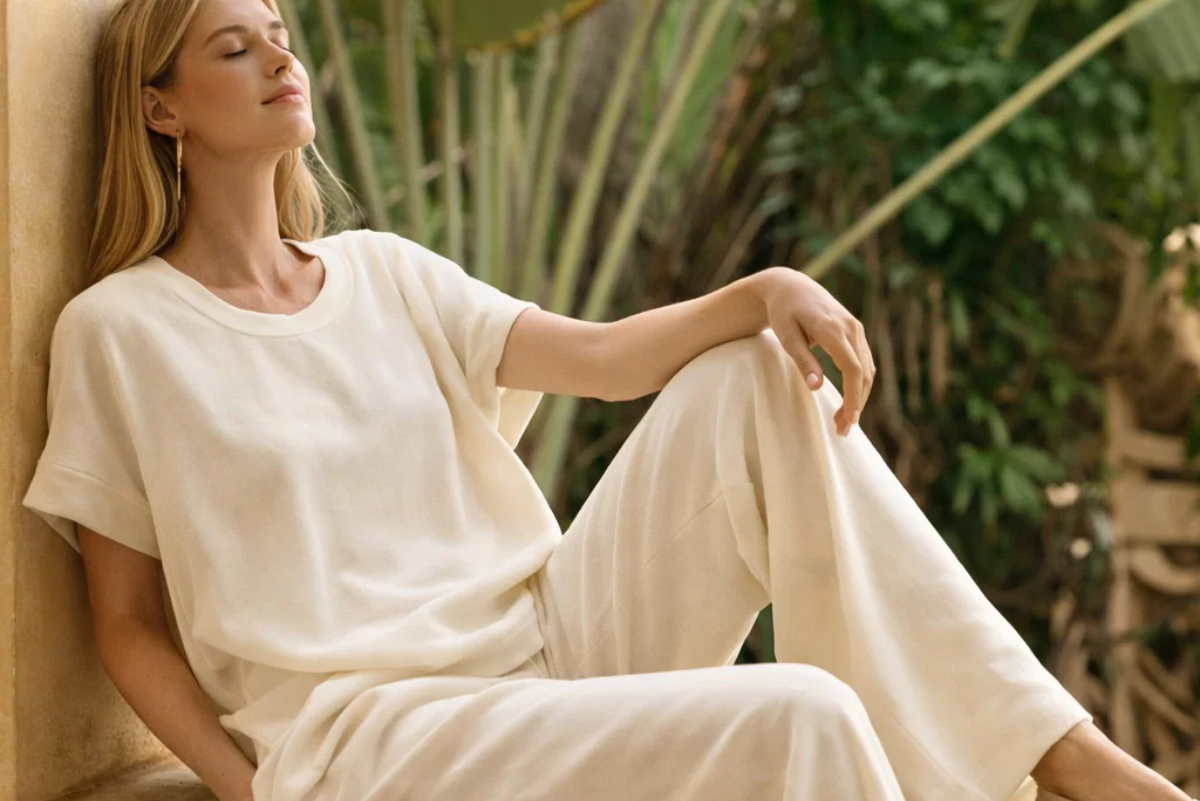
Co-ords and matching sets are the modern professional uniform - especially when you want to look intentional without overthinking.A vest-and-trouser set or a top-and-bottom set in a natural fabric can be worn together for impact, then split apart for variety. That flexibility is where the sustainability lives.
What to look for beyond the fabric tag
Fabric is only one part of the story. If you want pieces that last, pay attention to construction and usability.Seams should lie flat and feel secure. Buttons should not strain when you move. Waistbands should sit comfortably without constant adjustment. Pockets - real pockets - change how often you wear a garment.
Also consider care. A piece that demands dry cleaning every week may not fit a sustainable routine. On the other hand, if dry cleaning helps a tailored item keep its shape for years, that can be worth it. The best rule is honesty: buy what you will maintain.
Styling that keeps your wardrobe small and your outfits strong
Sustainable workwear is easier when you stop relying on novelty. Focus on silhouette, proportion, and repetition.If your trousers are wide-leg, keep your top cleaner and closer to the body or slightly cropped. If your shirt is oversized, pair it with a straighter trouser. When everything is loose, the look can drift casual unless the fabric is structured and the styling is precise.
Shoes and bags do a lot of the work. One sharp flat or low heel and one clean tote can make the same outfit look different across days. Jewelry can be minimal - a consistent “uniform” set that you wear on repeat is both elegant and efficient.
Shopping smarter: how to avoid “sustainable” impulse buys
The biggest sustainability win is not buying something you will not wear.Before you check out, ask two questions. Can you name at least three outfits with items you already own? And will you wear it in the next seven days? If the answer to either is no, it is probably not a workwear essential - it is just new.
Also be realistic about your office. If you work hybrid and only go in twice a week, you do not need five new work outfits. You need two to three strong outfit formulas that you can rotate confidently.
For a modern, minimal approach to consciously designed pieces in plant-based and natural fabrics, ZAVI keeps work-ready categories tight and wearable at https://Www.shop-Zavi.com.
The trade-offs are real - here is how to choose anyway
If you love linen but hate wrinkles, pick linen for trousers and skirts where texture feels natural, and choose cotton for shirts that need crispness. If you need stretch because your day involves movement, consider a small-blend trouser and balance it with natural-fiber tops.If your office is formal, sustainability may look like perfecting a uniform: two blazers, two trousers, five tops, one dress. If your office is creative, sustainability might look like elevated sets, relaxed tailoring, and breathable fabrics that carry you from desk to dinner.
No single fabric or brand solves it. The best sustainable workwear for women is the wardrobe you can repeat without boredom - because it fits, it feels good, and it looks like you.
Choose pieces that make getting dressed feel clean and decisive. Then wear them hard, care for them well, and let repetition become your signature.