

Why the zavi official store stands out
You can usually tell within a few clicks whether a fashion store understands how real wardrobes work. The zavi official store feels built for repeat wear, not one-time outfits - with clean lines, intentional categories, and consciously designed pieces that move easily from work to weekends, travel, and everything between.
That distinction matters. A lot of online fashion looks polished in a campaign and fragmented in your closet. The difference here is in the edit. Instead of asking shoppers to chase novelty, the store centers modern essentials with enough shape, texture, and category depth to build outfits that feel current without becoming disposable.
What makes the zavi official store different
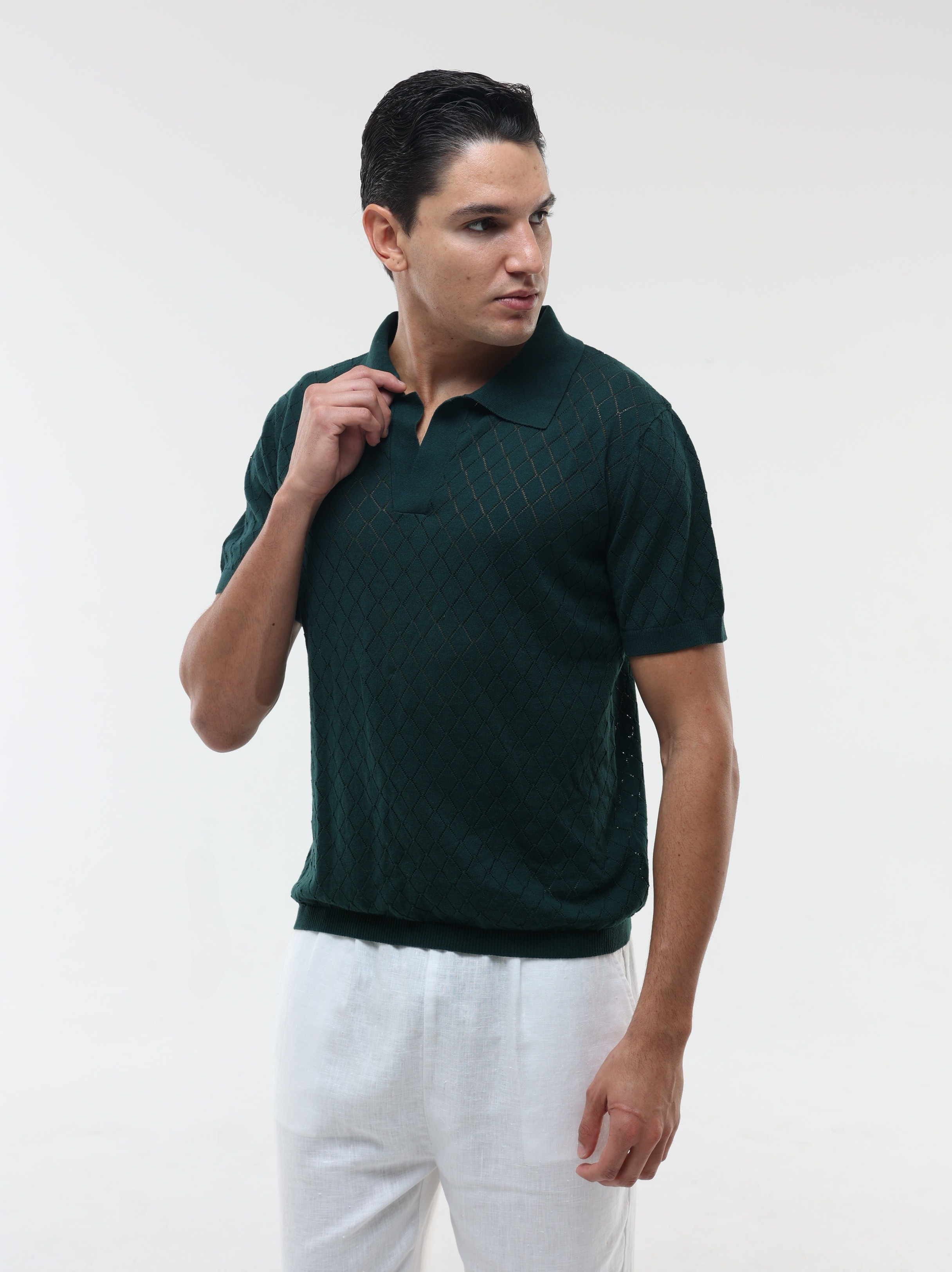
The first thing that stands out is restraint. The assortment is broad, but it is not chaotic. You see the categories that matter for an elevated everyday wardrobe - tops, shirts, trousers, dresses, jumpsuits, jackets, blazers, polos, sweatshirts, waistcoats, and matching sets - presented in a way that supports outfit building rather than endless scrolling.
This is a major advantage for shoppers who already know how they dress. If you buy with purpose, you do not want to sort through trend clutter to find a breathable button-down, a tailored trouser, or a matching set that can work across multiple settings. You want a store that respects your time and your taste. That is exactly where a minimal, commerce-first structure works best.
There is also a stronger point of view behind the product mix. The store does not frame sustainability as a side story. It shows up in the foundation of the assortment through plant-based and natural fabrics such as linen and cotton, materials that make sense for everyday comfort, warm-weather dressing, and longevity. That choice feels practical, not performative.
A wardrobe built around repeat wear
Some brands sell categories. Better brands sell combinations. The zavi official store is effective because it supports the way modern shoppers actually get dressed.
A blazer is not just a blazer. It has to work over a sleeveless top for the office, with trousers for meetings, and with denim or relaxed bottoms after hours. A dress should handle daytime plans with flats and shift easily into evening with cleaner accessories. A matching set should look finished in minutes, but still break apart into useful separates. When a store is structured around these realities, shopping becomes simpler and the wardrobe becomes stronger.
That is where the brand's modest, modern, minimal lens matters. It creates continuity across categories. Pieces are easier to pair, layering feels intuitive, and the overall closet becomes more useful. For shoppers trying to build a capsule mindset without sacrificing style, that balance is hard to find.
Of course, minimal does not mean plain. There is a difference between stripped-back design and forgettable design. The stronger approach uses refined silhouettes, thoughtful proportions, and fabric choices that carry the look. Linen, cotton, and other natural-feel materials do more than support sustainability goals - they also give clothing texture, movement, and everyday ease.
Consciously designed, not overexplained
Sustainability language in fashion often falls into two traps. It becomes either too vague to trust or so technical that it interrupts the shopping experience. A cleaner approach is to make the product itself the proof point.
That is one reason this kind of store experience resonates. When consciously designed pieces are presented through fabric choice, category clarity, and wearable styling, the message lands more naturally. Shoppers do not need a lecture while browsing for workwear or resort pieces. They need confidence that the brand has made smarter decisions on materials and design, and that those decisions improve how the clothes feel and function.
There is also an aesthetic benefit to this approach. Natural and plant-based fabrics tend to support the kind of relaxed polish many shoppers want right now. They breathe better, layer well, and suit climates where comfort matters as much as presentation. For someone building a day-to-night wardrobe, those qualities are not secondary. They are often the reason a piece gets worn on repeat.
That said, fabric preference still depends on lifestyle. If your week includes commuting, travel, long office days, and weekend plans, breathable and versatile materials will likely matter more than highly structured, trend-led pieces. If you mainly dress for occasional events, your priorities may shift. The value of the assortment is that it serves the first scenario especially well.
Seasonal drops without trend fatigue
Seasonal collections can either sharpen a brand or dilute it. The better version introduces freshness without abandoning the core wardrobe language. That is where curated drops such as resort, spring/summer, and fall/winter collections earn their place.
They give shoppers a reason to return while keeping the styling relevant to climate, occasion, and mood. Resort wear, for example, works best when it goes beyond vacation clichés. The most useful pieces can travel, yes, but they can also fold back into everyday life. A relaxed linen shirt, wide-leg pants, an easy dress, or a polished co-ord should feel just as right in the city as they do on holiday.
The same logic applies to cooler-season edits. Jackets, blazers, and layering pieces should deepen the wardrobe, not compete with it. A seasonal release feels stronger when it expands outfit options across the same minimal framework rather than introducing a completely different identity every few months.
Limited-edition capsules add another layer. They create urgency, but they also test how far the customer wants to go with a specific silhouette, color direction, or styling idea. The trade-off is obvious: capsules can sell through quickly, which is exciting if you shop early and frustrating if you come late. For a shopper who values considered purchases, that means acting with intention rather than impulse.
Why category depth matters
One of the easiest ways to tell whether an online store is genuinely useful is to look at its category depth. A single good blazer is nice. A category that offers enough range to suit different fits, uses, and styling preferences is what makes a store worth revisiting.
The same is true for shirts, trousers, dresses, and tops. Real wardrobes are not built from isolated hero pieces alone. They come from finding the right versions of the same essentials over time - the better-cut trouser, the more breathable shirt, the top that layers cleanly under tailoring, the dress that works with minimal styling effort.
This matters especially for shoppers who buy by function. If you know you need workwear that feels polished but not rigid, or off-duty pieces that still look intentional, a store with real category depth helps you compare, refine, and build. It turns shopping from random discovery into wardrobe planning.
Promotions can support that process when they are used well. An offer on foundational categories like basic tops makes sense because these are the pieces people actually multiply in their closets. The same goes for first-order incentives or convenience drivers like quick delivery. They remove friction, but the product still has to earn repeat demand.
The shopping experience modern wardrobes need
A premium store does not need to feel complicated. In fact, the best ones feel edited, fast, and visually calm. You should be able to move from bestsellers to seasonal collections to specific categories without losing the thread of the brand.
That kind of clarity is especially useful for customers balancing aesthetics with practicality. You may start with a blazer and end up building an entire look because the navigation, styling, and assortment all support that decision. You may shop for one trip and realize half the pieces can stay in rotation long after you return.
This is what separates a strong direct-to-consumer fashion destination from a generic online catalog. The experience is not just about product volume. It is about helping the customer make sharper, more durable choices.
For anyone curating a wardrobe around modern minimalism, breathable fabrics, and pieces that can carry more than one role, that is the standard that counts. Buy less noise. Choose more intention. The right store should make that feel easy.