

ما الذي يجعل العلامة التجارية للملابس مصممة بوعي؟
يمكنك أن تشعر بالفرق بين قطعة ترتديها أسبوعيًا وقطعة تبقى في الجزء الخلفي من الخزانة. عادةً لا يتعلق الأمر بطبعة صاخبة أو تصميم معقد. بل يتعلق بقرارات صغيرة تتراكم - قماش يسمح بالتهوية، قصة تتحرك معك، لون يتناسق بسهولة، وجودة تحافظ على شكلها بعد الحياة اليومية.
هذه هي فكرة علامة تجارية للملابس مصممة بوعي. ليست الكمال. ليست الكلمات الرنانة. تصميم يبدأ بالطريقة التي تعيش بها بالفعل ويبني خزانة ملابس تبقى ذات صلة، موسمًا بعد موسم.
التعريف الحقيقي لعلامة تجارية للملابس مصممة بوعي
تتعامل العلامة التجارية للملابس المصممة بوعي مع الاستدامة كمعيار تصميم، وليس طبقة تسويقية. الجزء "الواعي" لا يتعلق فقط بالمواد أو التعبئة والتغليف. بل يظهر في المنتج نفسه - مما صنع، وكيف يناسب، وكم مرة سترتديه، وإلى متى سيستمر.أفضل صور هذه الفكرة توازن بين ثلاثة حقائق في آن واحد. أولاً، ترغب في أن تشعر القطعة بالراحة على جسمك، خاصة في الطقس الدافئ والأيام الطويلة. ثانيًا، ترغب في أن تبدو أنيقة دون الحاجة إلى جهد كبير في التنسيق. ثالثًا، ترغب في أن تكون البصمة أقل لأن المدخلات أكثر مسؤولية والمنتج مصمم للارتداء المتكرر.
إذا كان هذا يبدو كمعيار عالٍ، فهو كذلك. ويجب أن يكون كذلك. التصميم الواعي ليس مجرد "موضة". بل هو مجموعة من المقايضات التي يتم اتخاذها عن قصد.
اختيارات المواد التي تتناسب مع الحياة الواقعية
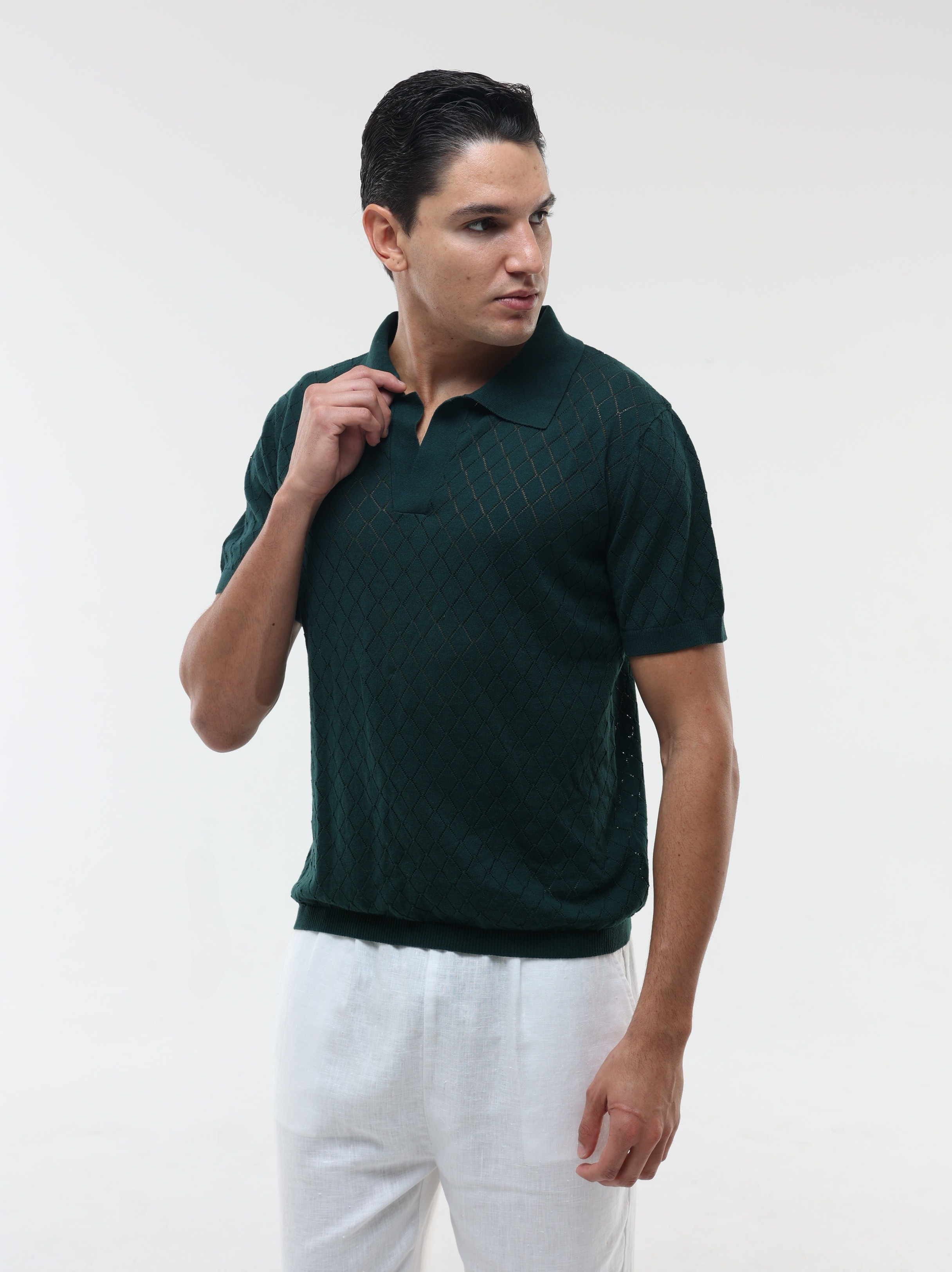
القماش ليس تفصيلاً. القماش هو القرار.يبدأ النهج المصمم بوعي غالبًا بالألياف النباتية والطبيعية لأنها تتوافق مع الراحة، والتهوية، وعلاقة أبسط بالارتداء اليومي. الكتان والقطن شائعان لسبب وجيه: يتحملان الحرارة، يتناسبان جيدًا مع الطبقات، ويمكن أن يبدوا أنيقين دون الشعور بالترف الزائد.
يجلب الكتان ذلك الشعور الجاف، جيد التهوية الذي يناسب التنقلات، أيام السفر، وساعات طويلة في الهواء الطلق. المقايضة هي أن الكتان يتجعد. هذا ليس عيبًا. إنه جزء من النسيج والراحة في الارتداء. إذا كنت ترغب في مظهر أنيق من الصباح حتى وقت متأخر من الليل، فقد تفضل القطن المنظم أو الخلطات المركبة، ولكنك ستتخلى عادة عن قليل من ذلك الطابع المريح.
القطن هو الحصان الرابح الموثوق به للأساسيات الراقية، القمصان، والتيشيرتات. إنه ناعم، مألوف، وسهل العناية به. المقايضة هي أن ليس كل القطن متساويًا. وزن القماش، إحكام الحياكة، والتشطيبات تهم. يتجاوز التصميم الواعي "القطن 100%" ويدخل في كيفية أداء هذا القطن بمرور الوقت.
اختيار المواد يتعلق أيضًا بما لا تختاره. الأقمشة الغنية بالمواد الصناعية يمكن أن توفر المرونة ومقاومة التجاعيد، ولكنها غالبًا ما تكون أقل تنفسًا ويمكن أن تتغير مع التقدم في العمر بشكل مختلف. العلامة التجارية للملابس المصممة بوعي تتخذ هذه القرارات بعناية، فئة بعد فئة، بدلاً من اللجوء إلى الخيار الأرخص أو الأكثر إبهارًا.
تصميم يكسب مكانه في خزانة ملابس الكبسولة
خزائن الملابس البسيطة لا تتعلق بامتلاك أقل لمجرد الامتلاك. بل تتعلق بامتلاك قطع تتصل ببعضها البعض.غالبًا ما يتم بناء التصميم الواعي حول سؤال بسيط: هل يمكن لهذه القطعة أن تخلق إطلالات متعددة دون أن تضطر إلى التفكير كثيرًا؟ إذا كانت الإجابة نعم، فإنها تصبح قطعة ترتدى مرارًا وتكرارًا. وهذا هو المكان الذي تصبح فيه الاستدامة حقيقية.
ابحث عن تصاميم لا تبالغ في الالتزام. بنطال نظيف يتناسب مع توب، وقميص بأزرار، وسترة. فستان يمكن أن يتحول من النهار إلى المساء بتغيير بسيط للحذاء. طقم متناسق يمكن ارتداؤه معًا للحصول على أناقة فورية، ثم فصله إلى قطعتين أساسيتين يمكن الاعتماد عليهما.
اللون مهم هنا أيضًا. الألوان المحايدة والألوان الأساسية ليست "آمنة". إنها استراتيجية. إنها تسمح للملمس والشكل بالقيام بالعمل، وتحافظ على قابلية تشغيل خزانتك. إذا كنت تحب ألوان الموضة، فاحتفظ بها في الفئات التي يمكنك فيها تحمل دورات أقصر، مثل توب. وثبت خزانة الملابس بقطع لن تبدو قديمة عندما ينتقل الخوارزمية.
قياس يحترم الجسد، وليس علامة المقاس
العلامة التجارية للملابس المصممة بوعي لا تصمم لنوع جسم واحد وتعتبره شاملاً. بل تفكر من حيث الحركة والنسب والراحة في العالم الحقيقي.يظهر ذلك في فتحات الأذرع التي لا تضغط، ومواضع الخصر التي لا تقاومك عند الجلوس، ومستويات الارتفاع التي تبدو مدروسة وليست مبالغ فيها. يظهر ذلك في القمصان التي تلامس الجسم بدلاً من الالتصاق وفي الفساتين التي تحافظ على شكلها دون تقييد.
بالنسبة للمهنيين، القياس يتعلق أيضًا بالثقة. لا ينبغي أن تتطلب ملابس العمل تعديلاً مستمرًا. إذا كنت تشد حزام الخصر أو تعيد تثبيت زر طوال اليوم، فإن القطعة لا تؤدي وظيفتها.
المقايضة هي أن "المقاس المثالي للجميع" غير موجود. التصميم الواعي يميل إلى تفضيل الأشكال المتوازنة التي تناسب العديد من الأجسام وتدعم الخياطة السهلة إذا كنت تريد لمسة نهائية أكثر دقة. يمكن أن تصبح السترة أو البنطال أو الصدرية الرائعة استثنائية بتعديلات بسيطة، وهذا غالبًا ما يكون أكثر استدامة من مطاردة نسخة جديدة كل موسم.
تفاصيل البناء التي تشير إلى طول العمر
لست بحاجة لأن تكون مصممًا تقنيًا لتتسوق بذكاء أكبر. كل ما تحتاجه هو معرفة ما يجب ملاحظته.ابدأ بالمناطق التي تتعرض للضغط: الدرزات، والإغلاقات، والحواف. الخياطة النظيفة، والدرزات المستقرة، والحواشي المتقنة تهم لأنها الأماكن التي غالبًا ما تفشل فيها الملابس أولاً. يجب أن تكون الأزرار محكمة. يجب أن تعمل السوستة بسلاسة. يجب أن تحافظ أحزمة الخصر على شكلها.
ثم انظر إلى كيفية تصميم القطعة لتعيش. لا ينبغي أن تتمدد ملابس المنزل بعد ساعات قليلة. لا يجب أن تلتوي القميص بعد الغسيل. لا يجب أن يفقد البنطال هيكله بعد ثلاث مرات من الارتداء.
التصميم الواعي يعني عادة قطعًا أقل "للمناسبات الخاصة فقط" وقطعًا أكثر يمكنها تحمل التكرار. هذا نوع مختلف من الرفاهية - ليس هشًا، ولا متكلفًا، بل جيد باستمرار.
الموسمية بدون دورات الموضة العابرة
هناك اعتقاد خاطئ شائع بأن الموضة المستدامة يجب أن تكون بلا مواسم. في الواقع، يعيش معظم الناس في مواسم. يسافرون. يحضرون المناسبات. يحتاجون إلى كتان للطقس الدافئ وطبقات للأشهر الباردة.يمكن لعلامة تجارية للملابس مصممة بوعي أن تظل تطلق مجموعات موسمية، ومجموعات كبسولية، وأكثر المبيعات. الفرق هو النية. يجب أن تقدم الإصدارات الموسمية نسبًا جديدة، أو تصميمًا محدثًا، أو أقمشة جديدة دون جعل الموسم الماضي يبدو قديمًا.
هنا يفوز التبسيط الحديث. يمكن بناء مجموعة منتجعات حول مجموعات تسمح بالتهوية، وفساتين، وقمصان مريحة سترتديها طويلًا بعد صور الإجازة. يمكن لمجموعة الخريف أن تقدم قطعًا قابلة للطبقات مثل السترات والجاكيتات التي تعمل عبر سنوات متعددة.
المقايضة هي الإلحاح. قد تشجع الإصدارات المحدودة على اتخاذ قرارات أسرع، وهو ليس "واعيًا" دائمًا إذا كنت تشتري باندفاع. الحل بسيط: تسوق الإصدارات بخطة. إذا لم تتكامل مع ثلاث قطع على الأقل تمتلكها بالفعل، فربما لا يكون الشراء المناسب.
كيف تتسوق بوعي دون الإفراط في البحث
لا ينبغي أن تحتاج إلى جدول بيانات لشراء قميص.النهج الأنظف هو التسوق بناءً على دوافع القرار التي تهم حقًا للارتداء المتكرر: النسيج، والتنوع، والعناية. إذا كنت تعيش في مناخ دافئ أو تسافر كثيرًا، فامنح الأولوية للألياف الطبيعية التي تسمح بالتهوية أولاً. إذا كنت بحاجة إلى مرونة من النهار إلى الليل، فاختر القطع التي يمكن أن تتغير مع الأحذية والطبقات. إذا كان نمط حياتك يتضمن دورانًا عاليًا، فابحث عن الملابس التي يمكنها تحمل الغسيل المتكرر دون فقدان شكلها.
عند التصفح، تمهل عند وصف المنتج واسأل سؤالًا مباشرًا: هل هذا مصمم ليُرتدى كثيرًا، أم هو مصمم ليُلاحظ مرة واحدة؟
إذا كنت ترغب في مثال واضح لهذه الفلسفة في خزانة ملابس حديثة موجهة للبيع بالتجزئة، استكشف ZAVI على https://Www.shop-Zavi.com - قطع مصممة بوعي، نباتية، مبنية حول التصميم البسيط والارتداء المتكرر.
الجانب "يعتمد على" من التصميم الواعي
التصميم الواعي ليس مجموعة صارمة من القواعد.إذا كنت تكره التجاعيد، فقد يثير الكتان إحباطك، حتى لو كنت تحب قدرته على التهوية. إذا كنت تتنقل يوميًا وتحتاج إلى بنية أكثر حدة، فقد تختار قطعًا قطنية أكثر تفصيلاً وتحتفظ بالكتان لعطلات نهاية الأسبوع. إذا كنت تبني خزانة ملابس للعمل، فقد تعطي الأولوية للسترات والسراويل والقمصان أولاً، ثم تضيف فئات المنتجعات والاسترخاء لاحقًا.
الميزانية هي أيضًا حقيقة. العنصر الأكثر استدامة هو غالبًا ما تملكه بالفعل، ويمكن بناء خزانة ملابس مصممة بوعي تدريجيًا. ابدأ بالفئات التي تحمل أسبوعك: القمصان، والسراويل، وقطعة للطبقات. ثم أضف الفساتين، والأطقم المتطابقة، والملابس الخارجية بمجرد استقرار الأساس.
وتذكر: "واعٍ" يجب ألا يعني أبدًا خالٍ من الفرح. إذا كانت قطعة ما تجعلك تشعر بالأناقة والراحة وكأنك نفسك، فمن المرجح أن ترتديها مرارًا وتكرارًا. هذا هو المكان الذي يكمن فيه التأثير.
معيار أفضل: تصميم يمكنك أن تعيش فيه
أسرع طريقة لتحديد علامة تجارية للملابس مصممة بوعي ليست ادعاء على صفحة رئيسية. بل هي الاتساق الهادئ للمنتج - الأقمشة القابلة للتنفس، والأشكال النظيفة، والتفاصيل التي لا تتفكك عندما ترتديها بالفعل.في المرة القادمة التي تقرر فيها بين شيء عصري وشيء دائم، اختر القطعة التي تجعل صباح الغد أسهل. ستصبح خزانتك أبسط. سيصبح أسلوبك أوضح. وسيبدو ارتداء الملابس أقل شبهاً بالقرار وأكثر شبهاً بخط أساسي.