
أزياء مستدامة بسيطة تدوم طويلاً
خزانتك لا تحتاج لإعادة ضبط. بل تحتاج لفلتر.
إذا سبق لك أن اشتريت "قطعة أساسية" لا تتناسب إلا مع بنطال واحد فقط، فأنت تدرك المشكلة بالفعل: زيادة الملابس لا تعني المزيد من الإطلالات. الموضة المستدامة البسيطة تحل هذه المشكلة بطريقة تشعرك بالهدوء والقصد. قطع أقل. أقمشة أفضل. خطوط أنظف. إطلالات قابلة للتكرار تبدو مناسبة صباح يوم الاثنين، وفي رحلة طيران، وفي العشاء.
هذا لا يتعلق بالملابس المملة. إنه يتعلق بالملابس الهادفة - وبناء خزانة ملابس تصمد، جسدياً وجمالياً.
ماذا تعني الموضة المستدامة البسيطة حقًا
البساطة في الموضة غالبًا ما تختزل في لوحة ألوان محايدة وغياب الشعارات. هذا هو الجزء المرئي فقط. الفكرة الأعمق هي التعديل: اختيار القطع ذات الدور الواضح، ثم ارتدائها كثيرًا.
الاستدامة تضيف الشرط الثاني: يجب أن تكون القطعة مصنوعة من مواد وعمليات تهدف إلى تقليل الضرر، ويجب أن تكون مصممة لتبقى في دورتك. جزء "تبقى" هذا مهم. قد تكون قطعة الملابس مصنوعة من ألياف طبيعية ومع ذلك تكون خيارًا سيئًا إذا فقدت شكلها بعد ثلاث غسلات أو لم تناسبك تمامًا أبدًا، مما يجعلك تستبدلها باستمرار.
الموضة المستدامة البسيطة هي التداخل: خزانة ملابس صغيرة تكسب فيها كل قطعة مكانها من خلال المقاس، والوظيفة، والقماش، وتكرار الارتداء.
المقايضات: ما تكسبه، وما تتخلى عنه
النهج البسيط يمنحك السرعة. يصبح ارتداء الملابس شبه تلقائي لأن كل شيء متناسق. كما تكسب قيمة التكلفة لكل ارتداء لأنك تتوقف عن شراء القطع "ربما".
ما تتخلى عنه هو إثارة الجدة المستمرة. إذا كانت هوية أسلوبك مبنية على الميول الصغيرة، فإن البساطة ستشعر بالتقييد. كما أنها تتطلب الصبر: قد تنتظر قص البنطال المناسب أو وزن الكتان المناسب بدلاً من الإمساك بشيء على الفور.
الاستدامة تأتي بمقايضاتها الخاصة. يمكن للأقمشة الطبيعية والنباتية أن تتجعد وتلين وتتطور مع الارتداء. هذا هو الهدف، ولكنه ليس الكمال الاصطناعي الحاد الذي اعتاد عليه بعض الناس. أنت تختار الراحة القابلة للتنفس والمتانة على اللمسة النهائية الفورية.
ابدأ بعقلية الكبسولة، وليس بقواعد الكبسولة
الإنترنت يحب الأرقام الدقيقة: 25 قطعة، 33 قطعة، 10 إطلالات. الحياة الواقعية أكثر فوضى. كبسولتك تعتمد على المناخ، وقواعد اللباس، وعدد مرات غسيلك للملابس.
نقطة بداية أفضل هي البناء حول "الزي الموحد القابل للتكرار". فكر في كتل: العمل، خارج الخدمة، والسفر. كل كتلة تحتاج إلى قمصان، وبناطيل، وقطعة ثالثة (جاكيت، جاكيت خفيف، سترة، أو قميص علوي) تجعل الإطلالة تبدو مكتملة.
إذا كنت ترتدي ملابس المكتب، فمن المحتمل أن تعتمد خزانتك البسيطة على بنطلونات تناسبك تمامًا، وسترة لا تسحب عند الكتفين، وقمصان يمكنك ارتدائها بمفردها أو تحت طبقات. إذا كنت تعيش في مناخ دافئ، فإن القطع المحورية تتحول نحو القمصان القابلة للتنفس، وبناطيل الكتان، والفساتين أو البدلات التي تحافظ على شكلها دون أن تلتصق.
النسيج هو القرار الصامت الذي يغير كل شيء
تنجح الخزانات البسيطة عندما يقوم النسيج بالعمل الشاق. تبدو الصورة الظلية النظيفة فاخرة عندما ينسدل النسيج جيدًا ويعود لشكله بعد الارتداء.
غالبًا ما تكون الأقمشة النباتية والطبيعية هي الأساس لأنها تشعر بالراحة على البشرة، وتتنفس في الحرارة، وتتقدم في العمر بشخصية.
الكتان: حصان العمل في الطقس الدافئ
الكتان مصنوع للارتداء المتكرر. إنه قابل للتنفس، ويجف بسرعة، ويبدو مقصودًا حتى عندما يرتخي. التجاعيد جزء من النسيج، وليست عيبًا، لكن الوزن مهم. الكتان خفيف الوزن مثالي لملابس المنتجعات والصيف الحار. الكتان متوسط الوزن يحافظ على الهيكل بشكل أفضل لملابس العمل مثل البناطيل المصممة، فساتين القمصان، والأطقم المصقولة.
إذا كنت تريد أن يبدو الكتان أكثر أناقة، فاختر القطع ذات المساحة الأكبر قليلاً والدرزات النظيفة. الكتان الضيق جدًا يتجعد بشدة ويمكن أن يبدو مجهدًا.
القطن: العمود الفقري اليومي
يكسب القطن مكانه في الموضة المستدامة البسيطة لأنه متعدد الاستخدامات. قميص من البوبلين القطني الجيد يبقى حادًا. تي شيرت قطني ناعم يصبح الطبقة الأساسية التي تلجأ إليها باستمرار. المفتاح هو الكثافة والتشطيب. يمكن للقطن الرقيق أن يتشوه أو يصبح شفافًا أو يفقد شكله. القطن الأثقل يحافظ على شكله ويبدو راقيًا بأقل قدر من التصفيف.
المخاليط: أحيانًا الخيار الأفضل
يتجنب المتشددون أحيانًا المخاليط، لكن "يعتمد على الظروف" هي الإجابة الصادقة. نسبة صغيرة من ألياف أخرى يمكن أن تحسن المتانة، أو تقلل التجاعيد، أو تساعد قطعة الملابس على الحفاظ على شكلها. يصبح السؤال المستدام هو: هل يطيل الخليط عمر القطعة، وهل سترتديها أكثر لأنها تعمل بشكل أفضل؟ إذا كانت الإجابة نعم، يمكن أن يكون الخيار الأكثر مسؤولية لنمط حياتك الفعلي.
المقاس والشكل: البساطة تكمن في القصّة
الأسلوب البسيط لا يرحم عندما يكون المقاس غير مناسب. يمكن لسترة رائعة أن تحمل إطلالة كاملة، ولكن فقط إذا كانت تستقر بشكل نظيف على الكتفين وتغلق دون شد. يستحق البنطال المثالي التكرار ثلاث مرات في الأسبوع، ولكن فقط إذا كان ارتفاعه وخط الساق يتناسبان مع أبعادك.
أعطِ الأولوية للقصّات التي تتناسق عبر الفئات:
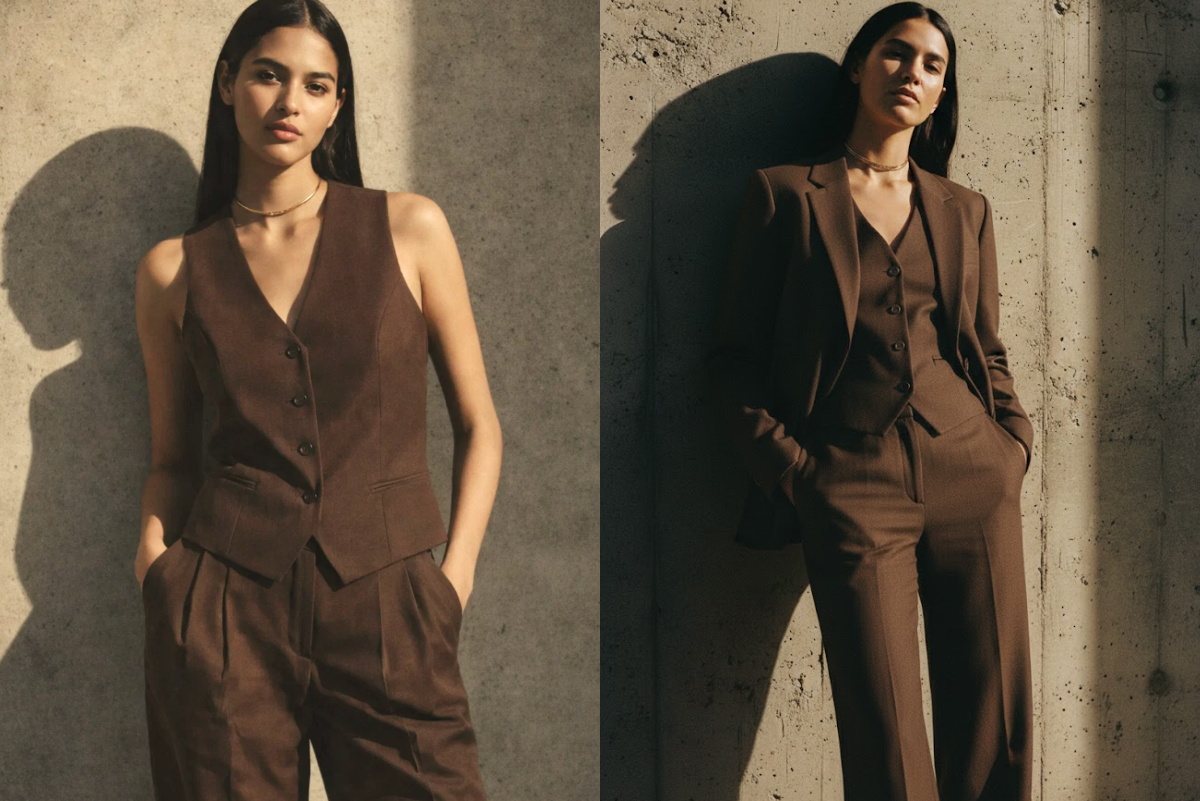
بنطال بقصة مستقيمة أو واسعة قليلاً يتناسب مع التيشيرتات المدسوسة، والقمصان المنظمة، والتريكو الخفيف. يمكن ارتداء فستان عمودي بمفرده، أو تحت سترة، أو مع سترة. الطقم المتطابق يخلق أناقة فورية، ثم يضاعف خيارات إطلالاتك عندما تفصل القطع.
الموضة المستدامة البسيطة لا تتعلق بامتلاك "أحدث صيحات الموضة" بقدر ما تتعلق بامتلاك "القصّة الصحيحة".
استراتيجية الألوان: حافظ عليها محددة، لا مملة
لوحة الألوان الصغيرة هي أسهل طريقة لمضاعفة الإطلالات دون إضافة قطع. تعمل الألوان المحايدة لأنها تندمج، لكن لا يجب عليك العيش في اللون البيج.
اختر لونين محايدين أساسيين تحب ارتداءهما معًا (على سبيل المثال، العاجي والأسود، أو الرملي والأزرق الداكن)، ثم أضف لونًا عميقًا واحدًا (مثل الزيتوني، أو الشوكولاتة، أو الفحمي) ولونًا مميزًا واحدًا ستكرره بالفعل (أزرق باهت، أو طيني، أو أصفر ناعم).
الخدعة البسيطة هي ضبط النفس: يجب أن يظهر اللون المميز عبر فئتين على الأقل - وليس مجرد قطعة علوية مميزة لا يمكنك دمجها.
شراء أقل، شراء أفضل: قائمة التحقق من القرار
الاستدامة جزء منها يتعلق بالمواد والإنتاج. وهي أيضاً سلوك. قبل أن تضيف أي شيء، قم بتطبيق فلتر سريع:
هل تتناسب مع ثلاث إطلالات على الأقل ترتديها بالفعل؟ هل يمكن تنسيقها للنهار والليل بتغييرات بسيطة؟ هل القماش مريح لمناخك؟ هل يمكنك العناية بها دون خدمات خاصة في كل مرة؟
ثم اطرح السؤال الأكثر كشفاً: هل سترتديها الأسبوع القادم؟ ليس "يومًا ما". بل الأسبوع القادم. الموضة المستدامة البسيطة تبقى عملية وإلا أصبحت فوضى طموحة.
إذا كنت ترغب في التسوق بطريقة تتوافق مع هذه الفلسفة، فابحث عن العلامات التجارية التي تبني مجموعات عصرية وبسيطة حول الأقمشة الطبيعية والارتداء المتكرر. على سبيل المثال، تضع ZAVI الاستدامة كمعيار للتصميم، مع قطع مصممة بعناية من الكتان والقطن تتناسب مع عقلية خزانة الملابس الكبسولية.
الاهتمام جزء من الاستدامة (وهو المكان الذي تفشل فيه معظم خزانات الملابس)
يمكنك شراء أفضل الأقمشة في العالم ومع ذلك تقصير عمرها بالغسيل العنيف. تعتمد خزانات الملابس البسيطة على طول عمر الملابس، لذلك تصبح العناية مهارة أسلوب.
اغسل أقل عندما تستطيع. قم بتهوية القمصان والسراويل، ونظف البقع الصغيرة، واستخدم دورات غسيل لطيفة. يساعد الماء البارد على تقليل الانكماش وبهتان الألوان. تجنب الحرارة العالية كلما أمكن - فهي قاسية على الألياف والمطاط.
بالنسبة للكتان والقطن، أعد تشكيلها وهي رطبة وعلقها لتجف. إذا كنت تحب لمسة نهائية حادة، استخدم البخار أو الكي عن قصد بدلاً من الغسيل الزائد للحصول على هذا الشعور "المنعش".
أيضًا: قم بالتخزين بجدية. الملابس المحبوكة مطوية، والقطع المنظمة على علاقات صلبة، ومساحة كافية حتى لا تتجعد الأقمشة. تبدو البساطة أفضل عندما لا تتنافس ملابسك على الأكسجين.
هندسة الإطلالات: كيف تحصل على المزيد من الإطلالات من قطع أقل
الموضة المستدامة البسيطة هي حسابات الإطلالات. أسهل طريقة لزيادة التنوع هي البناء حول ثلاث صيغ إطلالات يمكنك تكرارها.
صيغة العمل النظيفة
بنطال مصمم + قميص قابل للتنفس + قطعة منظمة ثالثة.
يمكن أن تكون هذه سترة أو سترة بدون أكمام أو جاكيت خفيف حسب مكتبك. حافظ على الخطوط نظيفة والقماش طبيعيًا حتى تبدو الإطلالة فاخرة بدون تصفيف إضافي.
الزي الرسمي خارج العمل
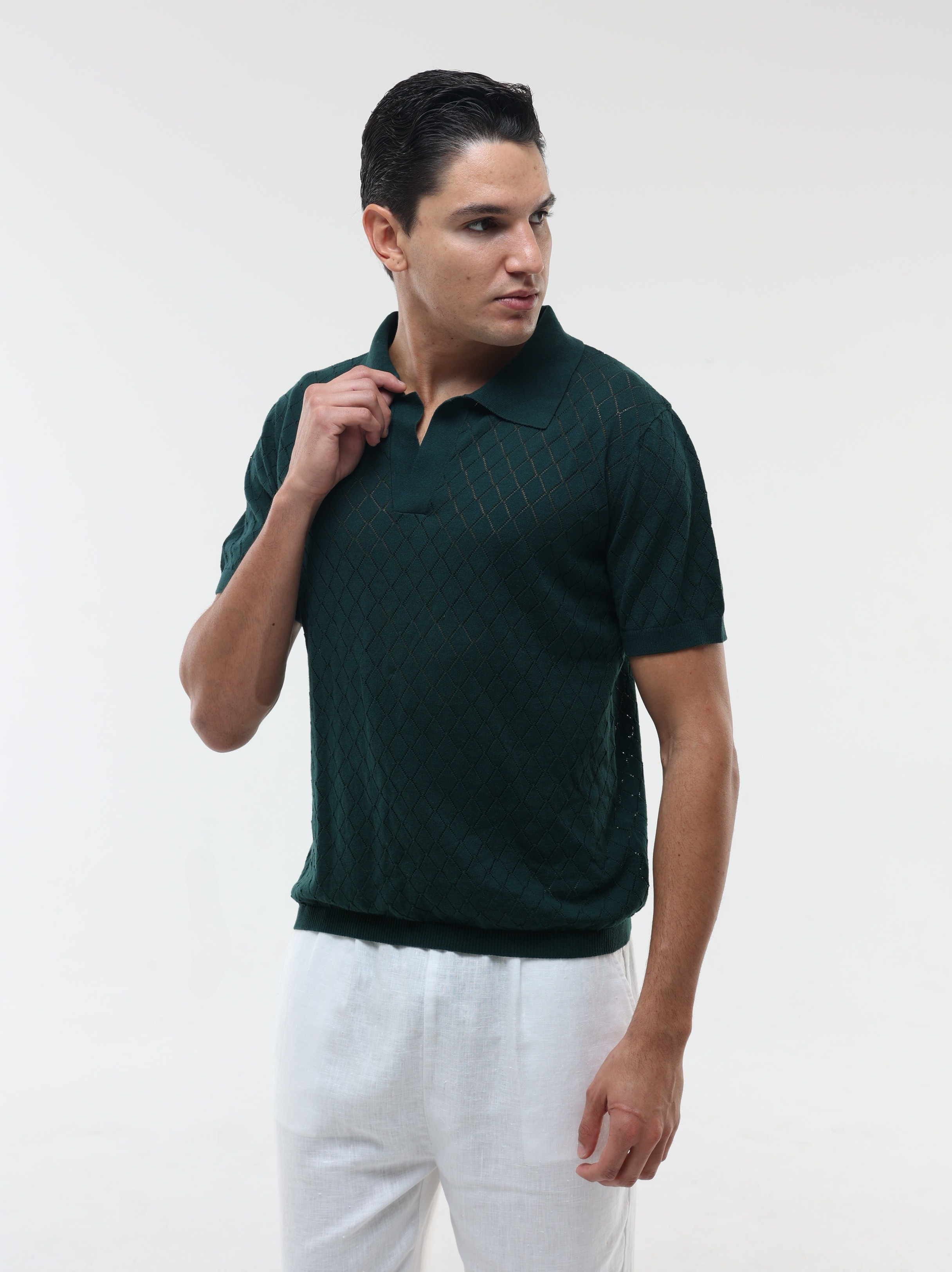
بنطال فضفاض أو بديل للجينز + تي شيرت أو قميص بولو راقٍ + طبقة بسيطة.
الفرق بين "قضاء المهام" و"المظهر المرتب" عادة ما يكمن في القصة والنسيج. تي شيرت أفضل، حزام خصر أفضل، انسيابية أفضل.
طقم السفر وعطلة نهاية الأسبوع
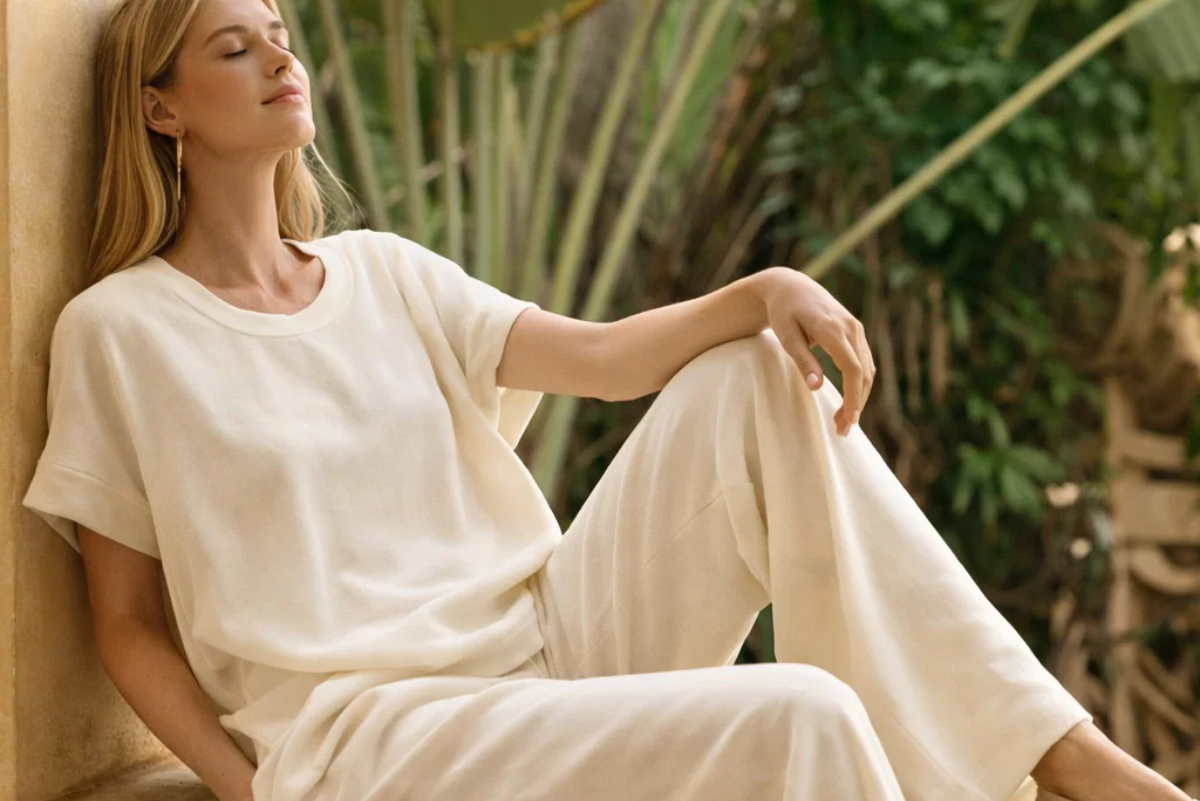
طقم متناسق أو بدلة قطعة واحدة + حذاء مريح + طبقة خارجية اختيارية.
هنا تتألق البساطة. طقم منسق واحد يمكن أن يبدو إطلالة كاملة بجهد شبه معدوم، وهو سهل التعبئة. اختر قماشًا جيد التهوية حتى لا تعاني من الحرارة أو التجاعيد أو الالتصاق.
الأخطاء الشائعة التي تجعل البساطة صعبة
أحد الأخطاء هو شراء القطع المكررة مبكرًا جدًا. إذا لم تكن تعرف أفضل قصّة لك بعد، فانتظر. ارتدِ النسخة الأولى، تعلم ما قد تغيّره، ثم استثمر في الثانية.
خطأ آخر هو اختيار قطع "بسيطة" تكون عادية جدًا بحيث لا تشعر بأنها تعبر عنك. يجب أن تظل الموضة المستدامة البسيطة تبدو وكأنها أسلوبك، وليس زيًا استعرته من شخص آخر.
أخيرًا، يقلل الكثير من الناس من أهمية الخياطة. قص البناطيل بالطول المناسب أو تعديل الخصر يمكن أن يحول قطعة جيدة إلى قطعة أساسية. إذا كانت قطعة الملابس مصنوعة من قماش وجودة بناء جيدين، يمكن للخياطة أن تطيل عمرها في خزانتك لأنها تكسب المزيد من الارتداء.
الهدف: قرارات أقل، أيام أفضل
الموضة المستدامة البسيطة هي معيار تحدده أنت، وليست إطلالة تسعى إليها. عندما تُبنى خزانتك على أقمشة طبيعية قابلة للتنفس، وقصّات نظيفة، وقطع تلجأ إليها باستمرار، يصبح الأسلوب أكثر هدوءًا - وتصبح حياتك أسهل.
اشترِ بقصد. ارتدِ ما تملكه. دع التكرار يكون هو التعبير.