
ملابس من أقمشة نباتية، ببساطة
أنت تعرف هذا الشعور: تبدو القطعة أنيقة على الشماعة، ثم تصبح ثقيلة أو ملتصقة أو لامعة بشكل غريب بمجرد ارتدائها في الخارج. هذه الفجوة بين "المصمم" و"العملي" هي المكان الذي تكسب فيه الملابس المصنوعة من الأقمشة النباتية مكانها - خاصة إذا قمت ببناء إطلالاتك حول الراحة والتهوية والارتداء المتكرر.
الأقمشة النباتية ليست فئة موضة. إنها قرار يخص خزانة الملابس. إذا تم تنفيذها جيدًا، فإنها تجعل ارتداء الملابس أسهل، وتبقيك مرتاحًا في المناخات الدافئة، وتتحمل ظروف الحياة الواقعية. إذا تم تنفيذها بشكل سيء، يمكن أن تتجعد بسرعة كبيرة، أو تتمدد، أو تبدو قاسية. النقطة ليست الكمال. النقطة هي اختيار الألياف المناسبة للوظيفة.
ماذا يعتبر من الملابس المصنوعة من الأقمشة النباتية؟
الملابس المصنوعة من الأقمشة النباتية مصنوعة من ألياف مشتقة بشكل أساسي من النباتات، ثم تُغزل وتُنسج أو تُحاك في منسوجات. أنقى الأمثلة هي الألياف النباتية الطبيعية مثل الكتان (من الكتان) والقطن. سترى أيضًا أليافًا "متجددة" مشتقة من النباتات مثل الفيسكوز والمودال واللايوسيل، والتي تبدأ كعجينة نباتية ولكنها تمر بمزيد من المعالجة.
إذا تسوقت حسب الفئة - السراويل، والقمصان، والفساتين، والأطقم المتناسقة - ستلاحظ أن الخيارات النباتية تميل إلى أن تكون أكثر "مات" وعصرية من الأقمشة الاصطناعية، مع تدفق هواء أفضل وشعور أقل انزلاقًا. لكن "النباتي" ليس ختمًا سحريًا. فالنسيج والوزن والتشطيب والمزيج تهم بنفس قدر اسم الألياف على الملصق.
لماذا يختار الناس بالفعل الأقمشة النباتية (ما وراء الملصق)
تظهر الفوائد العملية بسرعة، خاصة إذا كنت تعيش في أماكن دافئة أو تسافر إليها. فالكتان والقطن يتنفسان جيدًا، ويمكن أن يشعرا بالبرودة على الجلد. يفضل العديد من الناس أيضًا الطريقة التي تعتق بها الأقمشة النباتية: تصبح أكثر نعومة مع مرور الوقت وتبدو مستعملة وليست بالية.
هناك أيضًا سبب جمالي يتناسب مع خزانة الملابس البسيطة. تميل الأقمشة النباتية إلى التصوير والتصميم بلمسة نهائية أكثر هدوءًا. تتناسب جيدًا تحت الخياطة، وتت layering بشكل نظيف، ويمكنها الانتقال من ملابس العمل إلى عطلة نهاية الأسبوع دون أن تبدو تقنية بشكل مفرط.
الاستدامة جزء من القرار، لكنها ليست مقاسًا واحدًا يناسب الجميع. فقميص البوبلين القطني وفستان الفيسكوز كلاهما "نباتي"، لكن بصمتهما البيئية يمكن أن تختلف اعتمادًا على المدخلات الزراعية والمعالجة والصباغة ومدة الاحتفاظ بهما في التدوير. القطعة الأكثر استدامة هي عادةً تلك التي ترتديها كثيرًا وتعتني بها جيدًا.
الأقمشة النباتية الأساسية التي يجب معرفتها
الكتان
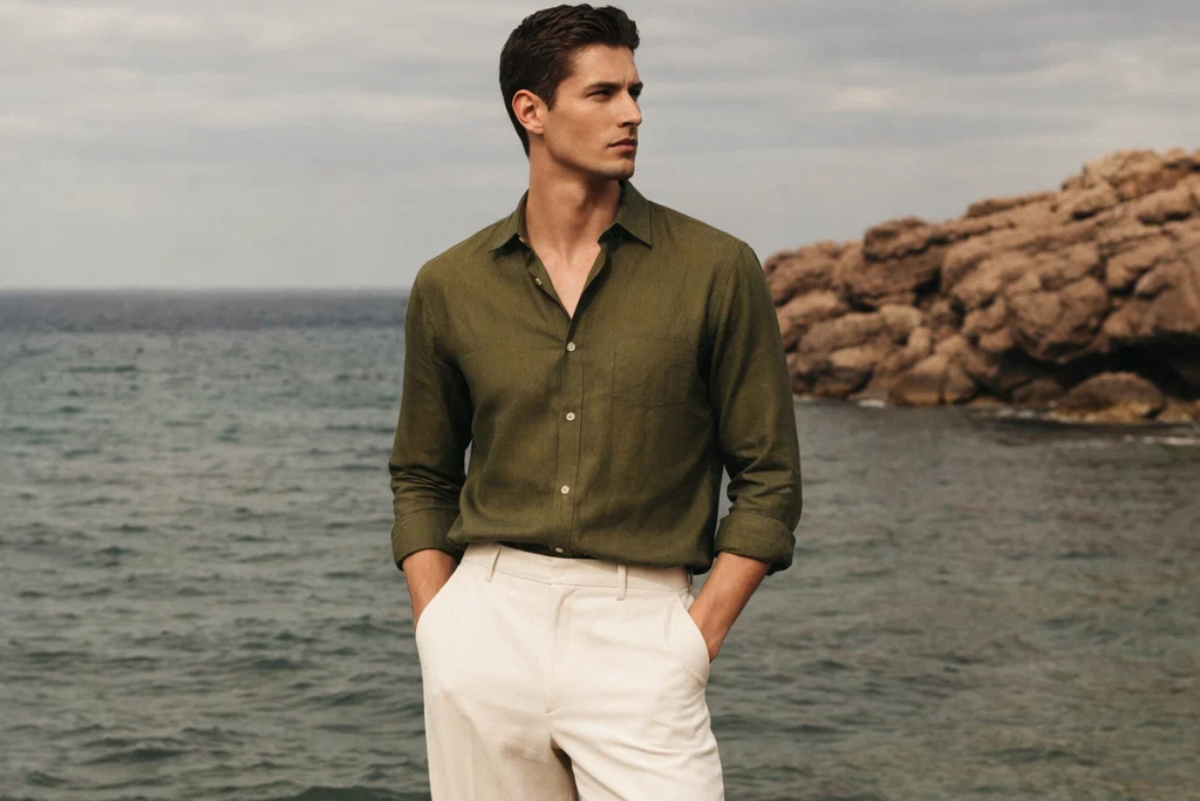
الكتان هو أساس الملابس الصيفية. فهو قابل للتنفس، سريع الجفاف، وذو نسيج طبيعي، ولهذا السبب يعمل بشكل جيد جدًا للقمصان، والسراويل، والسترات غير الرسمية، والفساتين، وأطقم المنتجعات.
المشكلة هي التجعد. يتجعد الكتان لأن الألياف أقل مرونة. هذا ليس عيبًا - بل هو المظهر. إذا كنت تريد أن يبدو الكتان "جاهزًا للعمل" أكثر، اختر وزنًا أثقل قليلاً أو مزيجًا يكون فيه الكتان هو البطل لكن القماش يحافظ على شكله لفترة أطول. إذا كنت تريد ذلك الانسياب غير الرسمي للعطلات، فالكتان الخفيف هو الأهم.
القطن
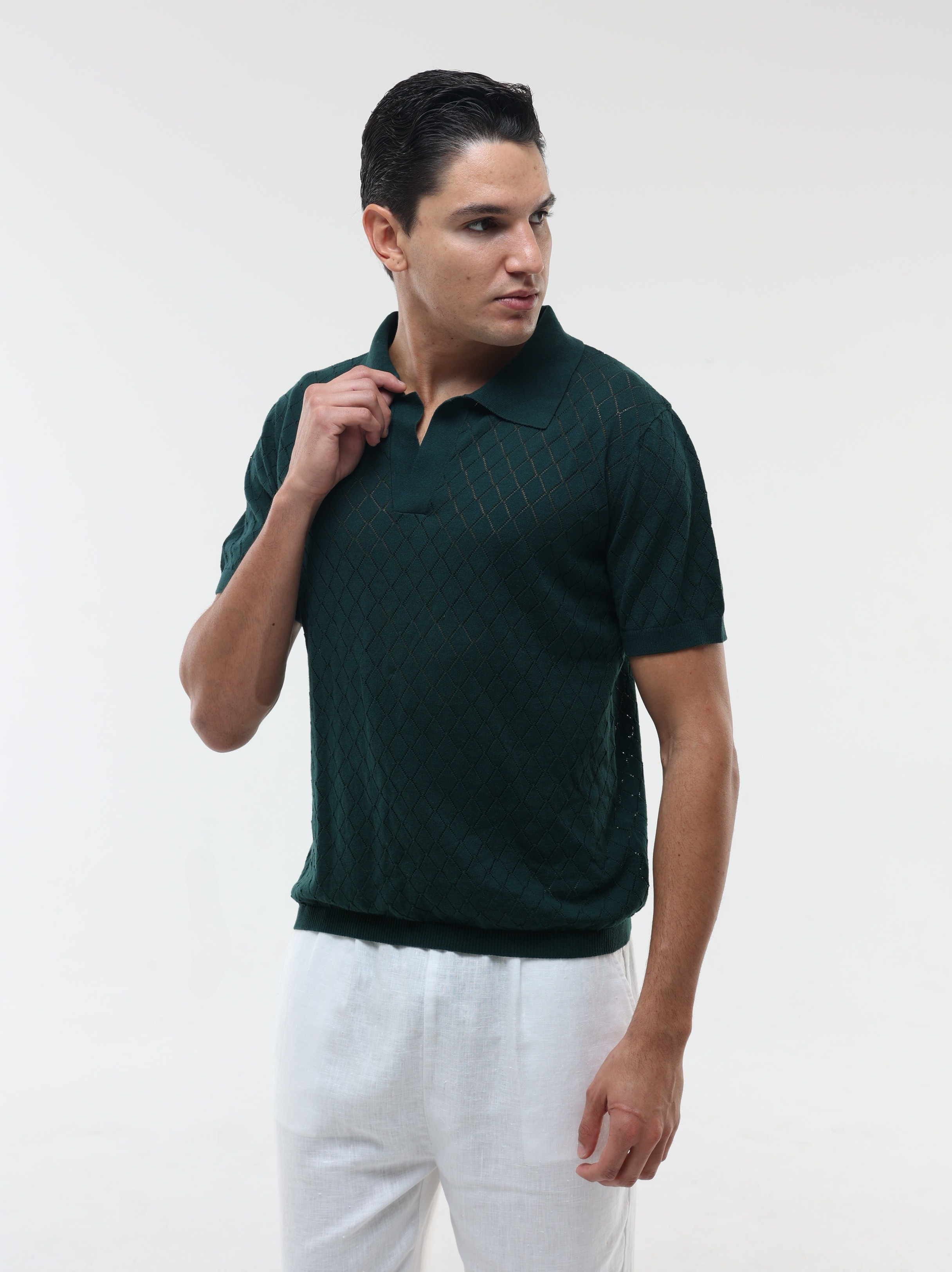
القطن هو الحصان الرابح في خزانة الملابس. يمكن أن يكون مقرمشًا (بوبلين)، ناعمًا (جيرسي)، منظمًا (تويل)، أو مصقولًا (ساتين). هذا التنوع هو السبب في وجود القطن في كل مكان من التيشيرتات والقمصان البولو إلى القمصان والسراويل والسترات والفساتين.
تعتمد مساوئ القطن على التصنيع. يمكن أن يتجعد القطن الخفيف ويصبح شفافًا بعض الشيء في الألوان الفاتحة. يمكن أن يكون القطن المطاطي أكثر تسامحًا ولكنه قد يحبس الحرارة أكثر من النسيج النقي ذي التهوية الجيدة. للقطع اليومية التي تخطط لارتدائها باستمرار، غالبًا ما يفوز القطن بسهولته.
القنب
يكتسب القنب اهتمامًا لسبب وجيه. فهو قوي، قابل للتنفس، وغالبًا ما يكون له ملمس مشابه للكتان مع نسيج أكثر خشونة قليلاً. يمكن أن يكون ممتازًا للسراويل، والقمصان الخارجية، والأطقم المنظمة.
المشكلة هي أن القنب يمكن أن يكون قاسيًا في البداية. عادة ما يصبح أكثر نعومة مع الارتداء والغسيل، لذا فهو يكافئ الصبر. إذا كنت تفضل مظهرًا أكثر حدة وهندسية، فإن هذه الصلابة الأولية يمكن أن تكون فائدة حقيقية.
الخيزران (كفيسكوز)
معظم "أقمشة الخيزران" التي تراها في الموضة هي فيسكوز الخيزران. غالبًا ما يكون ملمسها ناعمًا ومنسدلًا، مما يعمل جيدًا للفساتين والبلوزات والقمصان الفضفاضة.
هنا تكمن الدقة. الخيزران نبات، لكن الفيسكوز يعالج كيميائيًا. هذا لا يجعله تلقائيًا "سيئًا"، ولكنه يعني أنه يجب عليك الانتباه إلى كيفية حديث العلامة التجارية عن المصادر والإنتاج. إذا كانت أولويتك هي المعالجة المنخفضة والملمس الطبيعي، فالكتان والقطن خيارات أبسط.
اللايوسيل والمودال
اللايوسيل (المعروف غالبًا باسم الألياف Tencel) والمودال هما أيضًا ألياف متجددة مصنوعة من لب الخشب. يمكن أن تكون ناعمة بشكل جميل مع انسيابية محكمة، وغالبًا ما تستخدم لإضافة سيولة إلى الخلطات.
الميزة هي الراحة والحركة. والمشكلة هي أن الأقمشة المنسدلة يمكن أن تظهر عليها بقع الماء بسهولة أكبر وقد تتطلب عناية أكثر قليلاً في الغسيل والتجفيف. إذا كنت تحب صورة ظلية نظيفة وبسيطة مع انسيابية أكثر نعومة، يمكن أن تكون هذه خيارات قوية.
كيف تقرأ الملصق كخبير أزياء
يتوقف معظم المتسوقين عند قائمة الألياف. اذهب خطوة أبعد.
ابدأ بالنسبة المئوية. قطعة الكتان 100% ستتجعد أكثر من مزيج الكتان والقطن. مزيج القطن عالي الجودة مع كمية صغيرة من الإيلاستين قد يناسبك بشكل أفضل طوال اليوم، ولكنه قد يقلل أيضًا من التهوية.
ثم ضع في اعتبارك وزن القماش والنسيج، حتى لو لم تذكره صفحة المنتج صراحةً. يتصرف قطن البوبلين المقرمش بشكل مختلف عن قطن الجيرسي. يمكن أن يبدو الكتان بنسيج أكثر إحكامًا أكثر أناقة وأقل تجعيدًا. عند التسوق، انظر كيف يحافظ القماش على طياته، وكيف ينسدل على العارضة، وما إذا كانت الملابس تبدو شفافة قليلاً في الضوء الساطع.
أخيرًا، انتبه إلى البطانة. يمكن أن يؤدي القماش الخارجي النباتي مع بطانة صناعية إلى تغيير تجربة الارتداء بأكملها، خاصة في الحرارة. إذا كنت تشتري للسفر أو لأيام طويلة، فتهوية الهواء مهمة.
اختيار القماش النباتي المناسب حسب الفئة
إذا قمت ببناء الإطلالات حسب الوظيفة، تصبح القرارات بسيطة.
بالنسبة للقمصان والبلوزات، يعتبر قطن البوبلين والكتان أساسًا نظيفًا. يمنحك القطن حدة للعمل. ويمنحك الكتان أناقة مريحة لا تزال توحي بالعمد. إذا كنت تريد شيئًا أكثر نعومة وسلاسة، يمكن أن يرفع مزيج الليوسيل من صورة ظلية بسيطة دون إضافة تعقيد.
بالنسبة للسراويل والأطقم المتناسقة، سلوك القماش أهم من أيديولوجية الألياف. تبدو سراويل الكتان فاخرة وخفيفة، لكنها ستتجعد عند الركبة والمقعد - خطط لذلك وصمم إطلالتك وفقًا لذلك. يحافظ نسيج التويل القطني أو مزيج القطن المنظم على شكله لفترة أطول، مما يجعله موثوقًا لأيام العمل في المكتب.
بالنسبة للفساتين والجمبسوت، الانسيابية هي كل شيء. الكتان رائع للقصات المستقيمة والأشكال ذات الحزام. يمكن أن تعمل الألياف المتجددة بشكل جميل لأنماط الالتفاف أو القطع المصممة للحركة. إذا كنت تريد إطلالات "جاهزة" تبقى مريحة طوال اليوم، فحدد الأولوية للبناء القابل للتنفس والمقاس الذي لا يعتمد على التعديل المستمر.
بالنسبة للسترات والصدريات والجاكيتات، ضع في اعتبارك مدى أناقة المظهر الذي تريده. تبدو خياطة الكتان عصرية ومريحة. يشكل القطن جيدًا ويمكن أن يبدو أكثر حدة. إذا كنت تريد قطعة تسافر جيدًا وتقاوم التجاعيد، يمكن أن يكون المزيج هو الخيار العملي - فقط انتبه للبطانة والتهوية.
الجانب الحقيقي للاستدامة: ما يهم أكثر
المنتجات النباتية لا تعني بالضرورة تأثيرًا بيئيًا منخفضًا. يمكن أن يكون القطن مستهلكًا للمياه بكثرة اعتمادًا على طريقة زراعته. يمكن أن يختلف الفيسكوز بشكل كبير بناءً على مدى مسؤولية إنتاجه. غالبًا ما يُشاد بالكتان والقنب لكفاءتهما، لكن الصباغة والتشطيب لا يزالان يلعبان دورًا.
أكثر عوامل الاستدامة واقعية لخزانة الملابس هي طول العمر والتكلفة لكل ارتداء. إذا ساعدك القماش على ارتداء قطعة أسبوعيًا، فإنه يقوم بعمل ذي معنى. ولهذا السبب، تميل القطع البسيطة والمتعددة الاستخدامات المصنوعة من الكتان والقطن إلى التفوق على القطع الرائجة المصنوعة من الأقمشة "الصديقة للبيئة" التي لا تخرج أبدًا من الخزانة.
الرعاية جزء من البصمة أيضًا. إذا كان القماش يتطلب التنظيف الجاف أو التعامل الخاص المستمر، فقد لا يتناسب مع نمط حياة يتسم بالجهد المنخفض والارتداء المتكرر.
العناية التي تحافظ على مظهر الأقمشة النباتية فاخرًا
بعض العادات تحدث فرقًا كبيرًا. اغسل بالماء البارد عندما تستطيع، واستخدم دورات لطيفة، وتجنب التجفيف الزائد. يستفيد كل من الكتان والقطن من إزالتهما وهوما رطبان قليلًا وتجفيفهما بالهواء لتقليل التجعد والانكماش الشديدين.
الكي اختياري، وليس إلزاميًا. إذا كنت تحب مظهرًا مقرمشًا، فقم بالكي أو بالبخار بينما يكون القماش رطبًا قليلاً. إذا كنت تفضل الملمس المريح، فقم بتمليس الملابس بيديك ودع الانسيابية الطبيعية تقوم بالتصميم.
قم بتخزين قطع الكتان والقطن الثقيلة مطوية إذا كانت تتمدد على الشماعات. بالنسبة للقمصان والسترات، علقها وامنحها مساحة - فالازدحام يخلق تجاعيد تبدو أقل عفوية.
بناء خزانة ملابس عصرية بسيطة باستخدام الأقمشة النباتية
تكون خزانة الملابس النباتية أسهل عندما تركز على الأطقم والطبقات: قميص كتان يتناسب مع بنطال مصمم، بلوزة قطنية تثبت طقمًا متناسقًا، سترة غير رسمية يمكن ارتداؤها فوق فستان وأيضًا مع الجينز. الهدف ليس امتلاك المزيد. بل هو امتلاك قطع تتكرر.
إذا كنت ترغب في التسوق بهذه العقلية، فابحث عن العلامات التجارية التي تجعل الأقمشة النباتية معيارًا تصميميًا بدلاً من تجربة موسمية. لقد تم بناء ZAVI حول هذا النهج - أساسيات مصممة بوعي وقطرات موسمية من الكتان والقطن تظل نظيفة، وعصرية، وقابلة للارتداء عبر الفئات على https://Www.shop-Zavi.com.
اختر قماشًا واحدًا لقيادة كل جزء من أسبوعك. الكتان للحرارة والسفر. القطن للهيكل اليومي. ألياف نباتية أكثر انسيابية للأمسيات أو الصور الظلية الأكثر نعومة. عندما يكون لكل قماش دور، يتوقف ارتداء الملابس عن أن يكون إرهاقًا في اتخاذ القرار ويبدأ في الشعور بالإيقاع.
فكرة ختامية: أفضل الملابس المصنوعة من الأقمشة النباتية هي تلك التي تصل إليها دون تفكير - لأنها تبدو صحيحة، وتشعر بأنها صحيحة، وتستمر في الظهور في حياتك الواقعية.