
لماذا يعتبر الكتان أفضل نسيج للطقس الحار
عندما ترتفع درجات الحرارة، تفشل معظم خزانات الملابس.
تلتصق الأقمشة الاصطناعية بالجسم. القطن الثقيل يحبس الرطوبة. المواد المخلوطة تفقد هيكلها وراحتها بحلول منتصف اليوم.
ومع ذلك، لقرون عديدة، تفوق قماش واحد باستمرار على البقية في الأجواء الحارة: الكتان.
خفيف الوزن، ومسامي، ومُصقول بشكل طبيعي، الكتان ليس موضة عابرة - بل هو حل خالد للحرارة. سواء كنت تعيش في منطقة دافئة أو تسافر كثيرًا إلى وجهات استوائية، فإن فهم سبب فعالية الكتان سيغير طريقة ارتدائك للملابس في الصيف.
ما الذي يجعل الكتان مساميًا لهذه الدرجة؟
يُصنع الكتان من ألياف نبات الكتان. على عكس الأقمشة الاصطناعية، فإن ألياف الكتان مجوفة، مما يسمح للهواء بالدوران بحرية عبر النسيج.
يمنح هذا الهيكل الكتان ثلاث مزايا قوية:
1. تدفق الهواء
يسمح الكتان للحرارة بالهروب بدلاً من حبسها ضد الجسم. هذا التهوية الطبيعية تبقيك أكثر برودة طوال اليوم.
2. امتصاص الرطوبة
يمكن للكتان أن يمتص ما يصل إلى 20% من وزنه رطوبة دون أن يشعر بالبلل. وبدلاً من الالتصاق بجلدك، فإنه يطلق الرطوبة بسرعة – وهو أمر ضروري في البيئات الحارة أو الرطبة.
3. تنظيم درجة الحرارة
يتكيف الكتان مع درجة حرارة جسمك. يبقيك باردًا في الحرارة بينما يظل مريحًا في المناخات الانتقالية.
هذا هو السبب في أن الكتان قد تم ارتداؤه تاريخياً في مناطق البحر الأبيض المتوسط وشمال أفريقيا وأجزاء أخرى دافئة من العالم. إنه يؤدي أداءً جيدًا حيث تكافح الأقمشة الأخرى.
الكتان مقابل القطن مقابل البوليستر في الحرارة
ليست جميع "أقمشة الصيف" متساوية. إليك مقارنة الكتان:
الكتان
-
أقصى قدر من التهوية
-
تبخر سريع للرطوبة
-
منظم وخفيف الوزن
-
يصبح أنعم مع الاستخدام
القطن
-
مسامي ولكنه يحتفظ بالرطوبة
-
يمكن أن يشعرك بالثقل في الرطوبة العالية
-
أقل هيكلة بمرور الوقت
البوليستر
-
مصنوع من البترول (قائم على البلاستيك)
-
يحبس الحرارة
-
أقل مسامية
-
يحافظ على الرائحة
بينما يمكن أن يعمل القطن في الدفء المعتدل، يتفوق الكتان في الحرارة الشديدة. أما البوليستر، حتى عندما يُسوَّق على أنه "خفيف الوزن"، فإنه يحد من تدفق الهواء ويزيد من الانزعاج.
بمجرد أن تختبر الكتان النقي في درجات حرارة عالية، ستشعر أن البدائل الاصطناعية مختلفة بشكل ملحوظ — أثقل، وأكثر دفئًا، وأقل رقيًا.
لماذا الكتان 100% أفضل من خلطات الكتان
العديد من الملابس التي تحمل علامة "كتان" هي في الواقع مخلوطة بالبوليستر أو الفيسكوز لتقليل التكلفة والتجاعيد.
لكن الخلطات تقلل من الأداء.
إضافة الألياف الاصطناعية:
-
يقلل من التهوية
-
يحبس المزيد من الحرارة
-
يقلل من تأثير التبريد الطبيعي
الكتان بنسبة 100% يحافظ على سلامة النسيج. يتجعد بشكل طبيعي - ولكن هذه التجاعيد جزء من شخصيته. إنها تشير إلى الأصالة والراحة، وليس النقص.
الكتان الأصيل لا يقاوم الطبيعة. بل يعمل معها.
استدامة الكتان
بالإضافة إلى الراحة، يعتبر الكتان أحد أكثر الأقمشة مسؤولية بيئياً المتاحة.
نبات الكتان يتطلب:
-
كمية مياه أقل بكثير من القطن
-
مبيدات حشرية أقل
-
حد أدنى من النفايات (يُستخدم النبات بالكامل تقريبًا)
إنه قابل للتحلل الحيوي ومتين، مما يعني أن ملابس الكتان تدوم لفترة أطول وتقلل من الاستهلاك المفرط.
في صناعة الأزياء التي تهيمن عليها الموضات سريعة الزوال، يمثل الكتان طول العمر.
كلما ارتديته أكثر، أصبح أنعم وأجمل.
الكتان والبساطة العصرية
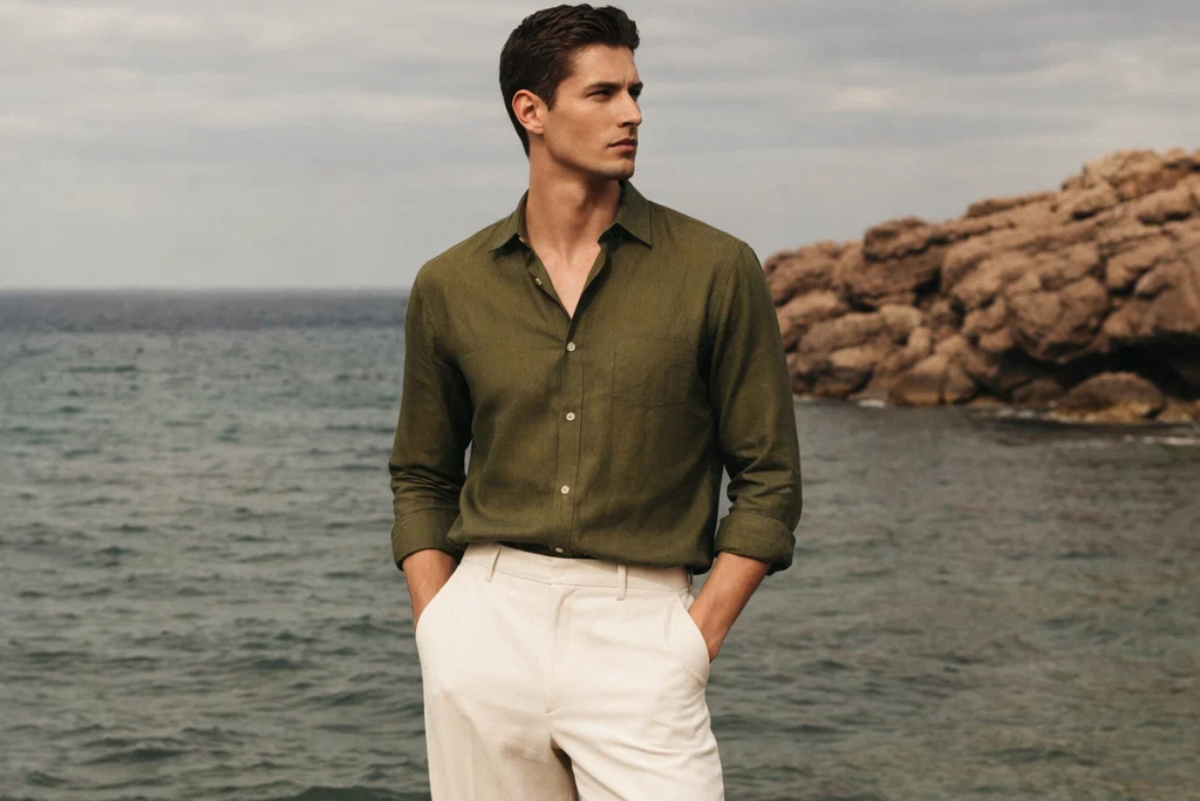
غالبًا ما يرتبط الكتان بملابس المنتجعات - لكن الخياطة الحديثة أعادت تعريف مكانه في خزائن الملابس اليومية.
اليوم، الكتان يعمل بلا عناء من أجل:
-
السترات المنظمة
-
السراويل الواسعة
-
فساتين القمصان الراقية
-
الخياطة المريحة
-
المجموعات البسيطة
يضيف نسيج الكتان الطبيعي عمقًا هادئًا إلى التصميمات النظيفة. إنه يشعر بالرقي دون أن يكون جامدًا.
بالنسبة للنساء اللواتي يقدّرن الأناقة البسيطة، يتناسب الكتان تمامًا مع الجمالية البسيطة.
دحض أسطورة "الكتان يتجعد كثيرًا"
غالبًا ما يُنظر إلى التجعد على أنه عيب في الكتان.
في الواقع، إنه جزء من أصالته.
على عكس الأقمشة الصناعية التي تحافظ على مظهر صلب ومصطنع، يتحرك الكتان مع الجسم. ويعكس تجعده اللطيف حركة الألياف الطبيعية.
الكتان المصمم جيدًا يتجعد بنعومة وأناقة - ولا يبدو فوضويًا أبدًا، بل يبدو وكأنه عاش الحياة.
في عالم الموضة الفاخرة، تُقدّر الملمس. وملمس الكتان هو توقيعه.
لماذا الكتان مثالي للسفر
إذا كنت تسافر كثيرًا إلى وجهات دافئة، فإن الكتان هو أحد أذكى الأقمشة التي يمكنك حزمها.
إنه:
-
خفيف الوزن
-
موفر للمساحة
-
سهل الطبقات
-
متعدد الاستخدامات من النهار إلى المساء
يمكن تحويل سترة كتان فوق فستان خفيف الوزن بسلاسة من استكشاف النهار إلى أماكن العشاء.
طقم الكتان المصمم خصيصًا يناسب راحة المطار والوصول الأنيق.
قليل من الأقمشة تقدم هذا التوازن.
الفوائد الصحية للألياف الطبيعية
الكتان مضاد للحساسية ومضاد للبكتيريا بشكل طبيعي.
على عكس المواد الاصطناعية التي تحبس البكتيريا والروائح، يعزز الكتان تدفق الهواء ويقلل من التهيج - وهو أمر مهم بشكل خاص للبشرة الحساسة في الطقس الحار.
لأنه نباتي، فإنه يتجنب التركيب القائم على البلاستيك للبوليستر وغيرها من المواد الاصطناعية.
اختيار الأقمشة الطبيعية لا يتعلق بالاستدامة فقط - بل يتعلق أيضًا بالرفاهية.
الاستثمار في الكتان الذي يدوم
الجودة مهمة.
ليس كل الكتان متساوٍ في الجودة. ابحث عن:
-
تركيبة 100% كتان
-
نسيج متوسط إلى ثقيل للهيكل
-
خياطة مدروسة
-
درزات معززة
يمكن لقطع الكتان المصنوعة جيدًا أن تدوم لسنوات، وتزداد جمالًا بمرور الوقت.
هذا هو عكس الموضة السريعة. إنه شراء مقصود.
لماذا نصمم بكتان 100%
في زافي، الكتان هو أساس.
نحن نصمم بأقمشة نباتية 100% لأنها:
-
أداء أفضل في الحرارة
-
إحساس أفضل على البشرة
-
تدوم لفترة أطول
-
تتوافق مع العيش الواعي
قطع الكتان لدينا منظمة، بسيطة، ومناسبة لجميع الفصول — صُنعت لتنتقل بسلاسة بين المناخات والمناسبات.
لا توجد خلطات. لا توجد مواد صناعية. لا يوجد تهاون في التهوية.
أفكار أخيرة: الخيار الأذكى للطقس الدافئ
عند ارتداء الملابس في الطقس الحار، يجب ألا يتنافس الراحة والأناقة.
الكتان يقدم كلاهما.
إنه مسامي دون أن يكون غير رسمي. منظم دون أن يكون ثقيلًا. مستدام دون التضحية بالأسلوب.
إذا كنت تبني خزانة ملابس تدعم المناخات الدافئة، والسفر، والبساطة العصرية، فإن الكتان ليس مجرد خيار - بل هو الأساس.
اكتشف الكتان 100%
استكشف مجموعة ZAVI من الكتان 100% واختبر ملابس مصممة لتتنفس، وتتحرك، وتدوم.
لأن ارتداء ملابس الصيف الحقيقية يبدأ بالقماش المناسب.