

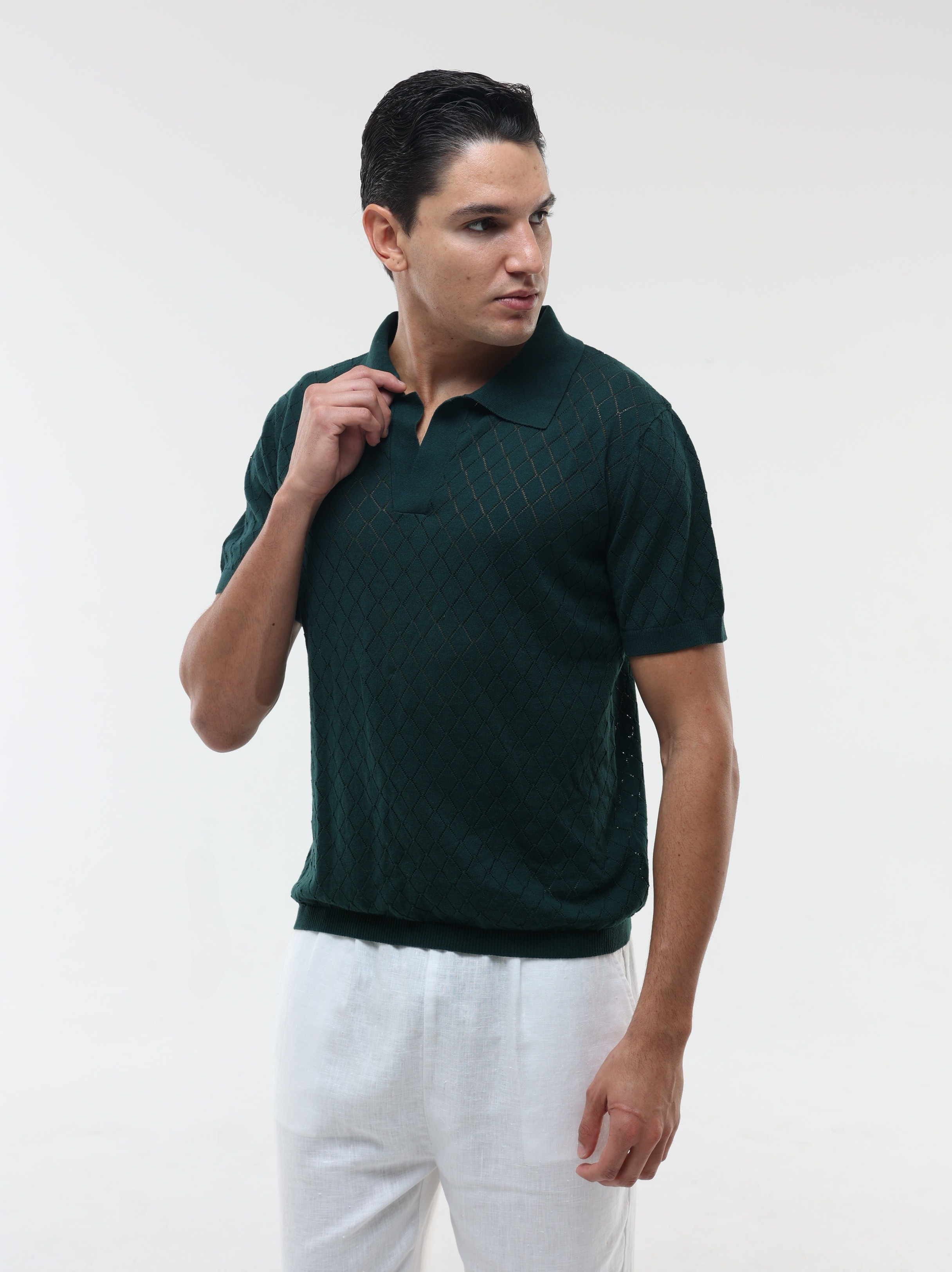

أطقم متناسقة أم قطع منفصلة: أيهما أفضل؟
في بعض الأحيان، يكون ارتداء الملابس تمرينًا في التنسيق. وفي أحيان أخرى، يكون مسألة وقت. وهنا يأتي دور الأطقم المتناسقة مقابل القطع المنفصلة ليصبح سؤالًا حقيقيًا في خزانة الملابس، وليس مجرد حديث عن صيحات الموضة. إذا كنت ترغبين في ملابس أنيقة، ترتدينها كثيرًا، وتناسب الأيام المزدحمة، فإن الاختيار مهم.
بالنسبة لخزانة الملابس العصرية، كلاهما له قيمة. الأطقم المتناسقة تمنحك هيكلًا فوريًا. القطع المنفصلة تمنحك تنوعًا. يعتمد الخيار الأفضل على كيفية قضائك لأسبوعك، ومقدار المرونة التي تريدها من كل قطعة، وما إذا كانت خزانة ملابسك مبنية على السهولة أو التكرار أو التنوع.
الأطقم المتناسقة مقابل القطع المنفصلة: الفرق الحقيقي
تم تصميم الطقم المتناسق ليتم ارتداؤه معًا. فكر في قميص كتان مع شورت متناسق، أو سترة مع بنطلون من نفس القماش، أو قطعة علوية محبوكة مع تنورة متناسقة. اللون والقماش والتشطيب متناسقون بالفعل، لذلك تبدو الإطلالة مدروسة قبل أن تضيف أي شيء آخر.
القطع المنفصلة هي قطع فردية يتم تنسيقها في إطلالة. قميص قطني ناصع مع بنطلون مصمم، أو قطعة علوية بلا أكمام مع تنورة متوسطة الطول، أو سترة فضفاضة فوق بنطلون بقصة واسعة من قماش مختلف كلها تندرج تحت هذه الفئة. إنها تتطلب منك المزيد، ولكنها أيضًا تفتح لك المزيد من التوليفات.
الفرق ليس مجرد تنسيق مقابل عدم تنسيق. إنه يتعلق بمدى اتخاذك للقرار في الوقت الحالي، ومقدار التنوع الذي تريده في التنسيق على المدى الطويل.
لماذا تعمل الأطقم المتناسقة بشكل جيد
تتسم الأطقم المتناسقة بالفعالية بأفضل طريقة. إنها تزيل التخمين دون أن تجعلك تبدو مبالغًا فيه. وهذا التوازن هو السبب في أنها أصبحت خيارًا قويًا لملابس العمل والسفر والأزياء الأنيقة غير الرسمية.
الطقم الجيد يخلق وضوحًا بصريًا. الخط متواصل، والنسب تبدو مقصودة، والإطلالة العامة تبدو راقية بجهد قليل جدًا. في ملابس الطقس الدافئ خاصة، هذا مهم. الكتان الخفيف أو القطن القابل للتنفس في تركيبة علوية وسفلية متناسقة يبدو أنيقًا ومريحًا في نفس الوقت.
هناك أيضًا مسألة قابلية الارتداء. غالبًا ما يفترض الناس أن الأطقم أقل تنوعًا لأنها مصممة لتناسب بعضها البعض. من الناحية العملية، يمكن للطقم المصمم جيدًا أن يفعل الأمرين. يمكنك ارتداؤه كإطلالة كاملة عندما تحتاج إلى السرعة، ثم تقسيمه على مدار الأسبوع. القميص يناسب الجينز. البنطلون يناسب قطعة علوية ضيقة. الصدرية تناسب الفستان أو التنورة.
ومع ذلك، ليست كل مجموعة تستحق مكانتها. إذا كان التصميم يتبع أحدث الصيحات كثيرًا أو كان القماش يبدو مناسبًا لمناسبة معينة، فقد ترتديه بطريقة واحدة فقط. أفضل الأطقم المتناسقة تتميز بخطوط نظيفة، ونسب عملية، وجودة قماش تدعم الارتداء المتكرر.
أين لا تزال القطع المنفصلة تفوز
القطع المنفصلة هي العمود الفقري لخزانة الملابس القابلة للتنسيق لسبب وجيه. إنها تتيح لك تعديل أي إطلالة قطعة بقطعة بناءً على المزاج والطقس والجدول الزمني وقواعد اللباس. إذا تحرك يومك من الاجتماعات إلى العشاء، أو من ساعات العمل إلى المهام، فقد يكون من الأسهل تكييف القطع المنفصلة.
كما أنها أفضل للفروق الدقيقة في التنسيق الشخصي. ربما تفضل بنطالًا أوسع مع قطعة علوية أكثر أناقة. ربما تحب ارتداء الملابس بنفس اللون ولكن ليس بنفس درجة اللون بالضبط. ربما يكون من الصعب أن تناسب نسب جسمك طقمًا قياسيًا من قطعة علوية وسفلية. القطع المنفصلة تمنحك التحكم.
هذا مهم أيضًا لطول العمر. عندما يجب أن يتناسب كل عنصر مع عدة عناصر أخرى، فإنك تميل إلى الشراء بنية أكبر. بنطال أسود مصمم، قميص أبيض قابل للتنفس، سترة مصممة، وقطعة علوية ناعمة محبوكة يمكن أن تنتج أسابيع من الإطلالات دون الشعور بالتكرار.
المقايضة واضحة. تتطلب القطع المنفصلة المزيد من الاهتمام. تحتاج إلى بعض الإحساس بالنسب وتوازن الألوان والملمس. ليس تنسيقًا على مستوى الخبراء، ولكن بما يكفي لتجنب مظهر يبدو عرضيًا بدلًا من كونه بسيطًا.
الأطقم المتناسقة مقابل القطع المنفصلة لملابس العمل
بالنسبة لملابس العمل، يعتمد الخيار الأفضل على بيئة عملك. في المكاتب التي تهم فيها الأناقة ولكن البدلة الكاملة تبدو رسمية للغاية، تقدم الأطقم المتناسقة حلاً وسطًا قويًا. سترة وبنطال متناسقان، أو صدرية وبنطال من نفس القماش، يبدوان أنيقين دون أن يشعرا بالجمود.
الجاذبية تكمن في السرعة. يمكنك ارتداء ملابسك في دقائق وما زلت تبدو متألقة. أضف بعض المجوهرات البسيطة، وحقيبة منظمة، وحذاء مسطح أو بكعب أنيق، وها قد اكتملت إطلالتك.
تعمل القطع المنفصلة بشكل أفضل عندما يميل أسلوب مكتبك إلى أن يكون أكثر راحة أو عندما تحتاج إلى المزيد من التنوع من عدد أقل من القطع. يمكن لسترة محايدة تُرتدى فوق قمصان وبناطيل وتنانير مختلفة أن تزيد من خزانة ملابسك أكثر من زوج ثابت واحد. إذا كنت تتنقل كثيرًا، أو ترتدي طبقات متعددة، أو تتعامل مع درجات حرارة داخلية متغيرة، فإن القطع المنفصلة عادة ما تكون أسهل في الإدارة.
غالبًا ما تجمع خزانة ملابس العمل الأكثر ذكاءً بين الاثنين. احتفظي ببعض الأطقم الموثوقة لصباحاتك المزدحمة واستخدمي القطع الأساسية المنفصلة لتنسيقها حولها.
للسفر والمناخات الدافئة، السهولة مهمة
السفر يغير المعادلة. عندما تكون مساحة الحقيبة محدودة، يجب أن يكون كل عنصر فعالاً. وهنا تتألق الأطقم المتناسقة بشكل استثنائي. تمنحك المجموعة القابلة للتنفس من الكتان أو القطن إطلالة كاملة بقرار تعبئة واحد. ارتدها معًا للحصول على مظهر متناسق في المطار أو العطلة، ثم نسق كل قطعة على حدة بمجرد وصولك.
تفضل المناخات الدافئة أيضًا الملابس المنسقة لأن الأقمشة الأخف والطبقات البسيطة تبدو أفضل عندما تكون لوحة الألوان محدودة. تبدو المجموعة أحادية اللون أو ذات الدرجات اللونية الهادئة، وعصرية، ومناسبة للحرارة.
لا تزال القطع المنفصلة تحتل مكانة في خزائن ملابس السفر، خاصة إذا كان مسار رحلتك يمتد عبر أماكن مختلفة. يمكن لقميص أنيق، وبنطال مريح، وقطعة علوية بسيطة، وسترة خفيفة أن تقدم لك المزيد من التنسيقات. ولكن إذا كنت تميل إلى الإفراط في التعبئة أو تجد صعوبة في بناء الإطلالات أثناء السفر، فإن الأطقم المتناسقة تقدم حلاً أكثر وضوحًا.
القماش يغير كل شيء
إذا كان هناك عامل واحد يجعل أي خيار يبدو راقيًا، فهو القماش. الأطقم المتناسقة المصنوعة من مواد صناعية أو لامعة أو صلبة يمكن أن تبدو كزي تنكري بسرعة. أما القطع المنفصلة المصنوعة من قماش رديء الجودة فقد تفقد شكلها وتجعل حتى الإطلالة المدروسة تبدو باهتة.
تميل الأقمشة الطبيعية والنباتية إلى جعل كلا الفئتين في مكان أكثر عملية للارتداء. الكتان له نسيج وخفة تناسب الأطقم المتناسقة بشكل جميل. القطن يوفر هيكلاً بدون ثقل، مما يجعله مفيدًا للقمصان، والشورتات المصممة، والبناطيل، والسترات الواقية. تدعم هذه الأقمشة الارتداء المتكرر لأنها مريحة، وتتنفس جيدًا، وتتعتّق بشكل طبيعي أكثر.
هذا مهم بشكل خاص إذا كنت تريد أن تظل خزانة ملابسك ذات صلة بعد موسم واحد. غالبًا ما يحدد القماش ما إذا كانت القطعة تبدو عصرية لمدة شهر أو مفيدة لسنوات.
كيف تختار ما يناسب خزانة ملابسك
إذا كنتِ تتخذين قرارًا بين الأطقم المتناسقة والقطع المنفصلة، فابَدئي بعاداتك بدلاً من طموحاتك. حتى أجمل خزانة ملابس تفشل إذا لم تتطابق مع حياتك الواقعية.
إذا كنت ترتدين ملابسك بسرعة، وتسافرين كثيرًا، أو ترغبين في تقليل الاحتكاك في الصباح، فاجعلي الأطقم المتناسقة أولويتك. إنها تمنحك الثبات وتقلل من القرارات غير الضرورية. إذا كنت تستمتعين بالتنسيق، وتحتاجين إلى المزيد من التنوع في المكتب، أو تفضلين ضبط المقاس والنسب بدقة، فاستثمري بشكل أكبر في القطع المنفصلة.
من المفيد أيضًا النظر إلى التكلفة لكل ارتداء بطريقة عملية. يمكن للمجموعة أن تبرر نفسها إذا كانت كلتا القطعتين تعملان معًا وبشكل منفصل. يجب أن تكسب القطعة المنفصلة مكانها من خلال التنسيق مع ثلاثة أو أربعة عناصر موجودة على الأقل. هذا الفلتر البسيط يحافظ على خزانة الملابس نظيفة وعملية.
بالنسبة للكثير من الناس، الإجابة ليست إما هذا أو ذاك. إنها مزيج متوازن. قد تتضمن خزانة ملابس مصممة بعناية مجموعتين أو ثلاث مجموعات من الأقمشة القابلة للتنفس لإنشاء إطلالات فورية، ثم أساسًا من القطع المنفصلة الراقية التي توسع هذه الإطلالات عبر الفصول.
خزانة الملابس الحديثة لا تحتاج إلى اختيار طرف
تُبنى أقوى خزائن الملابس على صيغ قابلة للتكرار. الأطقم المتناسقة هي صيغة واحدة. القطع المنفصلة هي صيغة أخرى. لا شيء منهما أكثر رقيًا بشكل افتراضي. ما يهم هو مدى ملاءمة كل منهما ليومك ومناخك وأسلوبك.
إذا كانت جماليتك بسيطة، ومصقولة، ومقصودة، فكلاهما يمكن أن يعمل بشكل جميل. الطقم المتناسق يمنحك تأثيرًا واضحًا. القطعة المنفصلة تمنحك حرية التنسيق. الهدف ليس إثبات أنه يمكنك فعل المزيد بجهد أقل أو جهد أكبر بعدد أقل من القطع. الهدف هو جعل ارتداء الملابس يبدو واضحًا.
لهذا السبب تميل العلامات التجارية مثل ZAVI إلى كل من الملابس المنسقة وأساسيات خزانة الملابس المتنوعة. لا تُبنى خزانة الملابس العصرية حول الزيادة. إنها مبنية حول قطع مريحة، وتُرتدى بشكل جيد، وتستمر في الظهور.
اختر الخيار الذي يجعلك ترغب في ارتدائه مرة أخرى غدًا. هذا هو الخيار الصحيح عادة.