
How to Wear Relaxed Blazers for Modern Style
A relaxed blazer changes the energy of an outfit before you add anything else. It brings structure without stiffness, polish without feeling overdone. Knowing how to wear relaxed blazers is less about following a formula and more about balancing their easy shape with intentional proportions, texture, and color.
The appeal is simple: a softly cut blazer works as hard as traditional tailoring, but feels more natural in real life. Choose one in breathable linen, cotton, or a considered blend, then style it as the adaptable layer it is meant to be.
How to Wear Relaxed Blazers: Start With Proportion
A relaxed blazer has room through the shoulders, body, or sleeves. That ease is what makes it modern, but it also means the pieces underneath matter. The goal is not to make every element oversized. Instead, create contrast.
If your blazer falls below the hip, pair it with a more defined base: straight-leg trousers, slim jeans, a column skirt, or a fitted knit top. This gives the look shape while preserving the blazer's effortless line. A cropped or hip-length relaxed blazer can work beautifully with wider trousers or a flowing midi skirt, especially when the waist is visible through a tucked-in top.
Shoulders are the first fit point to check. A relaxed shoulder can extend slightly beyond your natural shoulder line, but it should not collapse or pull across the back. The sleeves should feel generous enough to layer over a shirt or lightweight knit without looking bulky. If they run long, a single cuff or a pushed-up sleeve creates definition at the wrist and lets the outfit feel less formal.
Let the hem guide the outfit
The length of your blazer determines much of the styling. Longer styles create a clean vertical line and suit tailored pants, dark denim, and fitted dresses. Shorter relaxed blazers bring balance to high-rise pants and skirts. If you are wearing a full-length trouser, a blazer that covers part of the hip often looks more refined than one that ends at the widest point of the body.
There is no need to chase a sharply cinched silhouette. A relaxed blazer should skim, not squeeze. If you want more shape, use a tucked top, a high waist, or an open front rather than forcing the blazer to do all the work.
Build an Easy Workday Uniform
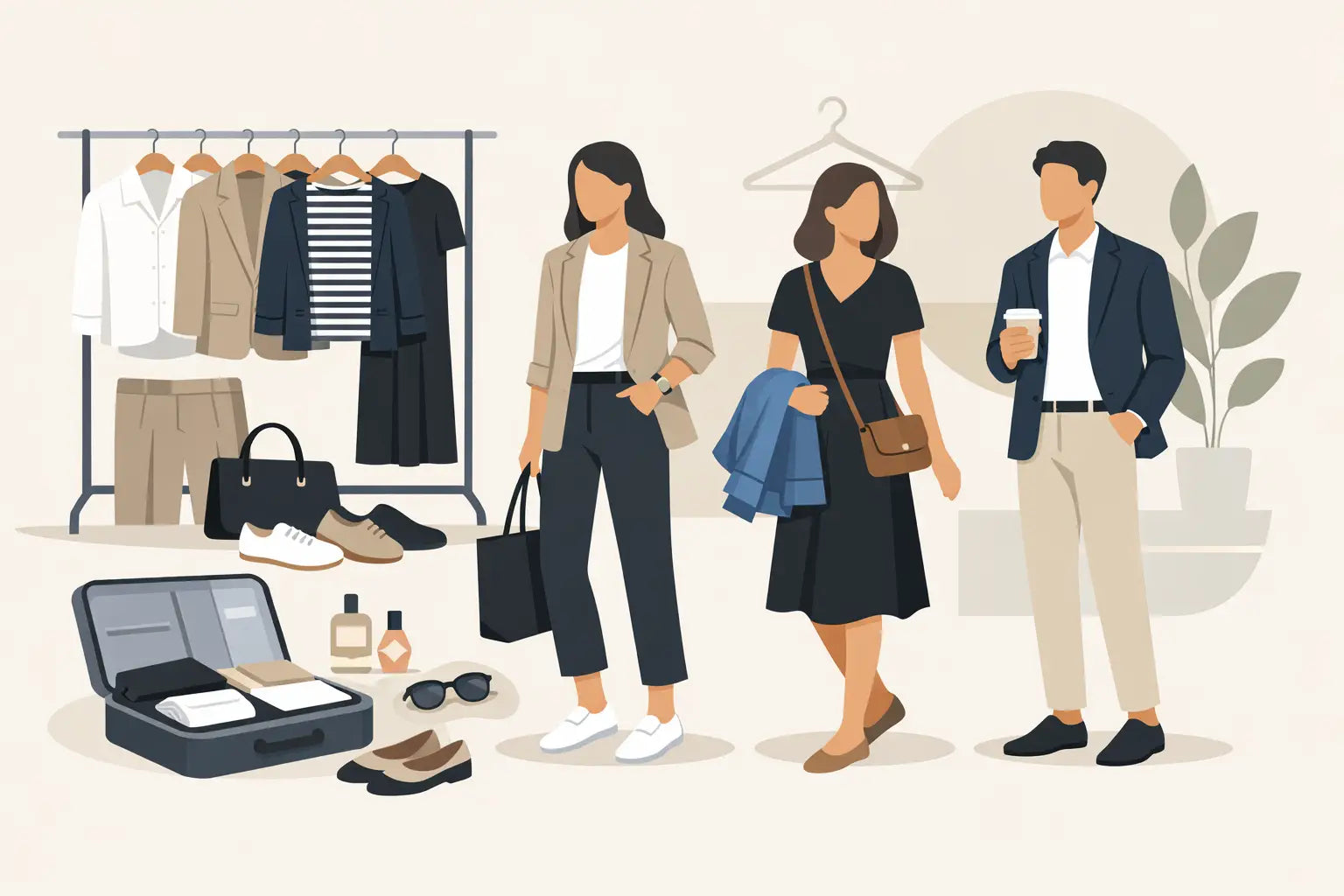
For workwear, relaxed tailoring gives you range. It looks composed for meetings but never feels as restrictive as a rigid suit jacket. Start with a blazer and trouser in the same color family for a quiet, lengthening effect. Black, soft ivory, charcoal, stone, navy, and warm brown are easy foundations that repeat well across a wardrobe.
A matching set is the most direct route to an elevated look. Wear it with a fine cotton tee for a more relaxed office, or choose a sleeveless shell or crisp shirt when you want a sharper finish. Keep the shoes clean and considered: loafers, low heels, pointed flats, or minimal leather sneakers all work depending on the setting.
For a less uniform approach, pair a neutral blazer with tailored pants in a complementary shade. A sand linen blazer with black trousers feels modern and grounded. A dark blazer with ecru pants feels lighter without losing structure. Keep the top close to the body and low in visual contrast if you want the blazer to remain the focus.
In warm climates, fabric matters as much as the cut. Linen and cotton help a blazer hold its shape while staying breathable. Natural fabrics may crease through the day, particularly linen. That is part of their character. Choose a slightly textured finish and treat soft creasing as a sign of ease, not a flaw to eliminate.
Make Denim Feel Intentional
A relaxed blazer and denim combination works because it brings tailored and casual pieces into the same frame. The difference between polished and accidental is usually in the wash, fit, and footwear.
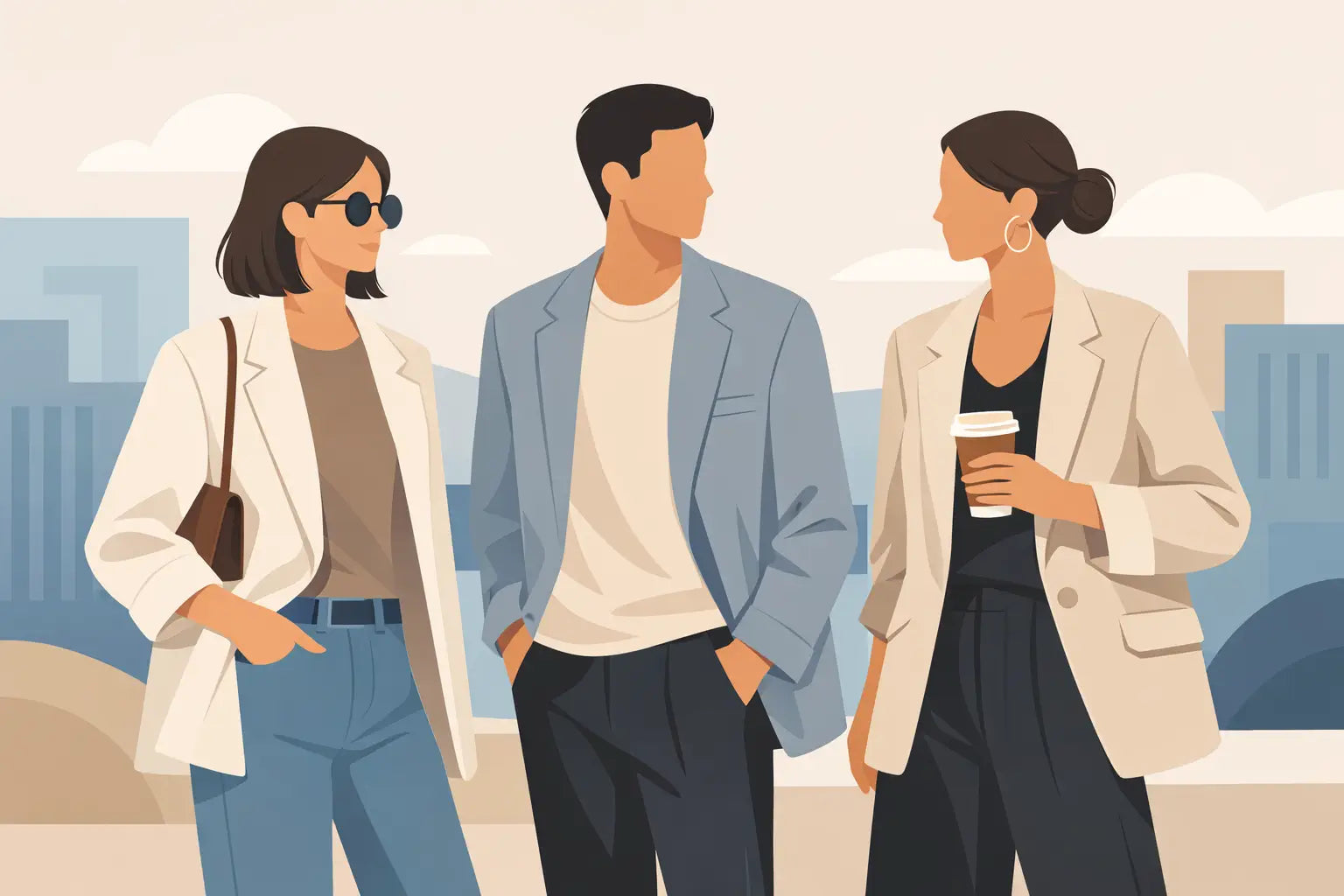
For a clean daytime outfit, wear a neutral blazer with straight-leg blue jeans, a simple tank or fitted T-shirt, and loafers or sleek sneakers. Choose denim with a medium or dark wash and minimal distressing when you want the look to feel elevated. A light wash can work, too, especially with an ivory, beige, or pale blue blazer, but keep the rest of the outfit uncomplicated.
For evening, switch to black or deep indigo denim and add a fine knit, satin-look camisole, or structured bodysuit. A blazer with a slightly longer line creates a strong contrast against fitted jeans. Add a small bag and a pointed shoe, then leave the blazer open for an effortless finish.
Avoid combining a very oversized blazer, extremely baggy jeans, and heavy shoes unless you are deliberately creating a fashion-forward volume play. It can work, but it depends on your height, the weight of the fabric, and how much structure the pieces retain. For everyday styling, one relaxed element is often enough.
Use Dresses and Skirts for Soft Contrast
A blazer is one of the easiest layers to add to a dress because it gives softness a clear frame. Over a slip dress, a relaxed blazer creates a balanced day-to-night look. Over a fitted knit dress, it adds coverage and a composed finish without hiding the shape beneath.
For modest, minimal dressing, consider a blazer over a midi dress with a clean neckline and long, fluid line. Keep the blazer open and choose a length that either ends above the dress hem or is noticeably shorter than it. When the two hems land almost at the same point, the proportions can feel visually crowded.
With skirts, think in terms of volume. A straight or bias-cut midi skirt pairs easily with a relaxed blazer because both pieces have movement without competing. A fuller skirt can also work, but a shorter blazer or a defined waist will help keep the silhouette balanced.
Choose Color With a Capsule Mindset
A relaxed blazer earns its place when it can move across multiple outfits. Start with a shade that works with at least three bottoms already in your closet. This is where a considered, repeat-wear approach pays off.
Black and navy offer the most versatility for work-to-evening dressing. Oatmeal, stone, and soft beige bring warmth to denim, white pants, and tonal outfits. Olive, chocolate, and muted blue add depth while remaining easy to style. If you choose a statement color, keep the cut clean and let the blazer carry the visual interest.
Tonal dressing is especially effective with relaxed tailoring. Pair similar shades rather than exact matches: cream with sand, charcoal with black, or olive with khaki. The result feels intentional, even when the fabrics are different. Texture keeps it from looking flat. A linen blazer with cotton trousers or a fine knit creates quiet dimension.
Finish the Look With Deliberate Details
The final details should support the blazer, not compete with it. A structured tote makes a relaxed blazer feel work-ready. A compact shoulder bag shifts it toward evening. Jewelry can stay minimal: small hoops, a watch, or one sculptural ring is often enough.
Pay attention to the neckline underneath. A crewneck T-shirt feels clean and casual. A V-neck or open-collar shirt lengthens the upper body and gives the outfit a more tailored direction. A high-neck knit works well in cooler weather, particularly with an open blazer and straight-leg pants.
Buttoning also changes the mood. Wear the blazer open for movement and a longer line. Fasten one button when you want more shape or need a more formal finish. If the blazer is designed with a relaxed fit, do not expect it to close like a traditional fitted jacket. Comfort at the button is a better measure than a pulled, overly defined waist.
A relaxed blazer is not reserved for the office or a special occasion. It is the layer that makes simple clothes feel considered. Start with the pieces you already reach for, keep the proportions clear, and let breathable, well-made fabric do what it does best: make getting dressed feel easier.