
A Guide to Modern Modest Styling That Works
The best modest outfits do not feel like compromises. They feel intentional: a crisp poplin shirt with wide-leg trousers, a fluid dress under a tailored blazer, or a matching set that moves easily from a morning meeting to dinner. This guide to modern modest styling is about creating that sense of ease while keeping proportion, comfort, and personal expression in view.
Modern modest dressing is not one uniform silhouette. For some, it means fuller coverage through longer hems and sleeves. For others, it is a preference for relaxed shapes, less body-conscious fits, or an edited wardrobe with more polish and less noise. The common thread is considered dressing that still feels current.
Start With Shape, Not More Fabric
A modest wardrobe works best when every added inch of coverage has a purpose. Simply choosing oversized pieces can create volume without direction. Instead, balance a relaxed garment with one clean line: pair an elongated shirt with straight trousers, a full midi skirt with a more defined knit, or a loose tunic with a structured waistcoat.
Proportion is the difference between covered and composed. If your top is long and fluid, let the bottom have some shape, whether that is a wide leg with a high waist or a straight-cut pant. If you prefer a maxi dress, look for subtle tailoring at the shoulder, waist, or cuff. These details give the eye somewhere to land without making the outfit feel restrictive.
Length matters, but so does movement. A hem that falls below the knee, a wide cuff, or a longline layer can offer the coverage you want while maintaining a modern silhouette. Avoid treating every piece as an independent solution. The outfit should work as one line from shoulder to shoe.
Build a Modern Modest Styling Foundation
The most useful wardrobe is built around a small group of dependable shapes. These are not trend pieces you need to rethink each season. They are the items that make getting dressed faster and make new purchases work harder.
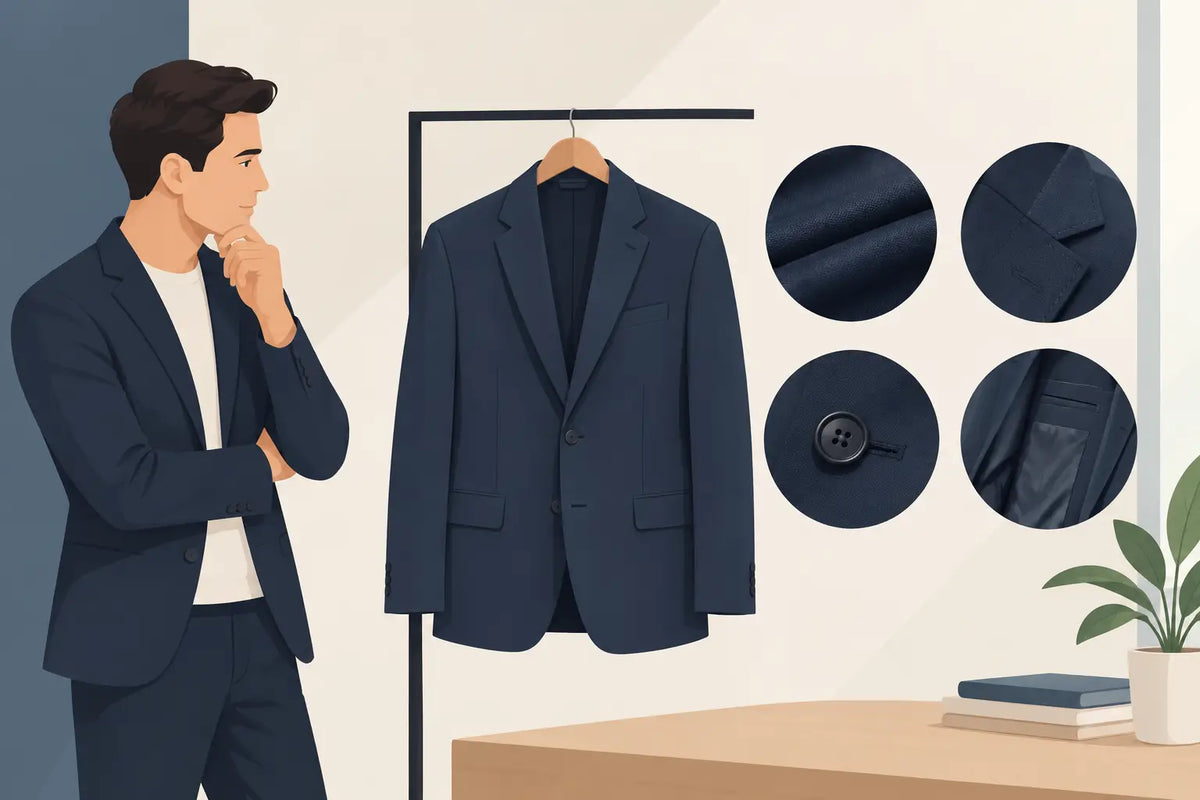
Start with well-cut trousers in black, stone, navy, or soft brown. A straight leg feels sharp for work, while a wider leg brings more ease for travel and warm weather. Add long-sleeve cotton shirts, refined knit tops, and elevated tees that can sit neatly under jackets or overshirts. Then choose one or two longline layers, such as a blazer, lightweight jacket, or open shirt.
Dresses and jumpsuits are equally valuable because they establish the outfit in one move. Look for pieces with relaxed sleeves, an adjustable waist, a column shape, or a softly flared skirt. A simple silhouette gives you more options: add a tailored layer for a professional setting, flat sandals for a weekend, or sleek boots when the weather turns.
Matching sets deserve a place here, too. They create a pulled-together look with very little effort, but their real value is flexibility. Wear the pieces together when you want a clean visual statement, then separate them to create several new outfits. A neutral co-ord can become the most productive item in a compact wardrobe.
Choose Fabrics That Support the Look
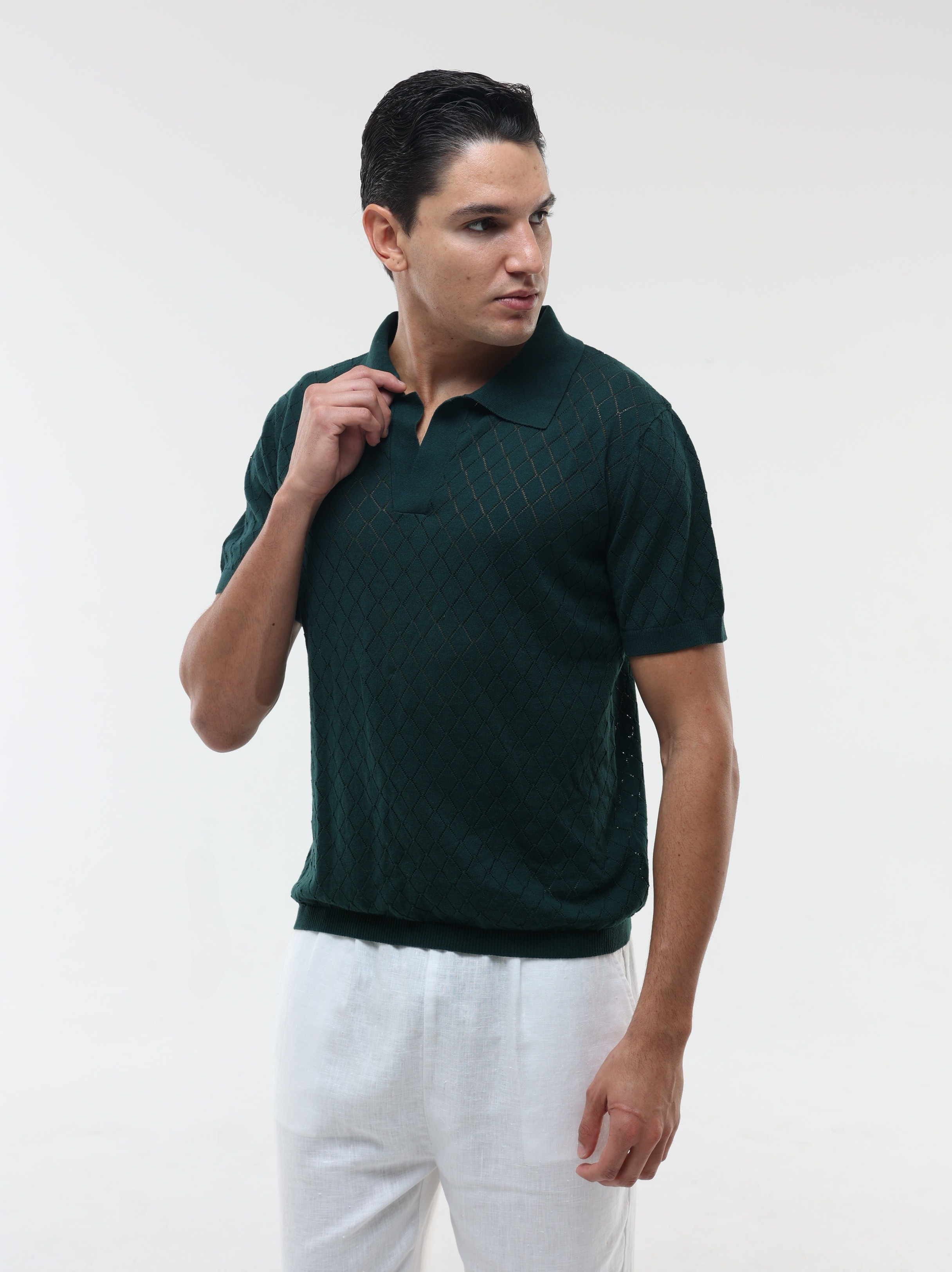
Modesty should not mean feeling weighed down. Fabric is especially important when your preferred style includes sleeves, layers, or longer hemlines. Natural and plant-based materials such as linen and cotton help garments breathe, drape naturally, and remain comfortable across a full day.
Linen has a relaxed texture that makes tailored shapes feel less formal. A linen blazer over a simple top and trouser can look polished without feeling overly corporate. Cotton poplin brings structure to shirts and dresses, holding a clean shape while remaining easy to wear. Softer cotton jersey works well for base layers, lounge sets, and casual tops that need to feel good against the skin.
There is a trade-off. Linen wrinkles, and a relaxed cotton piece may not deliver the same sharp finish as a synthetic-blend garment. That is not a flaw if you choose the fabric for the setting. For a day of travel or a warm weekend, lived-in texture can look refined. For an important presentation, choose a more structured cotton, a lined jacket, or a fabric with a denser weave.
Thoughtful fabric choices also support a wardrobe you can repeat. A piece worth keeping should feel good often, not only look good in a fitting room. ZAVI approaches this through consciously designed pieces in natural, plant-based fabrics that are made for real rotation.
Use Layers to Create Definition
Layering is one of the most effective tools in modern modest styling, but it needs restraint. The goal is definition, not bulk. Start with a breathable base, then add one purposeful outer piece: an open shirt, waistcoat, blazer, or lightweight jacket.
For work, try a sleeveless waistcoat over a long-sleeve shirt with tailored trousers. The waistcoat adds structure without the heaviness of a full suit jacket. For off-duty plans, layer an unbuttoned linen shirt over a fitted tee and relaxed pants. The result is covered, casual, and still considered.
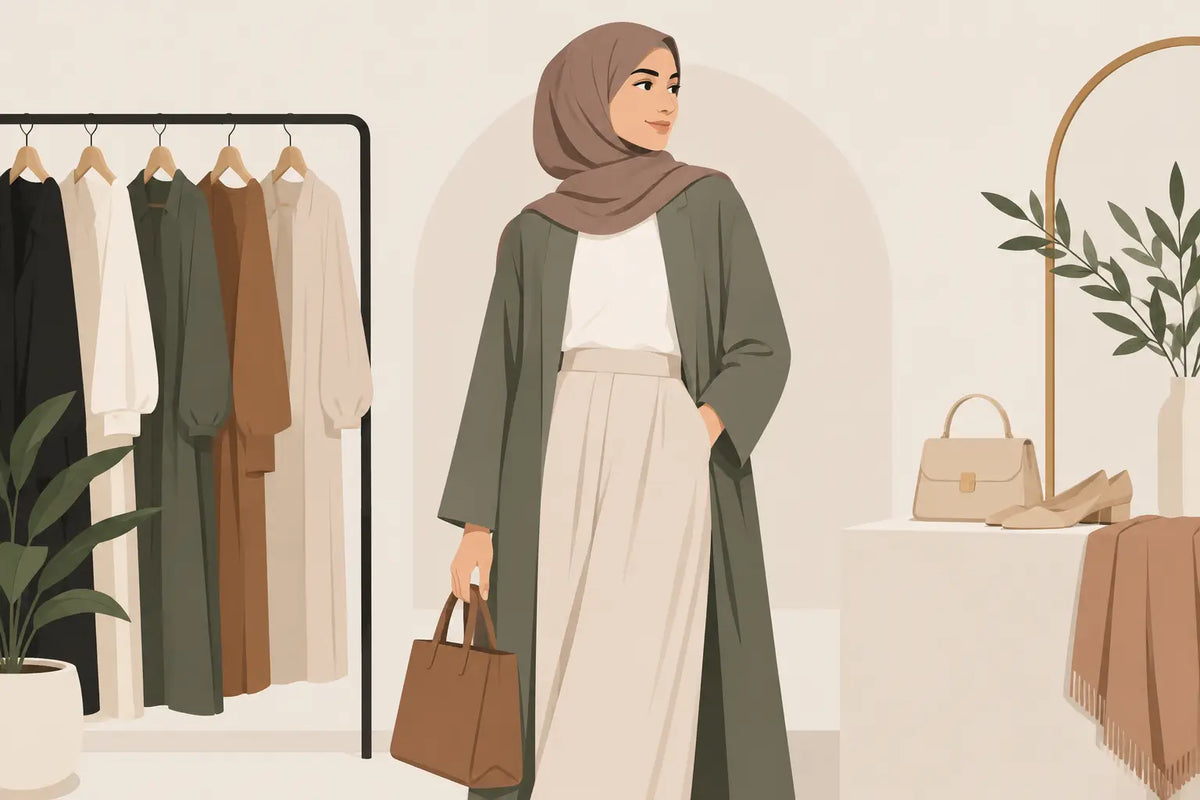
Color can make layers look intentional. Monochrome dressing in cream, black, olive, or chocolate extends the line of the body and makes separate pieces feel like a set. If you prefer contrast, keep it controlled. A white shirt under a black blazer is classic because the colors clarify the silhouette instead of competing with it.
Pay attention to sleeve and hem lengths when layering. A jacket that cuts at the widest point of the hip can feel awkward over a long top. An overshirt that is too close in length to the layer beneath it can make the outfit look crowded. Give each layer a clear role and a little space.
Keep the Palette Focused, Not Flat
Minimal styling is not limited to black, white, and beige. It is about choosing color with enough discipline that your wardrobe feels connected. Begin with two or three core neutrals, then introduce shades that complement them: sage with cream, burgundy with navy, or muted blue with warm gray.
Tone-on-tone dressing is particularly useful for modest silhouettes because it lets volume read as elegant rather than busy. A sand-colored shirt with oat trousers and tan shoes feels calm and directional. The pieces do not need to match exactly. Slight variation in texture and shade creates depth.
Print can work, but placement matters. A small stripe, subtle check, or restrained botanical print is easier to wear when the silhouette is already relaxed. If the garment has a strong print, keep the surrounding pieces simple and let it be the only visual focus.
Make Workwear Flexible
Modern workwear has to meet more than one demand. It should look credible in a meeting, feel comfortable during a long commute, and transition easily when the day extends beyond the office. The answer is not a closet full of formal pieces. It is a tighter collection of adaptable ones.
A longline blazer, straight trousers, and a clean shirt form a reliable foundation. Shift the mood with shoes and accessories rather than replacing the outfit. Loafers and a structured bag read polished. Minimal sneakers and a softer tote make the same pieces feel more relaxed.
When dress codes are less formal, try a matching vest and trouser set over a fitted cotton top, or a midi dress with a lightweight jacket. These combinations have enough structure for professional settings while retaining the comfort that makes them wearable on repeat.
Let Accessories Finish, Not Overwhelm
Accessories should reinforce the outfit's clean lines. A defined belt can bring shape to a loose dress. A leather loafer or pointed flat adds polish to wide-leg trousers. A sculptural earring, fine watch, or simple scarf can provide personality without turning a quiet outfit into a crowded one.
The key is to choose one area of emphasis. If your outfit includes a strong shoulder line, keep jewelry light. If you are wearing a flowing neutral set, a distinctive bag or shoe can create contrast. Modern modest style feels strongest when the details are edited, not absent.
Before you buy another separate, ask a practical question: can it work with three pieces you already own? If the answer is yes, it has a chance of becoming part of your real wardrobe rather than a one-season idea. Choose the shirt that layers, the trouser that travels, and the dress that needs only a change of shoes to meet the next plan. That is where personal style becomes effortless.