
المقال: Polo Shirt Versus T Shirt: Which One Works?

Polo Shirt Versus T Shirt: Which One Works?
A well-built wardrobe does not need more options. It needs the right ones. The polo shirt versus t shirt decision often comes down to one question: do you want your outfit to feel relaxed, or relaxed with a little more structure? Both belong in a considered everyday rotation, especially when cut in breathable natural fabrics. The difference is in where each piece takes you.
A T-shirt is the uncomplicated essential. A polo carries the same ease but brings a collar, placket, and sharper outline to the look. Neither is automatically better. The right choice depends on the setting, the fabric, the fit, and what you pair it with.
Polo Shirt Versus T Shirt: The Core Difference
The T-shirt is defined by its crew, V-neck, or relaxed neckline and simple construction. It is casual by nature, designed for comfort and repeat wear. A quality T-shirt can look refined, but it still reads as off-duty first.
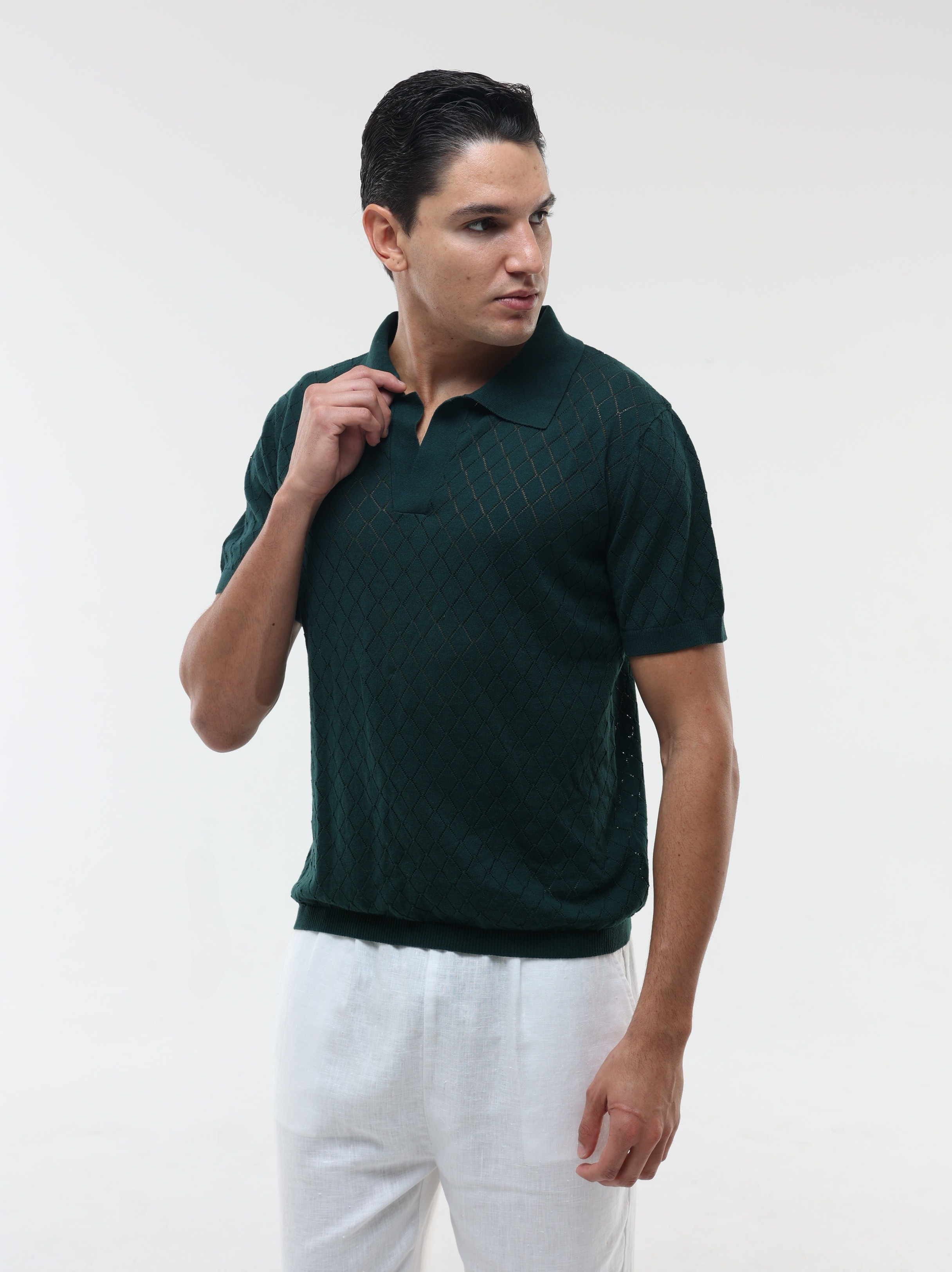
A polo shirt adds visual structure without becoming formal. Its soft collar frames the face, while the button placket creates a vertical detail through the chest. That small adjustment changes the entire effect. A polo is an easy bridge between a tee and a button-down shirt, making it particularly useful when a plain T-shirt feels too informal and a woven shirt feels too dressed up.
Think of the difference as attitude rather than rules. A crisp cotton polo with tailored trousers can suit a casual office, a lunch meeting, or a flight. A heavyweight cotton T-shirt with pleated pants and clean sneakers can do the same in a more modern, understated way. Styling decides the final message.
When a Polo Shirt Is the Better Choice
Choose a polo when you need a little polish without sacrificing comfort. It works especially well for smart-casual workdays, daytime events, restaurant plans, and travel days that begin early and end somewhere more social.
The collar is its advantage. It gives the upper body definition, which helps when the rest of the outfit is simple. Pair a short-sleeve polo with straight-leg chinos or linen trousers for warm-weather workwear. Add loafers or minimal leather sneakers, and the look feels intentional without becoming rigid.
A polo is also useful for people who prefer modest, clean lines. The neckline offers more coverage than many tees, while the silhouette stays easy and unfussy. For cooler conditions, layer it beneath a lightweight jacket, overshirt, or unstructured blazer. Keep the collar flat and natural rather than sharply popped.
Fabric matters here. Traditional piqué cotton has texture and breathability, giving a polo its familiar sporty finish. Smooth cotton jersey looks cleaner and more contemporary, closer to a refined T-shirt with a collar. Linen-cotton blends bring an airy, slightly relaxed character that suits resort settings and high-heat days. For frequent wear, natural fibers offer comfort that is felt immediately, not just seen.
When a T Shirt Makes More Sense
A T-shirt is the stronger choice when ease is the entire point. It is ideal for weekends, lounging, errands, relaxed travel, casual dinners, and layering beneath open shirts or jackets. Its simplicity allows other pieces to lead, whether that means tailored trousers, a statement jacket, or a matching set.
The best T-shirts are not disposable basics. Look for a fabric with enough weight to hold its shape, a neckline that sits flat, and sleeves that neither cling nor flare. A clean fit through the shoulder is more valuable than a body-hugging cut. It makes the shirt look composed on its own and easier to layer.
For a minimal wardrobe, start with a few dependable colors: white, black, soft gray, navy, cream, or muted earth tones. These shades create more outfit combinations and stay relevant beyond one season. A white cotton T-shirt with relaxed linen pants feels fresh in warm weather. A black tee with tailored trousers and a blazer creates a confident evening uniform.
The trade-off is formality. Even an excellent T-shirt can look too casual in more conservative workplaces, formal gatherings, or settings where a collar is expected. You can elevate it with fit and fabric, but a T-shirt cannot fully replace a polo when the dress code calls for a more finished top half.
Fit Changes Everything
Whether you choose a polo or T-shirt, fit is what turns a basic into a reliable wardrobe piece. The shoulder seam should sit close to the edge of your shoulder. If it drops too far, the garment can look oversized rather than intentionally relaxed. If it pulls, size up or choose a straighter cut.
A polo should skim the torso without pulling across the buttons. The hem usually looks best around mid-fly, long enough to wear untucked but not so long that it bunches over trousers. Sleeve length can vary, but it should feel balanced with your arm and the overall silhouette. A slim polo can feel dated if it is overly tight, while a subtly relaxed cut feels current and easier to wear.
For T-shirts, avoid extremes unless the rest of the outfit supports them. A very fitted tee can look restrictive. An extra-long tee can interrupt the proportion of tailored bottoms. A relaxed, straight shape with a slightly substantial neckline is often the most versatile option for a capsule wardrobe.
Consider texture, too. A smooth jersey T-shirt works beautifully under a blazer because it keeps the outfit clean. A textured piqué polo adds dimension to simple chinos or shorts. In both cases, the garment should retain its form after washing. Longevity is part of good design.
How to Style Each Piece With More Intention
A polo can take the place of a casual shirt. For an elevated daytime look, wear a neutral polo with pleated trousers and understated footwear. For vacation, combine it with linen shorts or relaxed drawstring pants. For work, choose a dark, solid-color polo and pair it with tailored pants, then add an unstructured blazer if the setting requires it.
A T-shirt offers more contrast. Wear a fitted-but-not-tight tee with wide-leg pants to balance volume. Tuck it into high-rise trousers for a clean waistline, or let it sit untucked with relaxed denim for an easy off-duty look. Under an open linen shirt, it becomes a practical light layer for warm climates and air-conditioned interiors.
Color can shift either piece from casual to refined. Deep navy, charcoal, olive, espresso, and warm ivory tend to look more elevated than bright, high-contrast shades. If you prefer a printed piece, keep the rest of the outfit quiet. Minimal wardrobes work because every item has room to be worn often.
Build a Smaller, Harder-Working Rotation
There is no need to choose one side permanently in the polo shirt versus T-shirt debate. A thoughtful wardrobe benefits from both. The T-shirt covers your most relaxed moments and acts as a foundation for layers. The polo steps in when you want the same comfort with more presence.
For most people, two or three well-made T-shirts and one or two polos in breathable, natural fabrics will cover a remarkable amount of life. Choose silhouettes that work with the trousers, shorts, jackets, and shoes you already reach for. Neutral colors make that process simpler, but the right muted color can add personality without limiting versatility.
ZAVI approaches everyday dressing with this kind of repeat-wear mindset: considered silhouettes, natural fabrics, and pieces that move easily between plans. The most useful purchase is rarely the loudest one. It is the top you can wear on Monday, pack for Friday, and reach for again next season.
Choose the T-shirt when the day asks for simplicity. Choose the polo when simplicity needs a sharper edge. Then let fabric, fit, and the rest of your wardrobe do the real work.