

Circular Fashion Starts With What You Rewear
A great blazer should not peak on the day it arrives. Neither should a linen shirt, a pair of tailored trousers, or the matching set you reach for whenever getting dressed needs to feel simple. Circular fashion begins with that idea: clothes should be designed, chosen, and cared for with more than one season in mind.
For a modern wardrobe, circularity is not about owning less for the sake of it. It is about owning pieces that work harder. Considered fabrics. Versatile silhouettes. Better care. A clear plan for what happens when a garment no longer serves you.
What Circular Fashion Means
The traditional fashion model is linear: make, buy, wear, discard. Circular fashion aims to interrupt that cycle. It keeps clothing in use for as long as possible through thoughtful design, repeat wear, care, repair, sharing, resale, and responsible end-of-life solutions.
That can sound abstract, but the daily version is straightforward. You choose a breathable cotton top that works under a blazer, with denim, and with relaxed trousers. You wash it carefully, mend a loose button instead of replacing it, and pass it on when it no longer fits your style or life. Its value does not end after a few wears.
The most circular garment is often the one already in your closet. This does not mean never buying something new. It means buying new pieces with enough purpose, quality, and styling potential to earn a lasting place.
Design for Repeat Wear
Circularity starts before checkout. A garment’s fabric, construction, fit, and versatility all influence how long it will be worn.
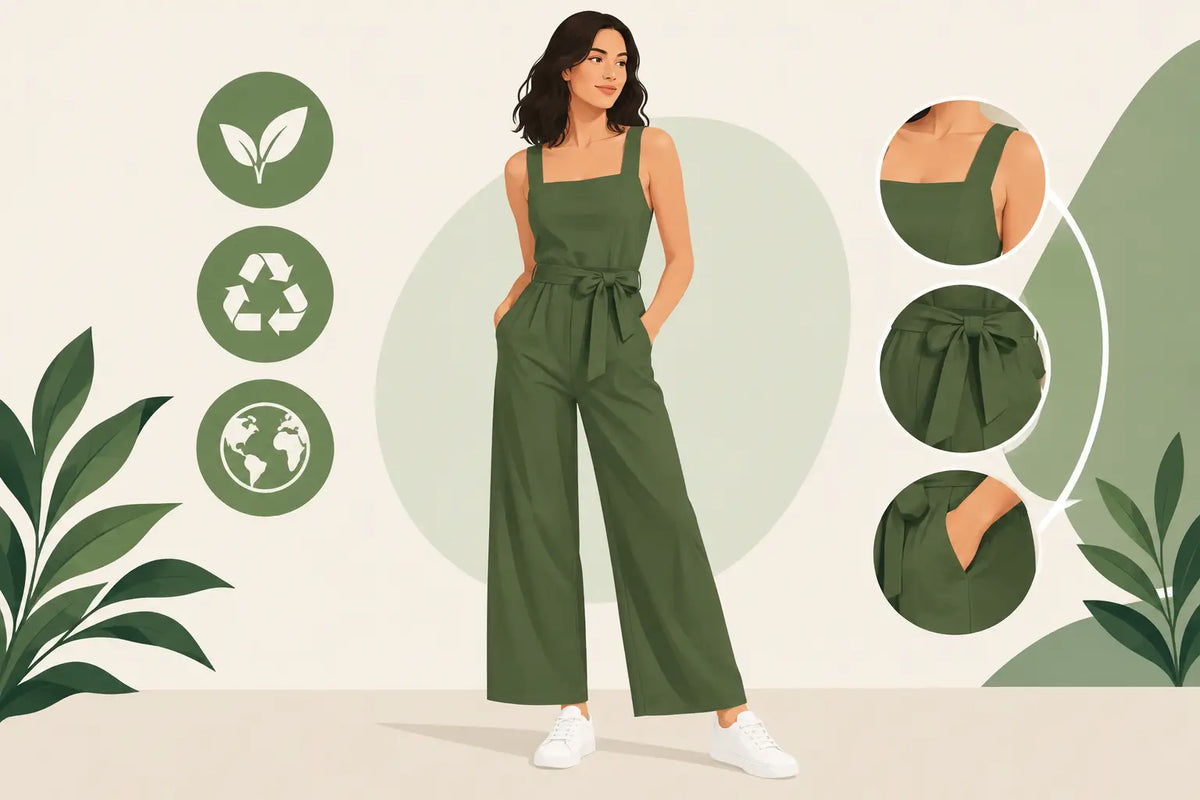
Natural and plant-based fabrics such as linen and cotton are a considered starting point for an everyday wardrobe. They are breathable, comfortable, and especially suited to warm climates, travel, and long days that move between work and off-duty plans. They also develop character over time. Linen’s relaxed texture and cotton’s easy softness can make familiar pieces feel more personal with wear.
Still, fabric alone does not make a garment circular. A beautiful material used in a piece that is difficult to style, uncomfortable, or poorly made is unlikely to stay in rotation. The best choices pair fabric with function: a shirt with room to layer, trousers with a flattering and wearable rise, a dress that can shift from daytime meetings to dinner, or a jacket that sharpens several outfits rather than one.
Minimal design helps here. Clean lines and well-resolved proportions tend to outlast short-lived novelty. That does not require a wardrobe without color or personality. It simply asks a useful question: can you imagine wearing this at least three different ways, in more than one setting?
Build outfits, not one-time looks
A single statement purchase can be exciting, but a connected wardrobe creates more wear. Look for pieces that speak to each other: a waistcoat that works with its matching trousers but also with denim; a relaxed button-down that can be worn open over a tank or tucked into a skirt; a polished knit that works with tailored pants and softer lounge-inspired separates.
Matching sets are particularly useful because they provide an immediate outfit while expanding into multiple combinations. One coordinated set can create three looks: worn together, with the top styled separately, and with the bottom styled separately. This is not about restricting your style. It is about giving every purchase more range.
Buy With a Real Role in Mind
Circular fashion is often discussed as a production challenge, but the customer has real influence too. The most useful purchases are not necessarily the most practical on paper. They are the pieces that suit your actual life.
Before buying, consider where the garment will go in the next six months. Will you wear it to the office, on a weekend trip, during a warm-weather lunch, or for an evening out? Does it work with shoes and layers you already own? Does the fabric feel right for your climate? If the answer is vague, the item may be more aspirational than useful.
Price can be part of the decision, but cost per wear tells a fuller story. A well-cut blazer worn weekly for two years may offer more value than a lower-priced piece worn once. There is no fixed number of wears that proves a purchase was worthwhile. Personal style, budget, and lifestyle all matter. The goal is not guilt. It is a more honest relationship with what you bring home.
For ZAVI, consciously designed dressing is rooted in this kind of longevity: elevated everyday pieces in natural, plant-based fabrics that can be styled again and again. A wardrobe should make repeat wear feel easy, not like a compromise.
Care Is Part of the Circular Fashion Cycle
Good care can significantly extend the life of clothes, yet it is often treated as an afterthought. Washing less frequently, when appropriate, is one of the simplest changes. Many garments only need airing out or spot cleaning after a light wear.
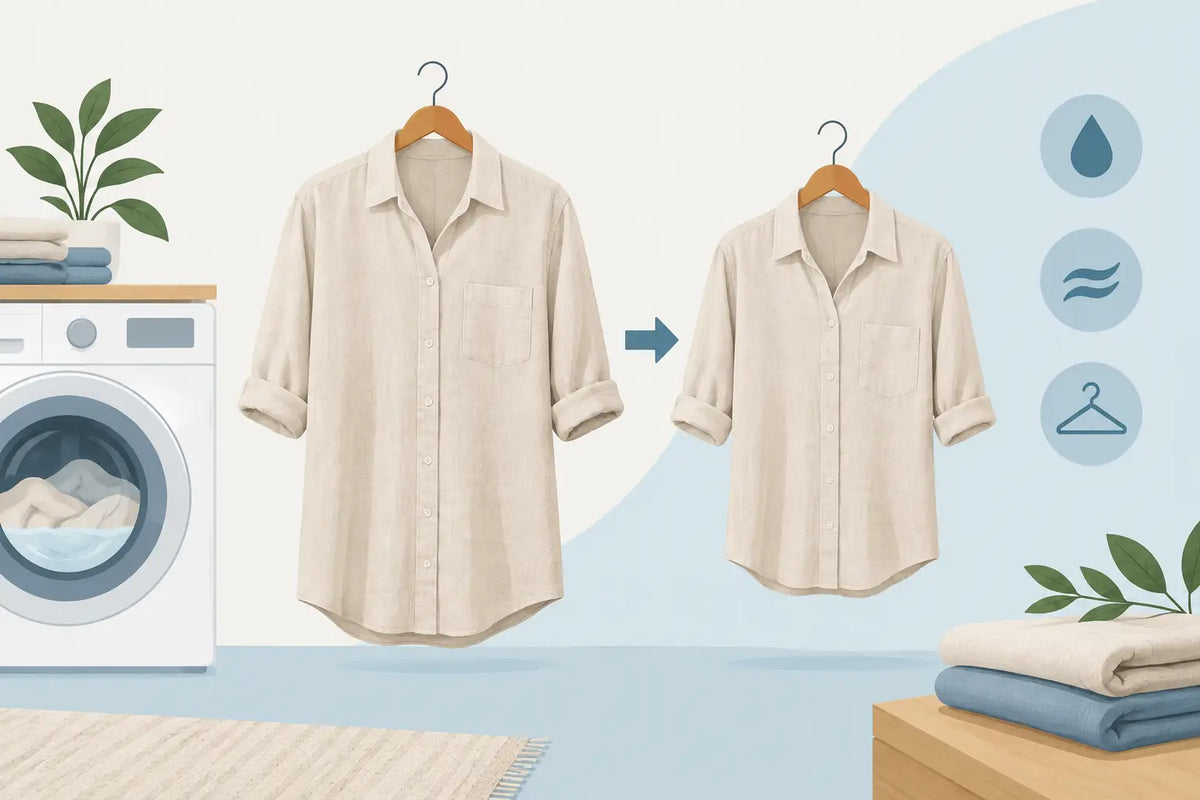
When laundering is needed, follow the care label, separate colors, use cool water when suitable, and avoid overfilling the machine. High heat can stress fibers, fade color, and affect fit, so air-drying is often the gentler option. For linen, reshape the garment while damp and embrace a little natural texture. A crisp press is beautiful, but an overly perfect finish is not the point of an easy linen piece.
Storage matters as well. Hang structured jackets and shirts on supportive hangers. Fold knitwear to help it retain its shape. Keep garments clean before storing them for a season, since lingering oils, fragrance, or food marks can become harder to remove over time.
These habits are small, but they change the lifespan of a wardrobe. Care is not a chore attached to good style. It is how good style lasts.
Repair Before You Replace
A missing button, loose hem, or small seam opening should not end a garment’s life. Basic repairs are often quick, affordable, and surprisingly satisfying. A trusted tailor can also adjust fit, replace worn hardware, reinforce stress points, or update proportions so a piece feels current again.
Repair makes the most sense when the garment is still something you enjoy wearing. Not every item needs saving, and not every repair is financially practical. A simple cotton tee with extensive thinning may be ready to retire, while a favorite jacket with a damaged lining may be well worth restoring. The decision depends on condition, sentiment, cost, and how often you expect to wear it afterward.
Learning a few fundamentals can help: sewing on a button, securing a loose thread, and treating a fresh stain promptly. For more technical work, a professional is usually the better choice. The point is not to become an expert mender overnight. It is to pause before assuming replacement is the only answer.
Give Clothes a Next Life
Eventually, some pieces will no longer work for you. Your size may change, your needs may shift, or your personal style may move in another direction. That is normal. Circularity asks that these garments be handled with intention rather than dropped into the trash.
Sell items that are in excellent condition and likely to have strong resale appeal. Donate clean, wearable clothing to organizations equipped to distribute it responsibly. Offer special pieces to friends or family who will genuinely use them. For items that are too worn to wear again, look for local textile collection or recycling options where available.
Be realistic about donation. A stained, damaged, or heavily worn garment may not be suitable for a charity shop. Sorting and disposal systems vary, and textile recycling is not a perfect answer. It is best viewed as a last step after wearing, repairing, reusing, and passing on have been considered.
A Wardrobe Worth Returning To
Circular fashion does not demand perfection or a complete closet reset. It asks for better rhythm: buy less impulsively, wear more creatively, care with attention, and let go responsibly when the time is right.
Start with one piece you already love. Wear it differently this week. Mend what needs mending. Build the next outfit around it. The wardrobe you return to most often is the one that deserves to last.